
Navigating the complex landscape of health insurance can feel like deciphering a cryptic financial puzzle, especially when you’re responsible for the well-being of a family. For a family of three, understanding the true cost of health insurance extends far beyond the monthly premium. It involves a detailed look at deductibles, copayments, coinsurance, and out-of-pocket maximums, all of which contribute significantly to the overall financial commitment.
Health insurance is not merely a legal or medical necessity; it’s a foundational pillar of sound personal finance. A sudden illness or accident, even a routine medical event, can quickly derail a family’s financial stability without adequate coverage. This guide aims to demystify the costs associated with health insurance for a family of three, providing insights into the various factors at play and strategies for making informed financial decisions. By breaking down the components of health insurance costs and exploring different plan types and savings strategies, we hope to empower families to secure comprehensive coverage without undue financial strain.
Understanding Premiums: The Baseline Cost
The premium is the most obvious and immediate cost associated with health insurance. It’s the fixed amount you pay, typically monthly, to keep your coverage active. However, this upfront cost represents only a portion of your potential total medical expenses. For a family of three, premiums can vary wildly based on numerous factors, making a single national average somewhat misleading, though helpful as a starting point.
National Averages vs. Personal Factors: Location, Age, Health
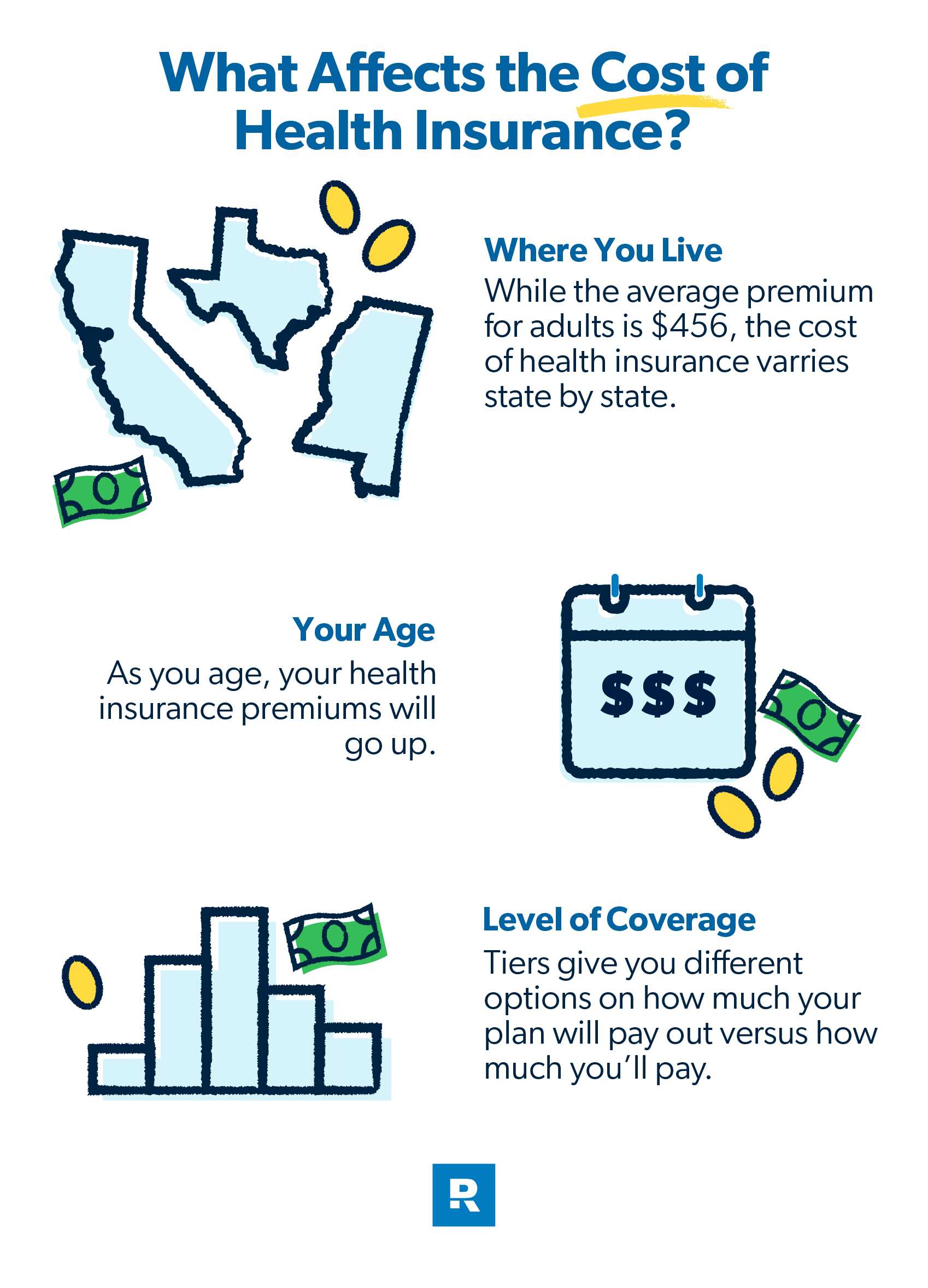
While national averages can provide a broad benchmark, actual premiums for a family of three are deeply personalized. In 2023, the average monthly premium for a family plan on the Affordable Care Act (ACA) marketplace, without subsidies, was reportedly in the range of $1,500 to $2,000, though this figure can fluctuate significantly year-to-year and by source. However, this average is heavily influenced by geography. States with higher healthcare costs, less competition among insurers, or different regulatory environments will see higher premiums. For example, a family in New York might pay significantly more than a similar family in Alabama.
Age is another critical determinant. Premiums are generally structured to increase with age, reflecting a higher likelihood of needing medical care. For a family of three, if both parents are in their 40s or 50s, their premiums will likely be higher than a family with parents in their 30s. The health status of family members can also play a role, particularly in grandfathered plans or certain private market options outside the ACA. Factors like smoking status are often considered by insurers when calculating premiums, adding another layer of personalization to the cost equation.
Employer-Sponsored vs. Marketplace Plans and Subsidies
Most Americans receive health insurance through an employer. Employer-sponsored plans often come with a significant advantage: the employer typically covers a substantial portion of the premium. For a family of three, this employer contribution can dramatically reduce the out-of-pocket cost. While the specific percentage varies, it’s common for employers to cover 70-80% of individual premiums and a slightly lower percentage for family plans. This makes employer plans generally more affordable than those purchased directly from the marketplace.
For families who do not have access to employer-sponsored insurance, the ACA marketplace (Healthcare.gov or state exchanges) offers a vital avenue for coverage. While premiums on the marketplace can seem high, many families qualify for government subsidies in the form of Advance Premium Tax Credits (APTCs). These credits are designed to make insurance more affordable by reducing the monthly premium amount based on household income relative to the federal poverty level. Families with incomes up to 400% of the federal poverty level, and sometimes higher depending on specific circumstances, may be eligible, significantly lowering their financial burden. Understanding your eligibility for these subsidies is crucial for anyone considering a marketplace plan.
Beyond Premiums: The True Out-of-Pocket Expenses
Focusing solely on premiums offers an incomplete picture of health insurance costs. The true financial commitment becomes clear when you factor in out-of-pocket expenses, which are the costs you pay for medical care even after you’ve started paying your premium. These can accumulate quickly and, without proper planning, can lead to unexpected financial strain for a family of three.
Deductibles: Your Annual Financial Hurdle
A deductible is the amount of money you must pay out of your own pocket for covered medical services before your health insurance plan starts to pay. For a family plan, this can be a significant sum, often ranging from a few thousand dollars to upwards of $15,000 annually. For example, if your family deductible is $6,000, you are responsible for the first $6,000 in covered medical expenses each year before your insurance company begins to contribute. Some family plans have an aggregate deductible (the whole family must meet the total amount) or per-person deductibles that contribute to an overall family deductible. Understanding this threshold is critical, as it directly impacts your initial financial exposure for medical care.
Copayments and Coinsurance: The Ongoing Costs of Care
Once you’ve met your deductible, your insurance doesn’t necessarily cover 100% of subsequent costs. This is where copayments and coinsurance come in. A copayment (copay) is a fixed amount you pay for a covered service, such as a doctor’s visit or a prescription, typically at the time of service. For a family of three, multiple doctor visits can quickly add up. For instance, a $30 copay for each family member for a sick visit could mean $90 just for one round of illnesses.
Coinsurance is a percentage of the cost of a covered medical service that you pay after you’ve met your deductible. For example, if your plan has an 80/20 coinsurance, your insurer pays 80% of the cost, and you pay the remaining 20%. This applies to services like surgeries, hospital stays, or specialized treatments. While your insurer covers the bulk, that 20% on a major medical event for any family member can still translate into thousands of dollars, making it a critical consideration for financial planning.
Out-of-Pocket Maximums: Your Ultimate Financial Shield
The out-of-pocket maximum (or limit) is perhaps the most crucial financial safeguard in a health insurance plan. This is the absolute most you will have to pay for covered medical services in a plan year, including deductibles, copayments, and coinsurance. Once you reach this limit, your insurance plan pays 100% of all covered medical expenses for the remainder of the plan year. For a family of three, federal guidelines for 2024 set the out-of-pocket maximum at $18,900 for a family plan (this can be higher for out-of-network care).
While this figure can seem daunting, it provides essential protection against catastrophic medical debt. Without an out-of-pocket maximum, a severe illness or accident could potentially bankrupt a family. When evaluating plans, especially for a family, understanding this maximum limit is as important as the monthly premium, as it defines your worst-case financial scenario for a given year.
Prescription Drug Costs and Formularies
Prescription drug coverage is another vital component of health insurance for families. Plans typically include a formulary, which is a list of covered drugs, often categorized into tiers (e.g., generic, preferred brand, non-preferred brand, specialty drugs). The cost to you depends on the drug’s tier and whether you’ve met your deductible. Generic drugs usually have a lower copay, while specialty drugs can have high copays or coinsurance, sometimes even after the deductible is met. For a family of three, managing chronic conditions or even occasional illnesses can result in significant monthly prescription costs, making a plan’s formulary and drug cost-sharing structure a key financial consideration.
Choosing the Right Plan Type for Your Family

The health insurance market offers a variety of plan types, each with its own structure, network limitations, and cost implications. Understanding these differences is essential for a family of three to choose a plan that balances affordability with access to care. The “best” plan isn’t universal; it depends on your family’s specific health needs, financial situation, and preferences for flexibility.
HMOs, PPOs, EPOs: Decoding Network Restrictions
-
HMOs (Health Maintenance Organizations): These plans typically have lower monthly premiums but come with stricter network rules. You must choose a primary care physician (PCP) within the HMO’s network, and that PCP usually needs to provide a referral to see specialists. Going out-of-network for care is generally not covered, except in emergencies. This structure can be cost-effective for families who don’t mind limited choice and prefer a single point of contact for their healthcare.
-
PPOs (Preferred Provider Organizations): PPOs offer more flexibility but usually come with higher premiums and deductibles. You don’t need a referral to see a specialist, and you can seek care both in-network and out-of-network. However, out-of-network care will be more expensive. PPOs are often favored by families who want more control over their healthcare providers and don’t want to be restricted to a specific network.
-
EPOs (Exclusive Provider Organizations): EPOs combine elements of both HMOs and PPOs. Like HMOs, they typically only cover in-network care (except for emergencies), meaning you usually don’t need a referral to see a specialist within the network. Like PPOs, they often offer a broader network of providers than HMOs. Premiums for EPOs can fall between HMOs and PPOs.
-
POS (Point of Service) Plans: These plans are a hybrid, often requiring a PCP referral for specialist visits within the network (like an HMO) but allowing out-of-network care at a higher cost (like a PPO).
For a family of three, evaluating the importance of network flexibility versus lower premiums is a crucial decision. If your family has established relationships with specific doctors or specialists, ensuring they are in-network for any chosen plan type is paramount.
High-Deductible Health Plans (HDHPs) and Health Savings Accounts (HSAs)
High-Deductible Health Plans (HDHPs) are characterized by lower monthly premiums but higher deductibles compared to traditional plans. While the higher deductible might seem daunting for a family of three, HDHPs come with a significant advantage: eligibility for a Health Savings Account (HSA).
An HSA is a tax-advantaged savings account that can be used for qualified medical expenses. Contributions to an HSA are tax-deductible, the money grows tax-free, and withdrawals for qualified medical expenses are also tax-free. For a family, the contribution limits for HSAs are substantial ($8,300 for families in 2024, subject to change). This makes HDHPs coupled with HSAs a powerful financial tool for families who are generally healthy and can afford the higher deductible. The HSA can act as a dedicated savings vehicle to cover the deductible and other out-of-pocket costs, while also serving as a long-term investment for future healthcare needs, even into retirement. For families who are disciplined savers, an HDHP/HSA combination can significantly reduce overall healthcare costs and provide substantial tax benefits.
Strategies for Optimizing Health Insurance Costs
Managing healthcare expenses for a family of three requires proactive financial planning and smart decision-making. There are several strategies families can employ to reduce their overall health insurance costs without compromising on essential coverage.
Leveraging Subsidies and Tax Credits
For families purchasing insurance through the ACA marketplace, checking eligibility for subsidies and tax credits is the first and most impactful step in reducing costs. Advance Premium Tax Credits (APTCs) can significantly lower your monthly premium, while Cost-Sharing Reductions (CSRs) can reduce your deductibles, copayments, and out-of-pocket maximums if your income falls within specific thresholds. These financial aids are designed to make quality healthcare accessible and affordable, especially for low-to-moderate-income families. Even if you think your income is too high, it’s always worth checking, as income limits for eligibility have expanded in recent years.
The Power of Preventive Care and Wellness Programs
An ounce of prevention is truly worth a pound of cure, especially in healthcare. Most health insurance plans, under the ACA, cover a range of preventive services at no additional cost (no deductible, copay, or coinsurance). This includes annual physicals, immunizations, screenings for various conditions, and well-child visits. For a family of three, utilizing these services means catching potential health issues early, which can prevent more serious, and costly, conditions down the line. Additionally, many employers and even some insurance plans offer wellness programs that incentivize healthy behaviors, sometimes through reduced premiums or other benefits, further lowering costs.
Comparison Shopping and Annual Reviews
The health insurance market is dynamic, with plans and prices changing annually. It’s a critical financial habit for families to comparison shop during the open enrollment period each year, whether through their employer or on the marketplace. Don’t simply re-enroll in your current plan without reviewing alternatives. A new plan might offer lower premiums, a better network for your current needs, or more favorable out-of-pocket maximums.
When comparing plans, look beyond just the monthly premium. Consider the total potential out-of-pocket costs given your family’s anticipated medical needs. Use online tools and resources to calculate your estimated annual costs, factoring in deductibles, copays, and potential coinsurance. Your family’s health needs can change, too; a plan that was perfect when your children were toddlers might not be ideal as they enter their teenage years. Regular review ensures your coverage remains aligned with both your financial goals and your family’s evolving health requirements.
The Indispensable Value of Comprehensive Coverage
While the costs associated with health insurance for a family of three can appear substantial, understanding these expenses also highlights the indispensable value of comprehensive coverage. Health insurance is not just another bill; it’s a critical investment in your family’s financial security and overall well-being.
Protecting Your Family’s Financial Security
The primary role of health insurance is to protect your family from the potentially devastating financial consequences of unexpected illness or injury. A major medical event, such as an emergency surgery, a serious accident, or the diagnosis of a chronic illness for any family member, can quickly incur medical bills reaching tens or even hundreds of thousands of dollars. Without adequate coverage, these costs could lead to significant debt, deplete savings, and jeopardize a family’s financial future. Health insurance, particularly with its out-of-pocket maximums, acts as a financial firewall, capping your annual exposure and preventing medical bankruptcy. It allows families to focus on recovery and care, rather than being overwhelmed by insurmountable bills.

The Risks of Underinsurance or No Insurance
The alternative to comprehensive coverage – being underinsured or uninsured – carries immense risks for a family of three. Being underinsured means having coverage that doesn’t adequately protect against high medical costs, perhaps due to a very high deductible with no HSA or limited benefits. This can still leave families vulnerable to substantial out-of-pocket expenses. Being completely uninsured means bearing 100% of all medical costs, which for even a relatively minor illness, can be thousands of dollars, and for a major health crisis, can be hundreds of thousands.
Beyond the immediate financial burden, lacking health insurance can deter families from seeking necessary preventive care or early treatment, potentially leading to more severe health conditions and even higher costs down the line. It restricts access to quality healthcare providers and can create immense stress and anxiety, impacting a family’s quality of life. For a family of three, ensuring robust health insurance coverage is a fundamental component of responsible financial planning, safeguarding not just finances but also the health and peace of mind of every family member.
In conclusion, determining “how much is health insurance for a family of three” is a multi-faceted question with no single answer. It involves a detailed evaluation of premiums, deductibles, copayments, coinsurance, and out-of-pocket maximums, all influenced by location, age, income, and chosen plan type. By diligently exploring employer-sponsored options, leveraging marketplace subsidies, choosing appropriate plan types, and engaging in annual reviews, families can find cost-effective health insurance solutions. Ultimately, investing in comprehensive health insurance is a vital financial decision, providing essential protection and peace of mind for your family’s future.
aViewFromTheCave is a participant in the Amazon Services LLC Associates Program, an affiliate advertising program designed to provide a means for sites to earn advertising fees by advertising and linking to Amazon.com. Amazon, the Amazon logo, AmazonSupply, and the AmazonSupply logo are trademarks of Amazon.com, Inc. or its affiliates. As an Amazon Associate we earn affiliate commissions from qualifying purchases.