
The question “how much for insurance?” is more than a simple query; it’s an entry point into a complex yet fundamental aspect of personal and business finance. In a world fraught with uncertainties, insurance stands as a critical safeguard, shielding individuals, families, and enterprises from unforeseen financial shocks. Yet, the cost—the premium—is often a significant consideration, making it imperative to understand not just the dollar amount, but the intricate factors that determine it and the immense value it provides. This article delves into the multi-faceted landscape of insurance costs, offering insights into what you might pay, why, and how to optimize your investment in financial security.
Understanding Insurance: More Than Just a Number
Before dissecting the costs, it’s vital to grasp what insurance truly represents. It’s a contractual agreement where you, the policyholder, pay a regular premium to an insurer, who in turn promises to compensate you for specific losses or damages outlined in the policy. This arrangement pools risk among many, making it economically feasible to cover potentially catastrophic events for a few.
The Fundamental Role of Insurance in Financial Security
At its core, insurance is a cornerstone of robust financial planning. It’s a mechanism for risk transfer, allowing you to offload the burden of potential financial devastation—be it from a car accident, a house fire, a serious illness, or an untimely death—to an insurance company. Without adequate coverage, a single unfortunate event could derail years of careful saving and planning, plunging individuals or businesses into insurmountable debt. For example, a sudden health crisis without health insurance could lead to medical bills costing tens or hundreds of thousands of dollars. A natural disaster could wipe out a lifetime of equity in a home. In essence, insurance isn’t just an expense; it’s an investment in stability, providing a safety net that protects your assets, income, and future financial well-being. It empowers individuals to take calculated risks in life and business, knowing they have a backup plan.
Demystifying Premiums, Deductibles, and Coverage Limits
To truly understand insurance costs, one must first be fluent in its fundamental terminology:
-
Premium: This is the amount you pay, typically monthly, quarterly, or annually, to maintain your insurance policy. It’s the “how much” that most people initially think of. Premiums are calculated based on various factors, including the type of insurance, your personal risk profile, the amount of coverage, and the insurer’s actuarial data.
-
Deductible: This is the amount you must pay out-of-pocket before your insurance coverage kicks in. For instance, if you have a car accident and your collision deductible is $500, you’ll pay the first $500 of repair costs, and your insurer will cover the rest (up to your policy limits). Generally, a higher deductible often leads to a lower premium, as you are assuming more of the initial risk.
-
Coverage Limits: This specifies the maximum amount an insurance company will pay out for a covered loss. For example, a homeowner’s policy might have a $300,000 dwelling coverage limit, while an auto policy might have a $100,000 per person bodily injury liability limit. Understanding these limits is crucial, as they define the extent of your protection. Opting for higher coverage limits typically results in higher premiums, but provides greater financial security.
Navigating these terms is essential for comparing policies effectively and ensuring you’re getting the right balance between cost and protection.
Key Factors Influencing Your Insurance Premiums
The “how much” of insurance is rarely a one-size-fits-all answer. Instead, it’s a dynamic figure influenced by a multitude of variables that insurance companies meticulously analyze to assess risk. Understanding these factors can provide clarity on why your premium might differ from someone else’s, even for similar coverage.
Personal Profile: Age, Location, and History
Your personal characteristics play a significant role in determining your insurance costs.
-
Age: Generally, younger, less experienced individuals (e.g., new drivers) often face higher premiums due to a statistically higher likelihood of making claims. Similarly, older individuals might see increases in health or life insurance as health risks increase with age.
-
Location: Where you live, work, or drive can heavily influence premiums. For auto insurance, urban areas with higher traffic density, crime rates, or accident frequencies typically incur higher costs. For home insurance, proximity to fire hydrants, crime rates in the neighborhood, or susceptibility to natural disasters (e.g., hurricanes, earthquakes, floods) are major pricing factors.
-
History: Your past behavior is a powerful predictor for insurers. A clean driving record with no accidents or violations will result in lower auto insurance premiums. A history of health issues or pre-existing conditions will impact health and life insurance rates. For home insurance, a history of claims can lead to higher rates or even difficulty in securing coverage. A strong credit score is also increasingly used by many insurers as an indicator of responsibility, often leading to better rates.
Coverage Scope and Policy Specifics
The breadth and depth of your coverage are paramount in premium calculation.
-
Coverage Amount: The higher the amount of protection you seek (e.g., a $500,000 life insurance policy versus a $250,000 one, or comprehensive auto coverage versus basic liability), the higher your premium will be. More financial risk is being transferred to the insurer.
-
Deductible Level: As mentioned, choosing a higher deductible means you absorb more of the initial loss, which reduces the insurer’s risk and subsequently lowers your premium. Conversely, a lower deductible will result in higher premiums.
-
Additional Riders and Endorsements: Many policies offer optional add-ons that enhance coverage but also increase the premium. Examples include roadside assistance for auto insurance, personal property riders for home insurance, or critical illness riders for life insurance. Each additional layer of protection comes with an associated cost.
Risk Assessment: The Underwriter’s Perspective
Insurance companies employ underwriters who are experts in evaluating risk. They use complex actuarial tables, statistical models, and data analytics to assess the probability of a claim occurring and the potential cost of that claim.
-
For auto insurance: The make, model, year, and safety features of your vehicle (e.g., anti-lock brakes, airbags) all play a role. Sports cars or vehicles with high theft rates typically cost more to insure.
-
For home insurance: The construction type, age of the home, type of roofing, and presence of safety features like smoke detectors or alarm systems are considered.
-
For life and health insurance: Factors like your occupation (e.g., hazardous professions), lifestyle choices (e.g., smoking, extreme sports), and family medical history are closely scrutinized. The higher the perceived risk, the higher the premium charged to compensate the insurer for taking on that risk.
Navigating Different Types of Insurance and Their Costs
While the underlying principles of risk assessment apply across the board, the specific cost structures and influencing factors vary significantly between different types of insurance. Understanding these nuances is crucial for budgeting and informed decision-making.
Auto Insurance: Protecting Your Ride and Others
Auto insurance is often a legal requirement and a substantial expense for many.
-
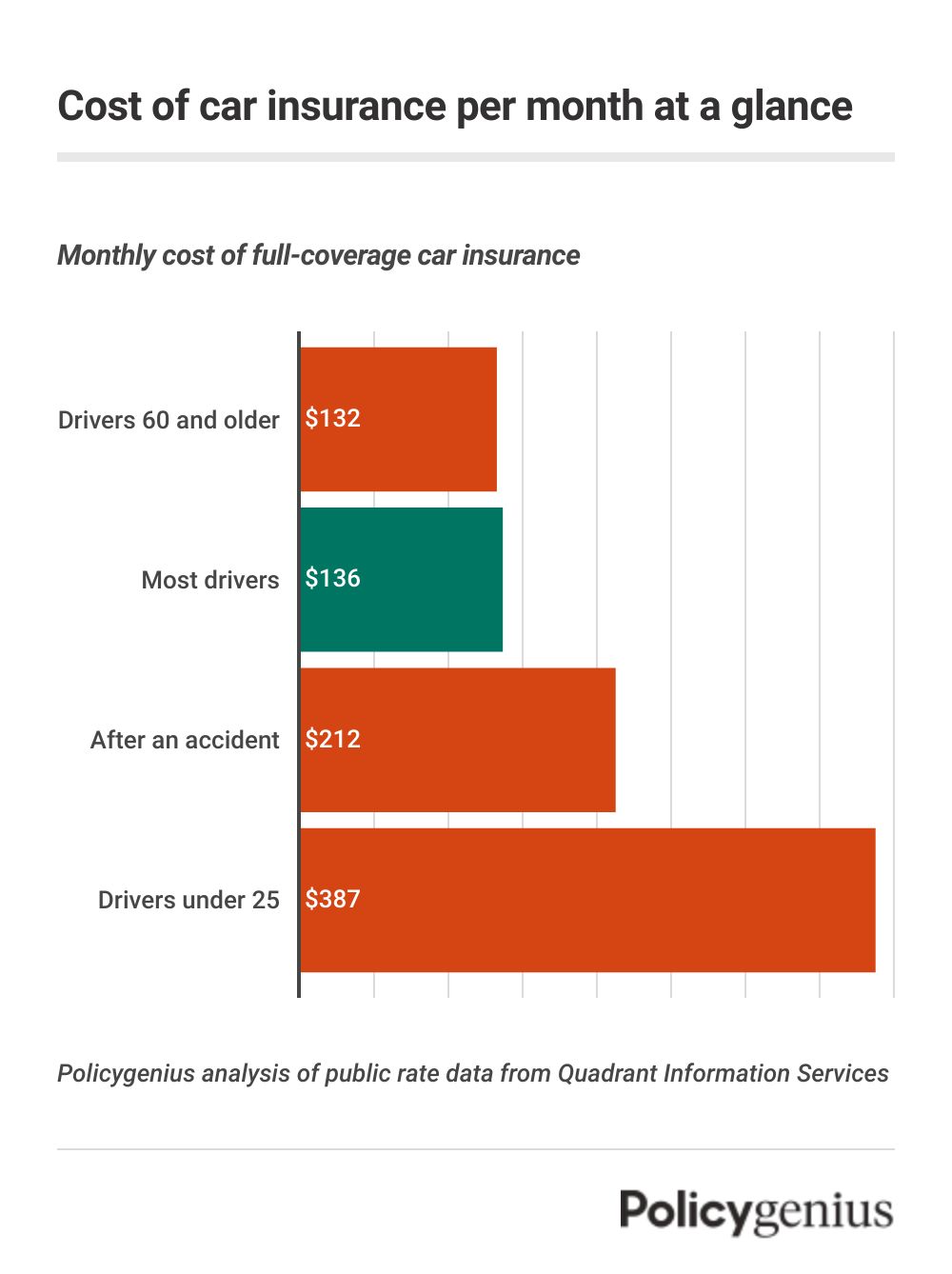
Typical Costs: Basic liability coverage can range from $50-$150 per month, while comprehensive policies with collision, uninsured motorist, and other coverages can easily exceed $200-$300 per month, especially for younger drivers or those with a history of claims.
-
Key Influencers: Driver’s age, driving record, vehicle type, location, annual mileage, credit score, and chosen deductibles are primary factors. Insurers also look at the vehicle’s safety ratings and repair costs.
Homeowner’s/Renter’s Insurance: Safeguarding Your Abode
Essential for protecting your dwelling and possessions, as well as providing liability coverage.
-
Typical Costs: Homeowner’s insurance averages around $100-$200 per month, but can vary widely based on location, home value, age, and natural disaster risks (e.g., significantly higher in hurricane or earthquake zones). Renter’s insurance is much more affordable, often $10-$30 per month, as it primarily covers personal belongings and liability.
-
Key Influencers: Home’s age and construction, replacement cost, location (proximity to fire department, crime rates, natural disaster risk), claim history, and chosen deductible.
Health Insurance: Essential for Well-being and Wallet
A critical component of financial stability, covering medical expenses.
-
Typical Costs: Premiums can vary dramatically based on the plan type (HMO, PPO, EPO), coverage level (Bronze, Silver, Gold, Platinum), individual vs. family plan, age, and geographic location. A single individual could pay anywhere from $300-$700+ per month for a comprehensive plan, with family plans easily exceeding $1,000-$2,000+. Deductibles can range from a few hundred to several thousand dollars.
-
Key Influencers: Age, location, smoking status, plan type, network, and chosen deductible/out-of-pocket maximums. Government subsidies may reduce costs for eligible individuals.
Life Insurance: Securing Your Loved Ones’ Future
Provides financial protection for your beneficiaries upon your death.
-
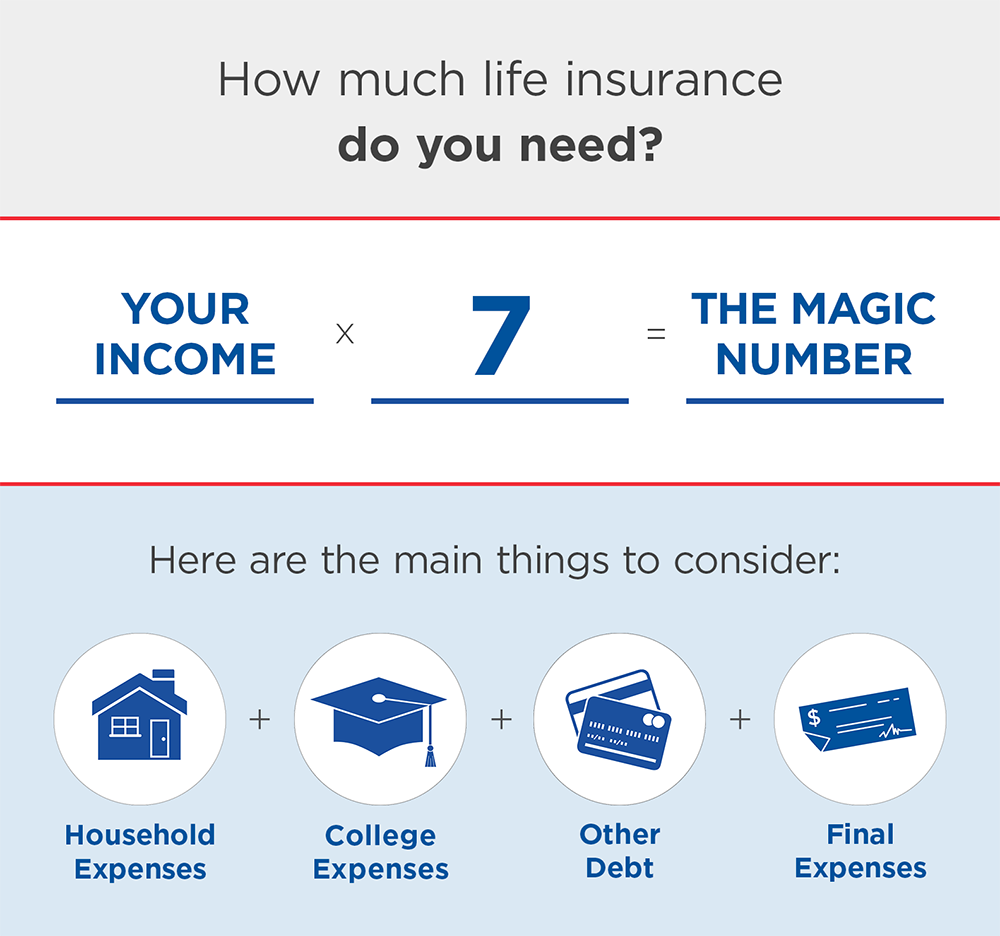
Typical Costs: Term life insurance, which covers a specific period, is generally more affordable. A healthy 30-year-old might pay $20-$40 per month for a 20-year, $500,000 policy. Whole life insurance, which offers lifelong coverage and a cash value component, is significantly more expensive, often several hundred dollars per month for similar coverage.
-
Key Influencers: Age, health (medical history, smoking, weight), lifestyle (hazardous hobbies/occupation), gender, and policy type (term vs. whole life, coverage amount).
Other Essential Covers: Disability, Travel, and Business
Beyond the major categories, other insurance types address specific risks:
-
Disability Insurance: Replaces a portion of your income if you become unable to work due to illness or injury. Costs vary by age, occupation, income, and coverage period, but can range from $50-$200+ per month.
-
Travel Insurance: Covers trip cancellations, medical emergencies abroad, lost luggage, etc. Costs depend on trip duration, destination, traveler’s age, and coverage level, usually a percentage of the trip cost.
-
Business Insurance: A broad category including general liability, professional liability, commercial property, workers’ compensation, etc. Costs are highly variable, influenced by industry, business size, revenue, number of employees, and specific risks. A small business might pay a few hundred dollars monthly, while larger or riskier operations could pay thousands.
Strategies to Optimize Your Insurance Costs
While insurance is an unavoidable expense, there are numerous proactive steps you can take to ensure you’re getting the best value for your money without compromising essential coverage. Strategic planning can significantly impact your “how much for insurance” equation.
Shopping Around and Comparing Quotes
This is perhaps the most fundamental and effective strategy. Insurance premiums can vary widely between providers for the exact same coverage because each insurer has its own proprietary risk assessment models, overheads, and target markets.
- Actionable Advice: Don’t settle for the first quote. Use online comparison tools, consult independent insurance agents, and directly request quotes from multiple reputable insurers (e.g., 3-5 different companies) at least once a year or when major life events occur (e.g., buying a new car, moving, getting married).
Bundling Policies for Discounts
Many insurance companies offer discounts when you purchase multiple policies from them.
- Actionable Advice: Consider buying your auto and homeowner’s (or renter’s) insurance from the same provider. Some companies also offer discounts for bundling life or umbrella policies. These “multi-policy discounts” can often result in significant savings, sometimes 10-20% off your total premiums.
Adjusting Deductibles and Coverage Levels
Finding the right balance between premium cost and out-of-pocket exposure is key.
- Actionable Advice: If you have a robust emergency fund, consider opting for a higher deductible. This will lower your monthly premiums, and you’ll be prepared to cover the initial out-of-pocket expense should a claim arise. Conversely, ensure your coverage limits are adequate. While higher limits mean higher premiums, being underinsured can lead to catastrophic financial losses if a major claim exceeds your coverage. Regularly assess your assets and liabilities to ensure your limits are appropriate.
Leveraging Good Habits and Risk Mitigation
Insurers reward policyholders who demonstrate lower risk.
-
Actionable Advice:
-
For auto: Maintain a clean driving record, take defensive driving courses, and inquire about telematics programs that monitor your driving habits (e.g., low mileage, safe braking).
-
For home: Install safety features like smoke detectors, carbon monoxide detectors, security systems, and maintain your property diligently. Inform your insurer of these upgrades.
-
For health/life: Lead a healthy lifestyle, quit smoking, manage chronic conditions, and provide accurate health information to your insurer to avoid higher risk ratings.
-
Regular Policy Reviews and Updates
Life changes, and so should your insurance.
- Actionable Advice: Don’t let your insurance policies sit untouched for years. Review them annually or whenever a significant life event occurs, such as marriage, divorce, birth of a child, purchasing a new home or car, changing jobs, or retiring. Your needs, assets, and liabilities evolve, and your insurance should reflect those changes to ensure you’re neither over-insured nor under-insured. For instance, you might need less life insurance as your children become independent, or more coverage if you acquire significant assets.
The Long-Term Value and Financial Planning Aspect
Beyond the immediate question of “how much,” lies the deeper understanding of insurance’s long-term value and its integral role in a holistic financial strategy. It’s not just about mitigating risk in the present; it’s about safeguarding your financial future.
Insurance as a Pillar of a Robust Financial Plan
In the grand scheme of personal finance, insurance is not merely an optional extra; it’s a foundational pillar. Just as a sturdy house requires a strong foundation, a secure financial future demands adequate protection against life’s unpredictable events. It acts as a protective layer, allowing other components of your financial plan—like investments, savings, and retirement funds—to grow and flourish without the constant threat of being wiped out by a single, uninsured incident.
- Strategic Integration: Financial advisors often recommend evaluating insurance needs alongside budgeting, saving, investing, and estate planning. Each piece of the financial puzzle supports the others, with insurance providing the essential stability that prevents the entire structure from collapsing under stress. For instance, robust health insurance protects your emergency fund from being depleted by medical bills, allowing those savings to remain available for true emergencies or investment opportunities.
The Cost of Not Being Insured
While premiums represent a direct expense, the cost of not having adequate insurance can be astronomically higher. This “opportunity cost” or “risk cost” is often overlooked until disaster strikes.
- Real-World Consequences: Imagine a car accident where you’re at fault without liability insurance, facing tens of thousands of dollars in medical bills for the injured party, potentially leading to lawsuits and wage garnishments. Or a severe illness without health insurance, resulting in insurmountable medical debt. A home destroyed by fire without homeowner’s insurance could mean losing your most valuable asset and having to rebuild from scratch with no financial assistance. These scenarios highlight that the “cost” of insurance is often far less than the devastating financial implications of being uninsured or underinsured. It’s about protecting your present assets and your future earning potential from being jeopardized.

Integrating Insurance into Your Overall Money Management
Effectively managing insurance costs requires viewing it as an ongoing component of your money management strategy, not a one-time purchase.
-
Budgeting: Allocate a specific portion of your monthly budget for insurance premiums, just as you would for housing, food, or transportation. This ensures that you can consistently afford the necessary coverage.
-
Emergency Fund Synergy: An adequately funded emergency savings account can work in tandem with your insurance. A larger emergency fund might allow you to opt for higher deductibles, thereby lowering your premiums. However, never rely solely on your emergency fund for catastrophic events that insurance is designed to cover.
-
Regular Review: As life evolves, so do your insurance needs. Annual reviews of your policies are crucial to ensure they remain aligned with your current financial situation, assets, liabilities, and life stage. This ongoing assessment helps you adjust coverage as needed, take advantage of new discounts, and avoid paying for coverage you no longer require, or missing out on protection you now critically need.
In conclusion, the question “how much for insurance?” is multifaceted. While the immediate answer involves understanding premiums, deductibles, and various policy types, the deeper insight lies in recognizing insurance as an indispensable investment in financial security. By strategically evaluating your needs, comparing options, and integrating insurance into your broader financial plan, you can effectively manage costs while securing profound peace of mind against life’s uncertainties.
aViewFromTheCave is a participant in the Amazon Services LLC Associates Program, an affiliate advertising program designed to provide a means for sites to earn advertising fees by advertising and linking to Amazon.com. Amazon, the Amazon logo, AmazonSupply, and the AmazonSupply logo are trademarks of Amazon.com, Inc. or its affiliates. As an Amazon Associate we earn affiliate commissions from qualifying purchases.