
Private medical insurance (PMI) is a significant financial consideration for many individuals and families, offering a pathway to healthcare services beyond public provisions. While the allure of quicker access, greater choice of specialists, and more comfortable facilities is strong, the cost can be a primary deterrent. Understanding the intricacies of how premiums are calculated and what factors influence them is crucial for making an informed decision and finding a policy that aligns with both your health needs and your financial capacity. The cost of private medical insurance is not a fixed figure; it is a dynamic sum influenced by a multitude of personal, lifestyle, and policy-specific variables. Delving into these factors can demystify the pricing structure, enabling consumers to better budget for and potentially optimize their healthcare expenditures.
Understanding the Core Components of Private Medical Insurance
Before dissecting the cost, it’s essential to grasp what private medical insurance entails and the foundational elements that shape its value proposition. PMI acts as a financial safeguard against the often-exorbitant costs of private healthcare, covering various medical expenses depending on the chosen plan.
What Private Medical Insurance Covers
At its core, private medical insurance typically covers the cost of private medical treatment for acute conditions that arise after you take out the policy. Acute conditions are illnesses, injuries, or diseases that are likely to respond quickly to treatment and restore you to your previous state of health. Common coverage areas include:
-
Hospital Stays: This includes accommodation in a private room, nursing care, and hospital facilities.
-
Consultant Fees: Charges for consultations with specialists, both outpatient and inpatient.
-
Surgical Procedures: Costs associated with operations, including anesthetist fees and theater charges.
-
Diagnostic Tests: X-rays, MRI scans, CT scans, blood tests, and other diagnostic procedures.
-
Cancer Treatment: Often includes chemotherapy, radiotherapy, and specialist consultations, though the extent can vary significantly between policies.
-
Rehabilitation: Physiotherapy, osteopathy, and chiropractic treatments may be covered post-illness or injury, again subject to policy limits.
What is generally not covered are chronic conditions (long-term, incurable illnesses like diabetes or asthma), pre-existing conditions (illnesses you had before taking out the policy, though some providers may offer limited coverage after a waiting period), cosmetic surgery, emergency care, and routine maternity care. The breadth of coverage directly impacts the premium.
Types of Plans and Their Implications
The structure of your PMI plan plays a pivotal role in its cost. Plans often vary based on the level of inpatient and outpatient care provided.
-
Inpatient Only Plans: These are typically the most basic and cheapest plans, covering only treatments that require an overnight stay in a hospital. They may also include day-patient treatments where you receive treatment and go home the same day but use a hospital bed or facility.
-
Comprehensive Plans: These offer broader coverage, including both inpatient and a significant portion of outpatient care, such as consultations with specialists, diagnostic tests, and sometimes therapies like physiotherapy. These plans come with higher premiums but offer more extensive protection.
-
Moratorium Underwriting: This is a common approach where the insurer excludes any condition you’ve had symptoms, advice, or treatment for in the past five years. After two consecutive years without symptoms, advice, or treatment for that condition, it may then be covered. This often results in lower initial premiums compared to full medical underwriting.
-
Full Medical Underwriting: Here, you declare your full medical history when applying. The insurer reviews this and decides immediately what conditions will be covered or excluded. While it can lead to higher premiums if you have a complex history, it provides clarity upfront.
The choice between these plan types dictates not just the premium, but also the peace of mind and the scope of healthcare services you can access without direct out-of-pocket expenses.
Key Factors Influencing Your Premium
Several variables combine to determine the final cost of your private medical insurance. These factors are assessed by insurers to calculate the level of risk they are undertaking by covering you.
Age and Health Status
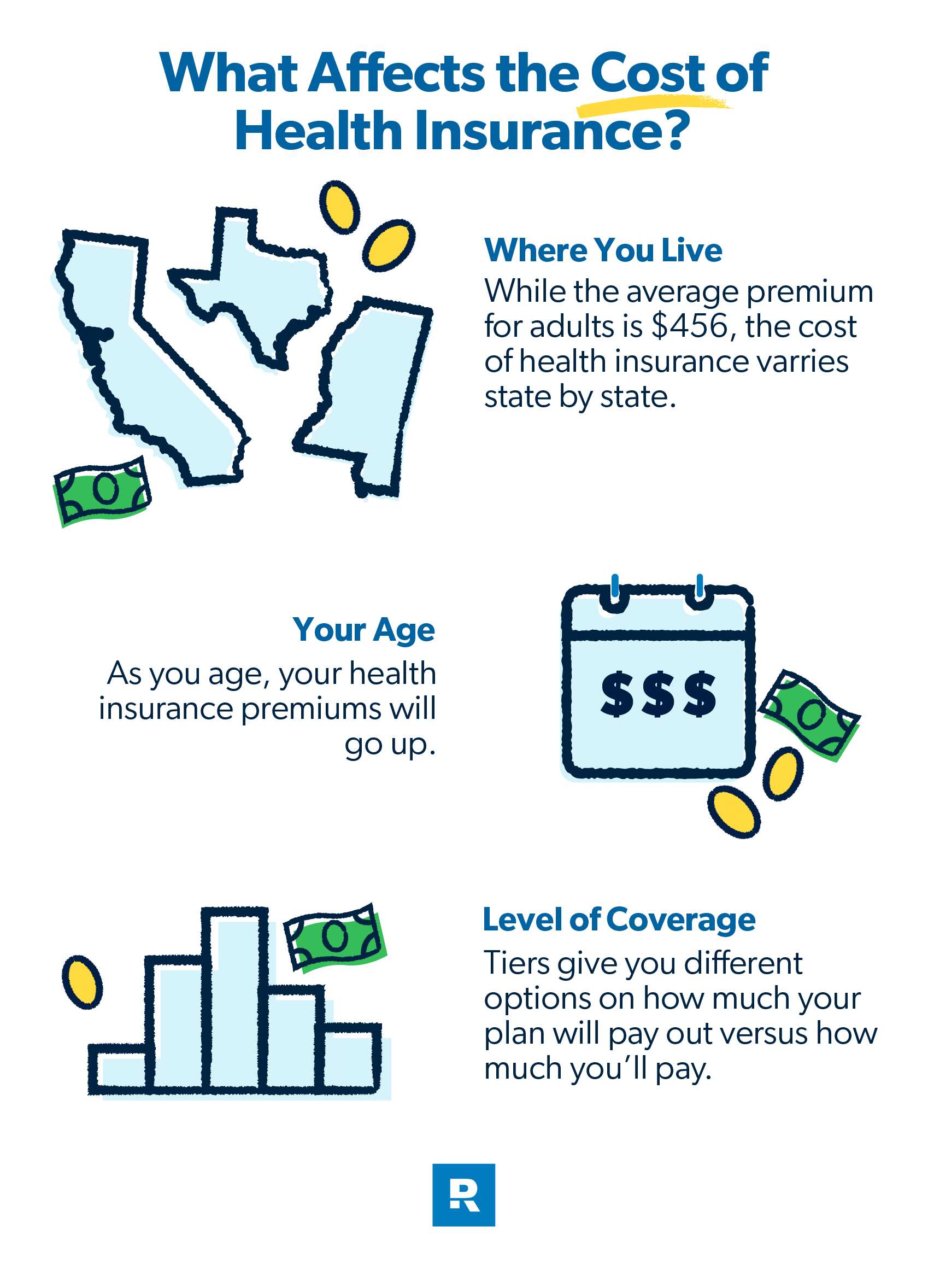
One of the most significant determinants of your premium is your age. As individuals age, the likelihood of developing medical conditions increases, making them a higher risk to insurers. Consequently, premiums tend to rise incrementally with age, often seeing more substantial jumps after certain age milestones like 50 or 60. Your current health status and medical history are equally crucial. A history of serious illnesses, ongoing health issues, or chronic conditions can lead to higher premiums or even specific exclusions from your policy, especially if you opt for full medical underwriting.
Level of Coverage and Benefits
The more extensive your coverage, the higher your premium will be. A basic plan covering only inpatient treatment will naturally be cheaper than a comprehensive plan that includes outpatient consultations, diagnostic tests, mental health support, and complementary therapies. Opting for additional benefits, such as access to a wider network of hospitals, international coverage, or enhanced cancer care, will also increase the cost. Similarly, choosing a higher level of “hospital list” (allowing access to more prestigious or expensive private hospitals) will push up the premium.
Location and Provider Network
Where you live can impact your insurance cost. Premiums can be higher in areas with a higher cost of living or where private healthcare facilities and specialists are more expensive to operate, such as major metropolitan areas. Insurers also have networks of preferred providers and hospitals. Choosing a plan that allows you access to a broader, more expensive network of hospitals and specialists will generally result in higher premiums compared to a plan with a more restricted network.
Deductibles, Co-pays, and Out-of-Pocket Maxima

These are mechanisms that allow you to share a portion of the healthcare cost with your insurer, thereby reducing your premium.
-
Deductible (Excess): This is a fixed amount you agree to pay towards your medical treatment costs before your insurer starts paying. The higher your deductible, the lower your premium. For example, a policy with a £1,000 deductible will be cheaper than one with a £250 deductible.
-
Co-pay: This is a fixed fee you pay for specific services, such as a doctor’s visit or a prescription, even after your deductible has been met.
-
Co-insurance: Instead of a fixed co-pay, co-insurance requires you to pay a percentage of the cost of a medical service after your deductible has been met. For example, if your co-insurance is 20%, the insurer pays 80% and you pay 20%.
-
Out-of-Pocket Maxima: This is the maximum amount you will have to pay for covered services in a plan year. Once you reach this limit, your insurance plan pays 100% of the cost of covered benefits. Higher out-of-pocket maxima generally correlate with lower premiums.
Careful selection of these cost-sharing elements can significantly influence your monthly or annual premium while also dictating your potential financial exposure during treatment.
Navigating the Cost: Strategies to Optimize Your Plan
Managing the cost of private medical insurance effectively involves strategic planning and a clear understanding of your personal healthcare priorities. There are several approaches you can take to make PMI more affordable without necessarily compromising essential coverage.
Comparing Quotes from Multiple Providers
This is perhaps the most fundamental step in optimizing your PMI cost. The private medical insurance market is competitive, with numerous providers offering a range of policies. Obtaining quotes from at least three to five different insurers will allow you to compare not only premiums but also the nuances of coverage, deductibles, and exclusions. Utilizing independent brokers or comparison websites can streamline this process, as they can often access deals or policies not readily available to the public. Be diligent in reviewing the details of each quote, ensuring you are comparing like-for-like coverage.
Adjusting Deductibles and Co-insurance
As discussed, increasing your deductible (or excess) is one of the most effective ways to lower your premium. If you are in good health and have sufficient savings to cover a higher upfront cost should you need treatment, opting for a higher deductible can result in substantial savings on your annual premium. Similarly, agreeing to a co-insurance model where you pay a percentage of treatment costs can reduce your premium. It’s a balance between saving on premiums and being prepared for a potentially larger out-of-pocket expense if you need care.
Utilizing Health Savings Accounts (HSAs) or Flexible Spending Accounts (FSAs)
In some regions, these tax-advantaged accounts can be powerful tools for managing healthcare costs. HSAs, available with high-deductible health plans, allow you to save and invest money tax-free for future medical expenses. Contributions are tax-deductible, growth is tax-free, and withdrawals for qualified medical expenses are also tax-free. FSAs are employer-sponsored accounts that allow you to set aside pre-tax money for healthcare costs, reducing your taxable income. While they don’t directly reduce your PMI premium, they can make the overall cost of healthcare more manageable by effectively lowering the tax burden on medical spending.
Reviewing Your Policy Annually
Healthcare needs and financial situations can change, and so can insurance offerings. It’s prudent to review your private medical insurance policy annually, ideally before renewal. Assess if your current coverage still meets your needs, if your financial situation has changed, and if there are newer, more cost-effective policies available from your current provider or competitors. This annual review is an opportunity to adjust your deductible, modify your coverage level, or switch providers if a better deal is on offer. Proactive management can prevent you from paying for coverage you no longer need or missing out on potential savings.
The Value Proposition: Is Private Medical Insurance Worth the Cost?
Deciding whether private medical insurance is a worthwhile investment boils down to balancing its financial cost against the benefits it provides. For many, the value extends beyond mere financial protection, encompassing peace of mind and access to a higher standard of care.
Access to Specialized Care and Shorter Wait Times
One of the primary drivers for purchasing PMI is the ability to bypass public healthcare waiting lists, which can often be lengthy for specialist consultations, diagnostic tests, and non-emergency procedures. Private insurance typically grants quicker access to a wider choice of specialists and consultants, allowing patients to be seen and treated promptly. This speed of access can be critical for conditions requiring timely diagnosis and intervention, potentially leading to better health outcomes and a faster return to normal life.
Peace of Mind and Financial Security
The comfort of knowing that you can access private healthcare when needed, without the immediate burden of hefty out-of-pocket expenses, offers significant peace of mind. Private medical insurance provides a financial safety net against unexpected medical crises. Without it, a serious illness or injury could lead to substantial medical bills, potentially impacting savings, investments, or even leading to debt. For those with specific health concerns, or who simply value expedited and personalized care, this financial security is often seen as invaluable.

Potential Tax Advantages
In certain jurisdictions, private medical insurance premiums or related healthcare expenses may offer tax advantages. This could include tax deductions for self-employed individuals, credits for businesses providing PMI to employees, or the tax-advantaged nature of Health Savings Accounts (HSAs). While these benefits vary by country and region, they can effectively reduce the net cost of insurance, making it a more attractive financial proposition for eligible individuals and businesses. It’s always advisable to consult with a financial advisor or tax professional to understand the specific tax implications in your region.
Ultimately, the cost of private medical insurance is an investment in your health and well-being. By understanding the factors that influence premiums and employing strategic approaches to policy selection and management, individuals can navigate the market to find a plan that offers optimal value for their unique needs and financial circumstances.
aViewFromTheCave is a participant in the Amazon Services LLC Associates Program, an affiliate advertising program designed to provide a means for sites to earn advertising fees by advertising and linking to Amazon.com. Amazon, the Amazon logo, AmazonSupply, and the AmazonSupply logo are trademarks of Amazon.com, Inc. or its affiliates. As an Amazon Associate we earn affiliate commissions from qualifying purchases.