
The monthly cost of medical insurance is a critical concern for individuals and families navigating their personal finances. Far from a single, fixed figure, the premium paid each month for health coverage is influenced by a complex interplay of factors, often leading to a wide range of expenses across different demographics and plan selections. Understanding these variables is key to not only estimating potential costs but also to making informed decisions that align with both health needs and financial realities.
Understanding the Core Factors Influencing Monthly Premiums
Several fundamental elements dictate the base price of your monthly health insurance premium. These are largely standardized across the insurance marketplace but can result in significant variations from one individual to another.

Age and Location
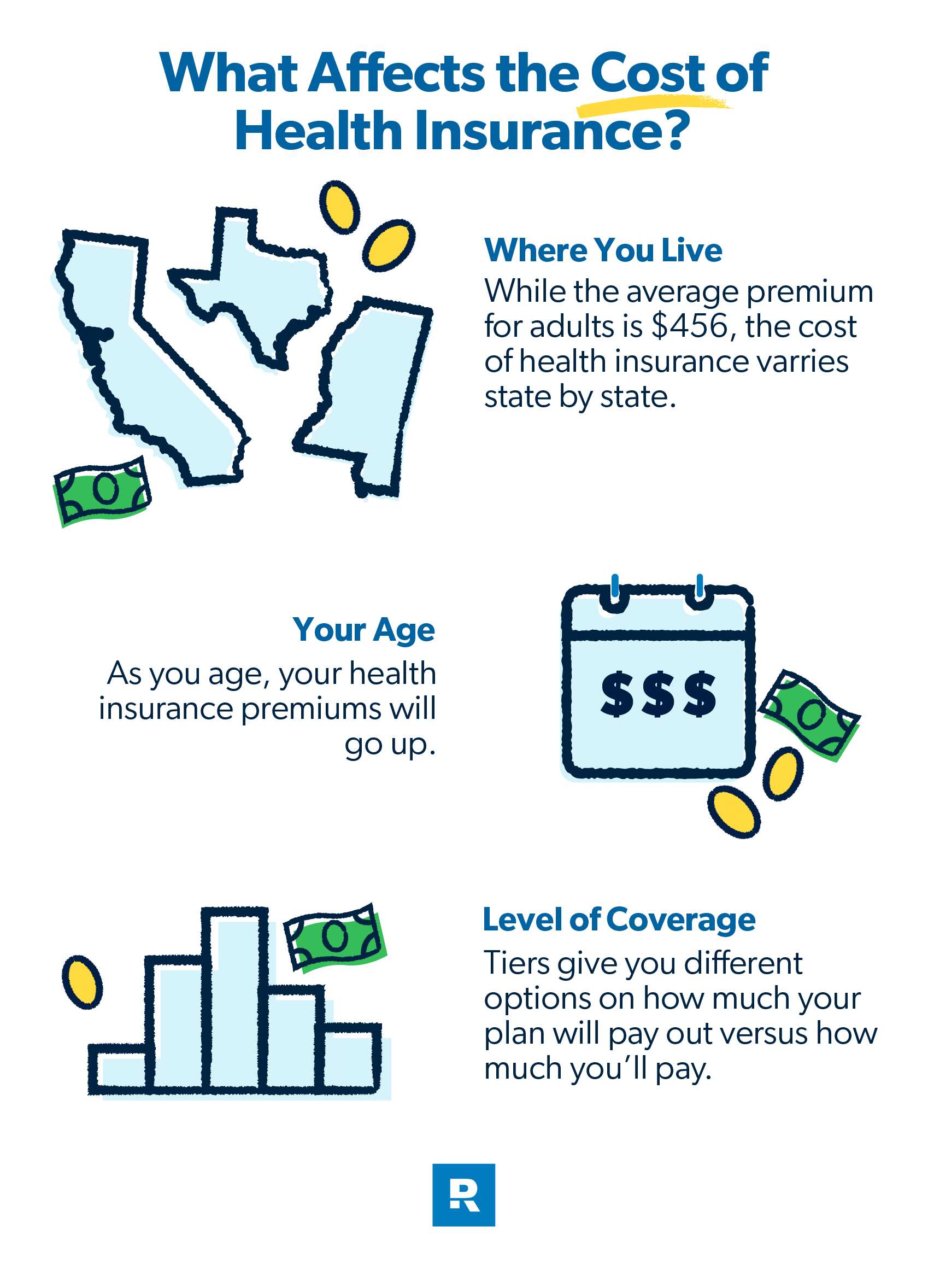
Age is one of the most significant factors. Younger individuals typically pay lower premiums because they are statistically less likely to require extensive medical care. Premiums generally increase with age, reflecting a higher probability of health issues. For instance, a 60-year-old could pay three times more than a 21-year-old for the same plan.
Location also plays a crucial role. Healthcare costs vary widely by state, county, and even zip code due to differences in local medical expenses, the number of competing insurance providers, and state regulations. A plan in a rural area with fewer healthcare facilities might cost less than a similar plan in a major metropolitan area with a high concentration of hospitals and specialists.
Plan Type and Coverage Level
The type of plan you choose directly impacts your monthly premium. Plans are often categorized by “metal tiers” on the Affordable Care Act (ACA) marketplace:
-
Bronze plans typically have the lowest monthly premiums but the highest out-of-pocket costs (deductibles, copays, coinsurance) when you need care. They cover about 60% of your medical costs, on average.
-
Silver plans offer moderate monthly premiums and moderate out-of-pocket costs. They cover about 70% of medical costs and are the only plans eligible for cost-sharing reductions, which can significantly lower your deductible, copayments, and coinsurance if you qualify based on income.
-
Gold plans come with higher monthly premiums but lower out-of-pocket costs. They cover about 80% of medical costs.
-
Platinum plans have the highest monthly premiums but the lowest out-of-pocket costs, covering about 90% of medical expenses.
Choosing a plan with a higher metal tier means paying more upfront each month but potentially less when you actually use healthcare services.
Tobacco Use
Insurance companies are permitted to charge tobacco users higher premiums in most states. This surcharge can add a significant percentage to the monthly cost, reflecting the increased health risks associated with tobacco use. While some states have opted out of this surcharge, it remains a common factor.
Number of Dependents
Adding family members to your insurance plan will naturally increase the overall monthly premium. The cost structure typically involves a base rate for the primary policyholder, with additional charges for each enrolled dependent, such as a spouse or children. The specific increase per dependent can vary by insurer and plan.
Decoding Different Types of Health Insurance Plans
Beyond the metal tiers, the structural design of a health insurance plan fundamentally influences its cost and how you access care. Understanding these models is essential for making a choice that balances affordability with practical access to medical services.
HMOs (Health Maintenance Organizations)
HMO plans generally have lower monthly premiums compared to other plan types. They require you to choose a primary care physician (PCP) within the plan’s network, who then coordinates all your healthcare and provides referrals to specialists. Without a referral, care from a specialist (except in emergencies) may not be covered. This gatekeeper approach helps control costs but limits your choice of providers.
PPOs (Preferred Provider Organizations)
PPO plans offer more flexibility than HMOs but typically come with higher monthly premiums. You usually don’t need a referral to see a specialist, and you have the option to see out-of-network providers, though at a higher cost. PPOs provide a broader choice of doctors and hospitals, making them popular for those who prioritize flexibility.
EPOs (Exclusive Provider Organizations)
EPO plans combine features of both HMOs and PPOs. Like an HMO, you must stay within the plan’s network of doctors and hospitals for covered care (except for emergencies). Like a PPO, you typically don’t need a referral to see a specialist. Premiums for EPOs are often mid-range, offering a balance between cost and flexibility within the network.
POS (Point of Service) Plans
POS plans also blend HMO and PPO characteristics. You usually need to select a PCP within the network, and this PCP will refer you to specialists. However, you have the option to go out-of-network for care, similar to a PPO, but you will pay more for those services. POS plans tend to have moderate premiums.

HDHPs (High-Deductible Health Plans) with HSAs
HDHPs feature lower monthly premiums but higher deductibles. They are often paired with Health Savings Accounts (HSAs), which allow you to save money tax-free for medical expenses. An HSA is a powerful financial tool, as contributions are tax-deductible, funds grow tax-free, and withdrawals for qualified medical expenses are also tax-free. These plans appeal to healthy individuals who anticipate minimal medical needs or those who want to leverage the tax advantages of an HSA.
Catastrophic Plans
Available only to individuals under 30 or those with a hardship exemption, catastrophic plans have very low monthly premiums but extremely high deductibles. They cover essential health benefits and protect you from very high medical costs in the event of a serious accident or illness, offering minimal coverage for routine care until the deductible is met.
Exploring Avenues for Financial Assistance and Savings
The sticker price of a health insurance premium can be daunting, but various programs and strategies exist to make coverage more affordable. Leveraging these can significantly reduce your monthly financial outlay.
Government Subsidies and Tax Credits
Under the Affordable Care Act (ACA), many individuals and families qualify for financial assistance to help pay for their health insurance premiums. These come primarily in two forms:
-
Premium Tax Credits: These are subsidies that reduce your monthly premium. Eligibility is based on income relative to the federal poverty level (FPL) and household size. The credits can be applied directly to your premium each month, lowering your upfront cost.
-
Cost-Sharing Reductions (CSRs): Available only with Silver plans, CSRs lower your out-of-pocket costs, such as deductibles, copayments, and coinsurance. Like premium tax credits, eligibility is tied to income thresholds.
It’s crucial to check your eligibility for these subsidies through your state’s health insurance marketplace or HealthCare.gov.
Medicaid and CHIP
Medicaid is a joint federal and state program that provides free or low-cost health coverage to low-income adults, children, pregnant women, elderly adults, and people with disabilities. The Children’s Health Insurance Program (CHIP) offers low-cost health coverage for children in families who earn too much to qualify for Medicaid but cannot afford private insurance. Eligibility for both programs varies by state, often depending on income and family size.
Employer-Sponsored Plans
For many Americans, health insurance is provided through their employer. Employer-sponsored plans often come with a significant portion of the premium subsidized by the employer, making them generally more affordable than purchasing a plan on the individual marketplace. The specific monthly cost to the employee will depend on the employer’s contribution level, the chosen plan, and whether family members are added.
Comparing Plans and Networks
Diligent comparison shopping is key. When evaluating plans, look beyond just the monthly premium. Consider the full scope of costs: deductibles, copays, coinsurance, and out-of-pocket maximums. A plan with a slightly higher premium might save you money in the long run if it has lower out-of-pocket costs, especially if you anticipate needing regular medical care. Also, carefully review the provider network to ensure your preferred doctors and hospitals are included, which can prevent unexpected out-of-network charges.
Utilizing HSAs and FSAs Effectively
Health Savings Accounts (HSAs) and Flexible Spending Accounts (FSAs) are powerful tools for managing healthcare costs. As mentioned, HSAs offer triple tax advantages and allow you to save for future medical expenses. FSAs, typically offered through employers, allow you to set aside pre-tax money for healthcare costs, reducing your taxable income. While they don’t directly lower your premium, they reduce the net cost of your healthcare by providing tax benefits on funds used for deductibles, copays, prescriptions, and other qualified medical expenses.
Navigating Enrollment and Future Considerations
Understanding the cost of medical insurance also requires an awareness of when and how you can enroll, as well as the ongoing need to re-evaluate your coverage.
Open Enrollment Periods
For individual health insurance plans through the ACA marketplace, enrollment is generally limited to an annual Open Enrollment Period (OEP), typically in the fall for coverage beginning the following year. This is the primary time when you can select a new plan or change your existing one. Missing this window usually means waiting until the next OEP, unless you qualify for a Special Enrollment Period.
Special Enrollment Periods
Outside of OEP, you may qualify for a Special Enrollment Period (SEP) if you experience certain life events. These events can include marriage, divorce, birth or adoption of a child, losing other health coverage (e.g., due to job loss), moving to a new area, or changes in income that affect subsidy eligibility. SEPs usually last for 60 days from the date of the qualifying event, providing a crucial opportunity to secure coverage when life circumstances change unexpectedly.
Reviewing Your Coverage Annually
Your healthcare needs and financial situation are not static. It’s wise to review your health insurance coverage annually during the Open Enrollment Period. Plans change, premiums shift, and your personal circumstances might have evolved. Re-evaluating your options ensures you continue to have the most cost-effective and appropriate coverage for your current situation. This is also an opportunity to confirm if your current doctors are still in-network and if your preferred medications are covered under the plan for the coming year.
Beyond Premiums: Deductibles, Copays, and Coinsurance
While the monthly premium is the most visible cost, it’s crucial to look at the total financial picture. Your deductible is the amount you must pay out-of-pocket for covered services before your insurance plan starts to pay. Copayments are fixed amounts you pay for specific services (like doctor visits or prescriptions). Coinsurance is a percentage of the cost of a covered service you pay after you’ve met your deductible. Understanding how these interact with your premium will give you the truest sense of a plan’s affordability and overall financial impact on your budget.
Ultimately, the question of “how much does medical insurance cost a month” does not have a single answer. It demands a personalized assessment of individual circumstances, careful comparison of available plans, and a proactive approach to leveraging financial assistance and tax-advantaged accounts. By understanding the contributing factors and available options, individuals can make informed financial decisions that secure essential health protection without undue strain on their monthly budget.
aViewFromTheCave is a participant in the Amazon Services LLC Associates Program, an affiliate advertising program designed to provide a means for sites to earn advertising fees by advertising and linking to Amazon.com. Amazon, the Amazon logo, AmazonSupply, and the AmazonSupply logo are trademarks of Amazon.com, Inc. or its affiliates. As an Amazon Associate we earn affiliate commissions from qualifying purchases.