
Navigating the landscape of health insurance can often feel like deciphering a complex financial puzzle, and the Affordable Care Act (ACA), commonly referred to as “Obamacare,” is no exception. For many, the central question revolves around cost: what will I actually pay for coverage under the ACA? The answer is nuanced, depending on a confluence of personal financial circumstances, geographic location, and the specific plan chosen. Understanding these variables is crucial for making informed financial decisions about your healthcare.
Deconstructing the Affordable Care Act: A Financial Overview
The Affordable Care Act was designed to make health insurance more accessible and affordable for millions of Americans. It achieved this primarily through the establishment of Health Insurance Marketplaces (or exchanges), where individuals and families can shop for plans, and through financial assistance programs to help offset the cost of premiums and out-of-pocket expenses. From a financial perspective, the ACA introduced several key mechanisms that directly impact what consumers pay: federal subsidies in the form of Premium Tax Credits (PTC) and Cost-Sharing Reductions (CSRs), and a standardized framework for plan benefits and metal tiers.
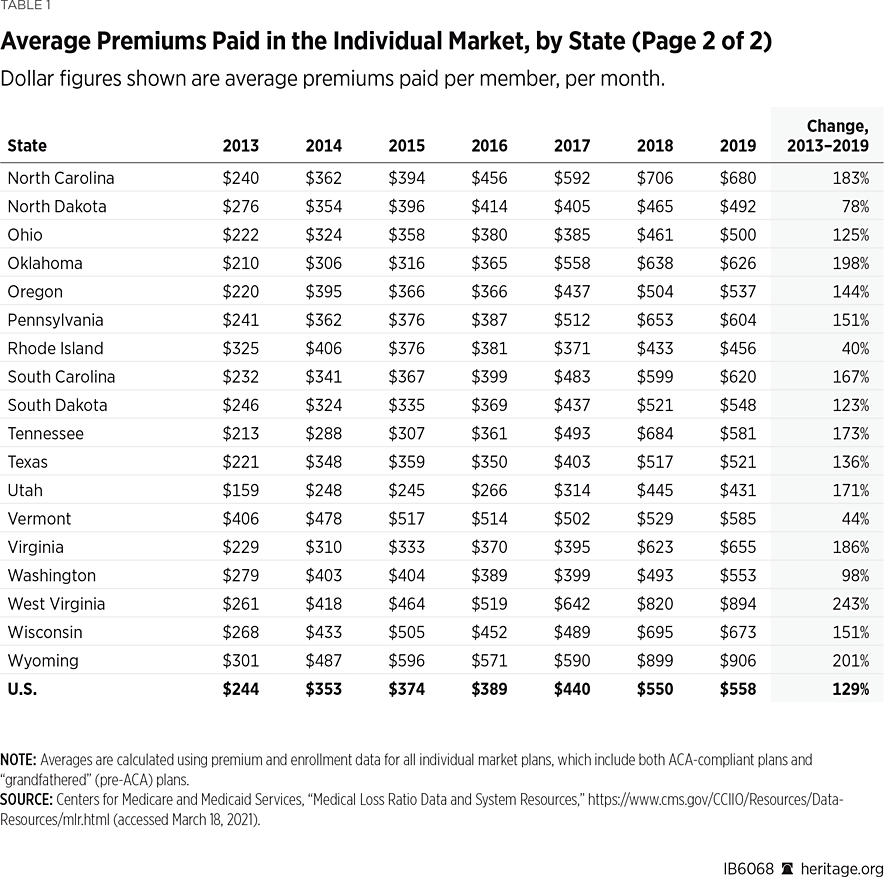
The core financial principle of the ACA is that no one should be priced out of essential health benefits due to income or health status. This means that while everyone seeking coverage on the Marketplace will face a premium, the actual amount paid can vary dramatically, and for many, it will be significantly reduced thanks to government assistance. For those not eligible for subsidies, the cost of an ACA plan is simply the full, unsubsidized premium charged by the insurance provider. The first step in understanding your potential cost is to recognize that “Obamacare” isn’t a single plan with a single price, but rather a system through which various private health insurance plans are offered, with personalized financial support available.
Key Factors Driving Your ACA Plan Costs
Determining your exact monthly premium for an ACA plan involves a personalized assessment of several critical factors. These elements interact to generate the final cost you see when you shop for plans on the Health Insurance Marketplace (e.g., Healthcare.gov or your state’s exchange).
Income, Household Size, and Eligibility for Subsidies
Perhaps the most significant determinant of your ACA costs is your household income relative to the federal poverty level (FPL) and your household size. The ACA offers Premium Tax Credits (PTCs) to eligible individuals and families, which directly reduce the amount you pay for your monthly premium. These credits are structured on a sliding scale: the lower your income (within a specific range, generally 100-400% FPL, though temporarily expanded), the larger the subsidy you receive.
Your Modified Adjusted Gross Income (MAGI) is the figure used to determine eligibility for these subsidies. It’s not just your take-home pay but includes various income sources, with certain deductions applied. For financial planning, accurately estimating your MAGI for the upcoming year is paramount. Any discrepancies between your estimated income and actual income can lead to adjustments in your tax credit when you file your federal income tax return, potentially resulting in owing money back or receiving a larger refund.
Age and Geographic Location
Your age plays a substantial role in premium calculation. Insurers are permitted to charge older individuals more than younger individuals, although the ACA caps this disparity. Generally, a 64-year-old could pay up to three times more for the same plan than a 21-year-old. This age banding directly affects the unsubsidized premium, and thus the starting point before any subsidies are applied.
Geographic location is another critical variable. Health insurance markets are local, meaning premiums can vary significantly by state, and even by county within a state. Factors contributing to these differences include the number of competing insurance companies in the area, the local cost of healthcare services, and the general health status of the population. Urban areas might have more competition leading to lower prices, or higher healthcare costs leading to higher premiums, depending on the specifics of the local market. Understanding the local insurance landscape is key to anticipating regional cost differences.
Plan Category (Metal Tiers) and Their Trade-offs
ACA plans are categorized into “metal tiers” – Bronze, Silver, Gold, and Platinum – each signifying a different actuarial value, which is the average percentage of healthcare costs the plan is expected to cover.
-
Bronze plans cover approximately 60% of costs, leaving 40% for the consumer. They have the lowest monthly premiums but the highest deductibles and out-of-pocket maximums. These are suitable for individuals who anticipate minimal healthcare needs and want protection against catastrophic events.
-
Silver plans cover approximately 70% of costs. They have moderate premiums and moderate deductibles. Crucially, Silver plans are the only plans eligible for Cost-Sharing Reductions (CSRs), making them highly advantageous for lower-income individuals.
-
Gold plans cover approximately 80% of costs. They have higher monthly premiums but lower deductibles and out-of-pocket maximums. These are often preferred by individuals who expect to use a fair amount of healthcare services.
-
Platinum plans cover approximately 90% of costs. They have the highest monthly premiums but the lowest deductibles and out-of-pocket maximums. These plans are designed for those who anticipate significant healthcare needs and want predictable, lower costs when accessing care.
The choice of metal tier involves a direct financial trade-off: lower monthly premiums typically mean higher out-of-pocket costs when you receive care, and vice-versa. Your personal health needs and financial risk tolerance should guide your decision here.
Maximizing Affordability: Understanding Financial Assistance
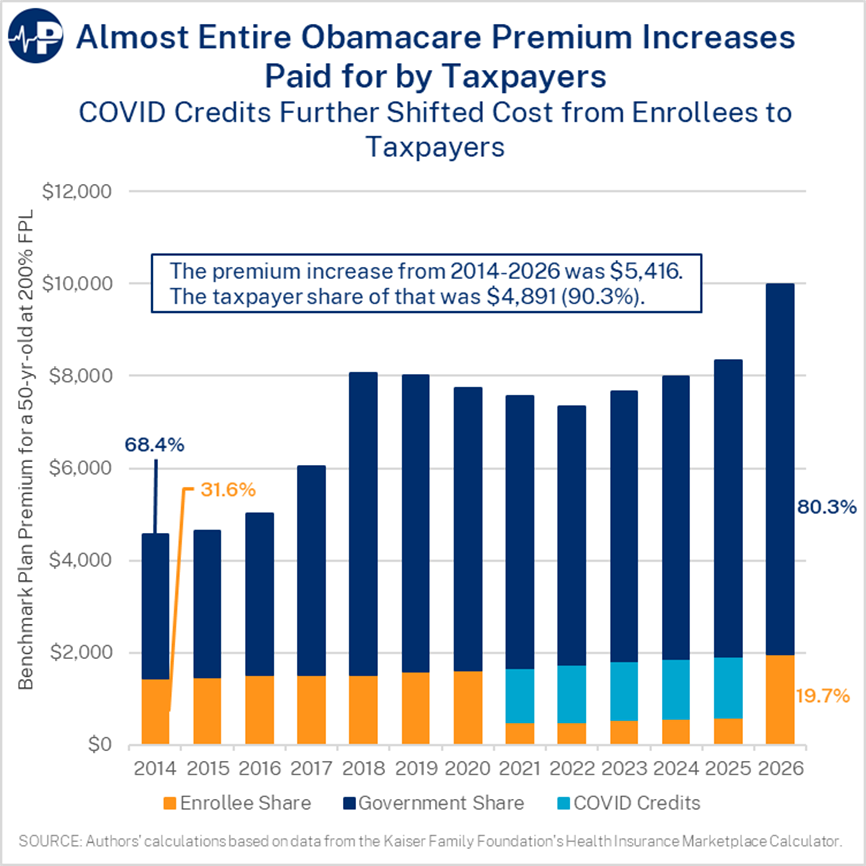
The ACA’s true power in making healthcare affordable lies in its comprehensive financial assistance programs. For many eligible enrollees, these subsidies can dramatically reduce the actual cost of “Obamacare” plans, making coverage accessible where it might otherwise be out of reach.

Premium Tax Credits (PTC)
Premium Tax Credits are the primary mechanism for reducing your monthly health insurance premiums. If your household income falls within certain percentages of the Federal Poverty Level (FPL) – historically between 100% and 400%, though temporarily expanded under the American Rescue Plan Act and extended by the Inflation Reduction Act to eliminate the “subsidy cliff” – you likely qualify for these credits. The credits are calculated based on a sliding scale, ensuring that premiums are capped at a certain percentage of your income for a benchmark Silver plan in your area.
These credits can be taken in advance, applied directly to your monthly premium payment, which significantly lowers your out-of-pocket premium each month. This is known as an Advance Premium Tax Credit (APTC). Alternatively, you can pay the full premium throughout the year and claim the entire credit when you file your federal tax return. Most people opt for APTCs to reduce their immediate financial burden. It’s vital to report any significant changes in income or household size to the Marketplace throughout the year, as this can affect your APTC eligibility and the amount you receive, preventing potential issues during tax reconciliation.
Cost-Sharing Reductions (CSRs)
In addition to Premium Tax Credits, some eligible individuals can benefit from Cost-Sharing Reductions (CSRs). Unlike PTCs, which lower your monthly premiums, CSRs reduce the amount you pay when you actually use healthcare services. This means lower deductibles, co-payments, co-insurance, and out-of-pocket maximums.
To qualify for CSRs, your household income must generally be between 100% and 250% of the FPL. Crucially, CSRs are only available if you enroll in a Silver-level plan. For eligible individuals, CSRs effectively transform a standard Silver plan into one with a higher actuarial value – akin to a Gold or even Platinum plan in terms of cost-sharing, but still with a Silver plan’s premium (which is further reduced by PTCs if you’re eligible). This makes Silver plans an exceptionally good value for those who qualify, offering comprehensive coverage with significantly reduced out-of-pocket expenses for care. It’s a key financial advantage to consider, especially if you anticipate needing regular medical services.
Beyond Premiums: Understanding Your Out-of-Pocket Costs
While the monthly premium is the most visible cost, it represents only one component of your overall healthcare expenditure under an ACA plan. Truly understanding the financial implications requires looking at the out-of-pocket costs you might incur when you receive medical care.
Deductibles
Your deductible is the amount of money you must pay out of pocket for covered healthcare services before your insurance plan begins to pay. For example, if your plan has a $3,000 deductible, you would typically pay the first $3,000 in covered medical expenses yourself before your insurer starts to contribute. Many plans, however, cover certain preventive services at 100% even before you meet your deductible. Higher deductible plans usually come with lower monthly premiums, and vice versa. It’s essential to budget for your deductible, especially if you anticipate needing significant medical care early in your plan year.
Co-payments and Co-insurance
Once you’ve met your deductible, you typically share the cost of care with your insurance company through co-payments and co-insurance.
-
Co-payment (Co-pay): A fixed amount you pay for a covered healthcare service after you’ve met your deductible. For instance, you might pay a $25 co-pay for a doctor’s visit or a $10 co-pay for a prescription, with your insurance covering the rest of the allowed amount.
-
Co-insurance: A percentage of the cost of a covered healthcare service you pay after you’ve met your deductible. For example, if your plan’s co-insurance is 20%, and the allowed cost of a service is $100, you would pay $20, and your insurer would pay $80.
These costs accumulate throughout the year, and their frequency depends on your healthcare utilization. Understanding these figures is crucial for budgeting for routine and unexpected medical expenses.
Out-of-Pocket Maximum
Every ACA-compliant plan includes an out-of-pocket maximum, which is a crucial financial safeguard. This is the absolute most you will have to pay for covered healthcare services in a calendar year, including deductibles, co-payments, and co-insurance. Once you reach this maximum, your insurance plan pays 100% of the cost for all covered essential health benefits for the remainder of the plan year. This cap protects you from financially devastating medical bills in the event of a serious illness or accident. When comparing plans, consider the out-of-pocket maximum as a critical measure of your worst-case financial scenario for healthcare expenses.
Navigating the Marketplace and Making Smart Financial Choices
Choosing an ACA plan involves more than just selecting the lowest premium. A comprehensive financial assessment requires careful consideration of all potential costs and benefits. Start by accurately estimating your household income and size to determine your eligibility for Premium Tax Credits and Cost-Sharing Reductions. Then, explore the different metal tiers – Bronze, Silver, Gold, Platinum – weighing the trade-offs between monthly premiums and potential out-of-pocket expenses based on your health status and anticipated medical needs.
The official Health Insurance Marketplace (Healthcare.gov, or your state’s exchange) provides tools to compare plans side-by-side, detailing premiums, deductibles, co-pays, co-insurance, and out-of-pocket maximums. Pay close attention to the network of doctors and hospitals to ensure your preferred providers are covered, which can impact your costs. If you qualify for Cost-Sharing Reductions, a Silver plan often represents the best financial value due to its enhanced benefits.
Enrollment periods typically occur annually, with Special Enrollment Periods available for qualifying life events such as marriage, birth of a child, or loss of other health coverage. Utilizing the resources available, such as navigators or certified brokers, can also provide valuable, personalized guidance at no additional cost, helping you make the most financially advantageous choice for your healthcare needs. Ultimately, the “cost for Obamacare” is a personal calculation, optimized by understanding the variables and leveraging the financial assistance available.
aViewFromTheCave is a participant in the Amazon Services LLC Associates Program, an affiliate advertising program designed to provide a means for sites to earn advertising fees by advertising and linking to Amazon.com. Amazon, the Amazon logo, AmazonSupply, and the AmazonSupply logo are trademarks of Amazon.com, Inc. or its affiliates. As an Amazon Associate we earn affiliate commissions from qualifying purchases.