
Navigating retirement finances often presents a complex puzzle, especially for those who wish to supplement their Social Security benefits with additional income. The desire to remain active, maintain a comfortable lifestyle, or simply boost savings often leads individuals to consider working part-time or pursuing new ventures even after claiming Social Security. However, the rules surrounding earnings while on Social Security can be intricate, potentially impacting the very benefits you receive. Understanding these regulations is paramount to making informed financial decisions that maximize your overall retirement income without unintended penalties. This article will delve into the specifics of Social Security’s earnings test, offering clarity on how much you can earn, when limits apply, and strategies to optimize your financial well-being during your retirement years.
Understanding Social Security’s Earnings Test
The Social Security Administration (SSA) implements an “earnings test” that can temporarily reduce your benefits if you earn above a certain threshold before reaching your full retirement age (FRA). This test is designed to ensure that benefits primarily support those who have fully retired or are significantly reducing their work hours. It’s a crucial aspect of financial planning for anyone considering working while collecting benefits.
The Basics of the Earnings Limit
The earnings test applies only if you are collecting Social Security retirement benefits and have not yet reached your full retirement age. Full retirement age varies based on your birth year; for most individuals today, it’s between 66 and 67. The SSA sets an annual earnings limit, and if your income from work exceeds this limit, a portion of your Social Security benefits will be withheld. It’s important to remember that this is not a permanent reduction; benefits withheld due to the earnings test are not lost forever but are factored into a recalculation of your benefit amount once you reach your FRA, leading to higher payments later.
Different Limits for Different Ages
The earnings limits vary depending on whether you are “under” full retirement age for the entire year, or “in the year you reach” full retirement age.
-
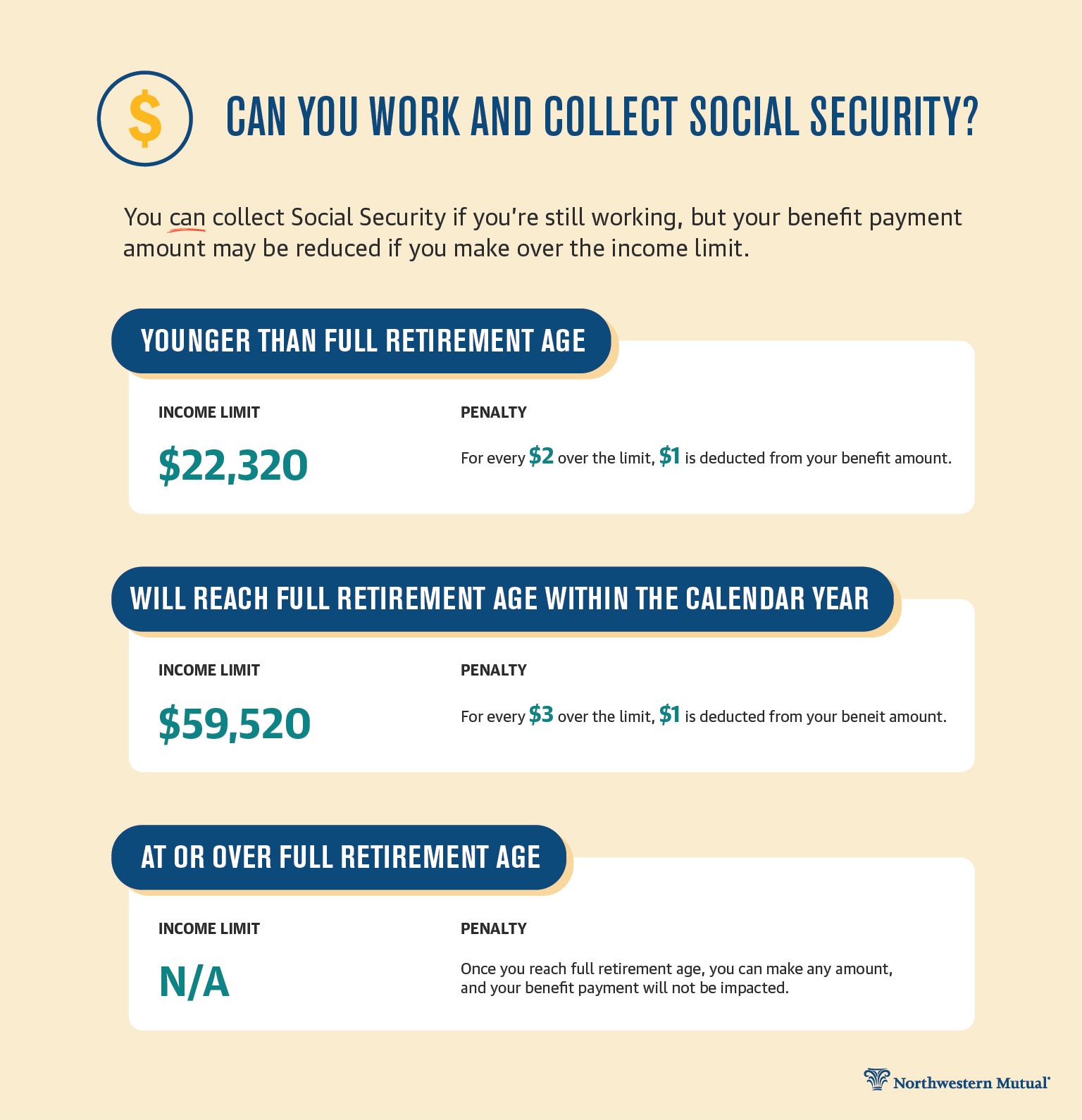
Under Full Retirement Age (for the entire year): For those who will not reach their FRA at any point during the current year, the earnings limit is lower. For every $2 you earn above this annual limit, $1 will be deducted from your Social Security benefits. This threshold is adjusted annually for inflation. For instance, if the limit is $22,320 (as it was in 2024), and you earn $24,320, you’ve exceeded the limit by $2,000. The SSA would then withhold $1,000 ($2,000 / 2) from your benefits over the year.
-
In the Year You Reach Full Retirement Age: A higher earnings limit applies during the calendar year in which you will attain your FRA, but only for the months before you actually reach that age. For every $3 you earn above this higher annual limit, $1 will be deducted from your benefits. Once you reach your FRA during that year, the earnings test no longer applies to your income for that month and all subsequent months. For example, if the limit is $59,520 (as it was in 2024), and you reach FRA in August, the earnings test only applies to income earned from January through July.
How Benefits Are Withheld
The SSA doesn’t necessarily send you a smaller check each month based on your earnings. Instead, they typically withhold entire checks until the total withheld amount equals the amount required by the earnings test. For instance, if $1,000 needs to be withheld and your monthly benefit is $500, they might withhold two full monthly checks. You are responsible for accurately reporting your estimated earnings to the SSA. If you overestimate and less needs to be withheld, they will send you any benefits due. If you underestimate, you might owe money back to the SSA.
Exemptions and What Counts as “Earnings”
It’s crucial to distinguish between different types of income. The earnings test only applies to “earned income”, which includes:
-
Wages: Money you earn from an employer for work performed.
-
Net earnings from self-employment: Your profits from running your own business or working as an independent contractor, after deducting business expenses.
Income sources that do NOT count towards the earnings limit include:
-
Pensions and annuities.
-
Investment income (e.g., dividends, interest, capital gains).
-
Rental income (unless you are a real estate professional actively managing properties).
-
Government or military retirement benefits.
-
Workers’ compensation or unemployment benefits.
This distinction is vital for strategic financial planning, as it opens avenues for earning income without triggering the Social Security earnings test.
Navigating Work and Benefits Before Full Retirement Age (FRA)
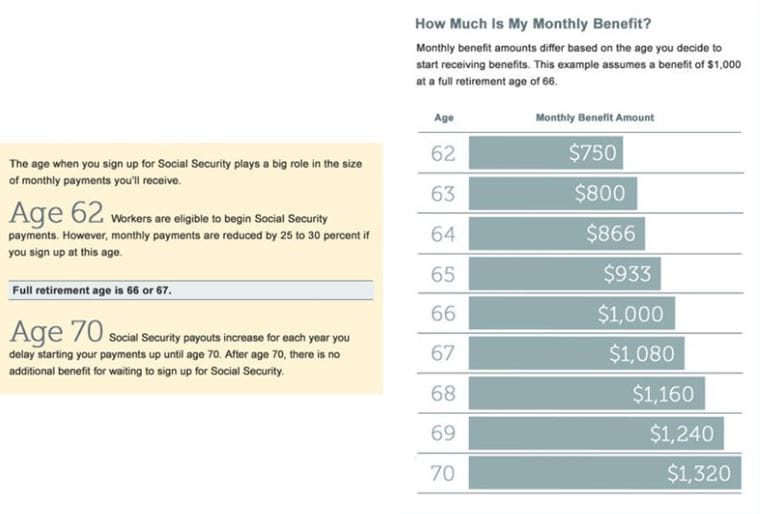
For many individuals, waiting until full retirement age to claim Social Security isn’t feasible or desirable. Starting benefits earlier, typically between ages 62 and FRA, comes with a permanent reduction in your monthly payment. Layering work income on top of these reduced benefits, while subject to the earnings test, requires careful consideration and strategic planning.
Strategic Earning and Benefit Claiming
The decision to work while receiving Social Security benefits before FRA involves a trade-off. While working can provide immediate financial relief or opportunities, exceeding the earnings limit means some of your Social Security benefits will be temporarily withheld. However, this isn’t necessarily a bad thing. When benefits are withheld due to the earnings test, the SSA recalculates your benefit amount at your FRA, giving you credit for the months you didn’t receive benefits. This results in a higher monthly benefit payment for the rest of your life, effectively recouping the withheld amount over time. Therefore, it’s not a penalty, but rather a deferral and recalculation of your benefits. This strategy can be particularly beneficial for those who expect to live a long life.
Calculating the Impact of Earnings
Understanding the exact impact requires knowing the current year’s earnings limit and your projected income. Let’s use an example: Suppose you are 64 years old, your FRA is 67, and your monthly Social Security benefit is $1,500. The earnings limit for those under FRA is $22,320. If you anticipate earning $30,000 in a year, you’ve exceeded the limit by $7,680 ($30,000 – $22,320). Since $1 is deducted for every $2 over the limit, the SSA would withhold $3,840 ($7,680 / 2) from your annual benefits. This equates to approximately 2.5 months of your Social Security payments ($3,840 / $1,500). While this might seem significant in the short term, remember that these withheld benefits contribute to a higher monthly payment once you reach your FRA.
The Benefit of Future Recoupment
The mechanism of having your benefit amount recalculated at FRA is often overlooked. For every month that Social Security benefits are withheld due to the earnings test, the SSA treats it as if you deferred claiming those benefits. This means that when you do reach your FRA, your ongoing monthly benefit amount will be adjusted upwards. The actuaries at the SSA calculate this adjustment to compensate for the benefits you “missed” due to working. In essence, the earnings test ensures that early filers who are still working are not simultaneously drawing full benefits intended for those who have largely exited the workforce, while still providing a long-term benefit adjustment for their delayed receipt.
Considering Part-Time Work and Flexible Gigs
To manage income effectively and minimize benefit withholding, many beneficiaries choose part-time work or engage in flexible gig economy jobs. These roles often allow for greater control over earnings, making it easier to stay below the annual limit if desired. For instance, taking on a few hours of consulting work, participating in a ride-sharing service, or pursuing hobbies that generate a modest income can supplement benefits without significantly impacting them. The key is to monitor your earnings throughout the year and adjust your work hours accordingly, or consciously decide that the higher future benefit is worth the temporary withholding.
Earning After Reaching Full Retirement Age (FRA)
A significant milestone in the Social Security journey is reaching your Full Retirement Age (FRA). This age, which varies from 66 to 67 depending on your birth year, marks a pivotal shift in how the Social Security Administration views your earnings. Understanding this transition is crucial for long-term financial planning.
The End of the Earnings Test
Once you reach your Full Retirement Age, the Social Security earnings test no longer applies. This is one of the most liberating aspects of reaching FRA for those who wish to continue working. Regardless of how much you earn, your Social Security benefits will not be reduced or withheld due to your employment income. You can work full-time, part-time, start a new business, or take on lucrative contracts – all while receiving your full, unreduced Social Security benefits. This freedom offers significant flexibility and opportunity for retirees who are healthy and capable of continuing in the workforce.
Maximizing Income Without Penalty
The removal of the earnings limit at FRA provides a strong incentive for those who might have previously limited their work hours to avoid benefit reductions. Now, you have the ability to maximize your income without any direct penalty to your Social Security checks. This can be a game-changer for enhancing your retirement lifestyle, increasing your savings, paying off debt, or even funding new adventures. For many, continuing to work past FRA not only provides financial benefits but also contributes to mental and social well-being, offering a sense of purpose and connection. It allows for true financial independence, where Social Security acts as a stable base, and work income serves as an unrestrained enhancer.
Impact on Taxation of Benefits
While the earnings test ends at FRA, it’s important to remember that higher income, regardless of its source, can still impact the taxation of your Social Security benefits. If your “combined income” (which includes your adjusted gross income, tax-exempt interest, and one-half of your Social Security benefits) exceeds certain thresholds, a portion of your Social Security benefits may become taxable at the federal level. For single filers, thresholds are typically $25,000 to $34,000 for 50% taxation, and above $34,000 for 85% taxation. For those filing jointly, these thresholds are $32,000 to $44,000 for 50% taxation, and above $44,000 for 85% taxation. State taxes on Social Security benefits also vary. Therefore, while you can earn unlimited amounts without losing benefits, higher earnings might lead to a larger portion of your Social Security income being subject to federal (and potentially state) income tax. This highlights the importance of comprehensive tax planning in conjunction with your earning strategy.
Income-Generating Strategies for Social Security Beneficiaries
For those receiving Social Security benefits, whether before or after full retirement age, the goal is often to supplement income effectively. The key lies in understanding the rules and choosing strategies that align with your financial goals and personal preferences.
Low-Impact Earning Opportunities
These are roles that offer flexibility and often allow you to control your hours, making them ideal for managing earnings limits or simply providing a comfortable pace.
-
Freelancing/Consulting: Leveraging professional skills from your career in a consulting capacity or offering freelance services (writing, editing, graphic design, web development) can be highly lucrative and flexible. You set your rates and choose your projects, making it easier to manage your income below the earnings limit if desired, or scale up significantly after FRA.
-
Gig Economy Work: Platforms like Uber, Lyft, DoorDash, or Instacart offer immediate earning potential with maximum flexibility. You work when you want, for as long as you want, giving you granular control over your monthly income. Task-based apps like TaskRabbit also fall into this category, offering services from handyman work to administrative support.
-
Part-time Employment: Many companies value experienced workers and offer part-time roles specifically designed for retirees. This could range from retail positions with reduced hours to administrative support, tutoring, or customer service roles, often with benefits or discounts.
-
Online Ventures: Starting a blog, developing an e-commerce store (e.g., Etsy, Shopify), becoming a virtual assistant, or teaching online courses (e.g., Teachable, Udemy) can generate income from home, often with scalable potential that can grow significantly after FRA.
Passive Income Streams
Passive income is particularly attractive because it generally does not count toward the Social Security earnings test, regardless of your age. This means you can earn unlimited amounts from these sources without affecting your benefits.
-
Rental Property Income: If you own rental properties and are not actively involved in their daily management as a real estate professional (e.g., hiring a property manager), the income is typically considered passive and not subject to the earnings test.
-
Investment Dividends and Interest: Income generated from stocks, bonds, mutual funds, certificates of deposit (CDs), and savings accounts are forms of investment income and do not count towards the earnings limit.
-
Royalties: Income from books, music, patents, or mineral rights is generally considered passive income and is exempt from the earnings test.
Maximizing Financial Tools and Resources
Effective management of your finances while on Social Security requires utilizing available tools and expertise.
-
Financial Planners Specializing in Retirement: A Certified Financial Planner (CFP) who understands Social Security rules can help you create a comprehensive retirement income strategy that integrates your benefits, work income, and other assets. They can project the long-term impact of various earning scenarios.
-
SSA’s Online Tools and Calculators: The Social Security Administration’s website (SSA.gov) offers calculators that can help you estimate your future benefits, understand the impact of earnings, and manage your account.
-
Tax Planning Resources: Given the potential for Social Security benefits to be taxed at higher income levels, consulting a tax professional is invaluable. They can advise on strategies to minimize your tax liability, especially if you plan to have significant earnings.
Long-Term Financial Planning and Social Security
Integrating Social Security benefits with potential earnings and other retirement assets requires a holistic and forward-looking approach. It’s not just about what you earn today, but how those earnings fit into your entire financial picture for the coming decades.
Holistic Retirement Planning
Your Social Security benefits are likely just one pillar of your retirement income strategy. It’s crucial to view them in conjunction with other sources, such as 401(k)s, IRAs, pensions, personal savings, and any other investments. A comprehensive retirement plan considers how these different income streams interact, especially regarding taxation and withdrawal strategies. For instance, strategically drawing down from tax-deferred accounts versus taxable accounts can influence your combined income and, consequently, the taxation of your Social Security benefits. Earning additional income, particularly after FRA, can serve to delay drawing down from these other accounts, allowing them more time to grow and potentially extending the longevity of your overall retirement portfolio.
The Importance of Professional Advice
Given the complexities of Social Security rules, tax implications, and investment strategies, relying on professional guidance is highly recommended. A qualified financial advisor can help you:
-
Model various earning scenarios: Illustrating how different levels of income before and after FRA impact your benefits and overall financial health.
-
Optimize claiming strategies: Advising on the best age to claim Social Security benefits based on your health, financial needs, and desired work patterns.
-
Develop a tax-efficient withdrawal strategy: Minimizing the tax burden on your combined income sources, including Social Security.
-
Integrate other assets: Ensuring your investment portfolio, savings, and other income sources work harmoniously with your Social Security benefits.
Tax professionals are equally important for navigating the intricacies of federal and state income taxes on your Social Security benefits, especially as your total income increases from work or investments.
Staying Informed on Policy Changes
Social Security regulations are not set in stone. While major overhauls are rare, periodic adjustments to earnings limits, cost-of-living adjustments (COLAs), and potential future legislative changes can impact beneficiaries. It is prudent for individuals to stay informed about any proposed or enacted changes to Social Security policy. Regularly checking the SSA website, subscribing to financial news updates, and maintaining communication with a financial advisor can help you adapt your plans to any new developments, ensuring your long-term financial strategy remains robust and compliant. Proactive engagement with policy updates allows for timely adjustments to earning strategies or retirement plans.
Conclusion
Understanding “how much can make while on Social Security” is a cornerstone of intelligent retirement planning. While the earnings test can seem daunting, it’s a mechanism designed to adjust benefits temporarily, not permanently punish work. For those before Full Retirement Age, strategic earning involves weighing immediate income against future benefit adjustments. Once FRA is reached, the freedom to earn without benefit reduction opens significant opportunities for financial enhancement.
Ultimately, your ability to earn while on Social Security is highly flexible, whether through flexible part-time roles, leveraging the gig economy, or establishing passive income streams. By grasping the nuances of the earnings test, planning for tax implications, and integrating these elements into a holistic financial strategy, you can confidently navigate your retirement years, ensuring both financial stability and the freedom to pursue your desired lifestyle. Always remember to consult with the Social Security Administration directly and seek advice from qualified financial and tax professionals to tailor these strategies to your unique circumstances.
aViewFromTheCave is a participant in the Amazon Services LLC Associates Program, an affiliate advertising program designed to provide a means for sites to earn advertising fees by advertising and linking to Amazon.com. Amazon, the Amazon logo, AmazonSupply, and the AmazonSupply logo are trademarks of Amazon.com, Inc. or its affiliates. As an Amazon Associate we earn affiliate commissions from qualifying purchases.