
Understanding the caloric content of the food we consume is a foundational pillar of effective dietary management, whether the goal is weight loss, muscle gain, or simply maintaining a healthy lifestyle. For decades, this process was a cumbersome task, reliant on painstaking manual logging, deciphering often-vague food labels, or making educated guesses. However, in the 21st century, technology has revolutionized how we approach nutritional tracking, transforming it from a chore into an insightful, data-driven endeavor. This article delves into the technological innovations that empower individuals to accurately calculate calories in food, offering a comprehensive guide to the apps, gadgets, and AI tools that have become indispensable allies in our pursuit of dietary precision.
The Evolution of Calorie Tracking: From Manual Logs to Digital Solutions
The journey of calorie tracking mirrors the broader evolution of personal data management. What began as rudimentary attempts has blossomed into a sophisticated ecosystem driven by advanced algorithms and interconnected devices.
The Limitations of Traditional Methods
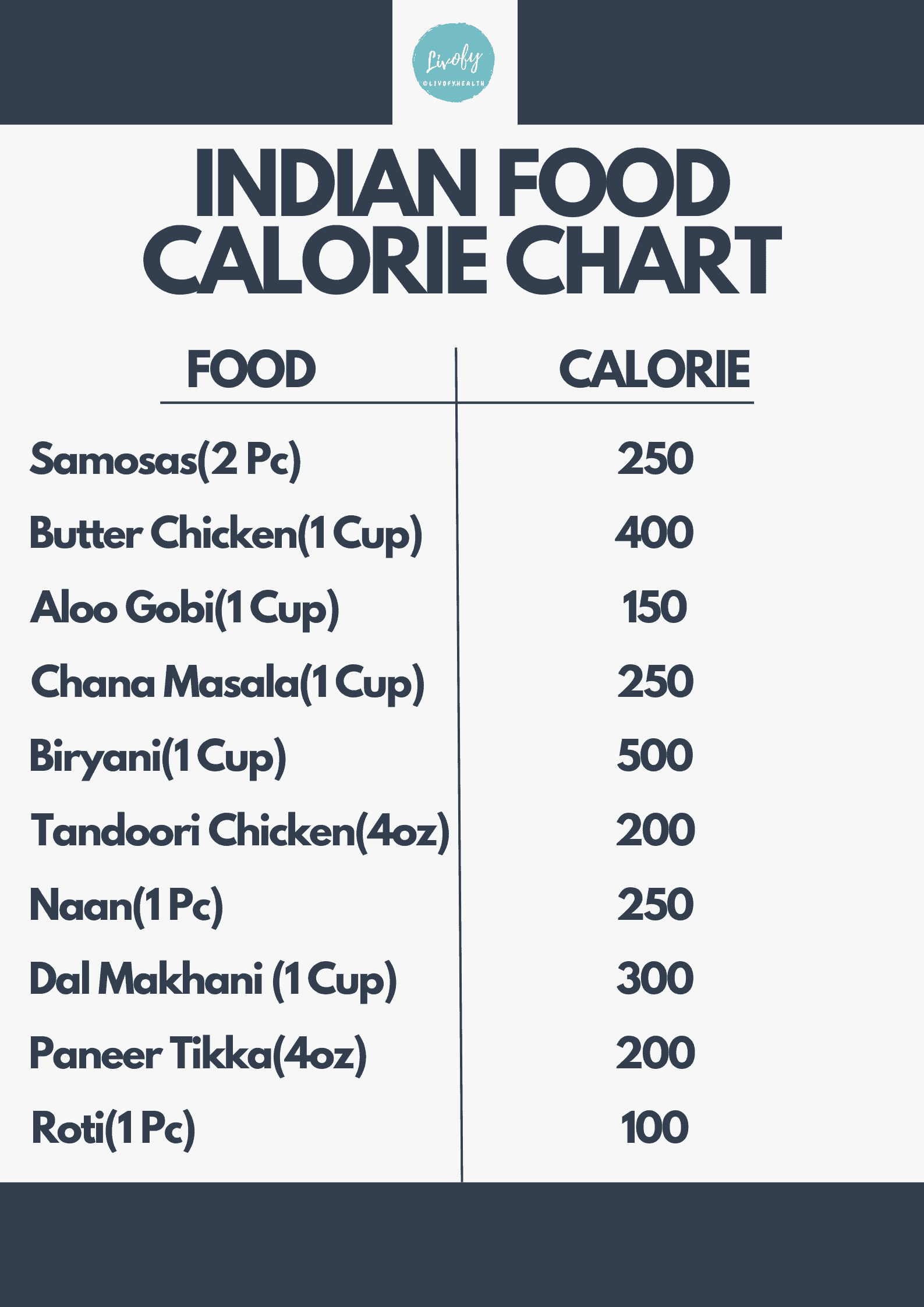
Historically, calculating calories was an exercise in patience and estimation. Individuals would often rely on printed food guides, meticulously weigh ingredients using analog scales, and then manually tally figures in notebooks or spreadsheets. While diligent, these methods were fraught with limitations. Inaccuracies were common due to human error in measurement or transcription, the sheer time investment required was often prohibitive, and accessing a comprehensive database of nutritional information for every ingredient or dish was a constant challenge. Food labels, while mandatory, often provide broad ranges rather than precise figures, especially for homemade meals or restaurant dishes, further complicating accurate tracking.
The Dawn of Digital Assistance
The advent of personal computers and the internet marked a pivotal shift. Early digital tools, such as simple desktop software or online calorie counters, began to consolidate nutritional databases, making information more accessible. Users could input ingredients and quantities, and the software would perform the calculations, reducing mathematical errors and saving time. While still requiring manual data entry, these early digital solutions laid the groundwork for the expansive, intuitive platforms we use today, demonstrating the profound potential of technology to streamline and enhance nutritional management.
Essential Tech Tools for Calorie Calculation
Today’s landscape of calorie calculation is dominated by a diverse array of technological solutions, each offering unique features and levels of sophistication. These tools range from ubiquitous mobile applications to cutting-edge smart kitchen devices and AI-powered platforms.
Mobile Applications: Your Pocket Nutritionist
Mobile applications stand at the forefront of modern calorie tracking. They have democratized access to vast nutritional databases and sophisticated tracking functionalities, effectively putting a personal nutritionist in every user’s pocket.
-
Barcode Scanning and Extensive Food Databases: Apps like MyFitnessPal, LoseIt!, Cronometer, and Yazio boast impressive databases containing millions of food items. A key feature is barcode scanning, which allows users to instantly log packaged foods with precise nutritional data by simply scanning the product’s barcode with their smartphone camera. For fresh produce or restaurant meals, manual search functions, often powered by predictive text and location-based suggestions, make data entry remarkably efficient.
-
Recipe Analysis and Meal Logging: Beyond individual ingredients, these apps enable users to input full recipes, calculating the total caloric and macronutrient breakdown per serving. This is invaluable for home cooks or those preparing batch meals. The meal logging feature allows for a quick and intuitive way to record consumption throughout the day, often with graphical representations of calorie intake versus daily goals.
-
Macro Tracking and Micronutrient Insights: For users with specific dietary goals (e.g., ketogenic, high-protein), many apps offer detailed macronutrient tracking (carbohydrates, protein, fats). Advanced applications also delve into micronutrients, providing insights into vitamin and mineral intake, helping users identify potential deficiencies or excesses.
-
AI Integration for Personalized Recommendations: The latest generation of calorie-tracking apps increasingly integrates artificial intelligence. AI algorithms can analyze a user’s logged data, activity levels, and stated goals to offer personalized dietary recommendations, suggest healthier food swaps, and even predict potential plateaus or suggest adjustments to maintain progress. Some advanced AI tools can even analyze photos of meals to estimate portion sizes and nutritional content, dramatically simplifying the logging process.
Smart Kitchen Gadgets and Wearables
Beyond smartphones, a growing ecosystem of smart devices further enhances the precision and convenience of calorie calculation. These gadgets integrate seamlessly with mobile apps, creating a holistic view of an individual’s diet and activity.
-
Smart Nutrition Scales: These digital scales go beyond mere weight measurement. When connected to a companion app, they can accurately weigh ingredients and then, based on the selected food item from the app’s database, instantly calculate its caloric and macronutrient content. This eliminates guesswork and manual conversions, providing precise data for every component of a meal. Some even have features to analyze entire dishes.
-
Smart Ovens and Cookers with Recipe Integration: The burgeoning smart home trend includes kitchen appliances that can download recipes and automatically adjust cooking parameters. Some advanced models can track ingredients used in a recipe and integrate with nutrition apps to log the meal’s nutritional information, blurring the lines between cooking and tracking.
-
Integration with Wearables: While not directly calculating food calories, fitness wearables like Fitbit, Apple Watch, and Garmin devices play a crucial role by tracking activity levels, heart rate, and sleep. This data is then often synchronized with calorie-tracking apps, allowing for a more accurate calculation of net calories (calories consumed minus calories burned), providing a comprehensive picture of energy balance. This integrated approach offers a personalized calorie budget that adjusts dynamically based on daily activity.
Online Databases and AI-Powered Platforms
For researchers, health professionals, or those seeking raw data, robust online databases provide a foundation for nutritional analysis. AI is now taking these databases a step further, offering analytical capabilities previously unavailable.
-
USDA FoodData Central and Open Food Facts: These extensive public databases offer detailed nutritional information for thousands of food items, including raw ingredients, processed foods, and common dishes. They serve as a reliable source for developing nutrition apps and for individuals seeking detailed, verified information.
-
AI Tools for Recipe Analysis and Beyond: Specialized AI platforms can analyze complex recipes, breaking down ingredients and calculating nutritional values. Some can even process natural language queries or analyze images of food to provide estimated calorie counts, though accuracy is still evolving. The potential for AI to quickly dissect intricate meal compositions, suggest healthier alternatives, and even assess the glycemic load of a meal represents a significant leap forward in personalized nutrition.

Mastering Calorie Calculation with Technology: Tips and Best Practices
While technology simplifies calorie calculation, its effectiveness hinges on how users interact with it. Maximizing precision and gaining meaningful insights requires adherence to certain best practices.
Accurate Data Entry and Verification
The principle of “garbage in, garbage out” holds especially true for calorie tracking. Users must prioritize accurate data entry to ensure reliable results.
-
Precise Measurements: Always measure ingredients using cups, spoons, or, ideally, a digital kitchen scale. Eyeballing portions is a common source of error.
-
Selecting Correct Food Items: When searching in an app’s database, be meticulous in selecting the exact food item. A “medium apple” can vary significantly from a “large Fuji apple.” Pay attention to preparation methods (e.g., raw chicken breast vs. fried chicken breast).
-
Cross-referencing Information: For packaged foods, compare the app’s data with the product’s nutrition label to ensure consistency. For homemade recipes, consider using multiple sources for individual ingredients if you’re unsure.
Leveraging AI for Smarter Insights
AI is not just for calculation; it’s for personalization and foresight. Engaging with AI features in your tracking tools can dramatically enhance your dietary journey.
-
Personalized Goal Setting: Allow AI algorithms to suggest realistic calorie and macronutrient targets based on your unique profile, activity, and progress.
-
Trend Analysis and Predictive Modeling: Utilize AI to identify patterns in your eating habits, predict weight fluctuations, or flag potential nutritional imbalances before they become significant issues.
-
Tailored Dietary Advice: Pay attention to AI-generated suggestions for food swaps, recipe modifications, or meal timing that align with your health objectives.
Data Synchronization and Ecosystem Integration
The true power of modern tracking lies in the interconnectedness of various devices and platforms.
-
Seamless Integration: Ensure your chosen calorie-tracking app synchronizes effortlessly with your smart scale, fitness tracker, and any other relevant health apps. This creates a unified data stream, providing a comprehensive and accurate overview of your energy balance.
-
Holistic View: By connecting all your data points, you gain a 360-degree perspective on how your diet, exercise, sleep, and overall lifestyle impact your nutritional goals. This synergy is key to making informed decisions and sustaining long-term health improvements.
The Future of Food Technology and Calorie Precision
The current technological advancements are merely a prelude to what promises to be an even more sophisticated future in food analysis and personalized nutrition.
Advanced Sensors and Real-time Analysis
Imagine a future where portable devices can instantly scan a plate of food, providing an on-the-spot, real-time breakdown of its caloric and nutritional content. Companies are already developing handheld spectrometers and advanced imaging techniques that could make this a reality, moving beyond barcode scanning to actual chemical composition analysis. These devices could offer unparalleled accuracy, especially for complex or mixed meals.
Hyper-Personalized Nutrition with AI and Genomics
The integration of artificial intelligence with individual genomic data and microbiome analysis will usher in an era of hyper-personalized nutrition. AI will be able to recommend diets not just based on caloric goals, but on how your unique genetic makeup and gut bacteria interact with specific foods. This level of precision could optimize everything from nutrient absorption to disease prevention, truly tailoring dietary advice to the individual at a molecular level.
Augmented Reality and Gamification
Augmented reality (AR) could transform the way we interact with food. Imagine pointing your phone at a meal and seeing an AR overlay displaying its nutritional content, suggesting portion adjustments, or even highlighting allergenic ingredients. Gamification elements, already present in many fitness apps, will become more sophisticated, using AR and AI to create engaging challenges and rewards that motivate users to maintain healthy eating habits, making calorie calculation an interactive and enjoyable experience.
In conclusion, calculating calories in food has undergone a profound transformation, evolving from a laborious manual process to an intelligent, integrated digital experience. Technology—through mobile apps, smart devices, and advanced AI—has not only simplified the act of tracking but has also unlocked unprecedented levels of precision, personalization, and insight. As these technologies continue to advance, the future promises even more sophisticated and seamless ways to understand and manage our nutritional intake, empowering individuals to take greater control over their health and well-being. The days of guesswork are rapidly becoming a distant memory, replaced by an era of data-driven dietary empowerment.
aViewFromTheCave is a participant in the Amazon Services LLC Associates Program, an affiliate advertising program designed to provide a means for sites to earn advertising fees by advertising and linking to Amazon.com. Amazon, the Amazon logo, AmazonSupply, and the AmazonSupply logo are trademarks of Amazon.com, Inc. or its affiliates. As an Amazon Associate we earn affiliate commissions from qualifying purchases.