
The Affordable Care Act (ACA), often known as Obamacare, stands as a landmark piece of legislation designed to make health insurance more accessible and affordable for millions of Americans. Far from being a mere political talking point, the ACA has profoundly reshaped the landscape of personal finance, intertwining healthcare costs with household budgets, investment strategies, and long-term financial planning. Understanding “how to get Obamacare” is, at its core, understanding how to strategically manage a significant aspect of your financial well-being: health insurance. This guide will delve into the financial mechanics of the ACA, empowering you to navigate the enrollment process, leverage available subsidies, and integrate healthcare costs into your overall financial strategy.
Understanding the Affordable Care Act (ACA) and Its Financial Foundations
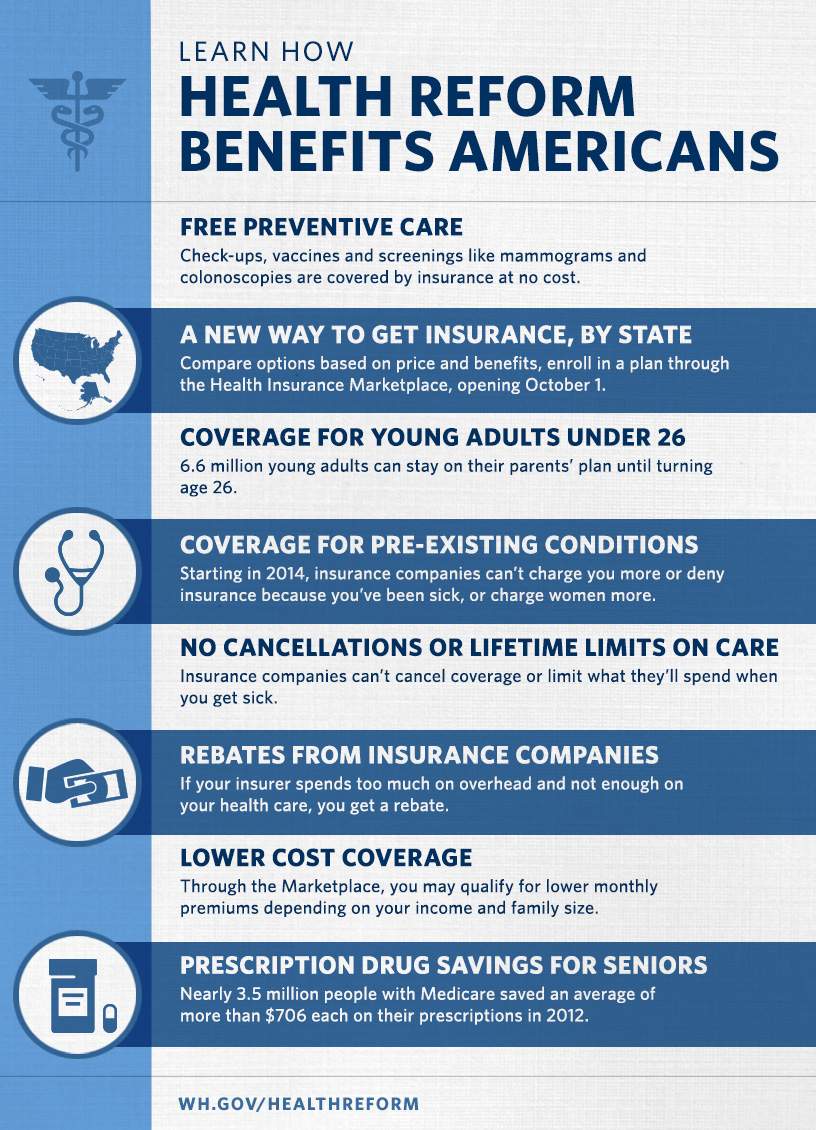
The ACA was enacted with a clear objective: to expand health insurance coverage, control healthcare costs, and protect consumers from discriminatory practices by insurance companies. For the individual and family, its impact is primarily felt through changes in health insurance markets and access to financial assistance.
The Core Purpose: Expanding Access and Affordability
Before the ACA, many Americans faced barriers to obtaining health insurance due to pre-existing conditions, high costs, or a lack of employer-sponsored options. The law sought to address these issues by creating new pathways to coverage and introducing financial support mechanisms. This wasn’t just about healthcare; it was about preventing medical debt, enabling financial stability, and providing a safety net that could protect assets from catastrophic health events. The financial implications are undeniable: greater access to affordable care reduces the risk of financial ruin due to illness, allowing individuals to better plan for retirement, education, and other life goals without the constant specter of exorbitant medical bills.
Key Components and Their Financial Implications
Several core components of the ACA directly impact your financial decisions and opportunities:
-
The Health Insurance Marketplace (Exchange): This online platform allows individuals and small businesses to compare and purchase health insurance plans. Critically, it’s the gateway to financial assistance, making plan selection a crucial financial decision.
-
Premium Tax Credits (Subsidies): These are advanceable, refundable tax credits designed to lower monthly premium costs for eligible individuals and families based on income. They are perhaps the most significant financial benefit of the ACA for many households.
-
Cost-Sharing Reductions (CSRs): Available to those with lower incomes, CSRs reduce out-of-pocket expenses like deductibles, co-payments, and co-insurance, offering another layer of financial relief.
-
Essential Health Benefits (EHBs): All plans offered on the Marketplace must cover a comprehensive set of benefits, ensuring consumers receive value for their money and are not caught off guard by uncovered services. This standardizes what you get for your premium.
-
No Denials for Pre-existing Conditions: This provision prevents insurance companies from denying coverage or charging more based on health status, a fundamental protection that ensures financial access to care for vulnerable populations.
Each of these components plays a role in defining the financial landscape of healthcare under the ACA, turning the “how to get” question into a “how to financially optimize” question.
The Financial Pathway to Enrollment: Exploring the Health Insurance Marketplace
The primary method for “getting Obamacare” as an individual is through the Health Insurance Marketplace, accessible via HealthCare.gov (or state-specific exchanges). This platform is more than just a shopping portal; it’s a critical financial tool for accessing subsidized health coverage.
Who is Eligible to Enroll and Why It Matters for Your Wallet
Generally, U.S. citizens, nationals, or lawfully present immigrants who are not incarcerated and do not have access to affordable, employer-sponsored health coverage (or other qualifying coverage like Medicare/Medicaid) are eligible to use the Marketplace. The key financial consideration here is income. Your household income relative to the Federal Poverty Level (FPL) determines your eligibility for premium tax credits and cost-sharing reductions. For those just above the Medicaid threshold but below certain FPL percentages (e.g., 400% FPL, though temporarily expanded), the Marketplace becomes an indispensable resource for financially manageable health insurance. Accurately reporting your income is paramount, as it directly impacts the amount of financial assistance you receive and potential tax reconciliation later.
The Enrollment Process: Steps to Financial Clarity
Enrolling in a Marketplace plan involves several steps, each with financial implications:
-
Gather Financial Documents: Before you start, collect income information (W-2s, pay stubs, tax returns), social security numbers, and any current health insurance policy information. These documents are vital for an accurate eligibility determination for subsidies.
-
Create an Account: Set up an account on HealthCare.gov or your state’s exchange.
-
Complete the Application: Provide details about your household size, income, and other relevant information. This is where your financial data is assessed against eligibility criteria for subsidies. Be precise, as errors can lead to incorrect subsidy amounts.
-
Compare Plans: Once your eligibility for financial assistance is determined, you’ll see a range of plans categorized by metal tiers (Bronze, Silver, Gold, Platinum). Each tier represents a different cost-sharing structure, impacting your monthly premiums versus out-of-pocket costs.
-
Bronze plans have lower premiums but higher deductibles/out-of-pocket limits.
-
Silver plans have moderate premiums and deductibles, and are the only plans eligible for Cost-Sharing Reductions.
-
Gold and Platinum plans have higher premiums but lower deductibles/out-of-pocket limits.
Carefully weigh these options against your budget and anticipated healthcare needs.
-
-
Select a Plan and Enroll: Choose the plan that best aligns with your financial capacity and health requirements. Understand the network of providers and prescription drug coverage to avoid unexpected costs.
-
Pay Your First Premium: Your coverage typically begins after the first premium payment is successfully processed.
Open Enrollment vs. Special Enrollment Periods: Timing Your Financial Decision
The primary window to “get Obamacare” is during the annual Open Enrollment Period, typically from November 1st to January 15th for coverage beginning the following year. Missing this period means you generally cannot enroll unless you qualify for a Special Enrollment Period (SEP). SEPs are triggered by specific life events, many of which have significant financial ramifications:
-
Loss of other health coverage: Losing a job, divorce, or aging off a parent’s plan.
-
Changes in household: Marriage, birth of a child, adoption.
-
Changes in residence: Moving to a new state or area where new plans are available.
-
Significant income changes: Losing income or gaining income that affects subsidy eligibility.
Understanding these periods is crucial for maintaining continuous, financially viable coverage and avoiding gaps that could lead to medical debt.
Decoding Financial Assistance: Subsidies and Cost-Sharing Reductions
The most direct financial benefit of the ACA for many consumers comes through its robust system of subsidies. These mechanisms are designed to make health insurance genuinely affordable, preventing a large portion of your income from being consumed by premiums or medical bills.
Premium Tax Credits: Reducing Your Monthly Health Insurance Bill
Premium Tax Credits (PTCs) are at the heart of the ACA’s affordability provisions. They function as a government contribution towards your monthly health insurance premium. Eligibility is primarily based on your household income relative to the Federal Poverty Level (FPL) and your household size. While historically capped at 400% FPL, temporary enhancements have expanded eligibility, ensuring that most people pay no more than 8.5% of their household income for the benchmark Silver plan. You can choose to receive these credits in advance, directly applied to your monthly premium payment, or claim them when you file your federal income taxes. Electing the advance payment option is critical for managing monthly cash flow, but it requires accurately estimating your income for the upcoming year to avoid owing money back at tax time or missing out on additional credits.
Cost-Sharing Reductions (CSRs): Lowering Out-of-Pocket Expenses
Beyond premium assistance, some individuals and families may qualify for Cost-Sharing Reductions (CSRs). These are distinct from premium tax credits and work by reducing the amount you have to pay for deductibles, co-payments, and co-insurance when you receive medical care. CSRs are only available if you enroll in a Silver-level plan and your household income falls between 100% and 250% of the FPL. For those eligible, a Silver plan with CSRs effectively becomes a “super Silver” plan, offering significantly better out-of-pocket protection than a standard Silver plan, often comparable to a Gold or even Platinum plan, but at a Silver plan’s premium (which can also be offset by PTCs). This makes Silver plans with CSRs an exceptionally strong financial value for eligible individuals, drastically lowering the financial risk associated with using healthcare services.
Income Thresholds and Eligibility for Financial Aid: A Critical Financial Check
The financial assistance available through the ACA is directly tied to your Modified Adjusted Gross Income (MAGI) and household size. Understanding these thresholds is vital for determining what you’ll pay:
-
Medicaid Expansion: For states that have expanded Medicaid, individuals and families with incomes below 138% of the FPL generally qualify for Medicaid, which typically has very low or no premiums and out-of-pocket costs. This is often the most financially advantageous option for those who qualify.
-
Premium Tax Credits: Generally available for incomes between 100% and 400% of the FPL (temporarily expanded beyond 400%). The amount of the credit is inversely related to income – the lower your income, the higher your credit.
-
Cost-Sharing Reductions: Available for incomes between 100% and 250% of the FPL, but only with a Silver plan.
Regularly reviewing your income and updating your Marketplace application is crucial, especially if your financial situation changes throughout the year. This proactive approach helps ensure you receive the correct amount of financial aid and avoid surprises when filing taxes.
Beyond Enrollment: Managing Your ACA Plan and Healthcare Finances
Securing an ACA plan is just the first step. Effective financial management requires understanding your plan’s structure, budgeting for ongoing costs, and leveraging financial tools to maximize your healthcare dollar.
Budgeting for Premiums, Deductibles, and Co-pays: A Personal Finance Imperative
Integrating healthcare costs into your personal budget is essential. Your monthly premium is a fixed cost, but deductibles, co-pays, and co-insurance are variable.
-
Premiums: Plan for this regular expense. If you receive advance premium tax credits, your out-of-pocket premium will be lower.
-
Deductibles: This is the amount you must pay out-of-pocket for covered services before your insurance plan starts to pay. High-deductible plans (often Bronze) have lower premiums but require a larger financial buffer for initial care.
-
Co-pays: Fixed amounts you pay for specific services, like doctor visits or prescription drugs, after meeting your deductible (or sometimes before).
-
Co-insurance: A percentage of the cost of a covered service you pay after you’ve met your deductible.
-
Out-of-Pocket Maximum: This is the most you will pay for covered services in a plan year. Once you hit this limit, your plan pays 100% for covered benefits. This figure is a critical financial safety net.
Create an emergency fund specifically for healthcare costs, especially if you choose a high-deductible plan. Understanding these terms allows you to anticipate and budget for potential medical expenses, preventing unexpected financial strain.
Understanding Your Summary of Benefits and Coverage (SBC): Maximizing Value for Money
Every health insurance plan on the Marketplace is required to provide a Summary of Benefits and Coverage (SBC). This standardized document outlines what the plan covers, what it costs, and key details in plain language. Reviewing the SBC is a critical financial due diligence step. It helps you:
-
Compare plans Apples-to-Apples: The uniform format makes it easier to contrast different plans’ financial structures.
-
Identify covered services: Ensure services you anticipate needing (e.g., specialist visits, physical therapy, mental health care) are covered.
-
Understand limitations and exceptions: Be aware of services not covered or those with specific limits to avoid financial surprises.
-
Find out-of-pocket costs: Clearly see deductibles, co-pays, and co-insurance for common services.
An informed decision based on the SBC ensures you’re getting the best value for your healthcare dollars, aligning your coverage with your financial capacity and health needs.
Tax Implications of ACA Subsidies: What You Need to Know Annually
Receiving advance premium tax credits requires careful attention come tax season. When you apply for coverage, you estimate your household income for the upcoming year. If your actual income at the end of the year differs significantly from your estimate, you may need to reconcile the difference:
-
If your income was higher than estimated: You might have received too much in advance tax credits and could owe some back.
-
If your income was lower than estimated: You might be eligible for an additional refund when you file your taxes.
-
If you didn’t take advance credits but were eligible: You can claim the full credit when you file your taxes.
Accurate income reporting throughout the year and notifying the Marketplace of any significant changes helps minimize surprises. This financial reconciliation is a non-negotiable part of “getting Obamacare” and managing its financial benefits effectively.
Choosing the Right Plan Type for Your Financial and Health Needs
The Marketplace offers various plan types (HMO, PPO, EPO, POS), each with different rules for accessing care and financial implications:
-
HMO (Health Maintenance Organization): Typically lower premiums and out-of-pocket costs, but requires choosing a primary care provider (PCP) within the network and referrals for specialists. Less flexibility, but often more predictable costs.
-
PPO (Preferred Provider Organization): More flexibility to see out-of-network providers (though at a higher cost) and doesn’t usually require a referral to see a specialist. Higher premiums, but greater choice.
-
EPO (Exclusive Provider Organization): Similar to an HMO in that it generally only covers in-network care, but you might not need a PCP referral for specialists.
-
POS (Point of Service): A hybrid of HMO and PPO, offering lower costs for in-network care but allowing out-of-network care at a higher cost.
The choice among these plan types significantly impacts your financial flexibility and potential out-of-pocket expenses, depending on your healthcare preferences and budget.
Alternative Pathways and Considerations for Financial Health
While the Marketplace is the primary avenue, other options exist, and certain financial tools can further enhance your healthcare financial strategy.
Medicaid Expansion: A Safety Net for Lower Incomes
For individuals and families with incomes below 138% of the FPL in states that have expanded Medicaid, this government-funded program offers an incredibly robust and financially advantageous option. Medicaid typically provides comprehensive coverage with minimal to no premiums or out-of-pocket costs. It serves as a vital financial safety net, ensuring that those with the lowest incomes still have access to necessary medical care without incurring debilitating debt. Understanding your state’s Medicaid eligibility criteria is crucial if your income falls within this range.
Employer-Sponsored Plans vs. Marketplace: A Cost-Benefit Analysis
If you have access to health insurance through an employer, you’ll need to weigh its financial benefits against those offered by the Marketplace. Generally, if an employer’s plan is considered “affordable” (meaning the employee’s share of the premium for self-only coverage is below a certain percentage of household income) and provides “minimum value,” you won’t be eligible for premium tax credits on the Marketplace. Even if you technically qualify for a Marketplace plan, employer-sponsored plans often come with employer contributions, which can make them more financially attractive than unsubsidized Marketplace plans. A careful financial comparison, including premiums, deductibles, and anticipated out-of-pocket costs for both options, is essential.

The Importance of a Financial Safety Net: Health Savings Accounts (HSAs)
For those enrolled in a High-Deductible Health Plan (HDHP) (often Bronze or Silver plans without CSRs), a Health Savings Account (HSA) is an invaluable financial tool. HSAs offer a triple tax advantage:
-
Tax-deductible contributions: Money you put in reduces your taxable income.
-
Tax-free growth: Funds grow tax-free.
-
Tax-free withdrawals: Withdrawals are tax-free when used for qualified medical expenses.
HSAs allow you to save specifically for healthcare costs, building a fund that can cover deductibles, co-pays, and even future medical expenses in retirement. They combine the financial benefits of an investment account with dedicated healthcare savings, making them a cornerstone of long-term financial planning for those with eligible ACA plans.
In conclusion, “getting Obamacare” is a sophisticated financial undertaking. It requires careful navigation of the Health Insurance Marketplace, astute understanding of income-based subsidies, diligent budgeting for both fixed and variable healthcare costs, and proactive management of your financial health throughout the year. By approaching the ACA with a financial mindset, you can not only secure essential health coverage but also fortify your personal financial stability against the uncertainties of healthcare expenses.
aViewFromTheCave is a participant in the Amazon Services LLC Associates Program, an affiliate advertising program designed to provide a means for sites to earn advertising fees by advertising and linking to Amazon.com. Amazon, the Amazon logo, AmazonSupply, and the AmazonSupply logo are trademarks of Amazon.com, Inc. or its affiliates. As an Amazon Associate we earn affiliate commissions from qualifying purchases.