
Understanding the Power of Percentages in Personal Finance
In the intricate world of personal finance, abstract numbers can often feel overwhelming. Dollars and cents can fluctuate, and comparing one’s financial standing to another’s, especially across different income levels, can seem futile. This is where the profound utility of percentages comes into play. Percentages provide a universal language for financial health, offering clear, actionable benchmarks that transcend the specifics of individual income or net worth. They allow us to standardize our financial decisions, compare our habits against established guidelines, and make informed choices that are proportionally relevant to our unique circumstances.
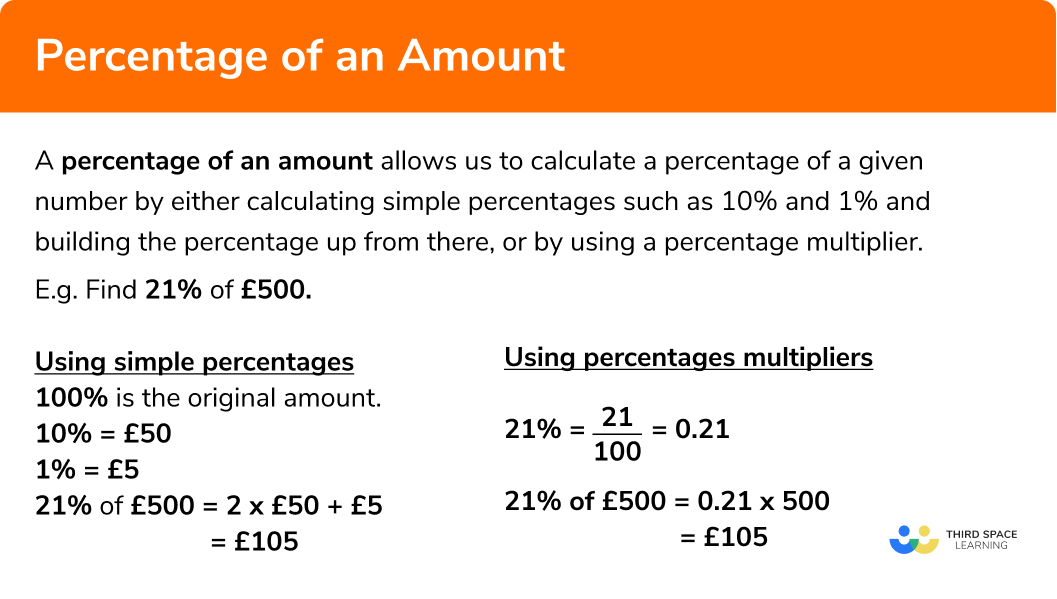
From budgeting and saving to investing and debt management, percentages offer a powerful lens through which to view and optimize financial behavior. They transform absolute figures into relative indicators, making complex financial concepts digestible and allowing individuals to set goals and track progress in a meaningful way. Understanding “what percentage of the” applies to various aspects of your financial life is not just about crunching numbers; it’s about gaining clarity, control, and confidence in your journey towards financial well-being. By adopting a percentage-based approach, individuals can cultivate financial discipline, foster sustainable habits, and strategically plan for both short-term stability and long-term prosperity.
Budgeting and Expense Allocation: The Percentage Approach
Budgeting is the cornerstone of effective personal finance, and applying a percentage-based framework makes this often-dreaded task both simpler and more effective. Instead of rigidly tracking every single dollar, percentages allow for a flexible yet disciplined approach to managing income and expenses.
The 50/30/20 Rule: A Foundation for Spending
Perhaps the most widely recognized percentage-based budgeting guideline is the 50/30/20 rule. This framework suggests allocating your after-tax income into three primary categories:
-
50% for Needs: This covers essential expenses such as housing (rent or mortgage), utilities, groceries, transportation, insurance, and minimum loan payments. These are the non-negotiable costs required for basic living.
-
30% for Wants: This category encompasses discretionary spending that improves your quality of life but isn’t strictly essential. Examples include dining out, entertainment, hobbies, travel, shopping for non-essential items, and premium subscriptions.
-
20% for Savings & Debt Repayment: This crucial portion is dedicated to building your financial future. It includes contributions to emergency funds, retirement accounts (401(k)s, IRAs), general savings goals (e.g., a down payment on a house, a new car), and any extra payments towards high-interest debt beyond the minimums.
The 50/30/20 rule provides a straightforward template that can be applied to any income level, offering a balanced perspective on how income should be distributed to meet current obligations while also planning for future aspirations.
Beyond the Basics: Tailoring Your Budget
While the 50/30/20 rule offers an excellent starting point, it’s a guideline, not a strict mandate. Individual circumstances often necessitate adjustments. For instance, someone living in a high cost-of-living area might find their housing costs pushing their “needs” closer to 60%, while someone aggressively paying off student loans might allocate 30% or more to “savings & debt repayment.” The key is to understand your unique financial landscape and adapt the percentages accordingly.
Within the broader categories, further percentage breakdowns can be insightful. For example, “what percentage of the” housing costs should be relative to your income? A common recommendation is to keep housing expenses below 28-30% of your gross income. Similarly, transportation, food, and other categories can be monitored as percentages to identify areas of overspending or opportunities for optimization. Regularly reviewing these percentages helps in maintaining control and making informed adjustments to spending habits.
Emergency Funds: A Non-Negotiable Percentage
A critical component of financial stability is an adequately funded emergency savings account. While not typically framed as a direct percentage of monthly income for contribution, the goal for an emergency fund is often expressed as a percentage of monthly expenses. Financial experts generally recommend having liquid savings equivalent to three to six months of essential living expenses. For those with less stable income or higher financial dependents, a larger percentage, such as eight to twelve months, might be more appropriate. Building this fund should be a top priority within your “savings & debt repayment” percentage, ensuring a buffer against unexpected financial shocks like job loss, medical emergencies, or unforeseen home repairs.
Investing for Growth: Percentage-Based Portfolio Strategies
Investing is another domain where percentages are indispensable. They guide decisions on asset allocation, contribution rates, and even withdrawal strategies, helping investors build and preserve wealth over time.
Asset Allocation: The Cornerstone of Investing
Asset allocation refers to how an investor’s portfolio is divided among different asset classes, such as stocks, bonds, and cash equivalents. This division is typically expressed as percentages and is one of the most critical determinants of long-term investment returns and risk exposure. A common rule of thumb, though simplistic, is to subtract your age from 110 or 120 to determine the percentage of your portfolio that should be allocated to stocks, with the remainder in bonds. For example, a 30-year-old might aim for 80-90% stocks and 10-20% bonds.

The rationale behind this is that younger investors, with a longer time horizon, can afford to take on more risk (higher stock allocation) for potentially higher returns, as they have more time to recover from market downturns. As one approaches retirement, the percentage allocated to bonds typically increases to reduce volatility and protect accumulated capital. Understanding “what percentage of the” portfolio is in each asset class is vital for matching your investments to your risk tolerance and financial goals.
Contribution Rates: Maximizing Retirement Savings
When it comes to retirement planning, the percentage of your income you save plays a monumental role in your future financial security. Financial advisors often recommend saving at least 10-15% of your gross income for retirement, including any employer match. Some suggest even higher percentages, like 20% or more, especially if you start saving later in life or aspire to an early retirement.
Many employer-sponsored retirement plans, like 401(k)s, offer a matching contribution—for example, matching 50 cents on the dollar for the first 6% of your salary you contribute. It is almost always advisable to contribute at least “what percentage of the” income is necessary to capture the full employer match, as this is essentially free money and provides an immediate, guaranteed return on your investment. Consistently contributing a meaningful percentage of your income, combined with the power of compound interest, can lead to substantial wealth accumulation over decades.
The 4% Rule: A Retirement Withdrawal Guideline
For retirees, the question shifts from “what percentage of the” income to save to “what percentage of the” portfolio can be safely withdrawn each year without running out of money. The “4% rule” is a widely cited guideline suggesting that retirees can withdraw 4% of their initial portfolio balance, adjusted for inflation annually, for a high probability of their savings lasting 30 years or more. While it’s a simplification and its applicability is debated in varying market conditions, it provides a valuable starting point for retirement income planning, helping individuals gauge the sustainability of their nest egg.
Debt Management and Wealth Building: Key Percentages to Watch
Beyond budgeting and investing, percentages are crucial metrics for assessing financial health, managing debt effectively, and tracking overall wealth accumulation.
Debt-to-Income Ratio (DTI): A Measure of Financial Health
The Debt-to-Income (DTI) ratio is a key metric used by lenders to assess your ability to manage monthly payments and repay debts. It’s calculated by dividing your total monthly debt payments by your gross monthly income, expressed as a percentage. For example, if your total monthly debt payments (including mortgage, car loan, student loans, credit card minimums) are $2,000 and your gross monthly income is $6,000, your DTI is 33%.
A lower DTI indicates less risk. Generally, a DTI of 36% or less is considered healthy by most lenders, particularly for mortgage approval. Anything above 43% typically makes it difficult to qualify for new loans. Understanding “what percentage of the” income is consumed by debt payments can provide a clear picture of financial leverage and highlight areas where debt reduction might be necessary to improve financial stability and access to credit.
Savings Rate: Fueling Your Financial Future
Your savings rate is simply the percentage of your income that you save or invest each month. It’s calculated by dividing the total amount saved and invested by your net (or gross, depending on how you calculate it consistently) monthly income. A high savings rate is a powerful accelerant for financial independence and wealth accumulation. While some aim for the recommended 10-15% for retirement, those pursuing early retirement often target savings rates of 50% or more.
Consistently tracking “what percentage of the” income you are saving is often more impactful than just tracking the dollar amount, as it provides a clear, relative measure of your progress and discipline, regardless of income fluctuations. A higher savings rate directly translates to a shorter time horizon for achieving financial goals.
Net Worth Growth: The Ultimate Financial Percentage
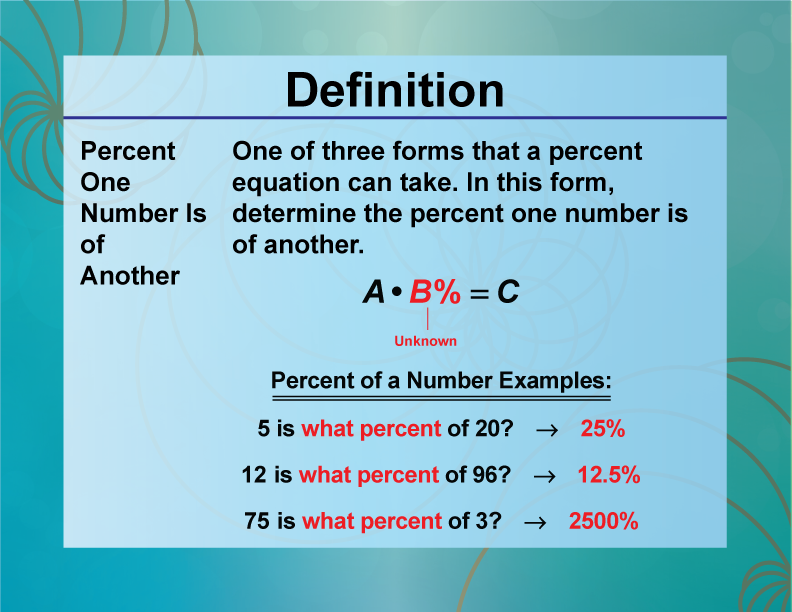
Your net worth, the total value of your assets minus your liabilities, is the ultimate measure of your financial standing. While the absolute dollar amount is important, tracking the percentage growth of your net worth year over year provides a dynamic insight into your wealth-building efficiency. For example, if your net worth grew from $100,000 to $110,000 in a year, you achieved a 10% growth rate. This percentage reflects the combined effect of your savings rate, investment returns, and debt reduction. A healthy positive percentage growth indicates effective financial management and progress towards long-term financial goals.
Financial Planning for the Future: Retirement and Savings Goals
The consistent application and monitoring of these percentages across budgeting, investing, and debt management coalesce into a robust framework for comprehensive financial planning. Understanding “what percentage of the” income is allocated to needs versus wants, “what percentage of the” portfolio is exposed to different assets, and “what percentage of the” income is saved for the future empowers individuals to make proactive and informed decisions.
The true power of percentages lies in their ability to highlight the cumulative effect of financial choices. A small, consistent percentage saved each month, compounded over decades, can lead to life-changing wealth. A slight adjustment in “what percentage of the” spending goes towards wants can significantly increase the percentage available for savings and debt reduction. Regular reviews of these percentages are not just about checking boxes; they are about adapting to life changes, optimizing strategies, and ensuring that your financial plan remains aligned with your evolving goals. By focusing on these critical percentages, individuals can navigate the complexities of personal finance with clarity, discipline, and a clear path toward financial security and prosperity.
aViewFromTheCave is a participant in the Amazon Services LLC Associates Program, an affiliate advertising program designed to provide a means for sites to earn advertising fees by advertising and linking to Amazon.com. Amazon, the Amazon logo, AmazonSupply, and the AmazonSupply logo are trademarks of Amazon.com, Inc. or its affiliates. As an Amazon Associate we earn affiliate commissions from qualifying purchases.