
The humble calculator, once a standalone device, has undergone a profound metamorphosis, evolving from a simple mechanical aid to an indispensable, pervasive digital function. The question, “what percentage of calculator,” at first glance, might seem to imply a literal breakdown of components. However, in the context of modern technology, it provocatively invites a deeper exploration: What percentage of our technological landscape, our daily routines, and our computational needs are now inextricably linked to, or directly performed by, what we broadly define as a “calculator”? This inquiry delves into the ubiquity, utility, and often unseen integration of calculative intelligence across the digital spectrum, revealing how a core computational concept has permeated nearly every aspect of our tech-driven world.
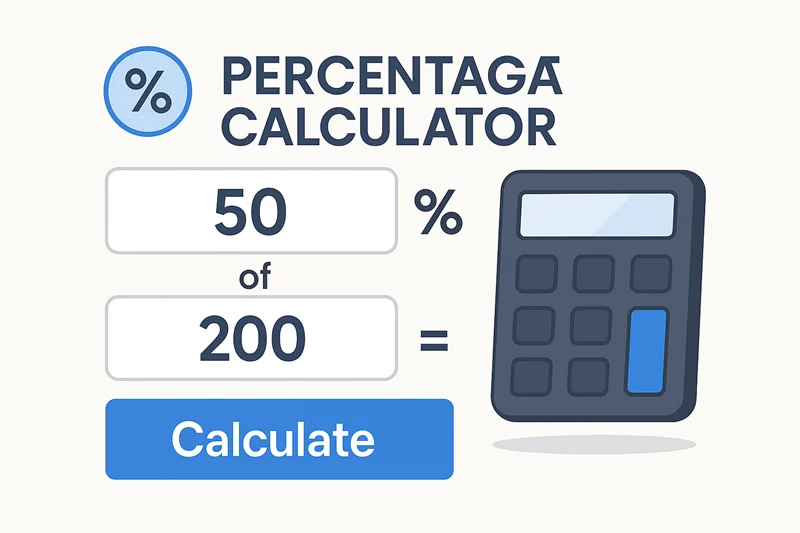
The Pervasive Nature of Computational Tools
The journey of the calculator is one of exponential integration, moving from dedicated, often bulky hardware to a silent, omnipresent functionality. This evolution highlights a significant shift in how we access and utilize computational power, making the “percentage of calculator” within our tech ecosystem remarkably high.
From Dedicated Hardware to Ubiquitous Software
A few decades ago, possessing a calculator meant acquiring a specific physical device – a desk calculator for accounting, a scientific calculator for academia, or a graphing calculator for advanced mathematics. Brands like Casio, Texas Instruments, and HP carved out significant market shares by offering specialized tools. These devices represented a clear, tangible “percentage of calculator” in terms of physical possession and dedicated purpose.
Today, that paradigm has largely dissolved. What percentage of modern electronic devices do not include calculator functionality as a standard feature? The answer is likely negligible. Every smartphone, tablet, personal computer (running Windows, macOS, or Linux), and even many smartwatches and web browsers come equipped with a built-in calculator application or accessible computational functions. This represents a near 100% penetration of basic calculator functionality across the most common personal tech devices. The dedicated calculator market still exists, particularly for high-end scientific and graphing models, but the general purpose calculator has been almost entirely absorbed into multi-functional devices, effectively making every smartphone a powerful pocket calculator first and foremost. This ubiquity means that the functional “percentage of calculator” within our immediate tech environment is almost total.
The Invisible Calculator: Embedded Functionality
Beyond explicit apps, calculator-like functions are increasingly embedded into the fabric of other software and services, often operating silently in the background. Consider the search engine: typing “2+2” or “15% of 200” into Google or Bing immediately yields the correct answer, effectively transforming the search bar into a calculator. Spreadsheets like Microsoft Excel, Google Sheets, and LibreOffice Calc are, at their core, sophisticated calculators designed for complex numerical analysis, financial modeling, and data manipulation. Programming languages rely heavily on operators that perform arithmetic, logical, and relational calculations. Even e-commerce websites calculate taxes, discounts, and shipping costs instantly, performing complex “percentage of calculator” operations behind the scenes.
This embedded intelligence signifies an even higher “percentage of calculator” within our digital interactions. It’s no longer just about opening a dedicated app; it’s about the countless background computations that power everything from our online shopping carts to our personal finance trackers. This invisible integration means that a significant, albeit hard-to-quantify, percentage of our daily digital activity involves hidden calculative processes, making computation an intrinsic part of almost every software experience.
Quantifying Utility: Beyond Basic Arithmetic
While calculator functionality is omnipresent, the extent to which users leverage its full capabilities varies dramatically. This leads us to question what “percentage of calculator” — in terms of its feature set — is actually utilized by the average user.
The Spectrum of Computational Needs
The basic calculator offers addition, subtraction, multiplication, division, and often a percentage key. This set of operations satisfies a vast percentage of everyday computational needs for the general public, from splitting bills to quick mental math checks. For many, this is the entire “percentage of calculator” they ever engage with.
However, the modern calculator, whether a dedicated scientific model or an advanced smartphone app, boasts a far richer feature set. Scientific calculators include functions for trigonometry, logarithms, exponents, and statistical analysis. Graphing calculators can visualize complex equations, analyze data sets, and even perform symbolic differentiation and integration. Financial calculators are tailored for present and future value calculations, loan amortization, and investment returns. This vast spectrum of capabilities implies that the “percentage of calculator” represented by basic arithmetic is merely the tip of the iceberg.
Unlocking Advanced Features: The Underutilized Potential
Despite the advanced capabilities embedded in many devices, a substantial percentage of users likely only interact with the most basic functions. Anecdotal evidence suggests that the average smartphone user rarely ventures beyond the standard mode of their calculator app, let alone explores its scientific or graphing functionalities if available. Even professionals who might benefit from advanced features might opt for specialized software over the more versatile, but perhaps less intuitively organized, calculator applications.
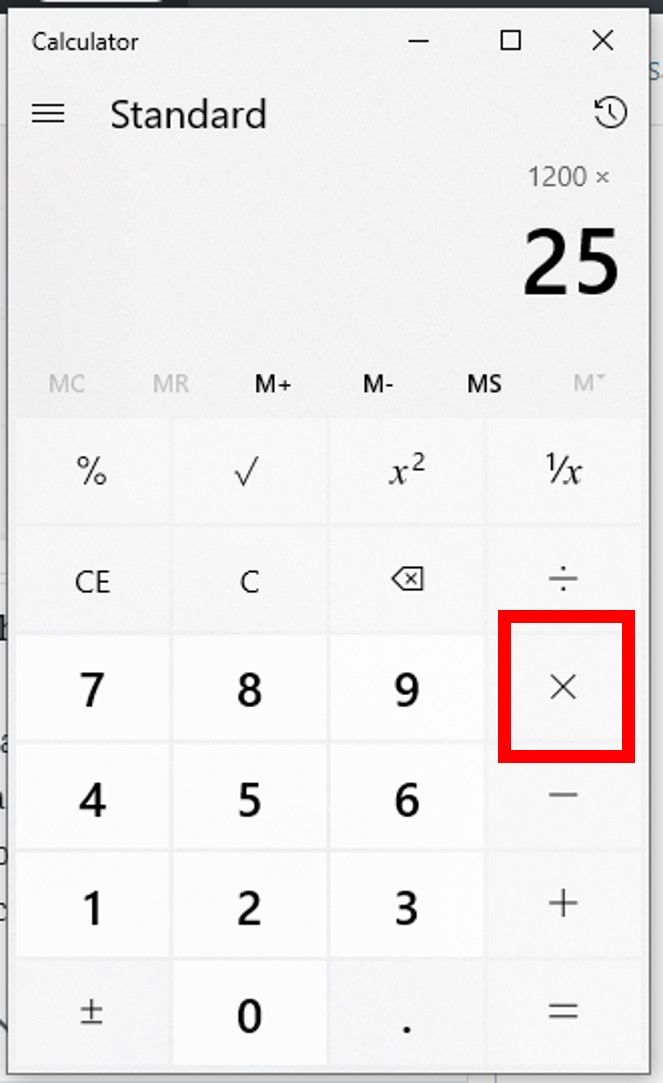
This gap highlights a critical aspect of “what percentage of calculator” truly matters to the individual user. For many, the advanced features remain an untapped potential, representing a significant percentage of the calculator’s power that goes largely unused. The design challenge for developers lies in making these sophisticated tools more accessible and intuitive, bridging the gap between basic utility and powerful, niche-specific functions, and thereby increasing the “percentage of calculator” that users actively engage with.
The Calculator’s Role in a Data-Driven World
In an era defined by data, the fundamental principles of calculation, facilitated by what we broadly term “calculators,” underpin nearly every analytical endeavor. The “percentage of calculator” in supporting data-driven insights and fostering productivity is immense.
Enabling Data Analysis and Visualization
Every data point, every metric, and every statistical analysis ultimately relies on fundamental arithmetic and logical operations. Before sophisticated data visualization tools can render compelling charts and graphs, raw data must be cleaned, aggregated, and calculated. Whether it’s computing averages, standard deviations, correlations, or more complex algorithms, the core function of calculation remains paramount. In this sense, the “percentage of calculator” within the entire data analysis pipeline is foundational, providing the bedrock upon which all higher-level insights are built.
From scientific research to market analysis, engineering design to economic forecasting, the ability to accurately and efficiently process numbers is non-negotiable. While specialized software packages handle the heavy lifting, the conceptual framework and the underlying operations are direct descendants of the basic calculator’s functionality. This makes the calculator, in its various forms, an indispensable tool for understanding and interpreting the vast seas of data that characterize modern existence.
Empowering Personal and Professional Productivity
The immediate availability of computational power directly translates into enhanced productivity across personal and professional spheres. For individuals, quick calculations for budgeting, converting recipes, or planning travel itineraries save time and reduce errors. For professionals, the “percentage of calculator” in their daily tasks is even more pronounced. Engineers rely on them for stress calculations and dimensioning; financial analysts use them for valuation models; educators use them to verify problem sets; and even graphic designers use them for precise scaling and aspect ratios.
The ability to perform instant calculations liberates mental resources that would otherwise be consumed by manual arithmetic, allowing individuals to focus on higher-order problem-solving, strategic thinking, and creative endeavors. This continuous availability of calculative power contributes a significant, though unquantifiable, percentage to overall productivity gains across virtually every industry, underscoring the calculator’s silent but profound impact.
The Future Landscape: AI and Integrated Intelligence
As technology continues its relentless advance, the concept of “what percentage of calculator” is poised for another transformative shift, moving towards more intelligent, predictive, and context-aware computational systems.
Towards Predictive and Interpretive Calculation
The advent of Artificial Intelligence and Machine Learning signals a future where explicit calculation steps may become increasingly opaque to the end-user. Instead of manually inputting numbers into an app, AI-driven assistants might predict our computational needs, interpret complex queries, and provide answers or insights without us even thinking of “opening a calculator.” For instance, a smart home system could automatically calculate energy consumption and suggest optimizations, or a financial AI could project investment returns based on live market data and personal goals.
This represents a future where the “percentage of calculator” that is an active, user-initiated tool might diminish, while the “percentage of calculator” that is an embedded, predictive intelligence will skyrocket. The focus will shift from how to calculate to what to calculate and why, with AI handling the complex mathematical heavy lifting in the background, offering solutions rather than just numbers.
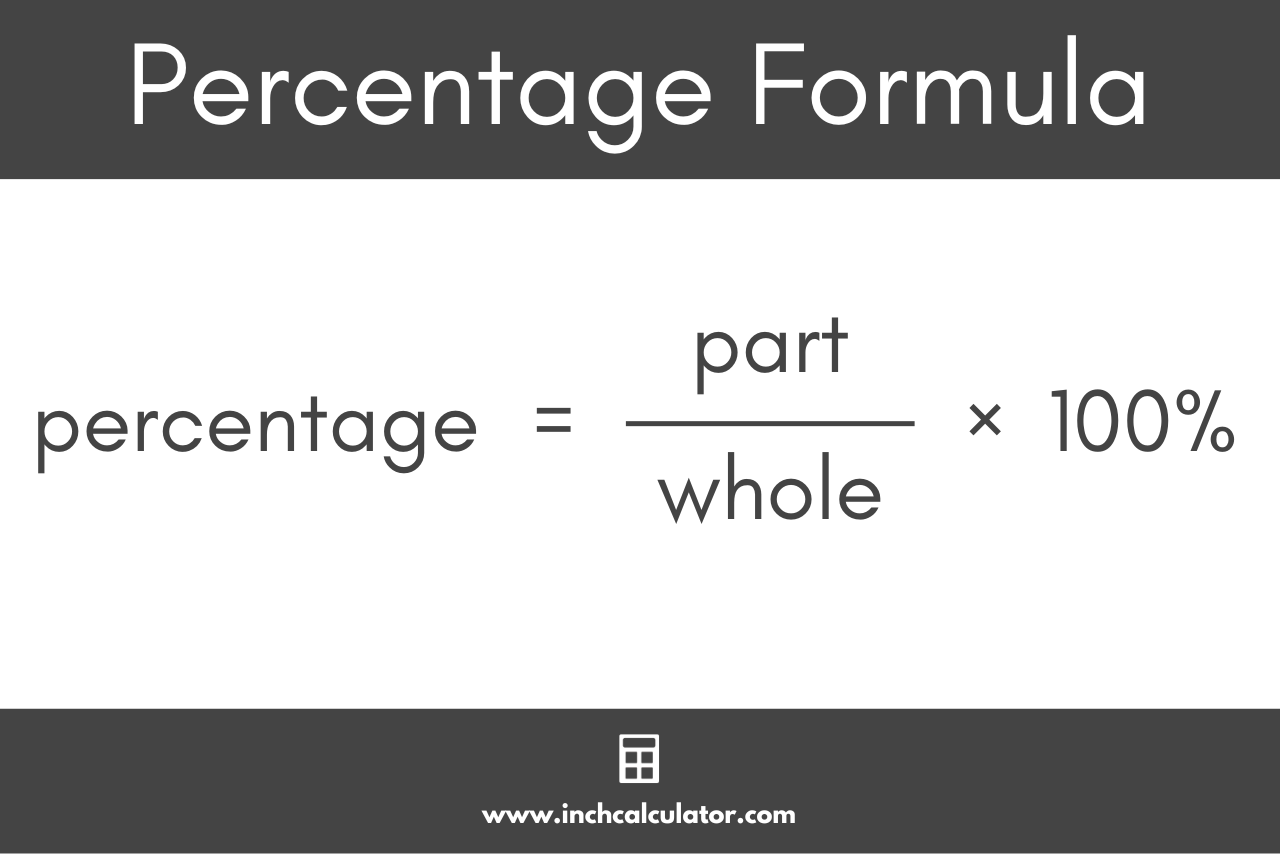
The Evolving Definition of “Calculator”
The very definition of a “calculator” is expanding beyond a device for arithmetic to encompass any system that processes numerical or logical inputs to produce desired outputs. Future “calculators” might be multimodal, responding to voice commands, gesture controls, or even biometric data to perform computations relevant to a user’s real-time context. The “percentage of calculator” that is explicitly an app or a physical device will likely shrink, while the percentage of ambient, intelligent computational services will grow.
Ultimately, the question “what percentage of calculator” serves as a powerful lens through which to view the integration of computational power into the fabric of our technological lives. It’s a testament to how a foundational concept, born from the need to quantify, has not only survived but thrived, transforming from a simple tool into an indispensable, omnipresent, and increasingly intelligent component of the digital age.
aViewFromTheCave is a participant in the Amazon Services LLC Associates Program, an affiliate advertising program designed to provide a means for sites to earn advertising fees by advertising and linking to Amazon.com. Amazon, the Amazon logo, AmazonSupply, and the AmazonSupply logo are trademarks of Amazon.com, Inc. or its affiliates. As an Amazon Associate we earn affiliate commissions from qualifying purchases.