
In an increasingly data-driven world, understanding and calculating percentages is an indispensable skill. From deciphering discounts during online shopping to analyzing growth rates in business reports, percentages are a fundamental mathematical concept that underpins countless daily decisions and analyses. While the concept itself might seem straightforward, the need for quick, accurate, and often context-specific calculations has led to the proliferation of an essential digital utility: the percentage calculator. This article delves into the technological landscape to guide you through finding, utilizing, and understanding the nuances of these invaluable tools, firmly situating our exploration within the realm of software, applications, and digital tutorials.

The Ubiquity and Evolution of Digital Calculation Tools
Before diving into how to find them, it’s crucial to understand what percentage calculators are, why they’re so prevalent, and how they’ve evolved within the digital sphere. Their omnipresence is a testament to their utility, making them a cornerstone of everyday technology.
What is a Percentage Calculator?
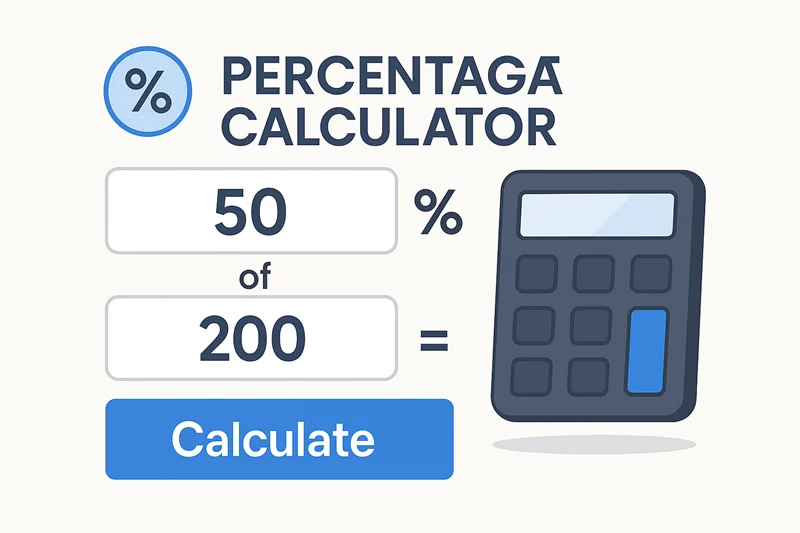
At its core, a percentage calculator is a digital tool designed to simplify operations involving percentages. While the simplest form calculates ‘X percent of Y’, modern versions offer a much broader array of functions. These can include calculating percentage change (increase or decrease), finding the original number after a percentage has been added or subtracted (reverse percentages), or even more complex scenarios involving proportional distribution. Essentially, they automate the manual arithmetic required for percentage calculations, significantly reducing the risk of human error and speeding up the process.
Why Are They So Common?
The widespread adoption of percentage calculators stems from their incredible versatility and the sheer frequency with which percentages are encountered across various domains. In personal finance, they help calculate interest, tips, or budget allocations. In retail, they’re indispensable for sales and discount applications. In business, they assist with profit margins, growth rates, and market share analysis. Even in academic settings, statistics and data analysis heavily rely on percentage calculations. Given this pervasive need, the demand for accessible, reliable, and user-friendly tools has driven their integration into almost every digital platform imaginable.
The Digital Evolution of Calculation
The journey of calculation tools from purely physical devices to sophisticated software applications reflects the broader technological revolution. Early mechanical calculators paved the way for electronic handheld devices, which in turn were largely supplanted by software-based calculators embedded within operating systems, web browsers, and mobile apps. This digital transformation has brought several advantages: enhanced functionality, greater accessibility, seamless integration with other digital workflows, and constant updates with new features. The percentage calculator, in particular, has benefited immensely from this evolution, becoming a highly refined and customizable digital utility.
Navigating the Digital Landscape to Find Your Calculator
Finding a percentage calculator in today’s digital age is less about a strenuous search and more about identifying the best tool for your specific needs among a plethora of options. From simple web searches to dedicated applications, the choices are vast and varied.
Web-Based Percentage Calculators
For quick, one-off calculations, web-based percentage calculators are often the go-to solution. A simple search query like “percentage calculator” on Google, Bing, or DuckDuckGo will instantly yield results. Most search engines now even integrate a basic percentage calculator directly into the search results page, allowing you to perform calculations without clicking through to another site. Beyond these integrated features, numerous dedicated websites offer robust percentage calculators. Sites like Calculator.net, Omni Calculator, or specific financial news outlets often host sophisticated versions that handle various percentage scenarios. These platforms are convenient, require no installation, and are accessible from any internet-connected device, making them ideal for spontaneous computations.
Mobile Applications
For users who frequently need to perform calculations on the go, mobile applications offer a dedicated and often more feature-rich experience. Both the Apple App Store (for iOS devices) and Google Play Store (for Android devices) are brimming with options.
-
Standalone Percentage Calculators: Many apps are exclusively designed for percentage calculations, offering a clean interface and specialized functions.
-
Utility Calculator Suites: More comprehensive calculator apps often include percentage functions as part of a broader suite of tools (e.g., scientific calculators, unit converters).
-
Built-in OS Calculators: Most smartphones come with a default calculator app that includes basic percentage functionality (e.g., adding a percentage to a number, finding a percentage of a number).
When choosing a mobile app, consider factors like user interface, offline functionality, and additional features relevant to your needs. Reviews and ratings can provide valuable insights into an app’s reliability and user satisfaction.
Desktop Software & Operating System Integrations
Your desktop computer or laptop also offers several avenues for accessing percentage calculators.
-
Built-in OS Calculators: Windows, macOS, and Linux distributions all come with pre-installed calculator applications that include percentage capabilities. These are usually accessed via the Start Menu (Windows) or Spotlight Search (macOS) and offer a reliable, always-available option.
-
Specialized Desktop Software: For professionals who require more advanced statistical or financial computations involving percentages, dedicated software packages (e.g., spreadsheet programs like Microsoft Excel, Google Sheets, or LibreOffice Calc) offer powerful percentage calculation features through formulas. While not strictly “percentage calculators” in the standalone sense, they provide highly customizable and dynamic environments for complex percentage-based analyses.
-
Productivity Suites: Many office productivity suites (like Microsoft Office or Google Workspace) integrate percentage functionality directly into their applications, particularly within spreadsheet programs.
Browser Extensions
For those who spend significant time browsing the web, browser extensions can offer a quick and convenient way to access a percentage calculator without opening a new tab or app. Available for Chrome, Firefox, Edge, and other popular browsers, these extensions typically add a small icon to your browser toolbar. Clicking it opens a mini-calculator interface, allowing for swift calculations without interrupting your workflow. These are particularly useful for online shopping, quick data analysis from web pages, or any scenario where immediate calculation is needed while browsing.
Key Features to Look for in a Modern Percentage Calculator
While the core function of calculating percentages remains constant, the best digital tools distinguish themselves through their design, functionality, and user experience. Identifying these key features will help you choose the most effective calculator for your specific requirements.
User Interface and Experience (UI/UX)
An intuitive and clean UI is paramount. A good percentage calculator should be easy to navigate, with clearly labeled buttons and logical input fields. The display of results should be unambiguous, and the overall design should not overwhelm the user with unnecessary clutter. Modern calculators often employ responsive designs, adapting seamlessly to different screen sizes, from smartphones to large desktop monitors. A positive UX means you can get your calculation done quickly and accurately, without having to consult a help manual.
Functionality Beyond Basic Percentages
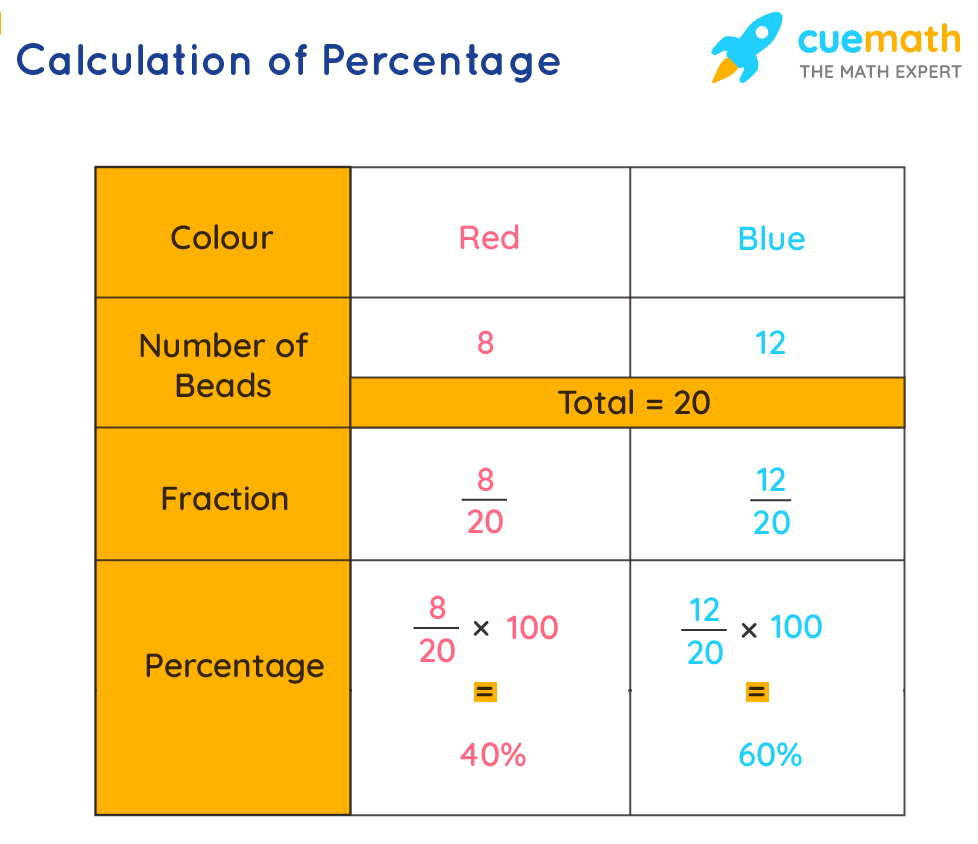
While “X percent of Y” is the most basic calculation, a truly useful percentage calculator offers a broader range of functionalities:
-
Percentage Change: Calculating the percentage increase or decrease between two numbers.
-
Reverse Percentages: Finding the original value before a percentage was added or subtracted (e.g., knowing a final price after a 20% discount, what was the original price?).
-
Percentage Difference: Determining the difference between two values as a percentage of their average.
-
Tip Calculators: Specialized percentage calculators often found in restaurant or service-oriented apps.
-
Tax Calculators: Integrating percentage-based tax calculations.
The ability to handle these various scenarios within a single tool significantly enhances its utility.
Accessibility and Cross-Platform Compatibility
In today’s multi-device ecosystem, a truly versatile percentage calculator should ideally be accessible across different platforms. Whether it’s a web-based tool that works on any browser, a mobile app with both iOS and Android versions, or desktop software that’s responsive to different operating systems, cross-platform compatibility ensures that your preferred tool is always within reach. Furthermore, accessibility features, such as larger text options, high-contrast modes, or keyboard navigation, cater to a wider range of users, ensuring inclusivity.
Offline Capabilities
While many tools are web-based, an app or desktop software that offers offline functionality can be incredibly valuable. There are times when internet access is limited or unavailable, and the ability to perform crucial calculations without a connection provides an uninterrupted workflow. This feature is particularly important for mobile apps, as users might be on the go in areas with poor network coverage.
Privacy and Security Considerations
For online percentage calculators, especially those integrated into websites that might collect user data, it’s prudent to consider privacy and security. While simple calculators typically don’t process sensitive information, being aware of a site’s data handling policies (usually found in their privacy policy) is good practice. For mobile apps, review the permissions requested during installation. Reputable tools generally prioritize user privacy and ensure that calculations are processed securely without retaining personal data.
Advanced Applications and Integrated Solutions
Beyond standalone tools, percentage calculations are often integrated into more sophisticated technological environments, offering dynamic and powerful solutions for specific use cases.
Spreadsheets as Dynamic Percentage Calculators
For anyone involved in data analysis, budgeting, or financial modeling, spreadsheet programs like Microsoft Excel, Google Sheets, or LibreOffice Calc are indispensable. They function as highly customizable and dynamic percentage calculators. Users can input data, apply complex percentage formulas (e.g., =A2*B2% for a percentage of a number, or =(B2-A2)/A2 for percentage change), and instantly see results update as source data changes. This makes them ideal for scenario planning, creating interactive dashboards, and performing bulk calculations. Their ability to integrate percentages with other mathematical and logical functions elevates them far beyond simple calculators.
Programming Languages and Scripting
For developers, data scientists, or power users, programming languages (like Python, JavaScript, or R) offer the ultimate flexibility in percentage calculation. Custom scripts can be written to perform specific percentage operations on large datasets, integrate calculations into web applications, or automate complex financial models. This approach allows for tailor-made solutions, handling highly specific requirements that might not be met by off-the-shelf calculators. Libraries and modules available in these languages often provide optimized functions for numerical operations, including percentages, ensuring high accuracy and efficiency.
AI-Powered Assistants and Voice Commands
The rise of artificial intelligence and voice assistants has added another dimension to finding and using percentage calculators. Smart speakers and digital assistants like Siri, Google Assistant, and Amazon Alexa can perform basic percentage calculations through voice commands. For example, “Hey Google, what is 15 percent of 200?” or “Siri, calculate 25% of 500.” This hands-free, intuitive method is incredibly convenient for quick calculations when your hands are busy or you’re multitasking. While currently limited to simpler operations, the integration of AI promises more advanced contextual percentage calculations in the future.
Educational and Business Software Suites
Many specialized software suites across various industries incorporate percentage calculation capabilities directly into their platforms. Educational software might include interactive tools for learning about percentages. Business intelligence (BI) tools use percentages extensively for reporting and dashboards. Project management software might calculate task completion percentages. Financial software, naturally, has deep integration for all forms of percentage-based analysis. These integrations mean that percentage calculations are performed automatically as part of a larger workflow, often unseen by the user but critical to the software’s functionality.
The Future of Digital Calculation: What’s Next?
The evolution of percentage calculators is far from over. As technology advances, we can expect even more sophisticated, integrated, and intelligent solutions.
AI and Predictive Analysis
Future percentage calculators, especially those powered by advanced AI, might move beyond just providing answers to specific queries. They could offer predictive analysis, suggesting how a percentage change in one variable might impact another, or even recommending optimal percentage values based on historical data and user goals. Imagine an AI assistant that not only calculates your profit margin but also suggests an optimal discount percentage to maximize sales based on market trends.
Enhanced Integration with Productivity Tools
The trend of seamless integration will undoubtedly continue. Percentage calculations will become even more deeply embedded into productivity suites, communication platforms, and task management tools. This means calculations will happen in the background, providing instant insights within the context of your work, rather than requiring you to open a separate tool. Imagine writing a report and having percentage growth automatically calculated and suggested based on the numbers you type.
Personalization and Customization
As with many digital tools, personalization will play a larger role. Future percentage calculators might learn your common calculation types, preferred display formats, or even integrate with your personal financial data (with appropriate privacy safeguards) to offer highly relevant and customized percentage insights. The ability to save frequently used calculations, create custom templates, and share results effortlessly will become standard.
In conclusion, finding a percentage calculator in the modern tech landscape is not a challenge of scarcity, but rather of selection. By understanding the diverse range of available tools—from web-based utilities and mobile apps to desktop software and AI assistants—and by knowing what features to prioritize, you can select the perfect digital companion for all your percentage calculation needs. As technology continues its relentless march forward, these indispensable tools will only become more intuitive, powerful, and integrated into the fabric of our digital lives.
aViewFromTheCave is a participant in the Amazon Services LLC Associates Program, an affiliate advertising program designed to provide a means for sites to earn advertising fees by advertising and linking to Amazon.com. Amazon, the Amazon logo, AmazonSupply, and the AmazonSupply logo are trademarks of Amazon.com, Inc. or its affiliates. As an Amazon Associate we earn affiliate commissions from qualifying purchases.