
Envisioning your financial future often involves a blend of aspiration and practical planning. For many, a 401k stands as a cornerstone of retirement savings, a dedicated vehicle designed to transform today’s contributions into tomorrow’s financial security. But what does “tomorrow” truly look like, especially two decades down the line? The question “how much will a 401k grow in 20 years?” isn’t just about a number; it’s about understanding the mechanisms of wealth creation, the power of time, and the strategic choices that shape your financial destiny.
Over a 20-year horizon, a 401k has the potential for substantial growth, turning modest regular contributions into a formidable sum. This article delves into the critical factors that influence this growth, offering insights into how you can maximize your 401k’s potential and paint a clearer picture of what you might expect when you reach that two-decade milestone. From the mathematical marvel of compounding to the tactical decisions you make about contributions and investments, we’ll explore the journey of your retirement savings over the long haul.
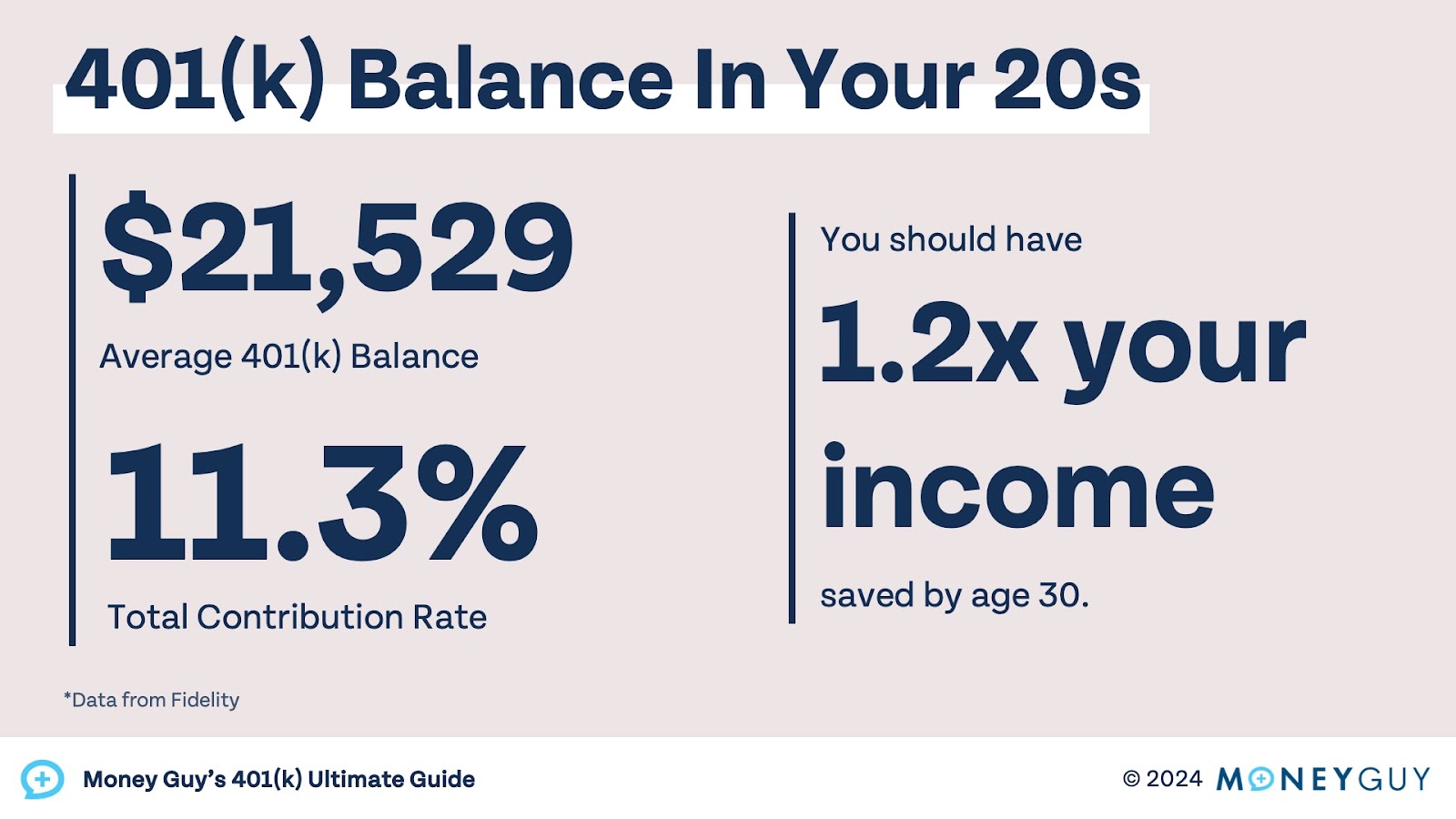
The Power of Compounding: Your 401k’s Secret Weapon
At the heart of any long-term investment growth, especially within a 401k, lies the incredible phenomenon of compound interest. Often called the “eighth wonder of the world,” compounding is not merely a financial concept; it’s a dynamic engine that supercharges your savings over time.
Understanding Compound Interest
In simple terms, compound interest means earning returns not only on your initial investment but also on the accumulated interest from previous periods. Imagine your investment as a snowball rolling down a hill: it starts small, but as it gathers snow (interest), it gets bigger, and that bigger snowball picks up even more snow at a faster rate.
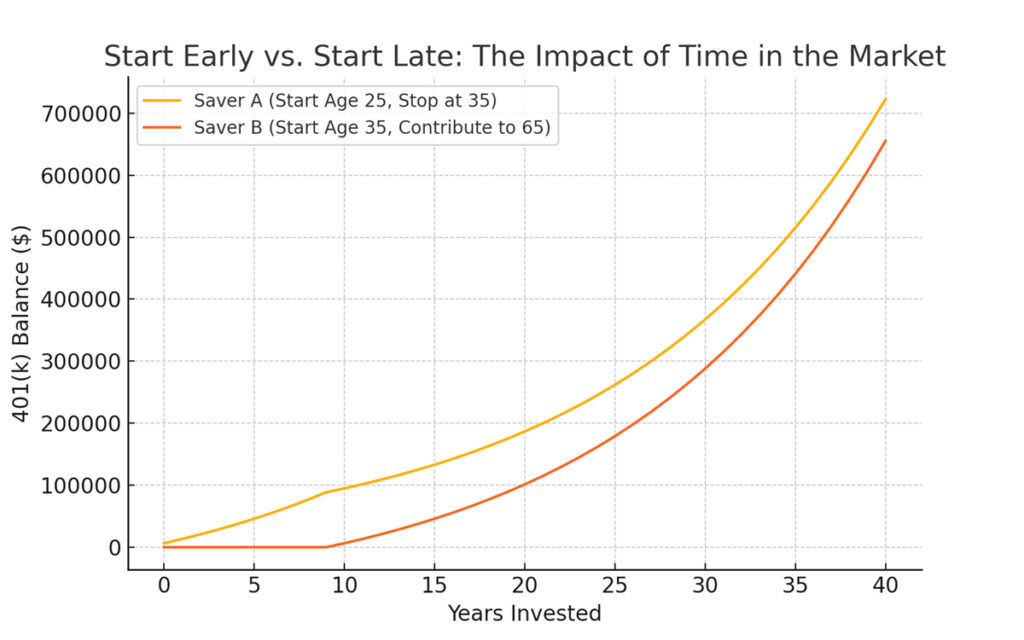
For a 401k, this means that the money you contribute, plus the investment gains it generates, starts earning its own returns. Early contributions are the most powerful because they have the longest time horizon to compound. Over 20 years, even small initial sums can blossom into significant wealth, as the earnings themselves begin to earn earnings, creating an exponential growth curve that is difficult to replicate through simple interest or short-term savings. The longer your money stays invested, the more opportunities it has to compound, making a 20-year timeframe particularly potent for harnessing this effect.
Illustrative Scenarios: The Magic in Action
To truly appreciate compounding, let’s consider some hypothetical scenarios. These are illustrative and don’t guarantee actual returns, but they demonstrate the principle.
-
Scenario 1: Consistent Saver (Modest Contributions)
-
An individual contributes $300 per month ($3,600 per year) to their 401k.
-
Assumed average annual return: 7% (a common historical average for diversified portfolios).
-
After 20 years:
-
Total contributions: $72,000
-
Estimated total value: Approximately $164,000
-
-
In this scenario, over $92,000 comes from investment gains alone, more than doubling the initial contributions.
-
-
Scenario 2: Aggressive Saver (Maxing Out Contributions)
-
An individual contributes the current maximum, let’s say $22,500 per year (for 2023, for those under 50).
-
Assumed average annual return: 7%.
-
After 20 years:
-
Total contributions: $450,000
-
Estimated total value: Approximately $983,000
-
-
Here, nearly half a million dollars is generated purely through compounding, demonstrating the immense power of maximizing contributions over a long period.
-
These examples highlight that while the consistent injection of new capital is vital, the lion’s share of growth in the later years comes from the earnings on previous earnings, a testament to the patient accumulation of wealth through compounding.
Key Factors Influencing 401k Growth Over Two Decades
While compounding is the underlying engine, several practical factors directly influence how effectively your 401k leverages this power over 20 years. Understanding and strategically managing these elements can significantly alter your projected outcome.
Contribution Habits: Consistency is King
The most direct way to influence your 401k’s growth is through your contributions.
-
Regularity: Consistent, scheduled contributions ensure you are always putting money to work. This also helps with dollar-cost averaging, where you buy more shares when prices are low and fewer when prices are high, potentially reducing overall risk.
-
Maximizing Contributions: Aiming to contribute the maximum allowable amount each year (or at least a substantial percentage) dramatically increases your principal, giving compounding more fuel. Remember that contribution limits often increase over time, and individuals age 50 and older are typically allowed to make “catch-up” contributions.
-
Employer Match: This is essentially free money and should be prioritized. If your employer offers a match, contribute at least enough to receive the full benefit. Failing to do so is leaving guaranteed returns on the table, and this matched money also benefits from 20 years of compounding.
Investment Choices: Asset Allocation Matters
The way your 401k funds are invested is paramount. Your asset allocation—the mix of different types of investments—will dictate your potential returns and risk exposure.
-
Stocks (Equities): Historically, stocks offer the highest potential for long-term growth, making them a crucial component for a 20-year horizon. They come with higher volatility but over two decades, market downturns tend to be temporary blips in an overall upward trend.
-
Bonds (Fixed Income): Bonds generally offer lower returns than stocks but also lower volatility. They provide stability and diversification, especially as you get closer to retirement, but for a 20-year period, a heavy allocation to bonds might limit growth potential.
-
Mutual Funds/ETFs: Most 401ks offer a selection of mutual funds or exchange-traded funds (ETFs) that invest in a diversified basket of stocks, bonds, or both. Target-date funds, for example, automatically adjust their asset allocation to become more conservative as you approach a specific retirement year, making them a popular choice for hands-off investors.
-
Risk Tolerance: Your comfort level with market fluctuations should guide your allocation. Over 20 years, most investors can afford to take on more equity risk early on, gradually de-risking as retirement nears.
Rate of Return: Realistic Expectations

The average annual rate of return your investments generate is a critical growth driver.
-
Historical Averages: The S&P 500, a common benchmark for U.S. large-cap stocks, has historically delivered an average annual return of around 10-12% over long periods, though individual years vary wildly. A diversified portfolio with a mix of stocks and bonds might target a more conservative 6-8% average return for planning purposes, accounting for volatility and diversification.
-
Volatility: Markets do not grow in a straight line. There will be good years and bad years. A 20-year timeframe allows you to weather these inevitable downturns and recover, capitalizing on the long-term upward trend of the market. Patience and discipline are key to not reacting emotionally during volatile periods.
Fees and Expenses: The Silent Wealth Eroder
Often overlooked, the fees associated with your 401k can significantly eat into your returns over two decades.
-
Expense Ratios: These are annual fees charged by mutual funds as a percentage of your investment. A fund with a 1.0% expense ratio will cost you twice as much as a fund with a 0.5% expense ratio. Over 20 years, even seemingly small differences in expense ratios can translate into tens of thousands of dollars in lost growth.
-
Administrative Fees: Your plan might charge administrative fees for record-keeping, legal, and other services. Some plans cover these, while others pass them on to participants.
-
Hidden Costs: Be aware of potential trading fees, sales loads (commissions), or other charges that can detract from your returns.
-
Impact: A 1% difference in annual fees on a $500,000 portfolio over 20 years, assuming a 7% annual return, could mean losing out on well over $100,000 in potential growth. Always opt for funds with low expense ratios when possible.
Building a Proactive 20-Year 401k Strategy
Achieving robust growth in your 401k over two decades isn’t just about passive contributions; it requires an active, strategic approach. By making informed decisions and sticking to a well-defined plan, you can significantly enhance your retirement outlook.
Starting Early and Maximizing Contributions
The single most powerful advantage you have in 401k investing is time. The earlier you start, the more time your money has to compound. Even if you start later, consistently maximizing your contributions is crucial.
-
Embrace Catch-Up Contributions: If you’re over 50, take advantage of additional catch-up contributions to boost your savings in the latter half of your 20-year window.
-
Increase Contributions with Income: As your salary grows, make a conscious effort to increase your 401k contribution percentage. Even a 1% increase each year can make a substantial difference over two decades.
-
Automate Savings: Set up automatic payroll deductions. This “set it and forget it” approach ensures consistency and prevents you from spending money that should be saved.
Diversification and Rebalancing for Long-Term Health
A well-diversified portfolio helps mitigate risk without sacrificing potential returns, and periodic rebalancing ensures it stays aligned with your goals.
-
Diversification: Don’t put all your eggs in one basket. Invest across different asset classes (stocks, bonds), geographies (U.S., international), and company sizes (large-cap, small-cap). This reduces the impact if one particular sector or region underperforms.
-
Rebalancing: Periodically (e.g., once a year) adjust your portfolio back to your target asset allocation. If stocks have performed exceptionally well, they might now represent a larger portion of your portfolio than you initially intended. Rebalancing means selling some of the overperforming assets and buying more of the underperforming ones, which is a disciplined form of “buy low, sell high.” This helps manage risk and keeps your portfolio aligned with your long-term strategy.
Regular Review and Adjustment
Your financial life isn’t static, and neither should your 401k strategy be.
-
Annual Check-ups: At least once a year, review your 401k performance, check your asset allocation, and ensure your investment choices still align with your risk tolerance and goals.
-
Life Events: Major life changes—marriage, having children, a new job, a significant raise, or a change in financial goals—should prompt a review of your 401k strategy. You might need to adjust your contribution rate, asset allocation, or beneficiaries.
-
Stay Informed: While you don’t need to track daily market movements, having a basic understanding of economic trends and investment principles can empower you to make more informed decisions when necessary.
Navigating Challenges and Optimizing Potential
Even with a robust strategy, the path to significant 401k growth over 20 years can present challenges. Understanding and preparing for these can help you stay on track and maximize your potential.
Market Volatility and Bear Markets
Over two decades, you will undoubtedly experience market downturns, or “bear markets.” These periods can be unsettling, leading some investors to panic and sell off their investments, locking in losses.
-
Long-Term Perspective: Remember that a 20-year horizon is long enough to ride out most market corrections and bear markets. Historically, markets have always recovered and reached new highs over time.
-
Stay Invested: Resist the urge to sell during a downturn. In fact, bear markets can be excellent opportunities to buy more shares at lower prices, which will contribute significantly to your growth when the market eventually recovers.
-
Focus on the Plan: Stick to your long-term investment strategy and continue your regular contributions.
Inflation’s Impact on Future Purchasing Power
Inflation is the gradual erosion of purchasing power over time. While your 401k balance might look substantial in 20 years, it’s crucial to consider what that money will actually buy.
-
Growth Ahead of Inflation: Your investment returns need to outpace inflation to genuinely grow your wealth. If your portfolio returns 7% but inflation is 3%, your real (inflation-adjusted) return is 4%.
-
Equity Allocation: Allocating a significant portion of your portfolio to growth assets like stocks is generally the best defense against inflation over the long term, as companies can often raise prices to offset their own increased costs.
-
Adjust Expectations: When calculating future values, factor in a reasonable inflation rate to get a more accurate picture of your future purchasing power.
Understanding and Avoiding Early Withdrawal Penalties
Your 401k is designed for retirement. Accessing funds before age 59½ typically incurs a 10% early withdrawal penalty on top of ordinary income taxes.
-
Preserve Growth: Early withdrawals not only incur penalties and taxes but also severely cripple the power of compounding by removing a portion of your principal that would have continued to grow for years.
-
Emergency Fund: Build a separate emergency fund outside your 401k to cover unexpected expenses. This prevents you from needing to tap into your retirement savings prematurely.
-
Hardship Withdrawals: While some 401k plans allow hardship withdrawals under specific circumstances, these should be a last resort due to the severe financial consequences.
In conclusion, the question of “how much will a 401k grow in 20 years?” doesn’t have a single, definitive answer, but rather a spectrum of possibilities determined by your consistent effort and informed decisions. Over two decades, a 401k can transform from a modest savings account into a powerful engine for wealth accumulation, largely thanks to the relentless force of compound interest. By maximizing contributions, intelligently allocating assets, minimizing fees, and remaining disciplined through market cycles, you are not just saving; you are actively building a robust financial future. The journey of 20 years will have its ups and downs, but with a proactive and patient approach, your 401k has the potential to grow into a truly life-changing sum, providing the financial security you envision for your retirement.
aViewFromTheCave is a participant in the Amazon Services LLC Associates Program, an affiliate advertising program designed to provide a means for sites to earn advertising fees by advertising and linking to Amazon.com. Amazon, the Amazon logo, AmazonSupply, and the AmazonSupply logo are trademarks of Amazon.com, Inc. or its affiliates. As an Amazon Associate we earn affiliate commissions from qualifying purchases.