
Setting up an Amazon Business Account is a foundational step for anyone looking to generate online income, establish a side hustle, or scale an existing enterprise through the e-commerce giant. Beyond the simple mechanics of registration, understanding the profound financial implications, strategic financial planning, and robust financial management practices from the outset is paramount for long-term profitability and sustainable growth. This guide delves into the essential financial considerations and steps involved, ensuring your Amazon venture is built on a solid fiscal footing.
Understanding the Financial Framework of an Amazon Business Account
Before diving into the setup process, a clear grasp of Amazon’s financial ecosystem is critical. Your chosen selling plan, understanding fee structures, and managing tax obligations directly impact your bottom line.

Seller Types and Fee Structures
Amazon offers two primary selling plans: Individual and Professional. The choice between these significantly affects your financial commitment and potential profitability.
-
Individual Seller Plan: This plan costs $0.99 per item sold, plus referral fees and variable closing fees. It’s generally suited for sellers planning to sell fewer than 40 items per month, making it a lower-overhead option for testing the waters or managing a small side hustle. The financial benefit lies in avoiding a monthly subscription fee, but the per-item charge can become costly if sales volumes increase.
-
Professional Seller Plan: This plan incurs a monthly subscription fee (typically $39.99 in the U.S.), regardless of how many items you sell. In return, the per-item selling fee is waived. This plan is financially advantageous for sellers expecting to sell more than 40 units monthly, as it offers a lower effective cost per sale at higher volumes. It also unlocks advanced selling tools, reporting features, and eligibility for Buy Box placement, all of which can enhance sales velocity and, consequently, income generation.
Beyond the selling plan, sellers must account for referral fees, which are a percentage of the total sales price (including shipping and gift-wrap charges) based on the product category, typically ranging from 8% to 15%. Variable closing fees apply to media products (books, music, video, DVD), and fulfillment fees (for Fulfillment by Amazon or FBA users) are additional costs that must be factored into your pricing strategy and profit margin calculations.
Sales Tax Obligations and Management
One of the most complex financial aspects of selling on Amazon is sales tax. As an online seller, you may be required to collect and remit sales tax in various states where you have a “nexus.”
-
Economic Nexus: Many states have adopted economic nexus laws, meaning you may be required to collect sales tax if your sales or transaction volume in that state exceeds a certain threshold, even if you don’t have a physical presence. Amazon’s FBA service can create physical nexus in states where your inventory is stored.
-
Marketplace Facilitator Laws: Fortunately, Amazon operates as a marketplace facilitator in many states. This means Amazon itself is responsible for calculating, collecting, and remitting sales tax on sales made through its platform for third-party sellers in those specific states. This significantly simplifies compliance for sellers but does not absolve you from understanding your obligations in states where these laws might not apply or for sales made off Amazon.
-
Tracking and Reporting: Even with Amazon handling some sales tax, you must maintain meticulous records for all transactions. This includes understanding the sales tax Amazon collected on your behalf, your sales performance per state, and any remaining obligations you might have. Utilizing accounting software integrated with Amazon can streamline this process, ensuring accurate financial reporting and compliance.
Payment Processing and Disbursement Schedules
Amazon processes customer payments and disburses funds to sellers at regular intervals, typically every two weeks.
-
Reserve Periods: Be aware that Amazon may hold a portion of your funds in a “rolling reserve” for a certain period, especially for new sellers or those with fluctuating performance metrics. This is a financial risk management practice to cover potential returns, chargebacks, or claims. Understanding this can help manage your cash flow expectations.
-
Disbursement Details: When a disbursement is initiated, funds are transferred to the bank account you’ve linked to your seller account. It usually takes 3-5 business days for the funds to appear in your bank. Carefully monitor your payment reports in Seller Central to reconcile disbursements with your sales and expenses, ensuring accurate income tracking.
The Step-by-Step Financial Setup Process
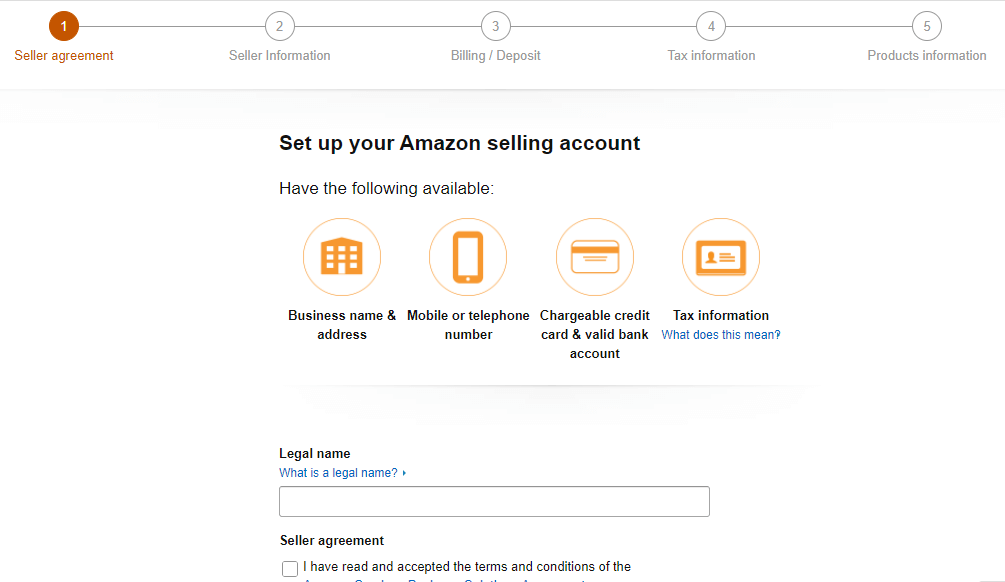
The core of setting up your Amazon Business Account involves providing accurate financial and business information to ensure seamless operations and compliance.
Gathering Essential Financial Information
Before you even begin the online registration, gather all necessary financial documents. This proactive step saves time and prevents delays.
-
Business Name and Legal Entity: Decide whether you will operate as a sole proprietorship, LLC, corporation, or partnership. This choice has significant implications for liability, taxation, and financial reporting.
-
Tax Identification Number (TIN): For U.S. sellers, this is either your Social Security Number (SSN) if you’re a sole proprietor without an EIN, or an Employer Identification Number (EIN) for other business structures. An EIN is generally recommended as it separates your personal and business finances, simplifying tax preparation.
-
Business Address and Contact Information: Ensure these are consistent across all your financial and legal documents.
-
Credit Card for Charges: Amazon requires a valid credit card on file, not just for the monthly subscription fee (if Professional) but also for any charges that might exceed your earnings, such as advertising costs or refund processing fees. It’s crucial to use a card with sufficient credit limit to avoid account interruptions.
Bank Account Verification and Deposit Methods
Linking a dedicated business bank account is perhaps the most critical financial step.
-
Separate Business Bank Account: This is non-negotiable for effective financial management. Mixing personal and business finances (commingling) complicates accounting, tax preparation, and makes it harder to assess your business’s true profitability. A separate account provides a clear audit trail for income and expenses.
-
Account Details: You’ll need to provide your bank’s routing number and your checking account number. Amazon will verify this information, often through micro-deposits, to ensure accuracy and security before enabling disbursements.
-
Currency and International Selling: If you plan to sell internationally, consider multi-currency bank accounts or services that facilitate international payments and currency conversion, minimizing exchange rate losses and streamlining cross-border financial operations.
Choosing Your Selling Plan: Individual vs. Professional
As discussed, the choice of selling plan has direct financial consequences. During setup, you’ll be prompted to select one.
-
Financial Forecasting: Base your decision on realistic sales volume projections. If you anticipate selling consistently above 40 units per month, the Professional plan’s fixed monthly fee often leads to lower overall Amazon selling costs and unlocks features critical for scaling.
-
Feature Set vs. Cost: Beyond direct fees, consider the financial value of the Professional plan’s additional features, such as bulk listing tools, inventory management reports, and promotional capabilities, all of which can indirectly boost sales and operational efficiency, thereby improving your financial outlook. You can always upgrade or downgrade your plan later based on your business’s financial performance.
Optimizing Your Amazon Account for Profitability
Setting up the account is just the beginning. True financial success hinges on meticulous management of costs, intelligent pricing, and understanding the complete financial picture.
Inventory Management and Cost of Goods Sold (COGS)
Effective inventory management is crucial for cash flow and profitability.
-
Accurate COGS Tracking: Your Cost of Goods Sold (COGS) is a fundamental metric for determining gross profit. Accurately track the cost of each item purchased, including shipping and any associated duties. This data is essential for calculating profitability and for tax purposes.
-
Inventory Turnover: Aim for optimal inventory turnover. Too much inventory ties up capital and incurs storage fees (especially with FBA). Too little inventory leads to stockouts and lost sales opportunities. Utilize Amazon’s inventory reports to monitor stock levels and forecast demand accurately.
-
Supplier Relations: Negotiate favorable terms with suppliers to reduce your COGS. Bulk discounts, extended payment terms, and reliable delivery can all contribute positively to your financial health.
Pricing Strategies for Competitive Advantage
Pricing is a delicate balance between competitiveness and profitability.
-
Profit Margin Analysis: Before listing any product, calculate your desired profit margin after accounting for COGS, Amazon referral fees, FBA fees (if applicable), shipping to Amazon, and any marketing costs. Never price solely based on competitor pricing without understanding your own costs.
-
Dynamic Pricing: Amazon’s marketplace is highly competitive. Consider using automated repricing tools that can adjust your prices dynamically within set boundaries to remain competitive while protecting your profit margins.
-
Bundling and Promotions: Strategically use bundles or run promotions (e.g., Lightning Deals, Coupons) to drive sales velocity and clear inventory, understanding the financial impact of discounted pricing on your overall income.
Understanding FBA Fees and Fulfillment Costs
If you opt for Fulfillment by Amazon (FBA), a deep understanding of its cost structure is paramount.
-
Fulfillment Fees: These cover picking, packing, and shipping orders. They vary based on product size and weight. Accurately calculate these fees into your product cost.
-
Monthly Storage Fees: Amazon charges monthly fees for storing your inventory in their fulfillment centers, which increase significantly during peak seasons (October-December). Long-term storage fees apply to inventory stored for extended periods. Efficient inventory management directly impacts these costs.
-
Inbound Shipping Costs: Factor in the cost of shipping your inventory to Amazon’s fulfillment centers. Optimizing carton sizes and working with preferred carriers can help reduce these expenses.
-
Returns Processing Fees: FBA also handles customer returns, often incurring additional processing fees that can impact your net income.
Navigating Business Finance and Compliance on Amazon
Beyond the operational setup, maintaining robust financial records and adhering to compliance standards are vital for the longevity and legality of your Amazon business.
Record-Keeping for Tax Purposes
Diligent record-keeping is not just good practice; it’s a legal requirement.
-
Income and Expense Tracking: Maintain detailed records of all income generated (gross sales, refunds processed) and all expenses incurred (COGS, Amazon fees, shipping, advertising, software subscriptions, office supplies, etc.).
-
Receipt Management: Keep digital or physical copies of all receipts for purchases, especially inventory.
-
Financial Statements: Regularly generate profit and loss statements, balance sheets, and cash flow statements. These financial reports provide insights into your business’s health and are indispensable for tax filing.
-
Tax Professional Consultation: Engage with a tax professional experienced in e-commerce. They can advise on deductions, state nexus issues, and ensure accurate tax filings, potentially saving you money and mitigating risks.
Managing Returns and Refunds Effectively
Returns are an inevitable part of e-commerce and directly impact your revenue and profitability.
-
Return Policy Understanding: Familiarize yourself with Amazon’s return policies and how they affect sellers. While Amazon manages customer service for FBA, understanding the financial implications of returns is crucial.
-
Impact on Payouts: Refunds issued directly reduce your next disbursement. Track return rates and their financial impact closely.
-
Product Quality: Investing in quality products can reduce return rates, thereby protecting your profit margins and improving customer satisfaction.
Financial Reporting Tools and Analytics
Amazon Seller Central provides a wealth of financial data.
-
Sales Dashboard: Monitor sales trends, units ordered, and gross revenue.
-
Payment Reports: Analyze disbursements, transaction details, and reconciliation reports. Understand exactly what Amazon is paying you and why.
-
Business Reports: Dive deeper into product performance, sales by ASIN, traffic, and conversion rates, all of which indirectly influence your financial outcomes by informing strategic decisions.
-
External Accounting Software: Integrate Amazon with accounting software like QuickBooks, Xero, or specialized e-commerce accounting platforms. These tools automate data entry, generate comprehensive financial reports, and streamline tax preparation, giving you a clearer financial picture with less manual effort.
Scaling Your Business: Future Financial Considerations
Once your Amazon Business Account is operational and generating income, strategic financial planning becomes crucial for scaling and long-term success.
Reinvesting Profits for Growth
Smart reinvestment is key to sustainable growth.
-
Inventory Expansion: Allocate a portion of your profits to purchase more inventory, diversify your product catalog, or invest in higher-demand items.
-
Marketing and Advertising: Invest in Amazon PPC (Pay-Per-Click) campaigns or external marketing to drive more traffic and sales to your listings. Consider the ROI of these investments.
-
Infrastructure: As your business grows, you might need to invest in better accounting software, inventory management systems, or even hire staff, all of which are financial decisions aimed at increasing efficiency and capacity.
Diversifying Your Income Streams Beyond Amazon
While Amazon offers significant income potential, relying solely on one platform carries risks.
-
Omnichannel Strategy: Explore selling on other platforms (e.g., Shopify, eBay, Walmart) or through your own e-commerce website. This diversification mitigates risks associated with policy changes, account suspensions, or market fluctuations specific to Amazon.
-
Email Marketing and Brand Building: Invest in building an audience outside Amazon, using email marketing or social media. This allows you to drive direct sales and build a customer base that isn’t solely reliant on Amazon’s algorithms, enhancing your overall financial stability.

Seeking External Funding for Expansion
As your business matures, you may require external capital for significant expansion.
-
Business Loans: Explore traditional bank loans, SBA loans, or alternative lending options. A strong financial history, clear business plan, and accurate financial statements will be essential for securing funding.
-
Amazon Lending: Amazon occasionally offers loans directly to qualified sellers, based on their sales performance and account health. This can be a convenient option for quick capital.
-
Investor Capital: For substantial growth, seeking angel investors or venture capital might be an option, though this typically involves giving up a stake in your company.
Setting up an Amazon Business Account is fundamentally a financial endeavor. By meticulously managing costs, optimizing pricing, adhering to tax obligations, and making informed financial decisions at every stage, you can transform your Amazon venture into a robust and sustainable source of income.
aViewFromTheCave is a participant in the Amazon Services LLC Associates Program, an affiliate advertising program designed to provide a means for sites to earn advertising fees by advertising and linking to Amazon.com. Amazon, the Amazon logo, AmazonSupply, and the AmazonSupply logo are trademarks of Amazon.com, Inc. or its affiliates. As an Amazon Associate we earn affiliate commissions from qualifying purchases.