
The Strategic Nexus: Amazon, Whole Foods, and Customer Convenience
The integration of Amazon and Whole Foods Market extends far beyond a simple acquisition; it represents a sophisticated masterclass in brand strategy, aiming to bridge the enduring divide between e-commerce convenience and the tangible reliability of brick-and-mortar retail. At its core, the ability to return Amazon purchases at Whole Foods stores is not merely a logistical solution but a deliberate enhancement of the customer experience, designed to reinforce brand loyalty and expand the reach of both entities.
Amazon, a pioneer in digital convenience, has consistently sought innovative ways to simplify every facet of the customer journey, from browsing to delivery. However, the one area that has traditionally posed a challenge for online retailers is the returns process. It can be cumbersome, involving packaging, printing labels, and trips to the post office – friction points that contradict the very essence of online shopping’s ease. Whole Foods, with its extensive network of physical locations and established reputation for quality, offered Amazon a unique opportunity to address this pain point directly.

This strategic alignment transforms Whole Foods from solely a grocery destination into a critical physical touchpoint within the vast Amazon ecosystem. By facilitating returns, Amazon leverages Whole Foods’ retail footprint to offer an unparalleled level of convenience that directly impacts customer satisfaction and reduces purchase anxiety. For Whole Foods, it means increased foot traffic and an opportunity to introduce its brand to a broader segment of Amazon shoppers who might not typically frequent organic grocery stores. It’s a symbiotic relationship, where each brand enhances the other’s value proposition, demonstrating a keen understanding of modern consumer expectations for seamless, integrated service across all channels. This move underscores a fundamental shift in corporate identity, where a purely digital giant cleverly incorporates physical assets to solidify its market dominance and deepen its relationship with its customer base.
Unpacking the Brand Synergy: A Seamless Customer Journey
The process of returning an Amazon item at Whole Foods is a prime example of thoughtful service design and brand synergy, meticulously crafted to eliminate friction and elevate the customer experience. This isn’t just a transactional exchange; it’s a carefully orchestrated interaction that reflects Amazon’s commitment to convenience and Whole Foods’ role as a welcoming, accessible service hub. The ‘how-to’ aspect of this service is fundamentally about translating complex logistics into a simple, intuitive user journey, a hallmark of strong brand execution.
The journey begins online, where the customer initiates the return through their Amazon account. Instead of being directed to print a label or package the item, they are presented with the option to drop it off at a Whole Foods Market. This choice is immediately appealing because it promises simplicity: no box, no label, often no prior packaging required. Upon selection, a unique QR code is generated. This digital integration is crucial; it means the customer’s interaction with the physical store is streamlined and virtually paperless, reflecting a modern, tech-forward brand identity.
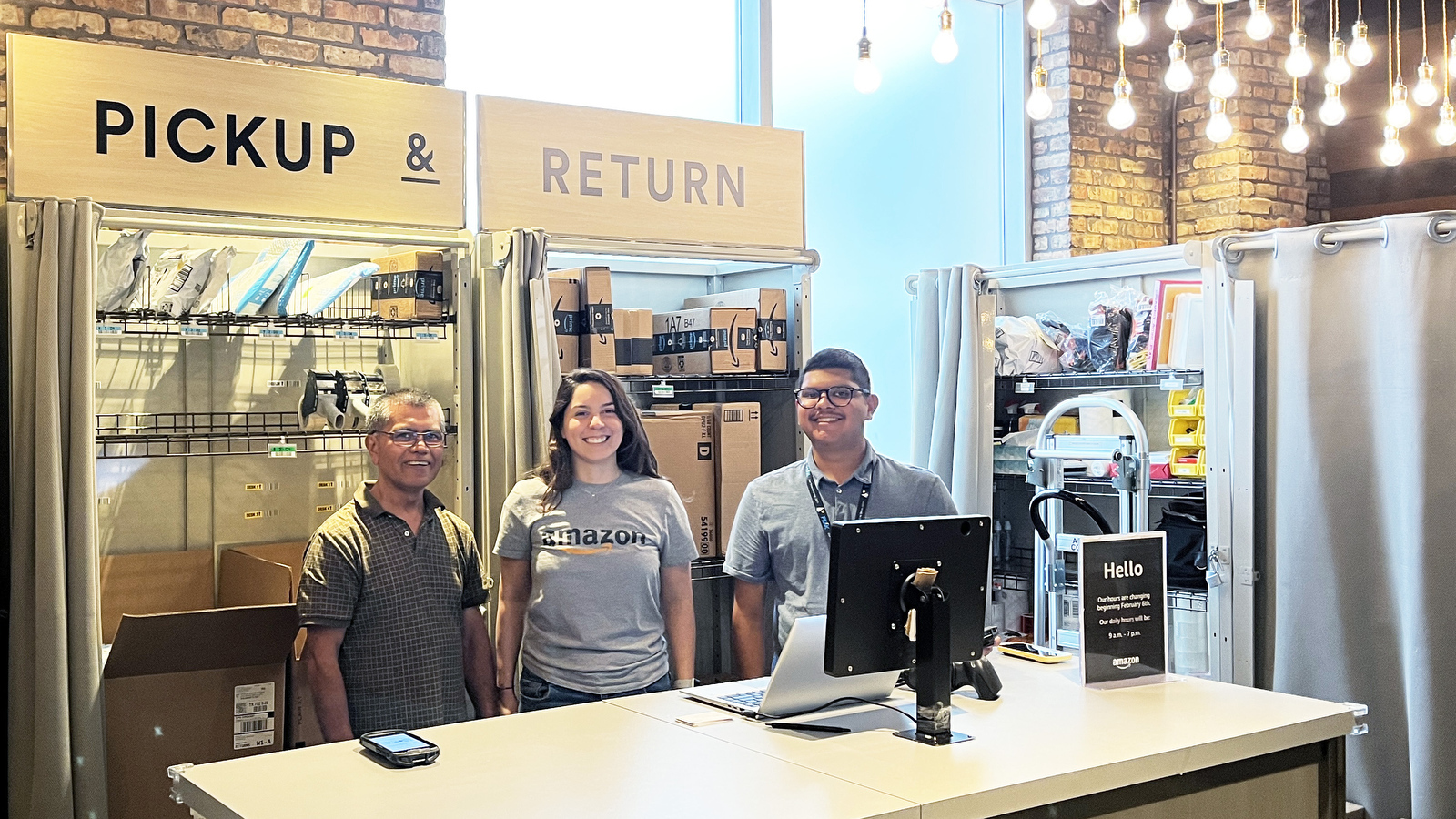
Once at a Whole Foods store, dedicated Amazon return counters or kiosks are often prominently placed, sometimes near the customer service desk. The interaction is swift: the customer presents their QR code to an associate, who scans it and takes the unpackaged item. The entire process typically takes less than a minute. This efficiency is a powerful brand differentiator. It contrasts sharply with the traditional return experience, which often involves multiple steps and can feel like a chore. By minimizing effort and maximizing speed, Amazon and Whole Foods collectively reinforce a brand promise of hassle-free service. This seamless flow from digital initiation to physical completion not only resolves a common customer pain point but also enhances the overall perception of both brands as exceptionally customer-centric and forward-thinking in their service delivery. It transforms a potentially negative experience (returning a product) into a positive touchpoint that strengthens brand affinity.
Leveraging Physical Footprint: Whole Foods as an Extension of Amazon’s Brand
The decision to enable Amazon returns at Whole Foods is a powerful illustration of how a digital-first brand can strategically leverage physical assets to extend its reach, enhance service delivery, and reinforce its corporate identity. Whole Foods stores are no longer just places to buy organic groceries; they are now vital components of Amazon’s intricate fulfillment and reverse logistics network, acting as tangible extensions of the Amazon brand in local communities.
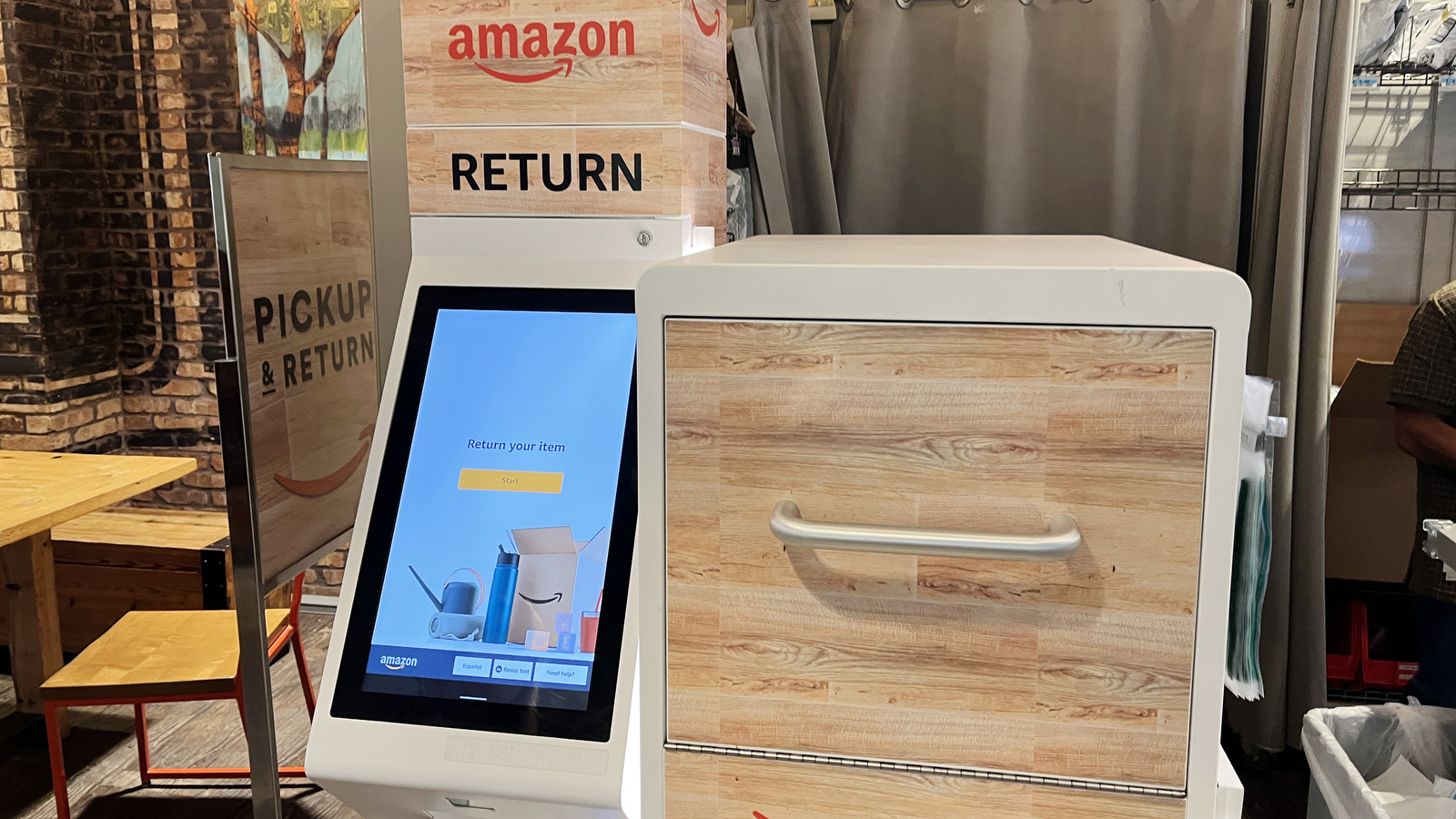
For Amazon, the benefits are multifaceted. Firstly, it significantly reduces the cost and complexity associated with reverse logistics. By consolidating returns at specific drop-off points, Amazon can optimize its collection routes, reduce individual shipping expenses, and streamline the processing of returned items. This efficiency directly impacts profitability and operational sustainability. Secondly, it strengthens Amazon’s position in the highly competitive e-commerce landscape by addressing one of its inherent weaknesses: the lack of a physical presence for immediate service interactions. Whole Foods provides this physical anchor, offering customers a convenient, accessible solution that rivals the ease of in-store returns for traditional retailers.
Conversely, for Whole Foods, this partnership offers substantial advantages in terms of marketing and brand exposure. The return service drives new foot traffic into its stores, often from individuals who might not regularly shop there. This creates opportunities for incidental purchases, introduces Whole Foods’ product offerings to a wider audience, and allows the brand to showcase its inviting store environment and customer service ethos. It positions Whole Foods as a modern, integrated service hub, reinforcing its identity within the broader Amazon ecosystem and distinguishing it from other grocery retailers. This strategic use of physical space transforms Whole Foods locations into mini-distribution and service centers for Amazon, effectively blurring the lines between online and offline retail and creating a more robust, interconnected brand experience for the consumer. It’s a compelling case study in how corporate identity can evolve and expand through intelligent cross-brand synergy.
Beyond Logistics: The Brand Perception and Loyalty Dividend
While the logistical efficiencies and operational benefits of enabling Amazon returns at Whole Foods are significant, the most profound impact lies in the realm of brand perception and the cultivation of enduring customer loyalty. This service transcends mere convenience; it actively shapes how consumers view both Amazon and Whole Foods, reinforcing their value propositions and deepening the emotional connection with their respective customer bases.
For Amazon, offering such a seamless return process bolsters its reputation as an innovative, customer-centric brand. It mitigates the common frustration associated with online returns, transforming a potential negative experience into a positive reinforcement of trust and reliability. This reduces purchase anxiety, encouraging customers to shop more frequently and with greater confidence on Amazon. Knowing that a return is easy removes a significant barrier to making a purchase decision, directly impacting sales volume and customer lifetime value. It positions Amazon not just as a retailer, but as a comprehensive service provider that anticipates and solves customer pain points, further differentiating it from competitors who may offer less convenient options.
For Whole Foods, the association with Amazon’s convenience and customer-first approach enhances its own brand image. It positions Whole Foods as a modern, integrated, and highly relevant retailer that offers more than just groceries. The increased foot traffic provides opportunities for Whole Foods to showcase its commitment to quality products, community engagement, and excellent customer service, converting return-drop-offs into potential long-term shoppers. This partnership essentially expands Whole Foods’ corporate identity, allowing it to be seen as a dynamic part of a larger, innovative ecosystem. Ultimately, the ease and accessibility of the return service foster a stronger sense of loyalty for both brands. Customers who have a positive return experience are more likely to return for future purchases, reinforcing the cycle of engagement and solidifying the trust that underpins successful brand relationships in the digital age.
Blueprint for Brand Partnerships: Lessons from Amazon and Whole Foods
The strategic collaboration between Amazon and Whole Foods for returns offers a compelling case study in successful brand partnerships, providing a blueprint for other organizations seeking to leverage complementary strengths and enhance customer value. This integration is more than a simple operational alignment; it’s a masterclass in how corporate identity can be extended and enriched through strategic synergy.
One key lesson is the importance of identifying complementary assets and shared customer pain points. Amazon recognized the friction in online returns, while Whole Foods possessed the physical footprint and customer service infrastructure to address it. Successful partnerships aren’t just about size, but about how different strengths can combine to create a solution greater than the sum of its parts. This approach allows brands to expand their service offerings without significant capital investment in new infrastructure, by optimizing existing resources.
Secondly, the partnership highlights the power of reducing customer friction as a core brand strategy. The “no box, no label” return policy at Whole Foods is a testament to designing an experience that prioritizes customer ease above all else. Brands looking to innovate should scrutinize every touchpoint for potential pain points and proactively design solutions that align with their promise of convenience and efficiency. This focus on seamless user experience directly translates into enhanced brand perception and customer loyalty.
Thirdly, this case demonstrates the strategic advantage of leveraging physical and digital integration. Amazon, a digital giant, strategically utilizes Whole Foods’ physical presence to enhance its service delivery. This omnichannel approach creates a unified brand experience, catering to diverse customer preferences and blurring the lines between online and offline interactions. For brands operating in increasingly hybridized markets, understanding how to weave digital services into physical spaces (and vice-versa) is critical for sustained relevance and competitive advantage.
Finally, the Amazon-Whole Foods partnership underscores the mutual benefit in cross-pollinating customer bases. While Amazon gains a critical physical touchpoint, Whole Foods attracts new visitors, potentially converting them into loyal grocery shoppers. This symbiotic marketing effect enhances brand visibility and introduces each brand to segments it might not otherwise easily reach. In essence, the success of this model lies in its ability to create a win-win scenario, reinforcing the corporate identities of both entities while delivering exceptional value to the end consumer. It’s a powerful illustration of how strategic alliances can redefine market leadership and customer engagement.
aViewFromTheCave is a participant in the Amazon Services LLC Associates Program, an affiliate advertising program designed to provide a means for sites to earn advertising fees by advertising and linking to Amazon.com. Amazon, the Amazon logo, AmazonSupply, and the AmazonSupply logo are trademarks of Amazon.com, Inc. or its affiliates. As an Amazon Associate we earn affiliate commissions from qualifying purchases.