
In today’s fast-paced commercial landscape, optimizing operational costs and streamlining procurement processes are paramount for businesses of all sizes. The Amazon Business account emerges as a powerful financial tool designed to meet these exact needs, offering a comprehensive suite of features that go beyond standard consumer purchasing. For finance managers, procurement specialists, and business owners alike, understanding how to strategically leverage this platform can translate directly into substantial savings, enhanced financial control, and improved budgetary management. This guide delves into the specifics of setting up an Amazon Business account, framing it not just as a procedural task but as a strategic financial decision.

Understanding the Financial Value Proposition of Amazon Business
An Amazon Business account is far more than just a business version of your personal Amazon profile. It’s a dedicated B2B marketplace engineered to facilitate efficient procurement, offer tailored financial incentives, and provide robust tools for expense management and budget oversight. From small startups to large enterprises, the financial benefits are diverse and impactful.
Streamlining Business Procurement and Spending
At its core, Amazon Business simplifies the purchasing of goods and services necessary for business operations. This simplification directly impacts efficiency, reducing the time and resources traditionally spent on sourcing and buying. Instead of juggling multiple vendors and complex invoicing systems, businesses can consolidate their purchasing through a single, familiar platform. This centralization naturally leads to better financial oversight, as spending patterns become easier to track and analyze. The ability to find a vast array of products, from office supplies and IT equipment to industrial components and janitorial provisions, under one roof minimizes administrative overhead and reduces the financial friction associated with diversified sourcing.
Unlocking Exclusive Financial Benefits and Savings
One of the most compelling reasons for finance-conscious organizations to adopt Amazon Business lies in its exclusive financial benefits. These include business-only pricing on millions of products, which can represent significant cost savings, especially for bulk orders or frequently purchased items. Tiered quantity discounts further incentivize larger purchases, allowing businesses to optimize their inventory costs. Furthermore, many sellers on Amazon Business offer tax-exempt purchases, a critical feature for businesses to avoid paying sales tax on eligible items, directly impacting the bottom line. Access to business credit lines and diverse payment solutions, including purchase orders and corporate credit cards, also provides financial flexibility and streamlines reconciliation processes, improving cash flow management.
Enhancing Financial Transparency and Control
Effective financial management hinges on transparency and control. Amazon Business provides a suite of analytics and reporting tools that offer unprecedented insight into purchasing behavior. Finance teams can generate detailed spending reports by user, department, or cost center, making budget allocation and expense tracking far more precise. This granular data allows for identification of spending trends, potential areas for cost reduction, and compliance with internal purchasing policies. Multi-user accounts with customizable spending limits and approval workflows further empower finance departments to maintain stringent control over expenditures, preventing unauthorized purchases and ensuring adherence to budgetary constraints.
The Step-by-Step Financial Onboarding Process
Opening an Amazon Business account is a straightforward process, but understanding the financial implications and requirements at each stage is crucial for a smooth setup and immediate realization of benefits.
Eligibility Criteria and Initial Preparations
Before initiating the registration, ensure your business meets Amazon’s eligibility criteria. Generally, this requires a valid business name, a recognized business address, and often a tax identification number (EIN for U.S. businesses, or equivalent for international entities). Having your business registration documents, contact information for key personnel, and financial account details (for payment methods) readily accessible will expedite the process. It’s important to differentiate between a personal Amazon account and a business one; Amazon Business is specifically designed for legitimate businesses making purchases for commercial use, not for personal consumption or resale without proper business registration.
Navigating the Registration Portal
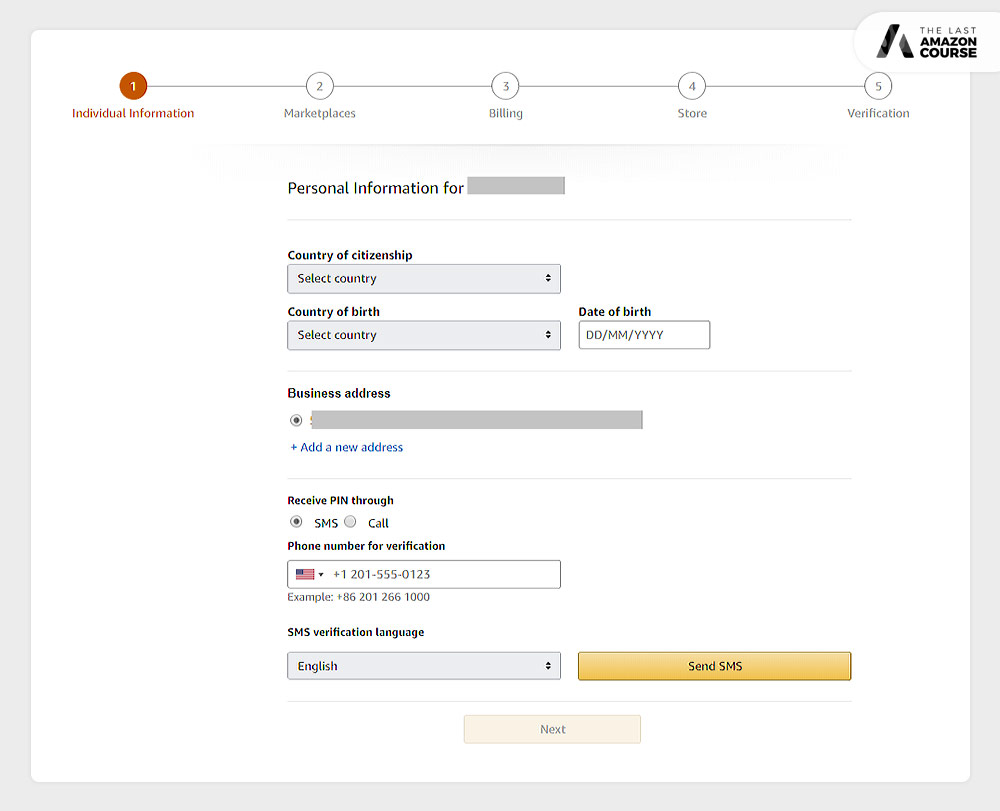
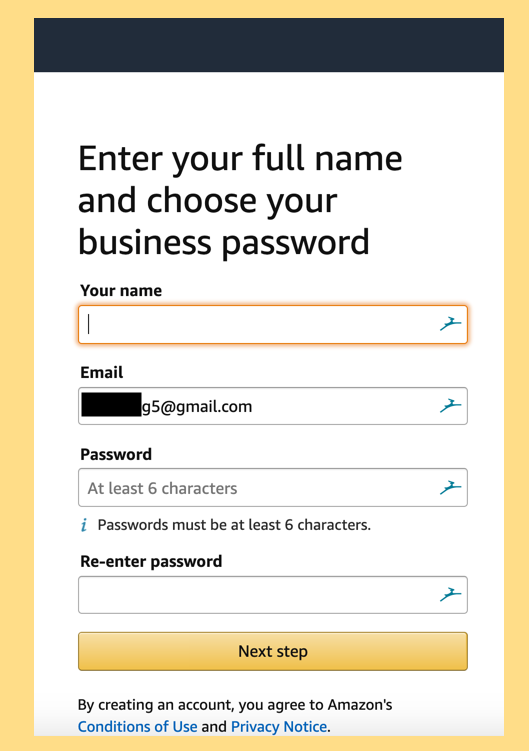
The process typically begins on the Amazon Business website. You’ll be prompted to provide your business email address, which will serve as your primary account identifier. If you already have a personal Amazon account linked to that email, you’ll be given the option to convert it or use a different email. For finance departments managing multiple entities or branches, it’s advisable to use a dedicated business email that aligns with corporate communication protocols. You’ll then enter your business’s legal name, address, and industry. Ensure all information is accurate and consistent with official business records to avoid delays in verification.
Verifying Your Business and Financial Credentials
Post-registration, Amazon will initiate a verification process to confirm your business’s legitimacy. This often involves cross-referencing the provided information with public business registries or requesting additional documentation, such as tax certificates, business licenses, or utility bills. This step is critical for ensuring the integrity of the B2B marketplace and for enabling features like tax exemption. During this phase, you will also be prompted to add payment methods. This is a key financial decision point. Consider linking corporate credit cards, setting up a line of credit (if applicable), or integrating purchase order systems. A robust setup here will simplify future expense tracking and reconciliation.
Optimizing Your Account for Maximum Financial Advantage
Once your Amazon Business account is active, the real work of leveraging it for financial efficiency begins. Proper configuration and ongoing management are essential to fully unlock its potential.
Setting Up Payment Methods and Credit Lines
Beyond simply adding a corporate credit card, explore the full spectrum of payment options. Amazon Business allows for multiple payment methods, which can be assigned to different users or departments. For larger organizations, establishing a corporate credit line directly with Amazon (subject to approval) can offer extended payment terms and simplify bulk purchasing, improving cash flow. Implementing purchase order systems through the platform further enhances control by allowing pre-approved spending and easier reconciliation with your accounting software. Strategic selection and allocation of payment methods are central to maintaining financial integrity and streamlining procurement cycles.
Managing Tax Exemption for Business Purchases
One of the most significant financial benefits is the ability to make tax-exempt purchases. This feature requires you to upload your state sales tax exemption certificates (or equivalent documentation) to your account. Once approved, Amazon automatically applies the exemption to eligible orders, preventing unnecessary expenditure on sales tax. Regularly review your tax exemption settings and ensure all relevant certificates are up-to-date, especially if your business operates in multiple jurisdictions or its tax status changes. Proactive management of tax exemption can lead to substantial, direct savings over time.
Leveraging Business Analytics for Budgeting and Cost Control
The powerful analytics dashboard is a treasure trove for finance professionals. Dive into detailed reports on spending by category, user, supplier, or custom tags. Use this data to identify your most frequent purchases, understand unit costs, and detect opportunities for bulk discounts or alternative suppliers. Integrate these insights into your budgeting processes, forecast future expenditures more accurately, and justify purchasing decisions with solid data. Regularly reviewing these analytics can pinpoint areas of wasteful spending and inform strategies for achieving greater cost efficiency.
Integrating Amazon Business into Your Financial Ecosystem
For a truly optimized financial operation, Amazon Business should not operate in isolation but rather seamlessly integrate with your existing financial tools and workflows.
Group Purchasing and Multi-User Accounts for Departmental Budgets
Amazon Business excels in its capacity for multi-user accounts. Establish groups based on departments, teams, or project codes. Assign specific administrators, allocate distinct spending limits, and implement approval workflows. This structure mirrors internal organizational hierarchies and empowers departmental heads to manage their specific budgets more autonomously while still providing central financial oversight. Group purchasing features, such as shared lists and consolidated invoices, further streamline procurement for multi-departmental needs, leading to potentially better pricing and reduced administrative burden.
Expense Reporting and Accounting Software Integration
The detailed purchase history and consolidated invoicing provided by Amazon Business are invaluable for expense reporting. Many accounting software solutions offer direct integrations or easy data import options for Amazon Business transactions. This capability drastically reduces manual data entry, minimizes errors, and accelerates the monthly or quarterly close process. By automating the flow of financial data from procurement to accounting, businesses can gain real-time visibility into their spending and ensure compliance with financial regulations and internal policies.
Strategic Sourcing for Financial Sustainability
Beyond day-to-day purchases, utilize Amazon Business as a strategic sourcing tool. Explore the vast marketplace for niche items, compare prices from multiple vendors for standard goods, and identify opportunities for long-term supply agreements. The ability to easily compare product specifications, read reviews, and assess seller reliability contributes to more informed purchasing decisions that support long-term financial sustainability. Proactive sourcing through the platform can reduce reliance on single suppliers, mitigate supply chain risks, and ensure competitive pricing across your entire procurement portfolio.
Common Financial Pitfalls and How to Avoid Them
Even with the robust features of Amazon Business, certain missteps can hinder your financial optimization efforts. Awareness and proactive management are key.
Overlooking Group Savings and Volume Discounts
A common pitfall is treating Amazon Business like a series of individual transactions rather than a unified procurement channel. Finance teams should encourage users to consolidate orders where possible, pool resources across departments, and actively seek out volume discounts. Failure to leverage these bulk buying opportunities can leave significant savings on the table. Regular training and communication with purchasing teams about these features are crucial.
Inefficient Tax Exemption Management
Despite its simplicity, some businesses fail to consistently apply tax exemptions. This can occur if new products are added by sellers that require re-verification, or if purchasing staff are unaware of the correct procedures. Periodically audit your purchases to ensure sales tax isn’t being unnecessarily paid on eligible items. Maintain up-to-date tax certificates and ensure they are correctly linked to your account.
Lack of Regular Financial Review of Spending
Setting up the account is only the first step. Neglecting to regularly review the spending analytics provided by Amazon Business means missing out on crucial insights. Without periodic analysis, businesses cannot identify spending trends, pinpoint inefficiencies, or make data-driven adjustments to their budgets and procurement strategies. Make a commitment to routine financial reviews of your Amazon Business account data to ensure ongoing cost optimization and financial health.
In conclusion, an Amazon Business account is a powerful financial instrument for any organization aiming to enhance its procurement efficiency, control expenditures, and achieve greater financial transparency. By strategically setting up your account, optimizing its features, and integrating it seamlessly into your financial ecosystem, businesses can unlock substantial savings and build a more robust, financially disciplined operation. The initial setup is a small investment of time that yields significant, long-term returns in financial control and operational efficiency.
aViewFromTheCave is a participant in the Amazon Services LLC Associates Program, an affiliate advertising program designed to provide a means for sites to earn advertising fees by advertising and linking to Amazon.com. Amazon, the Amazon logo, AmazonSupply, and the AmazonSupply logo are trademarks of Amazon.com, Inc. or its affiliates. As an Amazon Associate we earn affiliate commissions from qualifying purchases.