
In the vast landscape of online retail, Amazon stands as a titan, offering an unparalleled selection of products delivered directly to our doorsteps. While the convenience is undeniable, the hidden cost of shipping fees can subtly erode our personal finances if not managed strategically. For the financially astute consumer, understanding how to consistently secure free delivery on Amazon is not just a mere perk; it’s a fundamental component of smart budgeting, maximizing savings, and optimizing online spending. This guide delves into the various avenues available to Amazon shoppers, both Prime and non-Prime members, to eliminate delivery costs and foster more intelligent financial habits in the digital age.

The Financial Advantage of Free Delivery
The allure of online shopping often overshadows the underlying costs that can accumulate quickly. A seemingly small shipping fee, repeatedly applied, can sum up to a significant drain on one’s budget over time. Recognizing and mitigating these costs is a cornerstone of responsible personal finance.
Understanding the True Cost of Online Shopping
When we click “add to cart,” our focus is typically on the item’s price. However, the true cost of an online purchase encompasses not only the item itself but also sales tax, potential customs duties, and, crucially, shipping fees. A £5 item with a £3 shipping charge is effectively a £8 purchase – a 60% increase in cost. Over a year, if one makes just two such purchases a month, that’s £72 spent purely on delivery, money that could have been saved, invested, or allocated to other financial goals. For larger or heavier items, shipping costs can skyrocket, turning an apparent deal into a budget buster. Savvy shoppers understand that a lower item price is often negated by high shipping, making free delivery an essential element in the calculus of value.
The Cumulative Savings: Small Wins, Big Impact
The principle of cumulative savings is powerful. Just as small, consistent investments compound over time to build significant wealth, small, consistent savings – like eliminating shipping fees – prevent financial leakage. Consider a household that orders from Amazon 2-3 times a month. If each order incurs an average shipping fee of £4, that’s £8-£12 per month, or £96-£144 annually. This seemingly modest sum, when freed up, could contribute to an emergency fund, cover a subscription service, or even kickstart a small investment. For individuals on tight budgets, every pound saved is a pound earned, directly impacting their disposable income and financial stability. Free delivery isn’t just about avoiding a charge; it’s about retaining capital within your personal economy.
Budgeting and Financial Planning with Free Shipping in Mind
Effective financial planning requires a clear understanding of all expenditures. By making free delivery a standard expectation rather than a sporadic bonus, consumers can build more accurate and predictable shopping budgets. Instead of mentally allocating a contingency for shipping, that money can be firmly assigned to savings, debt repayment, or specific spending categories. Integrating free delivery strategies into one’s shopping routine transforms it from an unplanned expense into a controllable variable, offering greater financial clarity and empowering individuals to make more informed purchasing decisions. It shifts the mindset from reactive spending to proactive financial management.
Leveraging Amazon Prime for Consistent Savings
For many frequent Amazon shoppers, the most straightforward and comprehensive path to free delivery is through an Amazon Prime membership. However, it’s crucial to approach this decision with a sound financial perspective, weighing the costs against the benefits.
The Cost-Benefit Analysis of a Prime Membership
An Amazon Prime membership comes with an annual or monthly fee. Before subscribing, a prudent financial assessment is necessary. How often do you shop on Amazon? What is the average shipping fee you currently pay per order? If you make frequent purchases and regularly pay for expedited shipping, the membership fee could quickly pay for itself. For instance, if the annual Prime fee is £95 and you typically pay £5 per shipment, you’d only need to place 19 orders in a year for the shipping savings alone to cover the membership cost. Beyond this threshold, every subsequent free delivery represents pure savings. This analysis must be personalized; a sporadic shopper might find the membership an unnecessary expense, while a heavy user will likely see it as an indispensable financial tool.
Beyond Shipping: Additional Financial Perks of Prime
The financial value of Prime extends far beyond free shipping. Members gain access to a suite of benefits that can further enhance savings and enrich their financial well-being. Prime Video offers a vast library of movies and TV shows, potentially eliminating the need for other streaming subscriptions. Prime Music provides ad-free access to millions of songs, saving on individual track purchases or other music services. Prime Reading offers a rotating selection of free eBooks. Prime Photos provides unlimited cloud storage for photos, a valuable service that might otherwise incur a separate cost. Exclusive access to Prime Day deals and other member-only discounts can lead to substantial savings on a wide range of products throughout the year. When conducting a cost-benefit analysis, these additional perks should be factored in as tangible financial advantages, adding to the overall value proposition of the membership.
Maximizing Your Prime Value: Annual vs. Monthly Billing & Student/EBT Discounts
To maximize the financial efficiency of a Prime membership, consider the billing cycle. An annual membership typically offers a discount compared to paying month-to-month, rewarding longer-term commitment with greater savings. For students, Amazon offers a significantly discounted Prime Student membership, often with an extended free trial period. This can be an incredible financial boon for those on tight budgets, providing all the Prime benefits at a fraction of the cost. Similarly, individuals receiving qualifying government assistance (like EBT or Medicaid) may be eligible for a reduced-price Prime membership. Exploring these special programs can dramatically lower the barrier to entry and make Prime’s financial benefits accessible to a wider demographic, ensuring more people can save on delivery costs and access other valuable services.
Alternative Strategies for Non-Prime Members to Avoid Shipping Fees
Not everyone needs or wants a Prime membership, and that’s perfectly fine. Amazon still offers several avenues for non-Prime members to secure free delivery, requiring a bit more planning and strategic shopping. These methods are excellent for individuals focused on short-term savings or those who only occasionally purchase from the platform.
Reaching the Minimum Order Threshold: Strategic Bundling and Wishlist Management
Amazon typically offers free standard shipping for eligible orders that meet a certain minimum value (this threshold can vary by region and over time). For non-Prime members, the most common strategy to avoid shipping fees is to consolidate purchases and reach this minimum. This requires a shift from impulse buying to planned purchasing. Maintain a running wishlist of items you genuinely need or want. When you’re ready to place an order, review your wishlist and group multiple items together to hit the free shipping threshold. Instead of buying a single item as soon as you need it, consider if other non-urgent items could be bundled with it. This disciplined approach not only saves on shipping but also encourages more thoughtful spending and reduces the frequency of individual transactions.
Utilizing Amazon’s “Add-on” Items Strategically
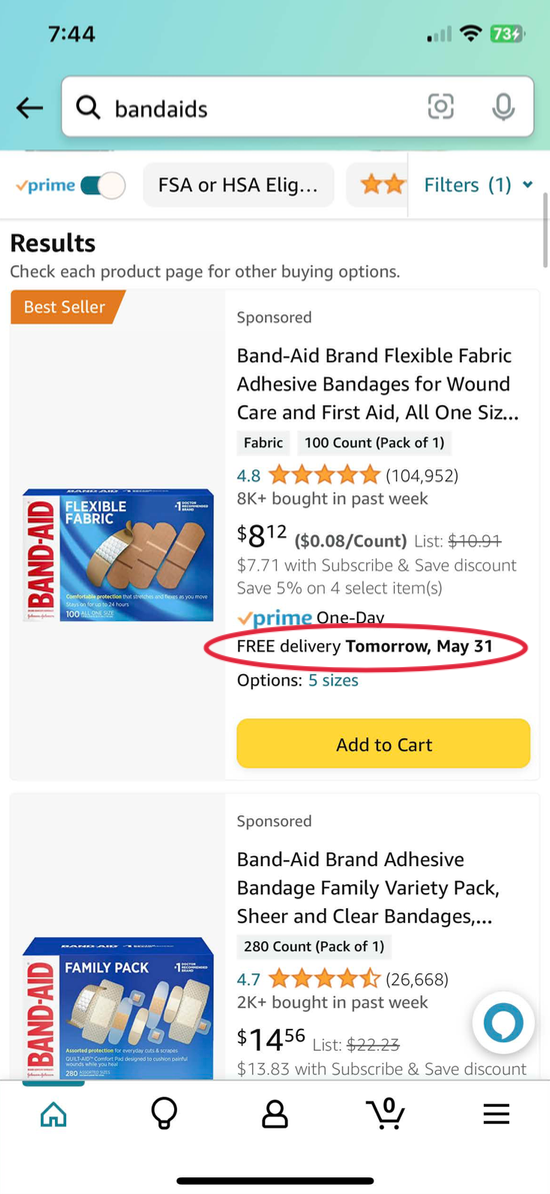
Amazon features “Add-on” items, which are typically low-priced products that are uneconomical to ship individually. These items can only be purchased as part of an order that meets a specific minimum value (often the same as the free shipping threshold). For non-Prime members, strategically adding these items can be a clever way to push an order over the free shipping limit. If you’re just a few pounds short of the minimum, browse the Add-on section for essentials like batteries, cleaning supplies, or small household goods that you’ll eventually need anyway. This turns a potential shipping fee into a practical purchase, effectively shifting a cost into a usable product.
Exploring Specific Product Categories with Free Shipping Offers
Certain product categories on Amazon frequently offer free shipping independently of Prime membership or minimum order thresholds. Books are a prime example; historically, Amazon has often provided free media mail shipping for books. Keep an eye out for specific promotions or banners on product pages that indicate “Free Shipping” for that particular item. Sometimes, specific sellers, even third-party ones, might offer free shipping on their products to be competitive. Always check the shipping details on the product page before adding an item to your cart, as these details can vary significantly from one seller or category to another.
Amazon Lockers and Pickup Points: A Cost-Effective Convenience
For those who live near an Amazon Locker or other designated pickup point, this can be an excellent way to receive items for free, even without a Prime membership. Many eligible orders, regardless of value, can be shipped to an Amazon Locker for free standard delivery. This option not only saves on shipping fees but also offers enhanced security and flexibility, allowing you to pick up your package at your convenience. From a financial perspective, it eliminates the direct cost of home delivery and can even save indirect costs associated with missed deliveries or package theft. Check if your desired items are eligible for Locker delivery and if there’s a convenient location near you.
Smart Shopping Habits to Optimize Delivery Costs
Beyond specific membership types or minimum thresholds, adopting smart shopping habits can fundamentally alter your financial relationship with Amazon delivery. These practices focus on foresight, consolidation, and leveraging available tools to minimize expenditure.
Consolidating Orders: Planning Ahead to Minimize Shipments
The most impactful habit for saving on delivery costs is consolidation. Instead of placing multiple small orders as needs arise, take a moment to plan your purchases. Keep a running list of items you intend to buy from Amazon. When you have several items, or when one urgent need arises, group them into a single, larger order. This not only helps hit free shipping thresholds but also reduces the environmental footprint of multiple individual shipments. For Prime members, while individual shipments are free, consolidating still offers efficiency and potentially reduces the number of boxes and packaging waste. This proactive approach to shopping requires a small shift in mindset but yields consistent financial benefits.
Price Tracking and Deal Alerts for Combined Savings
Strategic shoppers don’t just look for free delivery; they also look for the best price. Tools and browser extensions that track Amazon prices can alert you when an item drops in price, allowing you to combine a good deal with free shipping. Services like Keepa or CamelCamelCamel provide historical price data, helping you determine if a current “deal” is truly a saving. Moreover, signing up for deal alerts can notify you of upcoming promotions. By marrying price savings with delivery savings, you amplify your financial advantage, ensuring you get the most value for your money spent on the platform. This multi-layered approach to saving is a hallmark of sophisticated personal finance management.
Understanding Seller-Specific Shipping Policies
Amazon hosts millions of third-party sellers, and their shipping policies can vary widely. While items “Fulfilled by Amazon” typically adhere to Amazon’s own shipping rules (including Prime eligibility and minimum thresholds), items shipped directly by third-party sellers (“Fulfilled by Merchant”) often have their own unique shipping fees and free shipping criteria. Before purchasing from a third-party seller, always scrutinize their shipping details. Some might offer free shipping at a lower threshold than Amazon’s standard, while others might charge significantly more. Understanding these nuances is crucial for making informed financial decisions and avoiding unexpected costs.
Returns and Exchanges: Free Delivery Implications
Even after successfully securing free delivery for your initial purchase, consider the implications for returns and exchanges. Amazon’s return policy is generally very customer-friendly, often offering free returns for eligible items. However, some third-party sellers might charge for return shipping, or specific reasons for return might not qualify for free return shipping. From a financial standpoint, always be aware of the return policy for any item you purchase, especially if you’re uncertain about keeping it. A “free delivery” purchase isn’t truly free if you have to pay to send it back. Reading the fine print protects your initial savings and prevents unforeseen expenses down the line.
Beyond Amazon: Broader Financial Implications of Delivery Choices
The strategies for free delivery on Amazon are excellent tactics, but they also serve as a microcosm for broader financial decision-making in the realm of consumer spending. Understanding the financial implications of delivery choices extends beyond a single platform.
Comparing Shipping Costs Across Retailers
Amazon is just one of many online retailers. Before making a purchase, especially for items that are not urgent or unique to Amazon, it’s financially prudent to compare not just the item’s price but also the total cost, including shipping, across different platforms. Many retailers offer their own free shipping thresholds, loyalty programs, or in-store pickup options that can save you money. A product that is slightly more expensive on a competitor’s site might end up being cheaper overall if they offer free shipping while Amazon charges for it, or vice-versa. This comparative shopping habit ensures that you always secure the best possible deal, optimizing your financial outlay for every purchase.
The Environmental Cost vs. Financial Savings of Delivery Options
While our primary focus has been on personal financial savings, it’s also worth acknowledging the environmental implications of delivery choices. Frequent, small orders, even with free shipping, contribute to increased packaging waste and carbon emissions from transportation. From a broader financial perspective – the cost to society and the planet – consolidating orders and making conscious choices about delivery speed (opting for standard rather than expedited when not urgent) can have a positive impact. While not directly reflected in your personal bank account, understanding these external costs aligns with a holistic view of responsible financial and consumer behavior.

Long-Term Financial Planning: Incorporating Delivery Costs into Household Budgets
Ultimately, the goal of understanding free delivery strategies is to integrate them into a robust system of long-term financial planning. By consistently minimizing or eliminating shipping costs, households can free up funds that can be directed towards more impactful financial goals: building an emergency fund, contributing to retirement savings, paying down high-interest debt, or investing for the future. Every pound saved on delivery fees is a pound that can be put to work, compounding over time to enhance financial security and wealth. Making free delivery a habit is not just about momentary savings; it’s about embedding a financially savvy mindset into every aspect of your consumer journey, empowering you to take greater control over your money and achieve your long-term financial aspirations.
aViewFromTheCave is a participant in the Amazon Services LLC Associates Program, an affiliate advertising program designed to provide a means for sites to earn advertising fees by advertising and linking to Amazon.com. Amazon, the Amazon logo, AmazonSupply, and the AmazonSupply logo are trademarks of Amazon.com, Inc. or its affiliates. As an Amazon Associate we earn affiliate commissions from qualifying purchases.