
Navigating the financial landscape of business operations often brings questions about various platform costs, and Amazon is no exception. For many entrepreneurs, small business owners, and large corporations alike, Amazon Business represents a powerful tool for procurement, but a common initial query revolves around its pricing structure. Understanding “how much an Amazon Business account is” requires a nuanced look, distinguishing between the cost of the account itself and the various financial commitments and opportunities associated with its use.
Understanding the Core Cost: Is an Amazon Business Account Free?
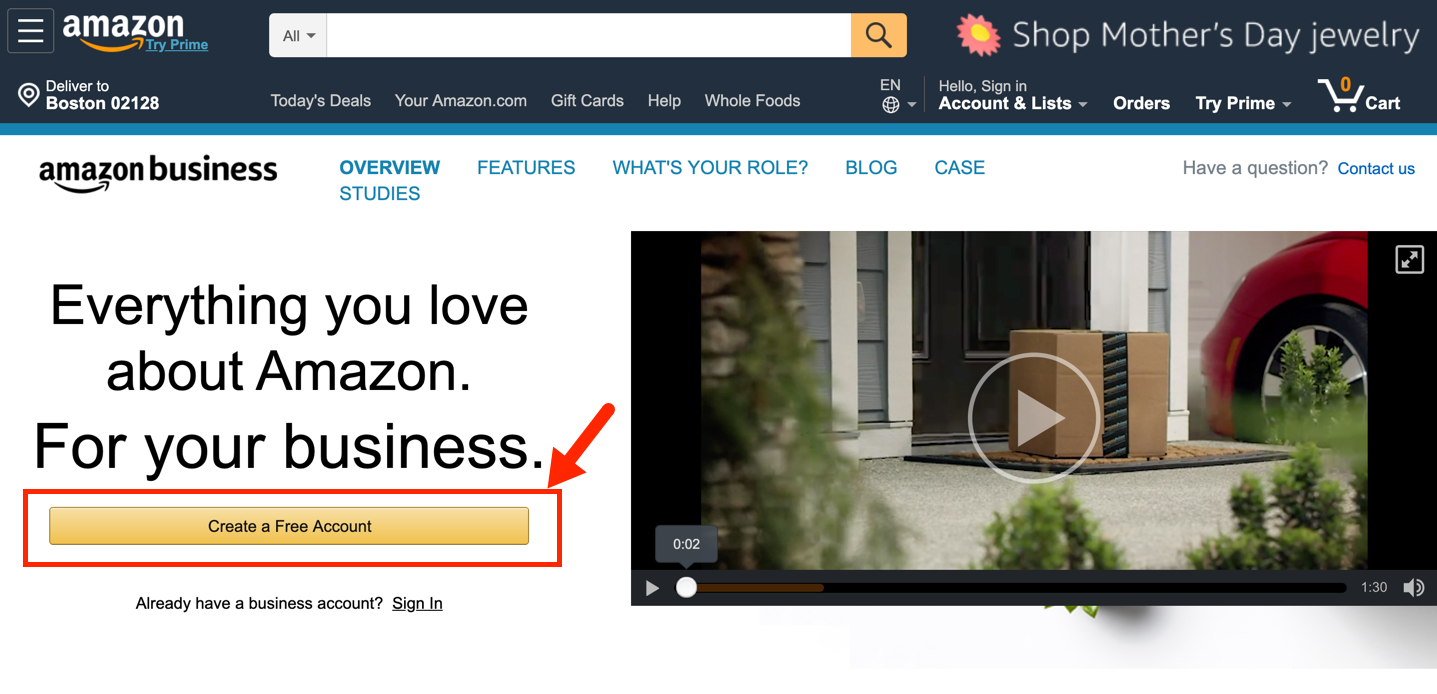
At its fundamental level, an Amazon Business account is designed to be accessible, offering a robust suite of procurement tools without an upfront registration fee. This is a critical point of clarity for businesses exploring the platform.
The Free Tier: Amazon Business Registration
For most businesses, setting up an Amazon Business account comes at no direct monetary cost. Registration is free, allowing companies to access a specialized marketplace tailored for business-to-business (B2B) transactions. This free tier provides essential features such as multi-user accounts, tax-exempt purchasing for eligible organizations, business-specific pricing, quantity discounts, and access to a vast catalog of products. The value proposition here is not in direct subscription fees but in the operational efficiencies and potential savings it unlocks through its features. Businesses can register and immediately begin leveraging tools designed to streamline their purchasing processes, manage spending, and improve financial transparency, all without incurring a monthly or annual charge for the account itself.
Distinguishing from Amazon Seller Central Accounts
It’s crucial to differentiate an Amazon Business account from an Amazon Seller Central account. While both operate under the Amazon umbrella, their primary functions and associated costs are distinct. An Amazon Business account is primarily for buying – it’s a procurement platform where businesses purchase goods and services for their operations. Conversely, an Amazon Seller Central account is for selling – it’s where individuals and businesses list and sell products to Amazon’s customer base, including Amazon Business customers.
Amazon Seller Central accounts typically come with a choice of selling plans: an Individual plan (no monthly fee, but a per-item fee) and a Professional plan (a monthly subscription fee, typically around $39.99 in the US, plus various referral fees and other charges). The question “how much is an Amazon Business account” refers specifically to the procurement platform, which, for registration and basic use, is free. Any costs associated with selling on Amazon are tied to a Seller Central account, not the Amazon Business buying account itself.
Beyond the Registration: Unpacking Associated Financial Commitments
While the Amazon Business account itself is free to register and use for buying, businesses must consider other financial commitments that can arise from their activities on the platform, especially if they are also involved in selling or utilizing specific services.
The Amazon Seller Central Connection: Professional Selling Plan Fees
If a business uses its Amazon Business account in conjunction with an Amazon Seller Central account to sell products, then the costs associated with Seller Central become relevant. As mentioned, the Professional Selling Plan carries a monthly subscription fee, providing access to advanced selling tools and potentially lower per-item fees compared to the Individual plan. This is a direct financial outlay for businesses leveraging Amazon as a sales channel. Beyond the subscription, sellers incur referral fees (a percentage of the sale price), closing fees for media items, and various other costs depending on the product category and fulfillment method.
Fulfillment by Amazon (FBA) and Merchant-Fulfilled Costs
For businesses selling on Amazon, fulfillment is a significant financial consideration. Fulfillment by Amazon (FBA) involves storing products in Amazon’s fulfillment centers, where Amazon handles picking, packing, shipping, customer service, and returns. While convenient, FBA incurs costs such as:
-
FBA fulfillment fees: Based on product size and weight, covering picking, packing, and shipping.
-
Monthly inventory storage fees: Based on the daily average volume of inventory in cubic feet.
-
Long-term storage fees: For inventory stored for extended periods.
-
Removal order fees: To have inventory returned or disposed of.
-
Optional services: Labeling, bagging, bubble wrap, etc.
Alternatively, businesses can opt for Merchant Fulfilled Network (MFN), where they handle storage, packing, and shipping themselves. While this avoids FBA fees, it shifts the financial burden to internal shipping costs, labor, and potentially higher customer service expenses. Businesses must analyze their product margins, sales volume, and operational capabilities to determine the most cost-effective fulfillment strategy.
Advertising and Promotional Spend
Many businesses selling on Amazon allocate a significant budget to advertising to increase product visibility and drive sales. Amazon offers various advertising solutions, including:
-
Sponsored Products: Keyword-targeted ads for individual products.
-
Sponsored Brands: Banner ads featuring a brand logo, custom headline, and multiple products.
-
Sponsored Display: Audience-targeted display ads on and off Amazon.
These advertising campaigns operate on a pay-per-click (PPC) model, meaning businesses pay when a shopper clicks on their ad. The total spend depends entirely on the budget set by the business and the competitiveness of the keywords and categories. For successful selling, advertising often represents a substantial, ongoing financial investment.
Third-Party Tools and Services
To optimize operations, many businesses integrate third-party software and services with their Amazon activities. These can include:
-
Inventory management software: To track stock levels across multiple channels.
-
Pricing tools: To automate competitive pricing adjustments.
-
Accounting software integrations: To streamline financial reporting.
-
Customer relationship management (CRM) systems: To manage customer interactions.
-
Review management tools: To solicit and monitor product reviews.
Each of these tools typically comes with its own subscription fees, which add to the overall financial commitment of operating a sophisticated Amazon business. While not directly an Amazon cost, they are often essential expenditures for scaling and efficiency.
Taxation and Compliance Considerations
Businesses using Amazon Business for procurement or selling must also account for various tax implications.
-
Sales tax: For sellers, determining and collecting sales tax across different states can be complex, often requiring specialized software or services.
-
Income tax: Revenue generated from Amazon sales is subject to corporate or individual income tax.
-
Tax-exempt purchases: For buyers, Amazon Business facilitates tax-exempt purchases for eligible organizations (e.g., non-profits, government entities), requiring proper documentation and setup. While this saves money on purchases, the initial setup and ongoing compliance effort are a consideration.
Understanding and managing these tax obligations is a critical financial responsibility, often necessitating professional accounting or tax advisory services.
Leveraging Amazon Business Features for Financial Efficiency
While the basic Amazon Business account is free, its true financial value lies in the features it offers to help businesses save money, streamline procurement, and gain better financial control over their spending.
Multi-User Accounts and Centralized Procurement Control
Amazon Business allows businesses to create multi-user accounts, assigning different roles and permissions (e.g., purchaser, administrator). This centralizes procurement, enabling better spending oversight. Administrators can set spending limits, approve purchases, and consolidate orders, which minimizes rogue spending and helps adhere to budgets. From a financial perspective, this brings discipline and control to an area that can often lead to unnecessary expenditure in decentralized purchasing environments.
Tax-Exempt Purchases for Eligible Organizations
One of the most significant financial benefits for qualifying entities is the ability to make tax-exempt purchases. Government agencies, educational institutions, non-profits, and resellers can register their tax exemption status with Amazon Business. Once approved, sales tax is automatically removed from eligible purchases, leading to direct savings on procurement costs. This feature alone can translate into substantial financial benefits for organizations with significant purchasing volumes.
Quantity Discounts and Business-Specific Pricing
Amazon Business offers exclusive pricing and quantity discounts on millions of products, tailored for business buyers. This means that as a business scales its purchases, it can often secure lower per-unit costs than individual consumers. This bulk purchasing capability, combined with dynamic business-specific pricing, allows companies to optimize their procurement budget and reduce the overall cost of goods needed for operations or resale.
Free Shipping Benefits
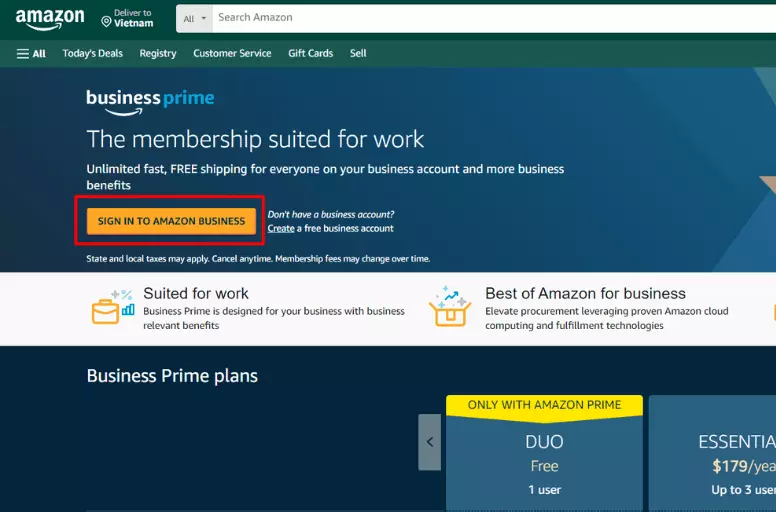
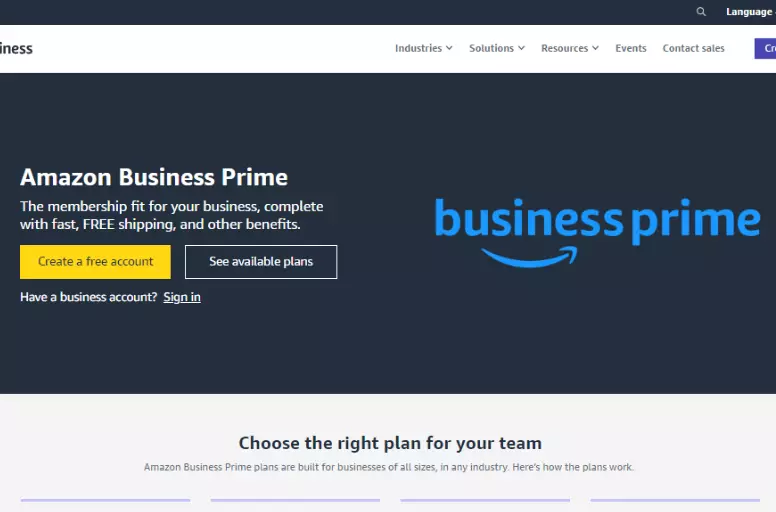
Eligible Amazon Business customers can also benefit from free shipping, often through a Business Prime membership (which does have a subscription fee, akin to consumer Prime, but tailored for businesses) or on eligible large orders. This eliminates shipping costs, which can add up significantly, especially for frequent or large-volume purchases. For businesses, saving on shipping directly contributes to lower operational expenses and improved profitability.
Spend Analytics and Reporting
Amazon Business provides robust analytics and reporting tools that offer deep insights into a company’s purchasing patterns. Businesses can track spending by category, user, or department, identify preferred suppliers, and monitor budget adherence. These insights are invaluable for financial planning, identifying cost-saving opportunities, and negotiating better terms with suppliers. The ability to visualize and analyze spending data empowers businesses to make more informed financial decisions.
The Return on Investment: Financial Benefits Beyond Direct Costs
Beyond the immediate savings and free account registration, the broader financial return on investment (ROI) from using Amazon Business extends to improved operational efficiency and enhanced financial governance.
Streamlined Procurement and Operational Savings
The centralized purchasing, simplified approval workflows, and easy reordering features of Amazon Business significantly streamline the procurement process. This reduces the administrative time and effort associated with purchasing, freeing up employee time that can be reallocated to more strategic tasks. The efficiency gains translate into tangible operational savings, as less time spent on purchasing means reduced labor costs and faster access to necessary supplies.
Enhanced Budgeting and Financial Transparency
With tools for setting spending limits, categorizing purchases, and generating detailed reports, Amazon Business provides businesses with unprecedented control and transparency over their expenditures. This facilitates more accurate budgeting, helps prevent overspending, and ensures that financial resources are allocated effectively across departments. The enhanced visibility into spending patterns allows for proactive financial management rather than reactive problem-solving.
Compliance and Audit Trails for Business Expenses
For businesses subject to strict compliance requirements or regular audits, Amazon Business offers a robust audit trail for all transactions. Every purchase, approval, and user activity is logged, providing clear documentation for financial reporting and regulatory compliance. This reduces the risk of non-compliance fines and simplifies the audit process, saving both time and potential financial penalties.
Strategic Financial Management for Your Amazon Business Purchases
Maximizing the financial benefits of an Amazon Business account requires strategic management rather than just passive use.
Setting Budgets and Spending Limits
Actively utilizing the budgeting features to set spending limits for individual users or departments ensures that procurement aligns with financial plans. Regularly reviewing these limits and adjusting them based on business needs and financial performance is crucial for maintaining control.
Utilizing Payment Solutions and Credit Lines
Amazon Business offers various payment solutions, including corporate credit lines and invoicing options. Leveraging these can improve cash flow management, extend payment terms, and simplify reconciliation processes. Analyzing the interest rates and terms of any credit lines is essential to ensure they align with the business’s financial strategy.
Regular Review of Spending and Supplier Performance
Consistently reviewing spend analytics helps identify opportunities for bulk discounts, alternative suppliers, or process improvements. Evaluating supplier performance ensures that the business is always getting the best value for its money, fostering a proactive approach to cost optimization.
In conclusion, while an Amazon Business account is free to register and use for procurement, its true “cost” and “value” are determined by how a business leverages its features, manages associated spending (especially if selling), and integrates it into its overall financial strategy. It’s a powerful financial tool that, when understood and managed strategically, can drive significant savings and operational efficiencies.
aViewFromTheCave is a participant in the Amazon Services LLC Associates Program, an affiliate advertising program designed to provide a means for sites to earn advertising fees by advertising and linking to Amazon.com. Amazon, the Amazon logo, AmazonSupply, and the AmazonSupply logo are trademarks of Amazon.com, Inc. or its affiliates. As an Amazon Associate we earn affiliate commissions from qualifying purchases.