
The story of Amazon Prime begins not just with a date, but with a strategic vision that would fundamentally reshape e-commerce and redefine brand-customer relationships. On February 2, 2005, Amazon introduced Prime, a subscription service initially offering unlimited two-day shipping for an annual fee of $79. What might have seemed like a straightforward logistic solution at the time, quickly evolved into one of the most powerful brand ecosystems in the world, becoming synonymous with convenience, value, and a pervasive digital lifestyle. Its launch marked a pivotal moment for Amazon, transforming it from a mere online retailer into a comprehensive service provider, deepening customer loyalty, and cementing its brand as an indispensable part of daily life for millions globally.

The Genesis of a Global Phenomenon: Launching Amazon Prime
Before Amazon Prime, the online shopping experience was often marred by significant shipping costs and unpredictable delivery times. These friction points represented considerable barriers to frequent online purchases and stifled the potential for true customer loyalty. Amazon, already a leader in online retail, recognized these challenges as both a hurdle and an immense opportunity.
The Landscape Before Prime: Addressing Customer Pain Points
In the early 2000s, while e-commerce was growing, it had not yet reached its current ubiquitous status. Consumers were accustomed to paying for shipping, and delivery could take anywhere from a few days to over a week, depending on the retailer and the chosen shipping speed. For Amazon, a company built on a vast selection and a burgeoning reputation for customer-centricity, these logistical limitations were a significant constraint on its brand promise of convenience. Customers often found themselves adding items to their cart, only to abandon them at checkout when faced with high shipping fees that could sometimes negate the savings of online shopping. This represented a substantial loss in potential sales and an impediment to building a truly sticky customer base.
The strategic imperative for Amazon was clear: eliminate or mitigate these pain points to encourage more frequent purchases and foster deeper engagement. The company’s brand, while strong, was still largely transactional. The goal was to move beyond individual purchases to cultivate a continuous relationship, where Amazon was the default, preferred destination for a wide array of needs. This required a paradigm shift in how customers perceived the value offered by the Amazon brand.
The Inaugural Offering: A Bold Bet on Free, Fast Shipping
The core idea behind Prime was deceptively simple yet profoundly transformative: pay an annual fee, and all eligible items ship free with two-day delivery. At $79 a year, this was a bold bet. For customers who shopped infrequently, the cost might seem prohibitive. However, for those who shopped even moderately, the savings on shipping fees could quickly add up, making the membership a clear financial benefit. But the true genius of Prime was not just the financial calculus; it was the psychological shift it induced.
Once a customer paid the annual fee, every subsequent purchase with Prime shipping felt “free” of shipping costs. This eliminated the friction of considering shipping costs at every checkout, making impulse purchases more likely and encouraging shoppers to consolidate their buying on Amazon. From a brand perspective, this created an unparalleled sense of liberation and value. Amazon was no longer just a store; it was a partner offering a gateway to effortless shopping. The initial offering of unlimited two-day shipping was a calculated risk that ultimately paid off handsomely, creating a highly engaged segment of customers who would form the bedrock of Amazon’s future brand growth.
Brand Value Proposition: Convenience as the New Currency
With the launch of Prime, Amazon did more than just introduce a new service; it redefined its brand value proposition. Convenience, previously a desirable feature, became the central pillar of the Amazon Prime brand. The promise of “free” and “fast” shipping elevated convenience to a premium experience, setting a new standard for online retail. This move repositioned Amazon in the minds of consumers from a mere transactional platform to an essential service provider that understood and catered to their need for immediacy and simplicity.
The membership model fostered a sense of belonging and exclusivity. Prime members were not just customers; they were part of a privileged club, enjoying benefits unavailable to others. This cultivated a stronger emotional connection with the Amazon brand. The annual fee acted as a psychological commitment device, encouraging members to maximize their “investment” by shopping more frequently on Amazon. This powerful combination of perceived value, psychological commitment, and elevated convenience became the enduring hallmark of the Amazon Prime brand.
Expanding the Brand Ecosystem: From Shipping to Lifestyle
While unlimited two-day shipping was Prime’s initial draw, Amazon leadership understood that sustained loyalty and growth would require more than just logistics. The brand needed to evolve, offering an ever-increasing array of benefits to justify the annual fee and deepen its integration into members’ lives. This strategic expansion transformed Prime from a shipping service into a comprehensive lifestyle brand.
The Strategic Expansion of Prime Benefits
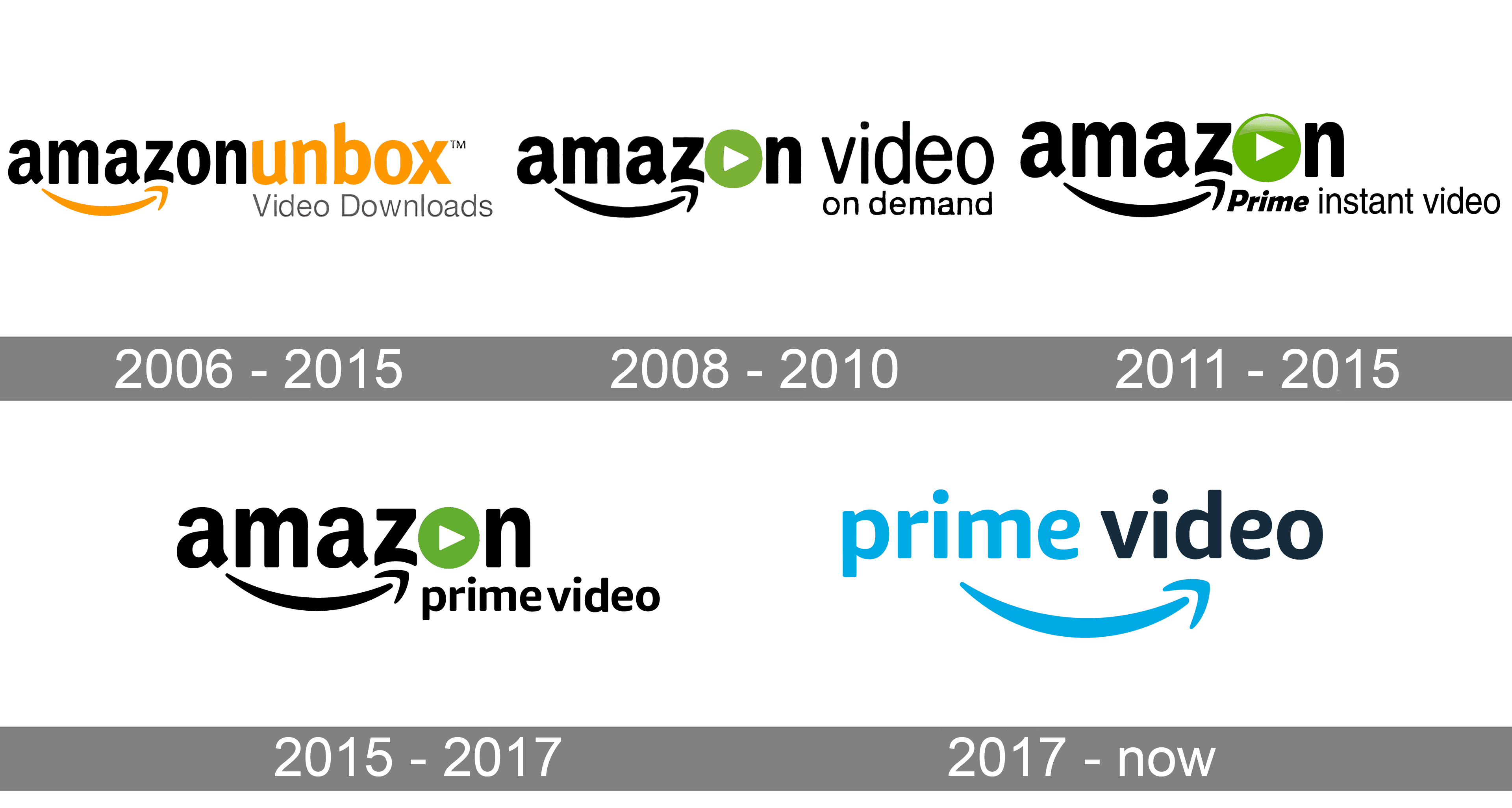
The cost of providing free two-day shipping for millions of customers was, and still is, substantial for Amazon. To make Prime economically sustainable and continuously attractive, the company embarked on a relentless strategy of adding new, diverse benefits that resonated with a broad spectrum of consumer needs. This started relatively early with the introduction of Prime Video (originally Amazon Unbox) in 2006, offering streaming movies and TV shows. This was a critical move, transforming Prime from a pure e-commerce utility into an entertainment provider, directly challenging established players like Netflix.
Subsequent years saw an avalanche of additions: the Kindle Owners’ Lending Library (2011), Prime Music (2014), Prime Reading (2016), Twitch Prime (now Prime Gaming), exclusive discounts at Whole Foods Market, unlimited photo storage, early access to deals, and many more. Each new benefit was strategically chosen to enhance the overall value proposition, creating a compelling ecosystem that made the annual membership fee seem increasingly worthwhile. This multi-faceted approach meant that even if a member primarily joined for shipping, they would discover and utilize other benefits, further embedding Prime into their daily routines and making the thought of canceling their membership almost unthinkable.
Cultivating Brand Loyalty and Stickiness
The constant addition of new services was a masterclass in cultivating brand loyalty and “stickiness.” By bundling a diverse range of offerings under a single subscription, Amazon created a powerful network effect. Members felt they were getting an incredible deal, unlocking a suite of premium services for a single, relatively modest fee. This perception of abundant value created a powerful psychological anchor, making members hesitant to cancel, even if they didn’t utilize every single benefit. This phenomenon is often referred to as the “sunk cost fallacy” – having invested in the membership, users feel compelled to maximize its utility.
Furthermore, Prime cultivated a distinct identity for its members. Being a “Prime Member” transcended a simple transaction; it signified a particular kind of consumer – one who valued convenience, access, and premium experiences. This membership status became a subtle but effective badge of belonging, fostering a deeper sense of affinity with the Amazon brand. The more deeply integrated Prime became into a member’s life, from shopping to entertainment to groceries, the harder it was to imagine life without it.
Data-Driven Brand Personalization

Underpinning Prime’s success in cultivating loyalty is its sophisticated use of data. Every interaction within the Prime ecosystem, from purchases to video streams to music choices, generates valuable data. Amazon leverages this information to provide highly personalized recommendations, tailor marketing messages, and even develop new services. This data-driven personalization strengthens the brand-customer relationship by making each interaction feel more relevant and thoughtful.
For instance, a Prime member who frequently buys books might receive personalized recommendations for Prime Reading titles or exclusive deals on new releases. A member who streams a lot of action movies might see more prominent placements for new action films on Prime Video. This bespoke experience reinforces the perception that Amazon understands and caters to individual preferences, enhancing the overall brand affinity and making the Prime membership an even more indispensable tool for discovery and engagement.
Prime’s Impact on Amazon’s Brand Identity and Market Leadership
The launch and subsequent expansion of Amazon Prime didn’t just boost Amazon’s bottom line; it fundamentally reshaped its brand identity and solidified its position as a market leader, influencing consumer expectations and competitive landscapes across industries.
Redefining Customer Expectations for E-commerce
Before Prime, paying for shipping was the norm. After Prime, free, fast shipping became an expectation. The “Prime Effect” forced competitors to adapt, investing heavily in their own logistics and delivery capabilities to keep pace. Retailers that once took a week to deliver suddenly found themselves needing to offer two-day or even next-day options to remain competitive. Prime essentially raised the bar for customer service and convenience, establishing a new gold standard that all other e-commerce brands had to strive for.
Amazon’s brand became synonymous with speed, reliability, and unparalleled convenience. This reputation extended beyond just physical goods; it permeated how consumers viewed digital services, from streaming content to cloud storage. Prime taught consumers to expect more, faster, and with less friction, fundamentally altering the e-commerce landscape for good.
The Halo Effect: Boosting Sales Across Amazon’s Ecosystem
Prime members are Amazon’s most valuable customers. They not only shop more frequently but also spend significantly more than non-Prime members. This “halo effect” extends beyond core retail purchases, driving adoption of Amazon’s proprietary devices and services. A Prime member is more likely to buy an Echo smart speaker, a Fire TV stick, or subscribe to additional Amazon services, knowing these will integrate seamlessly with their existing Prime benefits.
This cross-pollination of services solidified Amazon’s position as a lifestyle brand. It’s no longer just where you buy books; it’s where you get your groceries, watch your movies, listen to your music, store your photos, and manage your smart home. Prime became the central nervous system connecting all these disparate elements, creating a powerful, interconnected ecosystem that further locked in customers and amplified the Amazon brand’s omnipresence.
Global Brand Expansion and Localization
Amazon Prime’s success in the U.S. paved the way for its global expansion. The challenge, however, was not just replicating the model but adapting it to diverse local markets. While the core brand promise of convenience and value remained consistent, the specific benefits and strategic emphasis often varied by region.
In countries like India, where e-commerce was nascent and infrastructure could be challenging, Prime focused heavily on reliable, fast delivery and local language content for Prime Video. In Japan, it leveraged its entertainment offerings alongside expedited shipping. In the UK and Germany, a strong emphasis was placed on the entire ecosystem of benefits. This strategic localization allowed Amazon to maintain a consistent global brand identity for Prime while ensuring relevance and resonance with local consumer preferences, successfully expanding its reach and influence across continents.
The Future of the Prime Brand: Innovation and Sustained Relevance
Since its launch in 2005, Amazon Prime has continually evolved, but the underlying principles of innovation, customer-centricity, and value creation remain at its core. As consumer needs and market dynamics shift, the Prime brand must continue to adapt to maintain its unparalleled relevance and leadership position.
Addressing Evolving Consumer Needs
The success of Prime lies in its proactive approach to anticipating and addressing evolving consumer needs. In recent years, this has manifested in deeper dives into grocery delivery (e.g., Amazon Fresh), healthcare (e.g., Amazon Pharmacy), and even more niche lifestyle services. As urban populations grow and time becomes an even more precious commodity, Prime’s focus on ultra-fast delivery, subscription services for everyday essentials, and seamless digital experiences will only intensify. Future innovations might include even more personalized experiences, advanced AI-driven recommendations, or new forms of expedited delivery like drone services, further cementing Amazon’s brand as the ultimate provider of modern convenience.
Sustaining the Brand Narrative: Beyond Price and Convenience
While price and convenience were Prime’s initial differentiators, sustaining its brand appeal will require moving beyond these basic tenets. The narrative will increasingly shift towards exclusivity, community, and curated experiences. This includes offering unique content, early access to cutting-edge products, or even exclusive events. The goal is to reinforce the emotional connection with the Prime brand, making members feel part of an elite group that receives unparalleled access and benefits. By fostering a sense of community and belonging, Amazon can deepen the psychological investment members have in the Prime brand, ensuring continued loyalty even as competition intensifies.
Navigating Competitive Pressures and Brand Dilution Risks
The very success of Amazon Prime has spawned a multitude of competitors, from other retailers offering their own subscription programs to specialized streaming services and logistics providers. This competitive landscape poses a constant challenge to Prime’s value proposition. Amazon must continuously innovate and demonstrate the unique, comprehensive value of Prime to avoid brand dilution. This means carefully balancing the cost of membership with the increasing array of benefits, ensuring that each new addition genuinely enhances the overall Prime experience. Maintaining a perception of premium value, without alienating price-sensitive segments, will be crucial for the Prime brand’s long-term sustainability.
Conclusion
The launch of Amazon Prime on February 2, 2005, was far more than the introduction of a new shipping service; it was a watershed moment in brand strategy, e-commerce, and customer relationship management. What began as a bold experiment in loyalty has blossomed into a ubiquitous brand that redefined consumer expectations for convenience, value, and access. By continuously expanding its ecosystem of benefits, cultivating deep customer loyalty, and leveraging data for personalization, Amazon Prime has become an indispensable part of modern life for millions. Its journey stands as a masterclass in how a well-conceived brand strategy can transform a company, elevate an industry, and enduringly shape the way the world shops and consumes. Prime isn’t just a service; it’s a testament to the power of a brand built on anticipating and exceeding customer needs.
aViewFromTheCave is a participant in the Amazon Services LLC Associates Program, an affiliate advertising program designed to provide a means for sites to earn advertising fees by advertising and linking to Amazon.com. Amazon, the Amazon logo, AmazonSupply, and the AmazonSupply logo are trademarks of Amazon.com, Inc. or its affiliates. As an Amazon Associate we earn affiliate commissions from qualifying purchases.