
In an increasingly digitized world, subscription services like Amazon Prime have become cornerstones of our daily entertainment, shopping, and convenience. Offering a vast array of benefits from expedited shipping and exclusive deals to an expansive library of streaming content, music, and e-books, Amazon Prime is a comprehensive digital ecosystem. However, to unlock these advantages, the fundamental first step is a successful and secure sign-in. This guide delves into the technical intricacies and best practices for signing into your Amazon Prime account across various platforms, ensuring seamless access while prioritizing your digital security. This article is exclusively focused on the “Tech” category, providing tutorials, insights into digital security, and an understanding of software interaction.

Understanding Amazon Prime and Its Digital Ecosystem
Before diving into the mechanics of logging in, it’s crucial to grasp what Amazon Prime encompasses and why its digital presence is so pervasive. This foundational understanding sets the stage for navigating its technical requirements.
What is Amazon Prime?
At its core, Amazon Prime is a paid subscription service by Amazon that grants users access to a multitude of exclusive services. Initially launched with a focus on free two-day shipping, it has evolved into a powerhouse of digital content and physical perks. Key benefits include:
-
Prime Video: A streaming service offering a vast collection of movies, TV shows, and Amazon Originals.
-
Prime Music: Ad-free access to millions of songs and curated playlists.
-
Prime Reading: A rotating selection of free e-books, magazines, and comics.
-
Amazon Photos: Unlimited full-resolution photo storage.
-
Twitch Prime (now Prime Gaming): Free games, in-game content, and a free Twitch channel subscription monthly.
-
Exclusive Deals: Early access to Lightning Deals and member-only discounts.
The technological infrastructure supporting these services is immense, requiring robust servers, sophisticated content delivery networks (CDNs), and user-friendly interfaces across a multitude of devices, from web browsers to smart TVs and mobile apps. Every interaction, from browsing to streaming, is a function of Amazon’s intricate software and hardware ecosystem.
Why Secure Access Matters
In the digital realm, access is permission, and permission, especially concerning an account linked to personal information, payment details, and extensive viewing/shopping history, carries significant weight. Your Amazon Prime account isn’t just a gateway to entertainment; it’s a vault containing sensitive data.
The digital landscape is rife with threats, including phishing scams, credential stuffing attacks, and malware designed to capture login information. An unauthorized breach of your Amazon Prime account could lead to:
-
Financial fraud: If payment methods are stored and compromised.
-
Identity theft: Personal data can be harvested and misused.
-
Privacy invasion: Your viewing habits, shopping history, and personal messages could be exposed.
-
Disruption of service: Unauthorized users could change passwords, lock you out, or make purchases without your consent.
Therefore, understanding the technical steps to sign in securely and implementing best practices for digital security are not just conveniences but necessities. The goal isn’t just to get in, but to get in safely, protecting your data and maintaining control over your digital identity.
The Essential Steps to Sign In to Amazon Prime
Signing in to Amazon Prime is generally a straightforward process, but the exact steps can vary slightly depending on the device you’re using. Understanding these nuances is key to a smooth experience.
Accessing the Amazon Website or App
The journey begins by reaching the correct digital portal. For most users, this will be either a web browser on a computer or a dedicated app on a mobile device or smart TV.
-
On a Web Browser (Desktop/Laptop):
-
Open your preferred web browser (Chrome, Firefox, Edge, Safari, etc.).
-
Navigate to the official Amazon website:
www.amazon.com(or your specific regional Amazon domain, e.g.,amazon.co.uk,amazon.de). -
Look for the “Account & Lists” dropdown menu, usually located in the top right corner. Hovering over it will reveal options, including “Sign in.” Click “Sign in.”
-
Alternatively, if you’re specifically trying to access Prime Video, you can go directly to
www.primevideo.comand click “Sign in.”
-
-
On a Mobile Device (Smartphone/Tablet):
-
Download and install the official “Amazon Shopping” app or the “Prime Video” app from your device’s app store (Google Play Store for Android, Apple App Store for iOS). Beware of unofficial or lookalike apps.
-
Open the installed app.
-
The app will typically prompt you to sign in or create an account upon first launch. If not, look for an “Account” or “Profile” icon (often represented by a silhouette of a person or a menu icon) and select “Sign In.”
-
Entering Your Credentials
Once you’ve reached the sign-in page, the core process involves inputting your authentication details.
-
Enter Your Email or Mobile Phone Number: Amazon accounts are typically linked to either an email address or a mobile phone number. Enter the one associated with your Prime membership. Ensure there are no typos.
-
Click “Continue”: After entering your identifier, you’ll usually click a “Continue” button.
-
Enter Your Password: On the next screen, you’ll be prompted to enter your password. This is where accuracy and security are paramount. Passwords are case-sensitive.
-
Click “Sign in”: Once your password is correctly entered, click the “Sign in” button to complete the process.
It is crucial to use the exact email address or phone number and password linked to your Prime account. Many users have multiple Amazon accounts (e.g., one for personal use, one for business, or an old forgotten one), which can lead to confusion if the wrong credentials are used.
Navigating Device-Specific Sign-In Methods
Beyond web browsers and mobile apps, Amazon Prime content is accessible on a myriad of smart devices, each with slightly different sign-in protocols due to their unique interfaces and security considerations.
-
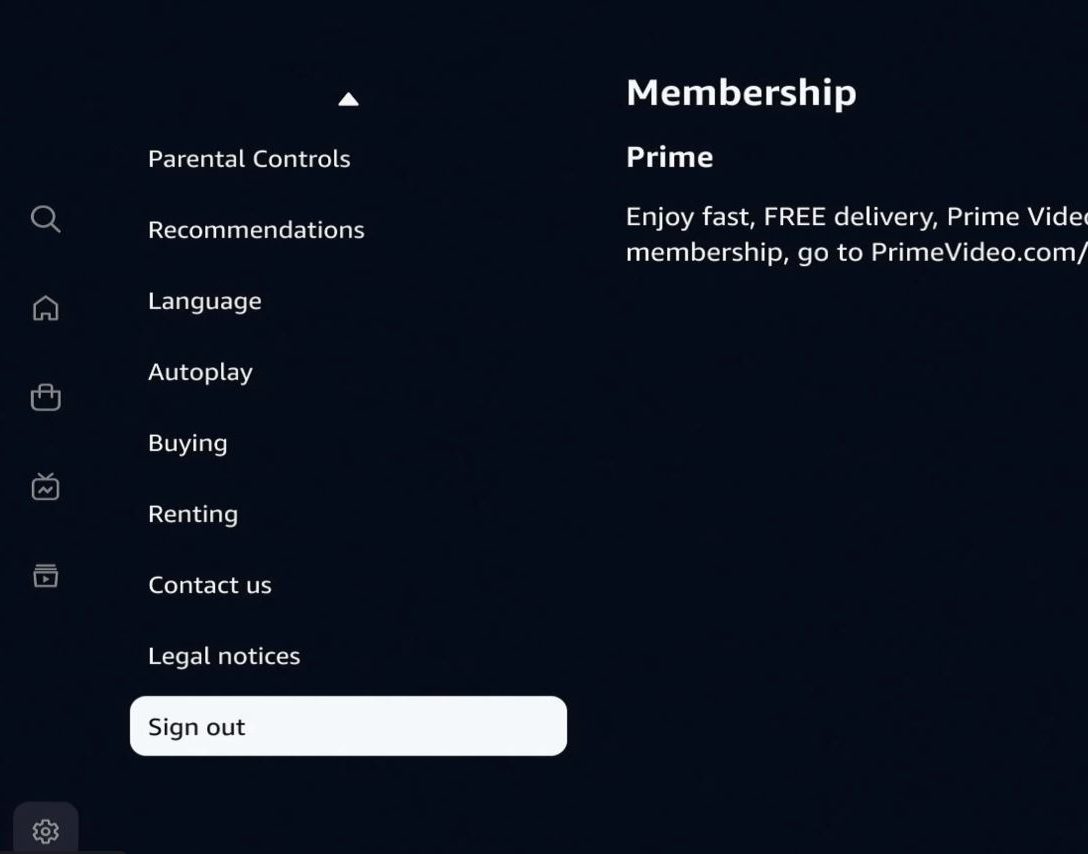
Smart TVs, Streaming Sticks (Fire TV, Roku, Apple TV), Gaming Consoles:
These devices often offer a more streamlined, secure sign-in method that avoids typing long passwords on a remote control.
-
Open the Prime Video app on your device.
-
You will typically be presented with two sign-in options:
-
Direct Sign-In: Enter your Amazon account email/phone and password directly using the on-screen keyboard. This can be cumbersome.
-
Register on the Amazon Website (Code-Based Activation): This is the more common and recommended method for these devices.
-
The app will display a unique 5-6 character alphanumeric code (e.g., “ABCD EFG”).
-
On a separate device (computer or smartphone), open a web browser and go to
amazon.com/code(or the specific URL provided on your TV screen). -
Sign in to your Amazon account on that web page.
-
Enter the code displayed on your TV screen into the designated field on the website and click “Register Device” or “Continue.”
-
Your TV app should then automatically sign in and display your Prime Video content. This method enhances security by leveraging a device you’re already logged into and avoiding direct password entry on a shared or less secure interface.
-
-
-
Troubleshooting Common Sign-In Issues
Even with clear instructions, technical glitches or forgotten details can impede the sign-in process. Understanding how to troubleshoot these common issues is vital for maintaining seamless access.
Forgetting Your Password
This is perhaps the most frequent sign-in hurdle. Amazon has a robust system in place to help you regain access.
-
Initiate Password Reset: On the Amazon sign-in page (web or app), after entering your email/phone number, look for the “Forgot your password?” or “Need help?” link. Click it.
-
Verify Your Identity: Amazon will prompt you to enter the email address or mobile phone number associated with your account.
-
Receive Verification Code: Amazon will send a one-time password (OTP) or a verification link to that email address or phone number.
-
Enter Code/Click Link: Retrieve the code/link and follow the instructions. This step is critical for security, ensuring that only the account owner can reset the password.
-
Create New Password: Once verified, you’ll be able to set a new password. Choose a strong, unique password (a mix of uppercase, lowercase, numbers, and symbols) that you haven’t used for other services. Avoid easily guessable information.
Incorrect Email or Phone Number

If you receive an error message stating “Email or mobile phone number not found,” it means the identifier you entered isn’t registered with an Amazon account.
-
Double-Check for Typos: Carefully review what you typed.
-
Verify Associated Account: Think back to which email or phone number you would have used when creating the account. Many people have multiple email addresses.
-
Attempt Account Creation (with Caution): If you’re certain you don’t have an account with Amazon, or you want to ensure this isn’t a new account, you could try to proceed as if creating a new account. If the email/phone is already in use, Amazon will typically inform you.
-
Contact Customer Service: If you’re still unable to identify your account, Amazon Customer Service can assist, though they may require additional verification of identity.
Account Locked or Suspended
Accounts can be temporarily locked or suspended for various security reasons:
-
Too many failed sign-in attempts: Amazon’s security system might interpret this as a brute-force attack and temporarily lock the account to protect it.
-
Suspicious activity: If unusual purchases or logins from unfamiliar locations are detected.
-
Violation of terms of service: In rare cases, if account usage violates Amazon’s policies.
If your account is locked, you’ll usually receive an on-screen message with instructions. Often, waiting for a short period (e.g., 15-30 minutes) and then attempting a password reset can resolve a temporary lock. For suspensions, or if the problem persists, you will need to contact Amazon Customer Service directly. Be prepared to provide extensive identity verification to prove you are the legitimate account holder.
Connectivity Problems and Device Glitches
Sometimes, the sign-in issue isn’t with your credentials but with the underlying technology.
-
Check Internet Connection: Ensure your device (computer, phone, smart TV) has a stable internet connection. Try loading another website or app.
-
Restart Device/App: A simple restart of the app, browser, or the entire device can often clear temporary software glitches that are preventing sign-in.
-
Clear Browser Cache/App Data: Accumulated browser cache or app data can sometimes interfere with login processes. Try clearing your browser’s cache and cookies or the app’s data/cache in your device settings.
-
Update Software: Ensure your browser, Prime Video app, Amazon app, and device operating system are all up to date. Updates often include critical bug fixes and security patches that can resolve sign-in issues.
Enhancing Your Digital Security for Amazon Prime
Beyond troubleshooting, proactively securing your Amazon Prime account is a fundamental aspect of digital citizenship. Implementing advanced security measures significantly reduces the risk of unauthorized access.
Implementing Two-Step Verification (2SV)
Two-Step Verification (also known as Two-Factor Authentication or 2FA) is one of the most effective security measures you can enable. It adds an extra layer of security beyond just your password. Even if someone obtains your password, they cannot access your account without the second factor.
-
How 2SV Works: After entering your password, Amazon will send a unique code to a trusted device (usually your mobile phone via SMS or an authenticator app). You must enter this code to complete the login.
-
Why It’s Crucial: It provides a strong defense against phishing and credential stuffing attacks, as the attacker would need both your password and physical access to your trusted device.
-
How to Enable 2SV on Amazon:
-
Sign in to your Amazon account on a web browser.
-
Go to “Account & Lists” > “Your Account.”
-
Click on “Login & Security.”
-
Next to “Two-Step Verification (2SV) Settings,” click “Turn On.”
-
Follow the on-screen prompts, which will typically involve verifying your phone number and selecting a backup method (like an authenticator app) in case your primary method isn’t available.
-
Keep your recovery codes or backup method details safe.
-
Recognizing and Avoiding Phishing Attempts
Phishing is a deceptive tactic where attackers impersonate legitimate entities (like Amazon) to trick you into revealing your login credentials or other sensitive information.
-
Common Phishing Tactics:
-
Emails or messages with urgent warnings (e.g., “Your account has been suspended,” “Suspicious activity detected”) urging you to click a link.
-
Emails offering enticing deals that seem too good to be true.
-
Links that look legitimate but point to malicious websites (e.g.,
amaz0n.cominstead ofamazon.com).
-
-
How to Protect Yourself:
-
Verify the Sender: Always check the sender’s email address. Legitimate Amazon emails will come from official Amazon domains (e.g.,
@amazon.com,@amazon.co.uk). -
Hover Over Links: Before clicking any link, hover your mouse cursor over it (on desktop) to see the actual URL. If it doesn’t lead to
amazon.comor a known Amazon sub-domain, do not click. -
Go Directly to the Source: If you receive a suspicious email about your account, do not click links in the email. Instead, open your browser, type
amazon.comdirectly, and sign in there to check your account status. -
Look for Red Flags: Poor grammar, spelling errors, generic greetings (“Dear Customer” instead of your name), and urgent language are all signs of phishing.
-
Amazon will NEVER ask for your password or personal details via unsolicited email or phone call.
-
Managing Authorized Devices
Amazon allows you to see and manage which devices are logged into your account. Regularly reviewing this list is a good security practice, especially if you’ve signed in on public computers or shared devices.
-
How to Manage Devices:
-
Sign in to your Amazon account on a web browser.
-
Go to “Account & Lists” > “Your Account.”
-
Click on “Content & Devices” (or similar, depending on the exact interface).
-
Navigate to the “Devices” tab.
-
Here, you can see all registered devices. If you see an unfamiliar device or one you no longer use, select it and click “Deregister” or “Deauthorize.” This will log out your account from that specific device.
-
Optimizing Your Amazon Prime Experience Post-Sign-In
Successfully signing in is just the beginning. To truly maximize the value of your Amazon Prime membership and ensure a seamless technical experience, a few post-sign-in optimizations are recommended.
Personalizing Your Profile
For services like Prime Video, personalizing your profile can significantly enhance your experience, especially in multi-user households.
-
Prime Video Profiles: Create separate user profiles for each family member. This allows for individualized watch histories, recommendations, and watchlists, preventing cluttered interfaces and skewed suggestions.
-
Parental Controls: If you have children, set up parental controls on their profiles to restrict access to age-inappropriate content. This is a critical technical safeguard to ensure a safe viewing environment.
Exploring Prime Benefits and Features
Once logged in, take the time to navigate the various sections of Amazon’s ecosystem. Many users only scratch the surface of their Prime benefits.
-
Navigate the Homepage: The Amazon homepage often highlights Prime-exclusive deals and new content.
-
Dedicated Prime Sections: Look for specific sections for Prime Video, Prime Music, Prime Reading, and Prime Gaming within the Amazon website or their dedicated apps. Each section provides a tailored interface designed for optimal interaction with that specific content type.
-
App Exploration: Spend time exploring the dedicated Prime Video or Prime Music apps. They often have unique features, download options for offline viewing/listening, and customization settings that are not available through the main Amazon Shopping app or website.
Keeping Your Software Updated
Maintaining updated software across all your devices and applications is a fundamental aspect of digital hygiene and security.
-
App Updates: Regularly check for and install updates for the Amazon Shopping app, Prime Video app, and any other Amazon-related applications on your mobile devices, smart TVs, and streaming sticks. Updates often contain:
-
Security Patches: Critical fixes for newly discovered vulnerabilities that could be exploited by attackers.
-
Bug Fixes: Solutions for glitches and performance issues that might affect sign-in or streaming quality.
-
New Features: Enhancements and new functionalities that improve user experience.
-
-
Operating System Updates: Ensure your device’s operating system (Windows, macOS, Android, iOS, Fire OS, Roku OS, etc.) is also up to date. OS updates frequently include system-wide security enhancements and improved compatibility with applications.
Regular updates ensure that your access to Amazon Prime is not only smooth but also protected by the latest digital defenses. Ignoring updates can leave your devices and accounts vulnerable to known exploits.
Conclusion
Successfully signing in to Amazon Prime is the gateway to a world of digital content and conveniences. While seemingly simple, understanding the underlying technical processes, employing robust security practices, and knowing how to troubleshoot common issues are crucial for a seamless and secure experience. By leveraging Two-Step Verification, being vigilant against phishing, regularly updating your software, and managing your authorized devices, you empower yourself to navigate Amazon’s vast digital ecosystem with confidence. A secure sign-in isn’t just about gaining access; it’s about safeguarding your digital identity and maximizing the value of your Prime membership in an increasingly interconnected world.
aViewFromTheCave is a participant in the Amazon Services LLC Associates Program, an affiliate advertising program designed to provide a means for sites to earn advertising fees by advertising and linking to Amazon.com. Amazon, the Amazon logo, AmazonSupply, and the AmazonSupply logo are trademarks of Amazon.com, Inc. or its affiliates. As an Amazon Associate we earn affiliate commissions from qualifying purchases.