
Amazon Prime has become an indispensable service for millions, offering a comprehensive suite of benefits ranging from expedited shipping to extensive digital media libraries. While the value proposition is clear, understanding the various payment methods, cost structures, and financial management strategies associated with a Prime membership is crucial for savvy consumers. This guide delves into the financial aspects of subscribing to Amazon Prime, ensuring you can manage your membership efficiently and cost-effectively within your personal finance framework.
Decoding Amazon Prime’s Cost Structure and Membership Tiers
Before exploring payment methods, it’s essential to understand the different ways Amazon Prime is priced and structured. This knowledge empowers you to choose the most financially prudent option for your needs.
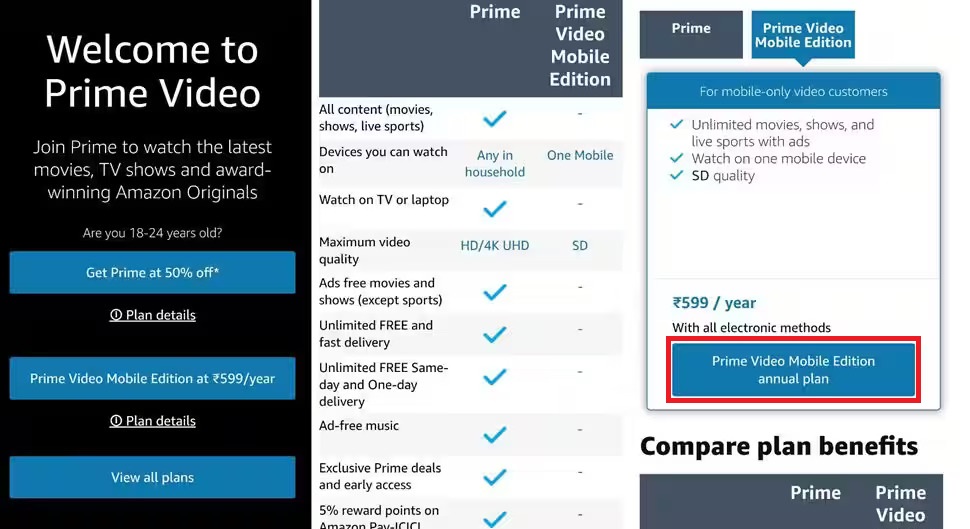
Standard Membership Options
The most common way to pay for Amazon Prime is through its standard membership, which offers flexibility in billing cycles.
-
Annual Membership: This is typically the most cost-effective option for long-term users. Paying for a full year upfront usually results in a lower average monthly cost compared to a month-to-month subscription. It requires a larger single outlay but locks in the price for 12 months, simplifying budgeting by making it an annual fixed expense.
-
Monthly Membership: For those who prefer greater flexibility or are unsure about long-term commitment, the monthly option allows you to pay on a recurring 30-day cycle. While convenient for short-term use, the cumulative annual cost is higher than the upfront annual payment, making it a more expensive choice over the long run. This option is often favored by individuals who may only need Prime for specific peak seasons, such as holiday shopping, or wish to test the service without a significant commitment.
Discounted and Specialized Programs
Amazon offers several programs designed to make Prime more accessible to specific demographics, significantly reducing the financial burden.
-
Prime Student: For eligible college students, Amazon offers a significantly discounted Prime membership. This program often includes an extended free trial period and then a reduced monthly or annual rate for up to four years or until graduation, whichever comes first. This represents a substantial saving and is a key financial benefit for students managing tight budgets. Verification of student status is required, typically through a university email address.
-
EBT and Medicaid Holders: Individuals who possess a valid EBT card (from SNAP, TANF, WIC, etc.) or are enrolled in qualifying government assistance programs like Medicaid may also be eligible for a discounted monthly Prime membership. This initiative aims to ensure that essential services, including free shipping and access to digital content, are available to a broader economic spectrum, reinforcing the accessibility aspect of Amazon’s ecosystem.
-
Free Trial: For first-time users, Amazon typically offers a 30-day free trial. This is an excellent financial tool to experience the full benefits of Prime without any monetary commitment. It’s crucial, however, to mark your calendar for the trial’s end date to either cancel the subscription to avoid charges or transition to a paid membership, understanding the chosen billing cycle.
Primary Payment Methods for Amazon Prime Subscriptions
Once you’ve selected your preferred membership tier, the next step is to choose a payment method. Amazon provides several secure and convenient options for covering your Prime subscription.
Credit and Debit Cards
The most common and straightforward method for paying for Amazon Prime is through a credit or debit card.
-
Credit Cards: Utilizing a credit card offers the advantage of potential rewards, such as cashback, travel points, or purchase protection, depending on your card issuer. It also helps build credit history if managed responsibly. However, it’s vital to ensure you can pay off the balance each month to avoid interest charges, which would negate any savings from the membership.
-
Debit Cards: Directly linked to your bank account, debit cards provide a simple way to pay using funds you already possess. This helps prevent overspending, as payments are drawn directly from your available balance. Both Visa, MasterCard, American Express, and Discover cards are widely accepted. When entering your card details, ensure accuracy to avoid payment processing issues.
Amazon Gift Cards
Amazon Gift Cards can be a surprisingly flexible tool for managing Prime payments, particularly for budgeting or utilizing received gift funds.
- Applying Gift Card Balance: If you have an Amazon Gift Card balance loaded into your account, you can use these funds to cover your Prime membership fee. When your membership is due for renewal, Amazon will first attempt to draw from your gift card balance before resorting to your primary payment method. This is an excellent way to use gift cards effectively and manage your discretionary spending. It can also be a strategic way to “pre-pay” for your Prime membership by purchasing gift cards during sales or with rewards points.

Bank Account (ACH Direct Debit)
For those who prefer not to use credit or debit cards, Amazon may offer the option to link a bank account for direct debit (Automated Clearing House – ACH) payments.
- Setting Up Direct Debit: This involves providing your bank’s routing number and your account number. Payments are then directly withdrawn from your checking or savings account. This method ensures consistent payment without the need to manually process transactions, making it a reliable option for recurring subscriptions. It’s important to monitor your bank statements to ensure the correct amounts are debited and to maintain sufficient funds to avoid overdraft fees.
Advanced Strategies for Cost Management and Payment Optimization
Beyond the basic payment methods, savvy financial planning can help optimize your Amazon Prime subscription costs and integrate them smoothly into your overall budget.
Leveraging Financial Tools and Rewards
Smart use of financial products can turn your Prime subscription into a beneficial transaction.
-
Cashback Credit Cards: If you use a cashback credit card for your Prime subscription, you can effectively reduce the net cost of your membership. Many cards offer a flat percentage cashback on all purchases, while others might have rotating bonus categories that could occasionally include online subscriptions or general purchases at Amazon.
-
Amazon Store Cards: The Amazon Prime Rewards Visa Signature Card or the Amazon Store Card offers significant cashback on Amazon purchases, typically 5%. While the Prime membership fee itself might not always qualify for the 5% back, using these cards for your regular Amazon shopping can generate enough rewards to partially or fully offset the annual Prime cost. This strategy requires consistent spending on Amazon to maximize the benefit.
-
Budgeting Apps and Software: Integrating your Amazon Prime payment into a personal finance budgeting app (e.g., Mint, YNAB, Personal Capital) allows you to track this recurring expense. Categorizing it helps you visualize how much of your discretionary income goes towards subscriptions and enables better financial planning.
Managing Auto-Renewal and Subscription Lifecycle
Proactive management of your Prime membership can prevent unwanted charges and ensure financial control.
-
Understanding Auto-Renewal: Amazon Prime memberships are set to auto-renew by default. This is convenient but can lead to unexpected charges if your financial situation changes or you decide the service is no longer needed. Always know your renewal date.
-
Updating Payment Information: If your credit card expires or you switch banks, it’s crucial to update your payment method promptly in your Amazon account settings. This prevents service interruptions and ensures continuous access to Prime benefits. Amazon usually sends reminders if a payment fails.
-
Cancellation Policy and Refunds: If you decide to cancel your Prime membership, Amazon typically offers a pro-rated refund for the unused portion of your annual membership, provided you haven’t extensively used Prime benefits (e.g., free shipping, streaming) since the last renewal. For monthly members, cancellation usually means the membership remains active until the end of the current billing cycle without further charges. Review Amazon’s specific cancellation and refund policies when considering ending your subscription.
Maintaining Financial Control Over Your Amazon Prime Membership
Effective financial management of your Amazon Prime subscription extends beyond merely paying for it. It involves continuous monitoring and strategic decision-making to align the service with your financial goals.
Regular Review of Membership Value
Periodically assess whether the benefits you receive from Amazon Prime genuinely outweigh its cost.
-
Usage Analysis: Reflect on how frequently you utilize Prime’s various services—free shipping, Prime Video, Prime Music, Prime Reading, Whole Foods discounts, etc. If your usage has significantly decreased, the membership might no longer be a financially sound investment for you.
-
Alternative Solutions: Are there cheaper or free alternatives that meet your needs? For example, if you primarily use Prime for shipping, could you consolidate orders to meet free shipping thresholds without Prime? If it’s mainly for streaming, are there other platforms that offer better value for your viewing habits? This financial assessment ensures you’re not paying for services you no longer fully leverage.

Planning for Renewal
Treat your Amazon Prime renewal date like any other recurring bill in your financial calendar.
-
Set Reminders: Use digital calendars or budgeting apps to set reminders a few weeks before your annual or monthly renewal date. This gives you ample time to review your membership, decide if you wish to continue, and ensure your chosen payment method is up to date and has sufficient funds.
-
Budget Allocation: If you plan to continue your membership, allocate the necessary funds in your budget for the upcoming charge. For annual memberships, consider setting aside a small amount each month into a dedicated savings pot so the lump sum payment isn’t a financial surprise.
By understanding the diverse payment methods, leveraging available discounts, and implementing proactive financial management strategies, you can ensure your Amazon Prime membership remains a valuable and fiscally responsible part of your digital lifestyle.
aViewFromTheCave is a participant in the Amazon Services LLC Associates Program, an affiliate advertising program designed to provide a means for sites to earn advertising fees by advertising and linking to Amazon.com. Amazon, the Amazon logo, AmazonSupply, and the AmazonSupply logo are trademarks of Amazon.com, Inc. or its affiliates. As an Amazon Associate we earn affiliate commissions from qualifying purchases.