
Amazon Prime Video stands as a colossal digital library, constantly evolving and leveraging sophisticated technology to deliver entertainment to millions worldwide. Far from a static list of titles, the platform represents a complex ecosystem where content availability is dictated by intricate licensing agreements, proprietary production strategies, and advanced algorithmic curation. Understanding “what shows are on Prime Video” requires delving into the technical infrastructure that manages, categorizes, and presents this vast selection to individual users across a myriad of devices.
Deconstructing Prime Video’s Digital Content Architecture
The foundation of Prime Video’s offering is built upon a multi-layered content architecture designed to appeal to a broad spectrum of viewers while providing distinct access points. This structure is a direct result of Amazon’s strategic investment in digital entertainment, leveraging its cloud infrastructure and vast financial resources.
The Core Catalog: Originals, Exclusives, and Licensed Libraries
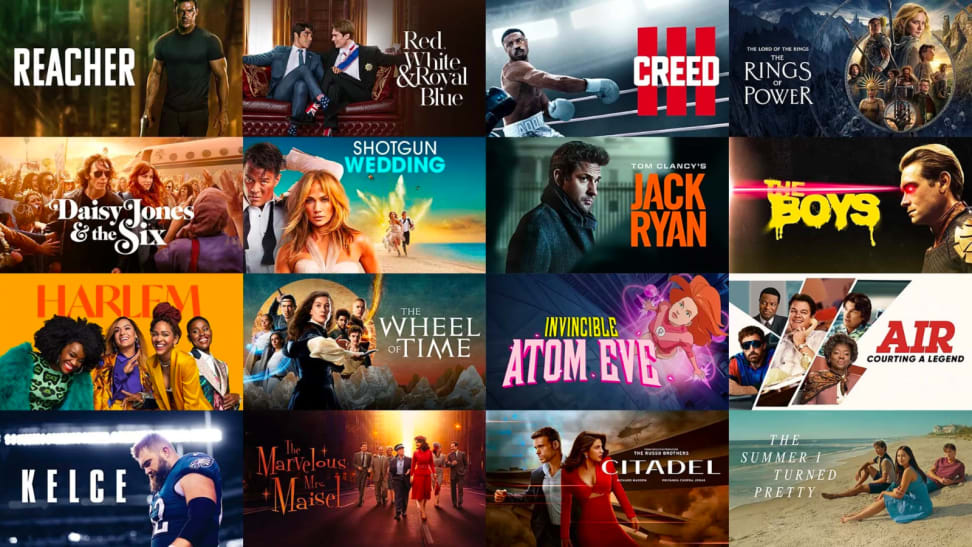
At the heart of Prime Video are its Amazon Originals and Exclusives. These are titles either wholly produced by Amazon Studios or acquired for exclusive distribution on the platform. This strategy ensures a unique selling proposition, differentiating Prime Video from competitors by offering content that cannot be found elsewhere. The development and distribution of these originals rely heavily on advanced production pipelines, secure content delivery networks (CDNs), and a global distribution architecture that handles localization for various regions. The selection of these originals is often guided by extensive data analytics, identifying genre trends, audience demographics, and predictive viewing habits, all powered by machine learning algorithms analyzing vast datasets from Amazon’s e-commerce and device ecosystems.
Beyond its proprietary content, Prime Video maintains an extensive licensed library. This comprises a rotating selection of films and television series acquired from major studios and independent distributors globally. The availability of these licensed titles is dynamic, governed by complex contractual agreements with specific expiry dates and regional restrictions. Amazon’s content acquisition teams utilize data analytics to inform these licensing decisions, aiming to fill gaps in their catalog, respond to popular demand, and maintain a competitive edge. The integration of this licensed content into the platform’s database requires robust content management systems capable of handling diverse metadata, various video codecs, and secure digital rights management (DRM) protocols.
Expanding Through Prime Video Channels: A Modular Approach
A significant technological differentiator for Prime Video is its Channels ecosystem. This feature allows users to subscribe to additional streaming services directly through the Prime Video interface, consolidating billing and access within a single application. Conceptually, it’s a digital aggregator, transforming Prime Video into a central hub for a multitude of niche and premium content providers.
Technologically, this involves deep integration capabilities. Each Channel operates as a distinct content library with its own content catalog, metadata, and streaming infrastructure, yet it must seamlessly interface with Prime Video’s user authentication, billing systems, and discovery tools. Amazon’s APIs facilitate this integration, allowing third-party services to leverage Prime Video’s existing user base and technological backbone for content delivery. From a user’s perspective, this provides a unified experience, eliminating the need to manage multiple apps and subscriptions, while from a technical standpoint, it represents a sophisticated multi-tenant architecture managed by Amazon Web Services (AWS) infrastructure. This modular approach allows for rapid expansion of content offerings without requiring Amazon to directly license or manage every piece of content, positioning Prime Video as a versatile platform rather than just a content provider.
Advanced Discovery: The Engine Room of Content Curation
With millions of titles, simply having content isn’t enough; users need to find it. Prime Video invests heavily in advanced technology to facilitate content discovery, transforming a potentially overwhelming library into a personalized and intuitive experience.
Algorithmic Recommendations and Personalization
At the core of Prime Video’s discovery engine are sophisticated algorithmic recommendation systems. Leveraging machine learning and artificial intelligence, these algorithms analyze a user’s viewing history, search queries, ratings, genre preferences, and even their interactions with other Amazon services to suggest relevant content. These systems go beyond simple “if you watched X, you might like Y” logic, employing complex models that identify subtle patterns in user behavior and content attributes. For instance, collaborative filtering recommends items based on the preferences of similar users, while content-based filtering analyzes the characteristics of content a user has enjoyed to find similar titles. The computational power required to process vast amounts of user data in real-time and deliver highly individualized recommendations is immense, relying on distributed computing and big data technologies. This personalization ensures that the “shows on Prime Video” for one user might be significantly different from those highlighted for another, tailoring the experience to individual tastes.
Intelligent Search and Granular Filtering
Beyond passive recommendations, Prime Video provides robust intelligent search and granular filtering capabilities. The search functionality goes beyond keyword matching, often understanding natural language queries and offering predictive suggestions as users type. Its underlying indexing technology rapidly sifts through millions of titles, leveraging detailed metadata tags associated with each piece of content.
Users can apply various filters to narrow down their search results, including genre, release year, IMDb rating, language, cast, director, and even specific content features like 4K UHD or HDR availability. This granular control is powered by a meticulously structured database that tags content with a rich set of attributes. These advanced search parameters are crucial for users who have a specific type of content in mind but may not know the exact title, allowing them to precisely define their criteria and quickly identify relevant shows or movies within the extensive catalog.
User Interface Design for Intuitive Exploration
The user interface (UI) design on Prime Video is meticulously crafted to make content discovery intuitive, even with its technological complexity under the hood. The visual presentation emphasizes clarity and ease of navigation, employing categories, carousels, and visual cues that guide users through the vast library. Responsive design principles ensure a consistent and optimized experience across diverse screen sizes and input methods, from touchscreens on mobile devices to remote controls on smart TVs. A/B testing and user feedback are continuously integrated into the UI development cycle, ensuring that design decisions are data-driven and enhance user engagement and content accessibility. The interface is not just a display; it’s an interactive portal that dynamically adjusts to highlight trending content, new releases, and personalized recommendations, all orchestrated by backend systems.
Cross-Platform Accessibility and Streaming Technology
The question of “what shows are on Prime Video” is inextricably linked to how and where users can access that content. Amazon’s commitment to ubiquity means a seamless experience across virtually every modern streaming device, underpinned by robust streaming technology.
Seamless Experience Across Devices: From Smart TVs to Mobile
Prime Video is engineered for cross-platform compatibility, ensuring its vast content library is accessible on a broad ecosystem of devices. This includes smart TVs from various manufacturers, streaming media players (like Amazon Fire TV, Roku, Apple TV), game consoles, web browsers, and mobile devices (iOS and Android). Achieving this seamless experience requires highly optimized applications for each platform, developed with platform-specific APIs and design guidelines. The streaming infrastructure intelligently adapts content delivery based on the device’s capabilities, network bandwidth, and screen resolution, ensuring optimal playback quality without buffering or excessive data usage. This adaptive bitrate streaming dynamically adjusts the video stream quality in real-time, delivering the best possible viewing experience under varying network conditions, a critical feature for global accessibility.
Offline Viewing Capabilities and Content Synchronization
For users on the go or those with unreliable internet access, Prime Video offers offline viewing capabilities. Select titles can be downloaded to mobile devices or tablets for later viewing without an internet connection. This feature relies on secure content downloading mechanisms and local storage management within the application, ensuring DRM compliance even when content is stored offline. Furthermore, user progress for partially watched titles, watchlists, and preferences are synchronized across all logged-in devices through cloud services. This synchronization ensures that a user can start watching a show on their TV, pause it, and then seamlessly resume from the exact same point on their phone later, creating a fluid and uninterrupted viewing journey driven by cloud-based user profiles.
Enhancing the Viewer’s Technical Experience
Beyond content availability, the technical nuances of the viewing experience significantly impact user satisfaction. Prime Video incorporates several features designed to optimize playback quality, secure access, and facilitate content management.
Optimizing Streaming Quality: Resolution, HDR, and Audio Standards
Prime Video supports a range of high-fidelity streaming standards, including 4K Ultra HD, High Dynamic Range (HDR) formats like HDR10 and Dolby Vision, and advanced audio technologies like Dolby Atmos. The platform automatically detects the capabilities of the user’s device and display, along with network bandwidth, to deliver the highest possible quality. This sophisticated auto-negotiation process is crucial for ensuring that users with compatible equipment receive a premium visual and auditory experience. The content itself is encoded and stored in multiple formats and bitrates, allowing the streaming server to select the most appropriate stream for each specific user and device in real-time, optimizing both quality and efficiency.
Digital Security and Parental Controls
Given the vast range of content, digital security and parental controls are paramount. Prime Video integrates robust DRM technologies to protect copyrighted content from unauthorized copying and distribution. For families, comprehensive parental control features allow account holders to restrict content based on age ratings (e.g., G, PG, PG-13, R) and set PINs for purchases or viewing. These controls are managed through user profiles and account settings, leveraging secure authentication protocols to ensure that access restrictions are enforced across all connected devices, providing peace of mind for parents and safeguarding younger viewers.
Watchlists and Notification Systems for Content Management
To help users manage their personal content journey, Prime Video offers Watchlists – a digital queue where users can save titles they wish to watch later. This feature uses cloud storage to keep lists synchronized across devices. Additionally, the platform employs notification systems to alert users about new episodes of shows they follow, upcoming releases from their watchlist, or content recommendations based on their viewing habits. These notifications, delivered via app alerts or email, are generated by a backend system that tracks content availability changes and matches them against user preferences and watchlists, providing a proactive approach to content discovery and engagement.
The Dynamic Nature of a Cloud-Based Content Ecosystem
The answer to “what shows are on Prime Video” is never static. It’s a living, breathing content ecosystem that continuously evolves, driven by licensing changes, new productions, and technological advancements.
Content Lifecycle Management and Licensing Evolution
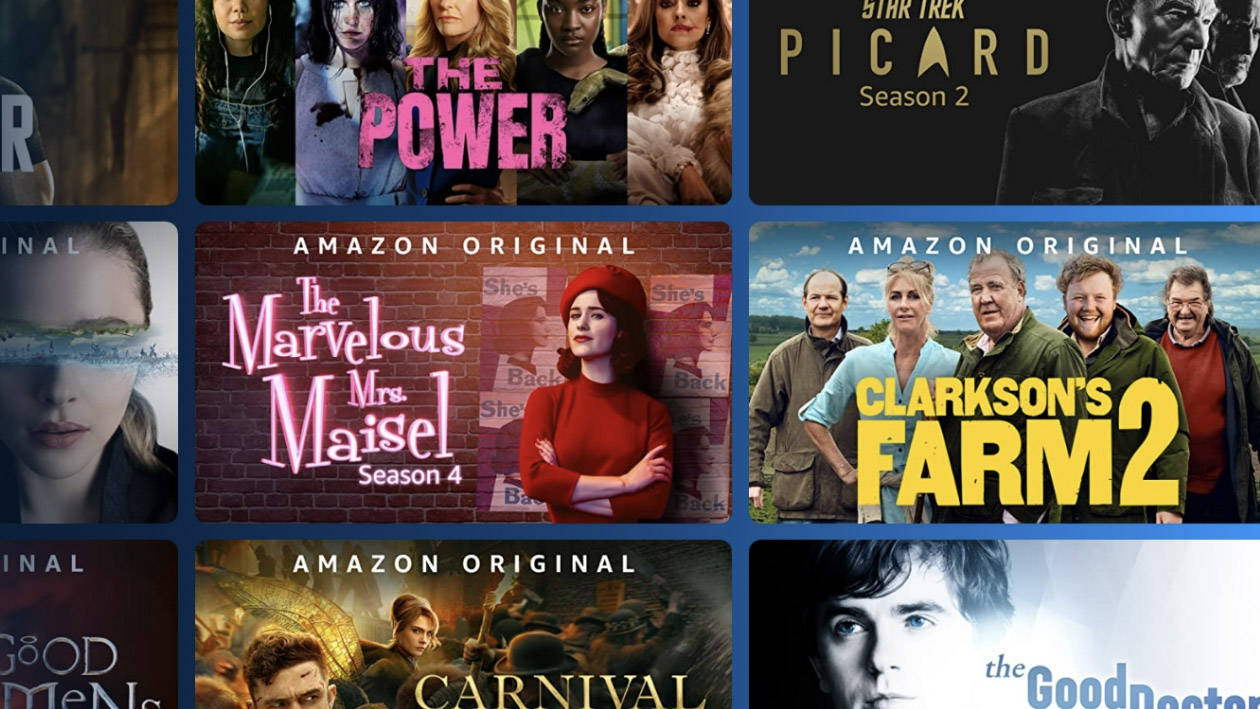
The availability of content on Prime Video is subject to continuous change due to content lifecycle management and evolving licensing agreements. Titles enter and exit the library as contracts are signed, renewed, or expire. Amazon’s sophisticated backend systems manage this complex ebb and flow, automatically adding new titles upon contract commencement and removing them when licenses conclude. This dynamic environment means that while the core of Amazon Originals remains constant, the broader licensed library is in constant flux. Users may receive notifications for “leaving soon” titles, managed by the same data-driven notification systems, informing them of impending content removals.
Real-time Updates and Feature Integrations
Prime Video, like any modern streaming platform, undergoes frequent real-time updates and feature integrations. These updates can range from minor bug fixes and performance enhancements to major UI redesigns and the introduction of new functionalities, such as enhanced search filters, personalized profiles, or new audio/video format support. These changes are typically deployed through cloud-native continuous integration/continuous delivery (CI/CD) pipelines, ensuring that the platform remains cutting-edge and responsive to user needs and industry trends. The underlying cloud architecture (AWS) allows Amazon to scale its services rapidly, integrate new technologies, and maintain high availability, ensuring that “what shows are on Prime Video” is not just about the content itself, but the continuously refined technological experience of accessing it.
aViewFromTheCave is a participant in the Amazon Services LLC Associates Program, an affiliate advertising program designed to provide a means for sites to earn advertising fees by advertising and linking to Amazon.com. Amazon, the Amazon logo, AmazonSupply, and the AmazonSupply logo are trademarks of Amazon.com, Inc. or its affiliates. As an Amazon Associate we earn affiliate commissions from qualifying purchases.