
Amazon Prime has become an ubiquitous presence in the financial lives of millions, offering a sprawling ecosystem of services from expedited shipping to digital entertainment. For many, the central question revolves around its core cost: “how much is Prime per year?” Understanding this figure is the first step in a comprehensive financial assessment of its value, especially as subscriptions proliferate and demand closer scrutiny in personal budgeting. Beyond the headline price, a deeper dive reveals various pricing structures, potential discounts, and the often-overlooked financial implications of its bundled benefits.
Understanding the Core Amazon Prime Membership Cost
At its heart, an Amazon Prime membership carries a clear annual cost, designed to consolidate a multitude of services under a single subscription. This annual fee is the primary figure most consumers consider when budgeting for their digital services. However, Amazon offers flexibility and various tiers that influence this base price, making it crucial to understand the available options.
Annual vs. Monthly Billing Cycles
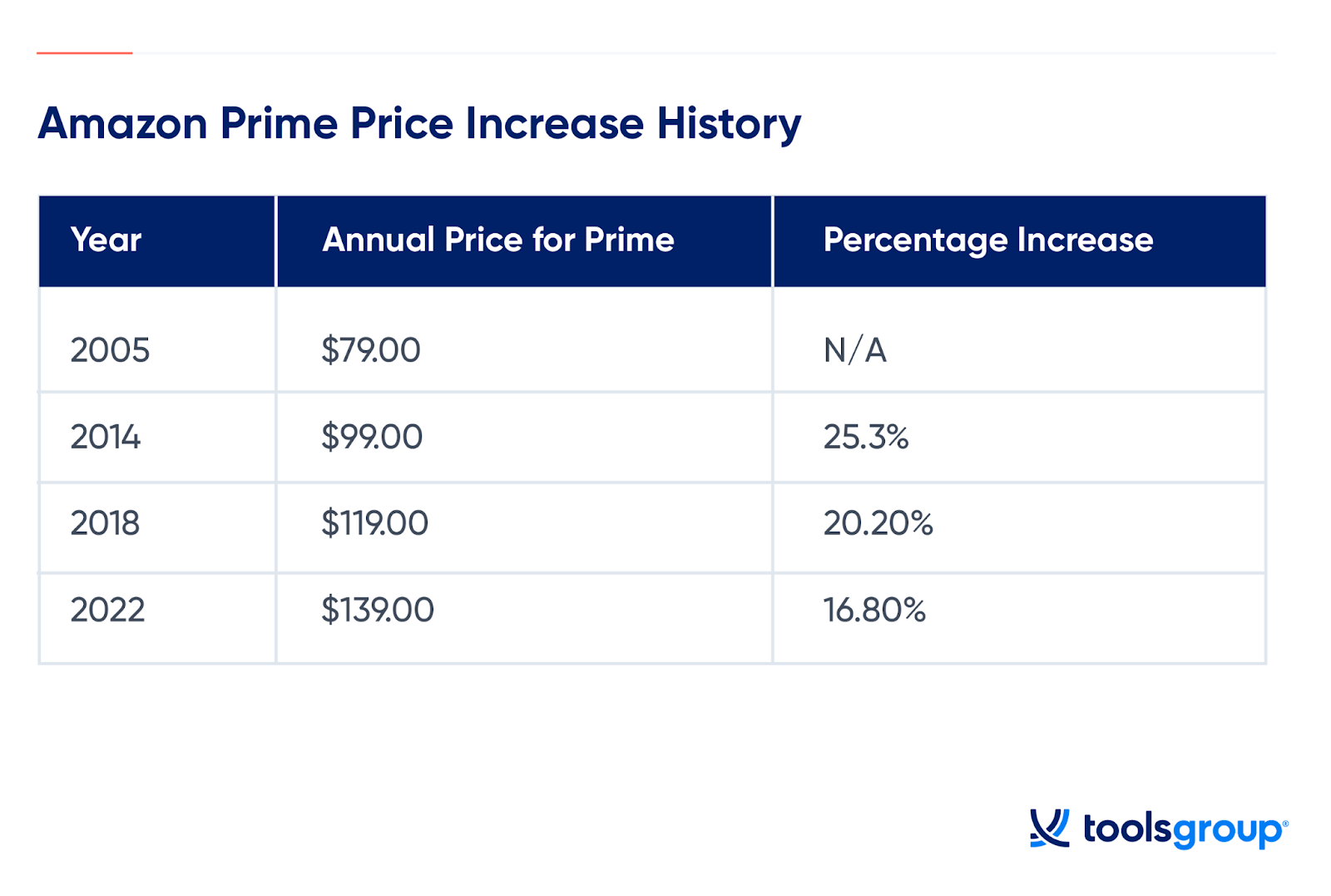
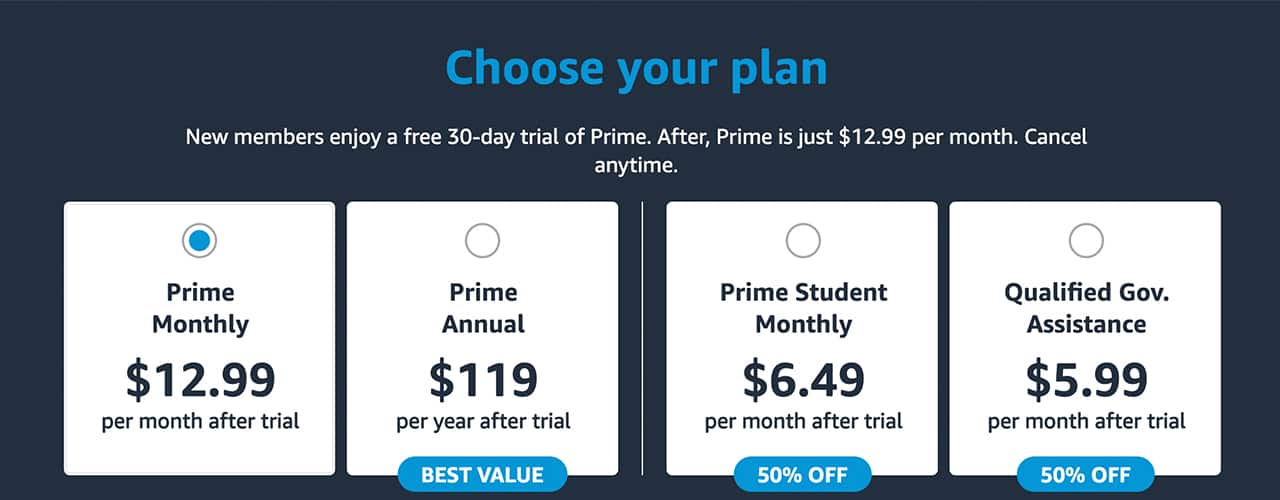
For the majority of subscribers, the most cost-effective approach to Prime is the annual membership. Historically, this has been priced at $139 per year. Opting for the annual plan represents a significant saving compared to the monthly alternative. Amazon also provides a monthly payment option, typically priced at $14.99 per month. While this offers greater flexibility, allowing subscribers to cancel at any time without committing to a full year, the cumulative cost over 12 months amounts to $179.88. This represents a nearly $41 premium annually for the convenience of monthly billing. From a personal finance perspective, committing to the annual plan is a clear choice for those who anticipate using Prime services consistently throughout the year, as it locks in a lower effective monthly rate.
Student and EBT/Medicaid Discounts
Recognizing that certain demographics have different financial constraints, Amazon extends significant discounts on its Prime membership. Students, for instance, are eligible for Prime Student, which offers a reduced annual rate of $69 per year, or a monthly option of $7.49. This discounted rate typically includes a six-month free trial, providing a substantial period to experience the benefits before committing financially. Eligibility usually requires proof of enrollment in an accredited college or university.
Similarly, individuals who qualify for certain government assistance programs, such as EBT or Medicaid, are eligible for a heavily discounted monthly rate of $6.99 per month. This program is designed to make Prime’s benefits more accessible to a broader population, removing some financial barriers to services like free shipping on groceries and essential goods. These programs underscore Amazon’s strategic effort to expand its subscriber base while addressing affordability concerns for specific segments. From a financial planning standpoint, it’s imperative for eligible individuals to investigate and leverage these discounts, as they represent substantial savings on an otherwise standard expenditure.
Free Trial Periods and Introductory Offers
Amazon frequently offers various introductory deals and free trial periods, particularly for new members. A standard 30-day free trial is common, allowing prospective members to experience the full suite of Prime benefits without financial commitment. This period is critical for individuals to assess whether the services genuinely align with their spending habits and needs. Beyond the standard trial, special promotions, often tied to major shopping events like Prime Day or holiday seasons, may extend trial durations or offer initial discounts. While these offers can be enticing, a vigilant financial consumer will mark the trial end date to either cancel before charges apply or budget for the subsequent full membership fee. Failure to do so can result in an unexpected charge, impacting personal budgets.
Beyond the Sticker Price: Hidden Costs and Value Considerations
While the annual or monthly fee for Amazon Prime is a fixed expense, a truly insightful financial analysis demands looking beyond this sticker price. The ecosystem of Prime can subtly influence spending habits and introduce supplementary costs, while also presenting significant opportunity costs if its core benefits remain underutilized.
Supplemental Subscriptions within Prime (e.g., specific channels)
One area where “hidden” costs can emerge is through the numerous supplemental subscriptions available within the Prime Video ecosystem. While Prime Video offers a vast library of content included with the basic membership, Amazon also hosts a plethora of “Prime Video Channels” (e.g., HBO Max, Showtime, Starz, Paramount+). Each of these channels comes with its own separate monthly fee, typically ranging from $5 to $15, added on top of the standard Prime membership cost. It’s easy for consumers to click and subscribe to these channels, perhaps forgetting they are separate charges. From a budgeting perspective, this can lead to “subscription creep,” where the total monthly outlay for entertainment far exceeds initial expectations. Careful review of bank statements and Amazon’s subscription management pages is essential to ensure these add-ons align with one’s entertainment budget.
The Opportunity Cost of Not Using Prime Benefits
Conversely, a significant financial consideration is the opportunity cost associated with not fully leveraging the benefits included in a Prime membership. If an individual pays $139 annually but primarily uses only the free shipping on a few orders, they might be missing out on substantial value. Prime Video, Amazon Music, Prime Reading, unlimited photo storage, and exclusive deals are all bundled into the price. The opportunity cost here is the value that could have been derived from these services had they been utilized. For instance, if a user pays for Prime but also subscribes to a separate music streaming service that costs $10/month, they are effectively paying twice for a similar service, if Amazon Music (included with Prime) meets their needs. Financially, this means a portion of the Prime fee is “wasted” if its comprehensive offerings aren’t integrated into daily life.
Behavioral Economics: The “Free Shipping” Trap
One of the most powerful psychological drivers behind Prime’s appeal is “free two-day shipping.” While the shipping cost is indeed covered by the membership fee, this benefit can inadvertently lead to increased spending. The perception of “free” shipping often encourages consumers to make more frequent, smaller purchases that they might otherwise have consolidated or skipped entirely to avoid shipping fees. This phenomenon, rooted in behavioral economics, can lead to impulse buying and an overall increase in total retail expenditure on Amazon. From a personal finance standpoint, it’s crucial to differentiate between genuinely needed items and purchases driven by the perceived zero marginal cost of delivery. The goal should be to save on necessary shipping, not to justify unnecessary purchases because shipping is “free.” A mindful budgeting strategy involves evaluating whether the item itself is needed, regardless of the shipping cost.
Maximizing Prime’s Value: A Financial Perspective
For those who have committed to the annual or monthly Prime fee, the financial imperative shifts from debating the cost to maximizing the value derived from that expenditure. This involves a strategic approach to using the services to offset other potential costs and make financially astute decisions.
Quantifying Savings on Shipping and Digital Services
The most tangible financial benefit of Prime for many is the saving on shipping costs. Without Prime, standard shipping on Amazon can range from a few dollars to upwards of $10 or more per order, often with minimum purchase thresholds for free shipping. If a household places, for example, 20 orders per year that would individually incur a $5 shipping fee, Prime saves them $100 annually in shipping costs alone. Add to this the value of Prime Video, which could replace a separate streaming service (e.g., Netflix basic plan at $9.99/month or $120/year), and the unlimited photo storage (which might otherwise cost $1.99/month or $23.88/year for a comparable cloud service). By consciously shifting consumption to Prime’s bundled services, users can easily demonstrate how the $139 annual fee is recouped, and even exceeded, in quantifiable savings. The key is to actively utilize these included benefits instead of paying for external alternatives.
Leveraging Prime Day and Exclusive Deals
Amazon Prime Day is a significant annual sales event exclusively for Prime members, offering deep discounts across a vast array of products. From a financial perspective, this event, along with other member-exclusive deals and early access to lightning deals, presents an opportunity for strategic savings. If a consumer plans their major purchases (e.g., electronics, home goods, holiday gifts) around these events, they can realize substantial discounts that further enhance the value proposition of their Prime membership. However, a critical financial discipline here is to only purchase items that were already on a needs-based shopping list, rather than succumbing to impulse buys simply because an item is “on sale.” True savings come from buying what you would have bought anyway, but at a reduced price, effectively offsetting a portion of the annual Prime fee.
Is it Worth It? A Personal Finance Calculation
The ultimate financial question for every Prime subscriber is whether the membership is “worth it.” This is a highly individual calculation rooted in personal spending habits and consumption patterns. To make an informed decision, a consumer should tally:
-
Total Annual Cost of Prime: ($139, $69, or applicable monthly sum x 12).
-
Estimated Annual Shipping Savings: (Number of orders x average shipping cost per order without Prime).
-
Value of Replaced Digital Services: (Cost of separate streaming, music, cloud storage, etc., if Prime equivalents are used instead).
-
Tangible Savings from Exclusive Deals: (Documented discounts on items bought during Prime Day/member-exclusive sales that were already planned purchases).
If (Shipping Savings + Replaced Services Value + Deal Savings) significantly exceeds the Total Annual Cost of Prime, then the membership presents clear financial value. If the benefits only marginally cover the cost, or fall short, it might be time to reconsider. This analysis should be revisited annually as financial situations and Amazon’s offerings evolve.
Alternative Spending Strategies and Competitor Analysis
For those on the fence about Prime, or seeking to optimize their spending further, exploring alternative strategies and understanding the competitive landscape is crucial. This involves assessing individual needs against a broader market of services and developing robust budgeting habits.
Evaluating Individual Service Subscriptions (e.g., stand-alone streaming, grocery delivery)
Amazon Prime’s core appeal is its bundle. However, for users who only utilize one or two specific services, purchasing those services à la carte might be more financially prudent. For example, if the primary use is video streaming, a subscription to a dedicated streaming service like Netflix or Disney+ might offer more specific content at a comparable or lower price point than Prime Video alone. Similarly, for grocery delivery, services like Instacart, Walmart+, or even direct grocery store delivery programs might be more cost-effective if the consumer is not a frequent Amazon shopper. Breaking down the bundled cost and comparing it to individual service providers can reveal whether the “convenience” of Prime is truly a financial advantage or an overspend for specific needs. A granular assessment ensures that every dollar spent aligns directly with the services actively consumed.
Budgeting for Online Shopping Habits
Regardless of whether one subscribes to Prime, effective budgeting for online shopping is paramount. This involves setting monthly or annual limits for discretionary spending on e-commerce platforms. For Prime members, this means resisting the urge to make small, frequent, unnecessary purchases just because shipping is “free.” For non-members, it involves strategically consolidating orders to meet free shipping thresholds (often $25 for non-Prime items from Amazon) or utilizing pickup options where available. Implementing a “wish list” approach, where items are added and reviewed after a cool-down period before purchase, can also mitigate impulse spending. Understanding one’s own shopping psychology and implementing disciplined financial controls are far more impactful than merely reacting to subscription incentives.

The Long-Term Financial Impact of Subscription Fatigue
Finally, the long-term financial impact of “subscription fatigue” cannot be overlooked. As more services shift to subscription models, consumers can find themselves managing a growing number of recurring charges that collectively drain their budget. Prime is often one of many such subscriptions. Periodically reviewing all recurring payments – from streaming services to software, gym memberships, and meal kits – is a vital financial health check. This exercise allows individuals to identify redundant services, cancel unused subscriptions, and reallocate funds to areas that provide greater personal value. In the context of Prime, this might mean canceling if its benefits are overshadowed by other, more frequently used or more tailored subscriptions, freeing up $139 (or more) annually for other financial goals. The goal is to ensure every subscription, including Prime, contributes genuine, quantifiable value to one’s financial well-being.
aViewFromTheCave is a participant in the Amazon Services LLC Associates Program, an affiliate advertising program designed to provide a means for sites to earn advertising fees by advertising and linking to Amazon.com. Amazon, the Amazon logo, AmazonSupply, and the AmazonSupply logo are trademarks of Amazon.com, Inc. or its affiliates. As an Amazon Associate we earn affiliate commissions from qualifying purchases.