
In the sprawling landscape of digital entertainment, streaming services have become a cornerstone of modern leisure. Among the titans of this industry, Prime Video stands out not just for its extensive library of movies and TV shows, but also for its unique integration into the broader Amazon ecosystem. For many consumers, understanding the true cost of Prime Video is not merely about a single monthly fee; it’s about navigating a multifaceted pricing structure that can impact personal finance and budgeting decisions. This article delves deep into the various cost components associated with Prime Video, offering a comprehensive financial breakdown to help you determine its value proposition for your individual entertainment budget.

The Core Prime Video Subscription: More Than Just Streaming
At its heart, Prime Video is often perceived as a standalone streaming service, but its primary offering is intricately linked to the Amazon Prime membership. This connection means that for many users, the cost of Prime Video is part of a larger bundle of services, each contributing to its overall financial consideration.
Understanding the Amazon Prime Ecosystem
The most common way to access Prime Video is through an Amazon Prime membership. This isn’t just a video streaming subscription; it’s a comprehensive package designed to enhance the Amazon shopping experience and provide a range of digital benefits. Beyond unlimited access to Prime Video’s included library, an Amazon Prime membership typically grants:
-
Free, Fast Shipping: This is often the primary draw for many subscribers, offering two-day, one-day, or even same-day delivery on eligible items without additional shipping costs. From a financial perspective, this can lead to significant savings for frequent Amazon shoppers, offsetting a portion of the membership fee.
-
Amazon Music Prime: Ad-free access to millions of songs and thousands of stations and playlists. While not as extensive as Amazon Music Unlimited, it provides substantial value for casual music listeners.
-
Prime Reading: Access to a rotating selection of free e-books, magazines, and comics. For avid readers, this can represent a saving on digital content purchases.
-
Prime Gaming (formerly Twitch Prime): Free games, in-game content, and a free monthly channel subscription on Twitch. This appeals to the gaming community, adding another layer of perceived value.
-
Exclusive Deals and Discounts: Members often receive early access to Lightning Deals and exclusive Prime member discounts, particularly during major sales events like Prime Day.
-
Amazon Photos: Unlimited full-resolution photo storage, a valuable asset for anyone concerned about digital backup and storage costs.
From a personal finance standpoint, evaluating the cost of Prime Video requires assessing how many of these bundled services you genuinely use and benefit from. If you frequently shop on Amazon, listen to music, or enjoy reading digital books, the effective cost attributable solely to Prime Video significantly diminishes. Conversely, if your sole interest is video streaming, you might be paying for benefits you don’t utilize, making the standalone Prime Video option more financially prudent.
Monthly vs. Annual Payments: Optimizing Your Savings
Amazon offers flexibility in how you pay for a full Prime membership, with distinct financial implications for each choice.
-
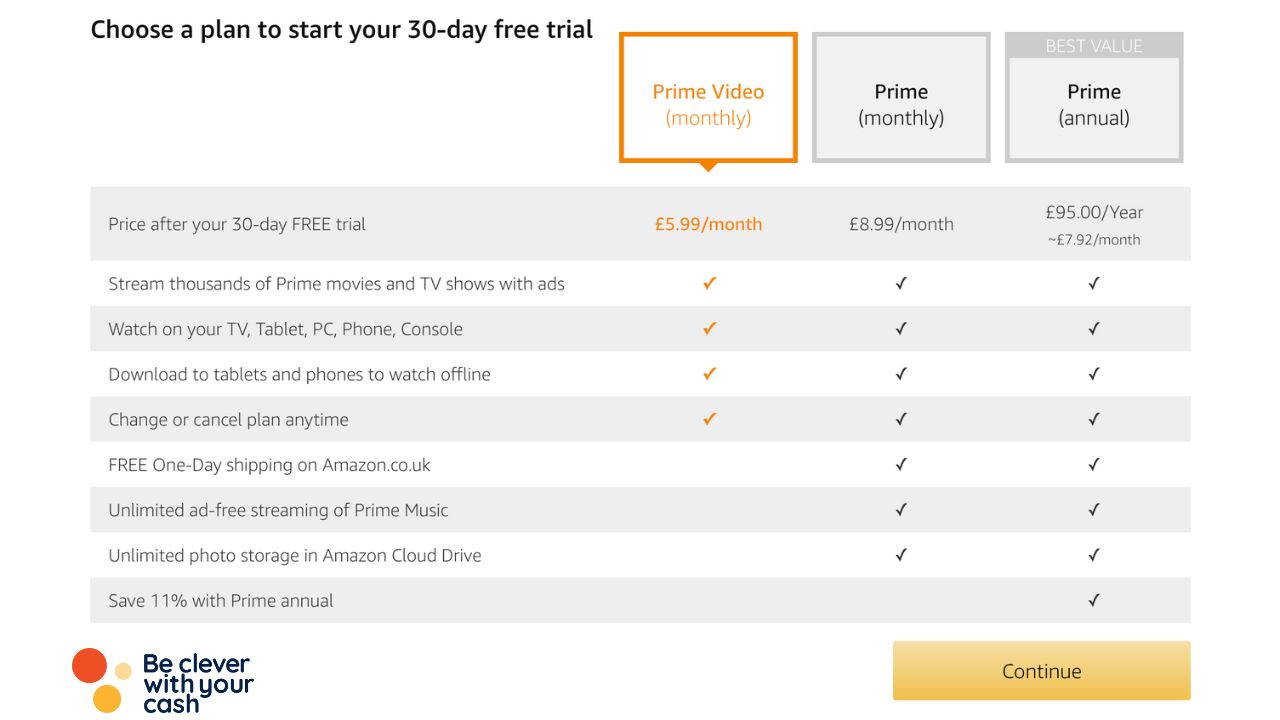
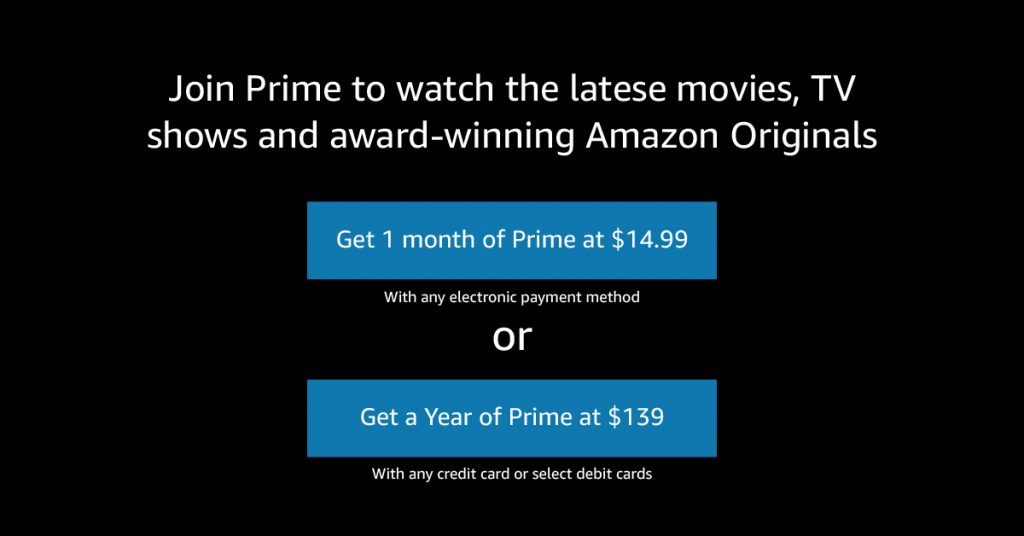
Monthly Membership: This option provides greater flexibility, allowing users to cancel at any time. The typical cost for a full Amazon Prime monthly membership is higher on a per-month basis compared to the annual plan. For individuals testing the waters or those who anticipate needing Prime only for specific periods (e.g., holiday shopping), the monthly plan might seem attractive due to its lower immediate outlay. However, over a full year, the cumulative cost is substantially higher.
-
Annual Membership: The annual subscription is the most cost-effective option for long-term Prime users. By committing for a full year, subscribers typically receive a notable discount compared to paying month-to-month. From a financial planning perspective, if you are confident you will use Prime services for the majority of the year, paying annually represents a clear saving, effectively reducing the per-month average cost of your Prime Video access and associated benefits. This upfront payment, while larger, locks in a lower overall rate, a common strategy for subscription services to encourage commitment.
For budget-conscious consumers, a simple calculation reveals the savings: comparing 12 months of the monthly rate versus the single annual fee. This often highlights a significant percentage saving that savvy users can leverage.
Standalone Prime Video: For the Stream-Only Enthusiast
Recognizing that not all users desire the full suite of Amazon Prime benefits, Amazon also offers a standalone Prime Video subscription. This option is explicitly designed for individuals whose primary interest is accessing the video content library without the added cost of shipping benefits, music, or other perks.
-
Cost: The standalone Prime Video subscription comes at a lower monthly price than the full Amazon Prime membership. This makes it an attractive choice for those who primarily use streaming services for entertainment and rarely shop on Amazon, or who already have free shipping through other means.
-
Financial Advantage: For pure streamers, this option prevents paying for unused services, optimizing their entertainment budget. It ensures that every dollar spent directly contributes to their video content access. However, it’s crucial to compare this cost to other pure-play streaming services to ensure competitive value, as Prime Video’s library, while extensive, might not always align perfectly with every viewer’s preferences compared to specialized platforms.
Choosing between the full Prime membership and standalone Prime Video is a direct financial decision driven by an individual’s consumption habits across Amazon’s diverse offerings.
Navigating Additional Costs and Premium Content
While a Prime Video subscription offers a vast library of included content, the platform extends its offerings well beyond this core, introducing various avenues for additional spending. Understanding these extra costs is crucial for accurate financial planning and avoiding unexpected charges.
Rental and Purchase Options: Beyond the Subscription Library
Not everything available on the Prime Video platform is included with your subscription. Many new releases, popular movies, and certain TV shows are offered as digital rentals or purchases, functioning much like a digital video store.
-
Rentals: When you rent a title, you typically have a limited window (e.g., 30 days to start watching, and 48 hours to finish once started) to view it. Rental prices vary based on the title’s popularity, newness, and resolution (SD, HD, 4K), usually ranging from a few dollars to upwards of $6-$7. This is a pay-per-view model for temporary access.
-
Purchases: Buying a digital title grants you unlimited access to it in your Prime Video library. Purchase prices are higher than rentals, often comparable to buying a physical Blu-ray or DVD, ranging from $10 to $20 or more for new releases. This represents an investment in permanent digital ownership.
From a financial perspective, these options should be treated as discretionary spending, separate from your core subscription budget. While they offer access to content not otherwise available, frequent rentals or purchases can quickly inflate your overall entertainment expenditure. It’s important to weigh the cost against the likelihood of rewatching a title when considering a purchase, or if it might eventually become available for free on a different streaming service you subscribe to.
Channel Add-ons: Expanding Your Viewing Universe (and Budget)
Prime Video acts as a hub for subscribing to numerous third-party premium channels directly through its interface. These “Prime Video Channels” are separate subscriptions and come with their own distinct monthly fees.
-
Examples: Popular channels available include HBO, Showtime, Starz, Paramount+, AMC+, and many niche-specific services (e.g., BritBox, NBA League Pass).
-
Cost: Each channel add-on carries its own monthly charge, typically ranging from $5 to $15 or more, which is billed directly to your Amazon account in addition to your Prime or standalone Prime Video subscription.
-
Financial Management: The convenience of managing all subscriptions in one place can be a double-edged sword. While it simplifies billing, it also makes it easy to accumulate multiple channel subscriptions without realizing the combined financial impact. It’s essential to regularly review your Prime Video Channel subscriptions and cancel those you no longer actively watch to prevent budget creep. Utilizing free trials for these add-ons can be a financially savvy way to test content before committing to a monthly charge.
These add-ons provide immense flexibility, allowing users to tailor their content library, but they require diligent financial oversight to ensure they align with an individual’s entertainment budget.
Live Events and PPV: Occasional Splurges
Beyond the on-demand library and channel add-ons, Prime Video occasionally hosts live pay-per-view (PPV) events, particularly in sports (e.g., certain boxing matches, specific NFL games in some regions).
-
Cost Structure: These events are one-time purchases, separate from any subscription. Their prices can vary significantly, from relatively modest sums for individual games to higher figures for major sporting events.
-
Budgeting for PPV: For enthusiasts of specific sports or events, these can be a worthwhile expense. However, they represent an additional, often unpredictable, cost that needs to be factored into a flexible entertainment budget. It’s advisable to treat PPV purchases as discretionary spending, similar to movie rentals, and to account for them separately from recurring subscription costs.
Recognizing these additional cost layers is paramount for any financially savvy Prime Video user. The base subscription opens the door, but the actual expenditure can climb significantly depending on individual choices regarding premium content.
Special Offers and Discount Opportunities
Understanding the standard pricing structure is only one piece of the financial puzzle. Amazon, like many service providers, offers a range of discounts and special programs designed to make Prime Video and its associated benefits more accessible to specific demographics. Leveraging these offers can lead to significant savings for eligible individuals.
Student Discounts: A Lifeline for Budget-Conscious Learners
For students enrolled in higher education, Amazon provides a highly attractive discount program known as Prime Student. This offer significantly reduces the financial burden of a Prime membership, acknowledging the often-tight budgets of university and college students.
-
Benefits: Prime Student typically includes all the core benefits of a full Amazon Prime membership, such as Prime Video access, free expedited shipping, Amazon Music Prime, Prime Reading, and Prime Gaming.
-
Cost: The annual membership fee for Prime Student is substantially lower than the standard annual Prime membership. Furthermore, students often receive an extended free trial period (e.g., six months) to experience the benefits before committing to a paid subscription. This extended trial is a substantial financial perk, allowing students to use the services for a significant period without any cost.
-
Eligibility: To qualify, students usually need a valid .edu email address or other proof of enrollment in an accredited college or university.
-
Financial Impact: For students, Prime Student is an excellent financial tool. It provides access to entertainment, academic resources (through Prime Reading), and practical benefits (shipping) at a fraction of the cost, making it easier to manage personal finances while pursuing education.
EBT/Medicaid Discounts: Ensuring Accessibility
Amazon is committed to making its services, including Prime Video, accessible to a broader audience, particularly those facing financial constraints. Through its discounted Prime membership for qualifying government assistance recipients, Amazon addresses this need.
-
Benefits: This program offers a reduced-price monthly Prime membership, encompassing the core benefits like Prime Video and free shipping.
-
Cost: The monthly cost for eligible EBT or Medicaid recipients is significantly lower than the standard monthly Prime membership. This makes the service affordable for households relying on these programs.
-
Eligibility: Eligibility typically requires proof of enrollment in government assistance programs such as EBT, Medicaid, SNAP, or other qualifying programs.
-
Financial Impact: This initiative provides a vital lifeline, allowing individuals and families on limited incomes to access digital entertainment, essential goods with free shipping, and other Prime benefits that might otherwise be financially out of reach. It’s a key example of how companies can factor social responsibility into their pricing models, making entertainment and convenience more equitable.
Free Trials: Test-Driving Before You Commit
For all potential subscribers, Amazon offers free trials for both its full Amazon Prime membership and many individual Prime Video Channels. This is a fundamental financial tool that wise consumers should always leverage.
-
Amazon Prime Free Trial: Typically lasting 30 days (or longer for students), this trial provides full access to all Prime benefits without charge. It’s an excellent opportunity to test Prime Video’s content library, evaluate the shipping benefits, and explore other perks to determine if the service genuinely adds value to your life before committing any money.
-
Prime Video Channel Free Trials: Most third-party channels offered through Prime Video also come with a free trial period, often 7 days. This allows users to sample the content of a specific channel before adding it to their monthly budget.
-
Financial Strategy: The key to using free trials effectively is to set a reminder to cancel before the trial period ends if you decide the service isn’t for you. This prevents automatic billing and ensures you only pay for services you genuinely value. Free trials are an invaluable risk-free way to assess the financial return on investment of a subscription before it costs you a single dollar.
By being aware of and utilizing these special offers and free trials, consumers can significantly reduce their out-of-pocket expenses for Prime Video, ensuring they get the most entertainment value for their money.
Is Prime Video Worth the Investment? A Financial Perspective
Ultimately, the question of “what does Prime Video cost?” transcends mere numbers; it translates into a deeply personal financial evaluation of value. For some, it’s an indispensable part of their digital life, while for others, it might be an unnecessary expenditure. Making an informed decision requires looking beyond the sticker price and considering your own consumption habits and financial priorities.
Calculating Your Entertainment ROI
Return on Investment (ROI) is a concept usually applied to financial investments, but it can be equally useful when evaluating entertainment subscriptions. For Prime Video, calculating your entertainment ROI involves weighing the cost against the utility and enjoyment you derive from its services.
-
Content Consumption: How often do you watch Prime Video? Do you primarily stick to the included library, or do you frequently rent, buy, or subscribe to additional channels? If you’re a heavy user who leverages multiple aspects of the service, your per-hour cost of entertainment will be significantly lower, indicating a higher ROI. Conversely, if you rarely open the app, your ROI is low, suggesting the subscription might be a drain on your finances.
-
Utilizing Prime Benefits: For full Amazon Prime subscribers, how often do you use the free shipping, Prime Music, Prime Reading, or other bundled perks? Each time you save on shipping fees or forgo purchasing an e-book because it’s available through Prime Reading, you are effectively reducing the net cost of your Prime membership. Quantifying these savings can dramatically alter the perceived value.
-
Opportunity Cost: Consider what else you could do with the money spent on Prime Video. Could that budget be better allocated to other financial goals, such as savings, debt repayment, or other forms of entertainment?
By systematically assessing your usage and the tangible and intangible benefits received, you can form a more accurate picture of Prime Video’s financial worth to you.
Comparing Prime Video to Competitors: Value Proposition
In a competitive streaming market, Prime Video isn’t operating in a vacuum. Consumers have a plethora of options, each with its own pricing, content library, and unique features. A financially savvy approach involves comparing Prime Video’s value proposition against its rivals.
-
Price Point: Compare the standalone Prime Video cost (or the prorated video portion of a full Prime membership) against services like Netflix, Disney+, Hulu, Max, and Apple TV+. Consider not just the base price but also the cost of premium tiers or add-ons if you require them.
-
Content Library: Does Prime Video’s included content library align better with your viewing preferences than competitors? Some services specialize in certain genres or exclusive originals. Financial value is subjective here: a service that offers content you genuinely love and watch frequently is more valuable, regardless of a slight price difference, than one you rarely use.
-
Bundled Value: This is where Amazon Prime truly differentiates itself. No other major streaming service bundles fast shipping, music, reading, and gaming into its core offering. For consumers who heavily utilize these Amazon services, the bundled price of Prime becomes exceptionally competitive compared to subscribing to multiple individual services (e.g., a standalone streaming service plus a separate music subscription and e-book purchases). This financial synergy is a key consideration for many.
Performing this comparative analysis helps you determine if Prime Video offers the most bang for your buck relative to your specific entertainment needs and other expenditures.
Budgeting for Streaming: A Personal Finance Essential
Integrating streaming costs into a comprehensive personal budget is a crucial step for maintaining financial control. The proliferation of subscription services can lead to “subscription fatigue” and unintentional overspending if not managed diligently.
-
Allocate a Fixed Entertainment Budget: Decide on a realistic monthly or annual amount you are comfortable spending on all forms of entertainment, including streaming services, movie tickets, concerts, etc.
-
Track All Subscriptions: Regularly review bank statements or use budgeting apps to identify all recurring charges. It’s easy to forget about trials that converted to paid subscriptions or services you no longer use.
-
Prioritize and Prune: Be ruthless in canceling services that you rarely use or that duplicate content. Consider “churning” – subscribing to a service for a few months to binge-watch desired content, then canceling and moving to another service.
-
Consider “Off-Season” Subscriptions: If you primarily use a sports-related channel add-on, cancel it during the off-season. This intermittent subscription management can save significant money over a year.
By proactively managing your streaming subscriptions as part of a broader personal finance strategy, you can enjoy Prime Video and other entertainment options without compromising your financial well-being.
In conclusion, “what does Prime Video cost?” is a question with a nuanced answer, intricately tied to individual consumption habits and financial savvy. While a basic subscription fee exists, the true financial impact depends on whether you opt for the full Amazon Prime bundle, leverage discounts, or incur additional costs through rentals, purchases, and channel add-ons. By thoughtfully evaluating these components, calculating your personal ROI, comparing it to competitors, and integrating it into a disciplined personal budget, you can make an informed decision that maximizes your entertainment value while maintaining sound financial health. Prime Video offers a wealth of content and convenience, but smart financial management ensures it remains an asset, not an unexpected liability.
aViewFromTheCave is a participant in the Amazon Services LLC Associates Program, an affiliate advertising program designed to provide a means for sites to earn advertising fees by advertising and linking to Amazon.com. Amazon, the Amazon logo, AmazonSupply, and the AmazonSupply logo are trademarks of Amazon.com, Inc. or its affiliates. As an Amazon Associate we earn affiliate commissions from qualifying purchases.