
Amazon has become an undeniable fixture in modern life, profoundly shaping how we shop, consume media, and even conduct business. For many, the question isn’t whether they use Amazon, but rather, “how much does it truly cost me each month?” This seemingly simple inquiry unravels into a complex web of subscriptions, variable spending, and business-related outlays that can significantly impact both personal and business finances. Understanding your total monthly Amazon expenditure requires a deep dive beyond just the Prime membership fee, encompassing everything from digital entertainment to cloud computing services and seller fees.
In this comprehensive guide, we will dissect the various avenues through which Amazon can tap into your monthly budget. We’ll explore consumer-centric costs like Prime subscriptions and digital content, delve into the financial commitments of Amazon sellers and businesses utilizing AWS, and ultimately provide strategies for auditing and optimizing your Amazon spending to ensure you’re extracting maximum value without overspending.
Understanding Amazon’s Diverse Monthly Cost Structures
Amazon’s ecosystem is vast, offering a multitude of services each with its own pricing model. For the average consumer, these costs often accumulate stealthily, leading to a higher total monthly outlay than initially perceived.
Amazon Prime: More Than Just Shipping
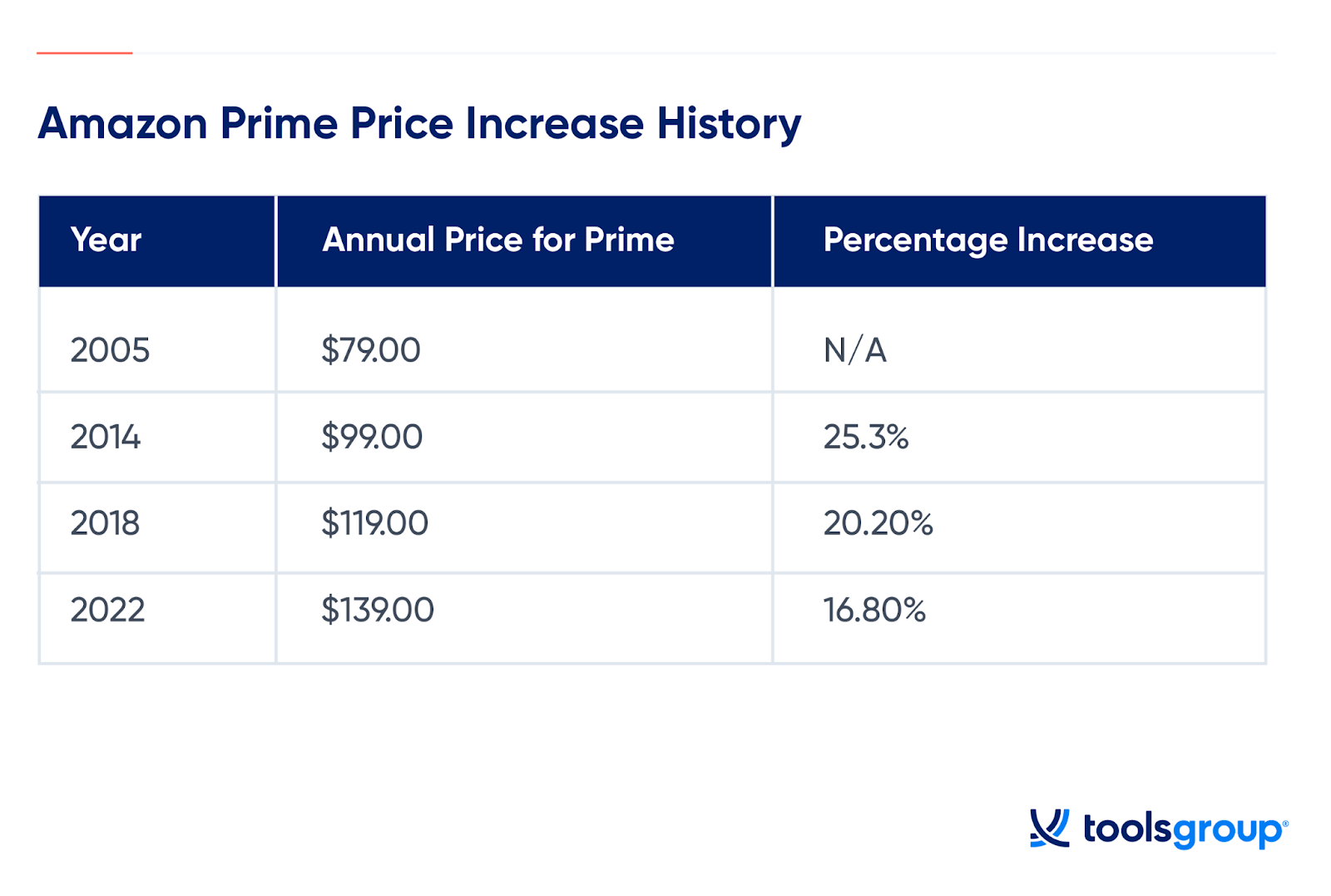
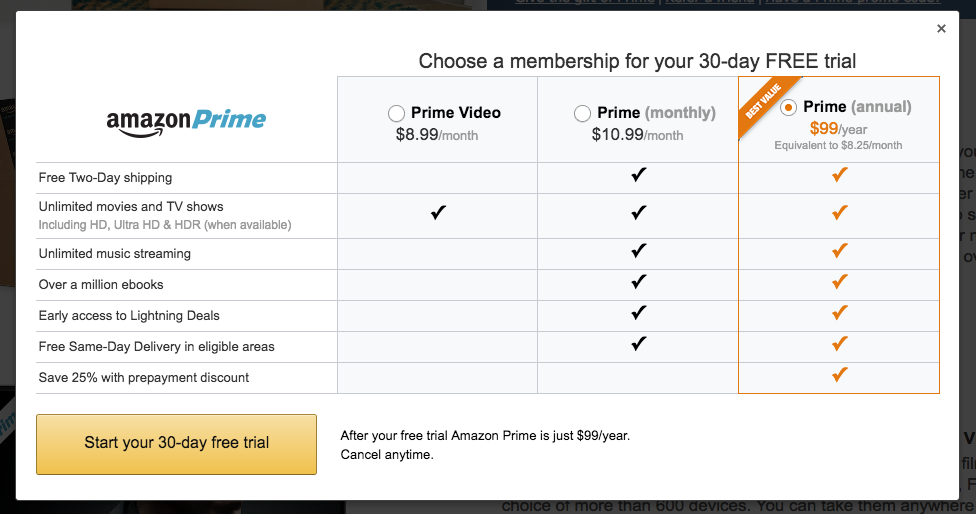
At the core of many consumers’ monthly Amazon spending is the Amazon Prime membership. While often perceived primarily as a shipping benefit, Prime is a comprehensive bundle of services designed to enhance customer loyalty and engagement. The most common payment structure is an annual fee, which, when broken down, translates to a specific monthly cost. However, Amazon also offers a monthly payment option, which is slightly more expensive over a year but provides flexibility.
Current Cost Breakdown (as of early 2024, subject to change):
-
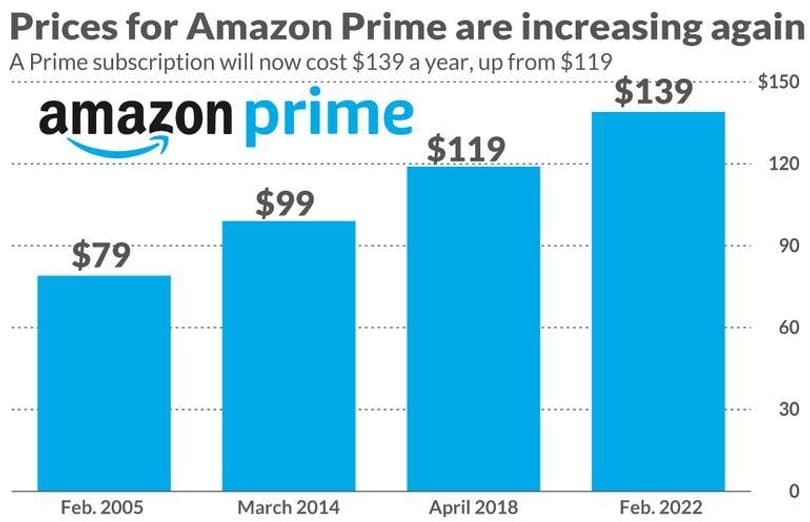
Annual Prime Membership: Approximately $139/year, which equates to roughly $11.58/month.
-
Monthly Prime Membership: Approximately $14.99/month.
-
Prime Student: A discounted rate for verified students, typically around $7.49/month or $69/year.
-
Prime Access (EBT/Medicaid Recipients): A further reduced rate, usually around $6.99/month.
Beyond expedited free shipping, Prime membership includes a wealth of benefits that, if utilized, can justify its cost. These include access to Prime Video, Amazon Music (limited catalog), Prime Reading, unlimited photo storage with Amazon Photos, Prime Gaming, and exclusive deals. From a personal finance perspective, evaluating whether you actively use enough of these services to offset the monthly or annual fee is crucial. If you only occasionally order from Amazon and don’t leverage the digital content, the value proposition diminishes.
Digital Subscriptions: The Hidden Monthly Accumulation
Beyond the core Prime membership, Amazon offers an array of digital subscription services that can rapidly add up. These often start with free trials and, if forgotten, transition into recurring monthly charges.
-
Prime Video Channels: While Prime Video is included with Prime, subscribers can add premium channels like Max, Showtime, Starz, or Paramount+ for an additional monthly fee, typically ranging from $5 to $15 per channel. These operate similarly to traditional cable packages, but à la carte.
-
Amazon Music Unlimited: For a larger, on-demand music library and ad-free listening beyond what’s offered with standard Prime Music, this service typically costs around $9.99/month for Prime members and $10.99/month for non-Prime members. Family plans are also available at a higher price.
-
Kindle Unlimited: Offering unlimited access to a vast library of ebooks and audiobooks, Kindle Unlimited usually costs $11.99/month.
-
Audible: Amazon’s audiobook service, Audible, has various membership tiers, typically starting around $14.95/month for one credit per month, which can be exchanged for any audiobook.
-
Amazon Kids+: A subscription service tailored for children, providing access to thousands of kid-friendly books, movies, TV shows, educational apps, and games, usually costing $4.99/month for Prime members and $7.99/month for non-Prime members for a single child, with family plans available.
These digital services, while offering immense value for entertainment and content consumption, represent distinct monthly financial commitments that can easily push your total Amazon expenditure higher than anticipated. A regular audit of these subscriptions is vital for effective personal finance management.
E-commerce Spending: The Variable Monthly Outflow
Perhaps the most unpredictable, yet often largest, component of monthly Amazon spending is direct product purchases. Unlike fixed subscription fees, this figure fluctuates wildly based on individual shopping habits, needs, and impulse buys. From groceries through Amazon Fresh or Whole Foods to electronics, household goods, and apparel, Amazon’s marketplace is a primary destination for countless consumers.
-
Everyday Purchases: Regular replenishment of staples, cleaning supplies, or pet food.
-
Impulse Buys: Unplanned purchases driven by promotions, recommendations, or immediate desire.
-
Recurring Orders (Subscribe & Save): While often offering a discount, these represent a fixed, recurring cost that needs to be factored into a monthly budget.
Managing this variable spending requires strong budgeting discipline. Tools like Amazon’s order history can help track past expenditure, while setting spending limits and using wishlists can help control future outlays.
Beyond Consumer Spending: Business & Seller Costs
Amazon’s influence extends far beyond individual consumers, forming a critical backbone for countless businesses. For entrepreneurs, small businesses, and large enterprises, Amazon can represent substantial monthly financial commitments, distinct from consumer-facing costs.
Amazon Seller Fees: For the Entrepreneur
For individuals or businesses selling products on Amazon, the monthly costs are multifaceted and can significantly impact profitability.
-
Professional Seller Account: While an Individual Seller plan (no monthly fee, but a per-item fee) exists, most serious sellers opt for the Professional plan, which costs $39.99/month. This unlocks advanced selling tools, reporting, and eligibility for the Buy Box.
-
Referral Fees: Amazon charges a percentage of the selling price for each item sold, known as a referral fee. This percentage varies significantly by product category, typically ranging from 8% to 15%, but can go higher or lower. These are transaction-based, but accrue monthly.
-
Fulfillment by Amazon (FBA) Costs: For sellers who leverage Amazon’s logistics, warehousing, and shipping services, FBA fees are a major monthly expense. These include:
-
Storage Fees: Charged per cubic foot for inventory stored in Amazon’s fulfillment centers, calculated monthly, with higher rates during peak seasons.
-
Fulfillment Fees: Per-unit fees for picking, packing, and shipping orders, dependent on product size and weight.
-
Optional Services: Fees for labeling, packaging, returns processing, etc.
-
-
Advertising Costs (Amazon Ads): Many sellers use Amazon’s pay-per-click advertising platform to increase visibility. These campaigns incur daily or monthly budgets, adding another significant variable cost.
Effectively managing Amazon seller costs requires diligent financial analysis, inventory management, and strategic pricing to maintain healthy profit margins.
AWS Cloud Services: For Businesses and Developers
Amazon Web Services (AWS) is the world’s leading cloud platform, providing on-demand computing power, storage, databases, and a vast array of other IT services. For businesses, startups, and developers, AWS costs can be a substantial and often complex monthly expenditure.
-
Pay-as-you-go Model: The core of AWS pricing is a pay-as-you-go model for most services, meaning you only pay for what you use. However, “what you use” can encompass compute hours, data transfer, storage volume, API calls, and much more.
-
Common Services and Their Costs:
-
Amazon EC2 (Compute): Charged per hour or second for virtual servers, varying by instance type, region, and operating system.
-
Amazon S3 (Storage): Charged per GB for data stored and per data transfer out, varying by storage class (Standard, Infrequent Access, Glacier).
-
Amazon RDS (Databases): Charged for database instance hours, storage, I/O requests, and data transfer.
-
AWS Lambda (Serverless Compute): Charged per request and for compute duration (GB-seconds).
-
Data Transfer: Ingress is usually free, but egress (data moving out of AWS to the internet) incurs charges.
-
AWS offers various cost optimization strategies, including reserved instances, savings plans, and spot instances, which can significantly reduce monthly bills compared to on-demand pricing. However, for many businesses, AWS represents one of their largest recurring IT expenditures. Comprehensive cost monitoring and optimization tools are essential for managing these dynamic costs.
Amazon Business Accounts: Streamlining Procurement
Amazon Business accounts are designed for businesses of all sizes, offering features like multi-user accounts, tax-exempt purchases, approval workflows, and business-only pricing. While the account itself is free, the value lies in streamlined procurement and potential cost savings on bulk purchases. However, for organizations, the aggregated monthly spend through an Amazon Business account can be substantial, representing a significant line item in operational budgets. These purchases encompass everything from office supplies to industrial equipment.
Strategies for Managing and Optimizing Your Monthly Amazon Spend
Whether you’re an individual consumer or a business owner, proactively managing your Amazon spending is critical for financial health.
Auditing Your Amazon Prime Usage
If you’re paying for Prime, regularly assess if you’re truly leveraging its full suite of benefits.
-
Is the shipping benefit essential? If you only order a few times a year, the cost of Prime might outweigh the shipping savings. Consider the free shipping threshold for non-Prime members or slower shipping options.
-
Are you watching Prime Video or using Prime Music/Reading? If these go unused, the value proposition diminishes.
-
Consider family sharing: If available, ensure all eligible family members are benefiting from a single Prime membership.
-
Annual vs. Monthly: If you’re committed to Prime, paying annually is always cheaper than month-to-month.
Reviewing Digital Subscription Overlaps and Necessity
Combat “subscription creep” by regularly reviewing all your digital subscriptions linked to Amazon.
-
Cancel unused channels/services: Many people subscribe to a Prime Video Channel for a specific show and forget to cancel.
-
Check for overlaps: Do you really need both Amazon Music Unlimited and Spotify, or Kindle Unlimited and another ebook service?
-
Utilize free trials wisely: Always set a calendar reminder to cancel before a free trial converts to a paid subscription if you don’t intend to keep it.
Budgeting for E-commerce Purchases
For variable shopping, implement clear budgeting strategies.
-
Set monthly spending limits: Treat your Amazon shopping like any other budget category.
-
Use wishlists: Instead of immediate purchases, add items to a wishlist and review them periodically to differentiate needs from wants.
-
Price tracking tools: Utilize browser extensions or websites that track price history to ensure you’re getting a good deal and avoid impulse buys during artificial sales.
-
Reconsider Subscribe & Save: While offering discounts, ensure the items are truly needed regularly and consider if a bulk purchase elsewhere might be cheaper long-term.
Optimizing Seller Operations and AWS Usage
For businesses, cost optimization is an ongoing process.
-
Seller Central Financial Reports: Regularly review detailed sales and fee reports to understand where your money is going and identify areas for improvement. Negotiate FBA fees if possible with high volume, though often difficult.
-
AWS Cost Management Tools: Leverage AWS Cost Explorer, AWS Budgets, and AWS Trusted Advisor to monitor, forecast, and optimize your cloud spending. Implement tagging strategies to allocate costs to specific projects or teams.
-
Right-sizing and Reserved Instances: Ensure your AWS compute resources are appropriately sized for your workloads (right-sizing) and commit to Reserved Instances or Savings Plans for predictable workloads to significantly reduce costs.
-
Automate Cost Governance: Use infrastructure-as-code and automation to ensure resources are provisioned efficiently and shut down when not needed.
The Value Proposition: Is the Monthly Cost Justified?
Ultimately, the question of “how much is Amazon a month” isn’t solely about the dollar figure, but about the value derived from that expenditure. For some, the convenience, entertainment, and business advantages Amazon provides are well worth the accumulated monthly costs. For others, a deeper analysis might reveal unused services or overspending that can be reined in.
Amazon’s pervasive presence means that its financial impact is felt across various facets of life and business. By understanding the diverse cost structures, diligently auditing your usage, and employing strategic cost management techniques, you can ensure that your monthly Amazon outlay aligns with your financial goals and provides genuine value, rather than becoming an unnoticed drain on your resources. Making informed decisions about your Amazon budget is an essential step towards robust personal and business financial health in the digital age.
aViewFromTheCave is a participant in the Amazon Services LLC Associates Program, an affiliate advertising program designed to provide a means for sites to earn advertising fees by advertising and linking to Amazon.com. Amazon, the Amazon logo, AmazonSupply, and the AmazonSupply logo are trademarks of Amazon.com, Inc. or its affiliates. As an Amazon Associate we earn affiliate commissions from qualifying purchases.