
In the increasingly subscription-driven economy, Amazon Prime stands as a titan, offering a sprawling ecosystem of benefits from expedited shipping to digital entertainment. For millions worldwide, it has become an indispensable part of daily life. However, beneath the convenience and extensive offerings lies a fundamental question for any financially astute consumer: “How much does Amazon Prime membership truly cost, and is it a wise financial investment?” This article delves into the monetary aspects of Amazon Prime, dissecting its various pricing tiers, exploring the often-overlooked financial implications, and providing a framework for evaluating its true value within your personal budget. For a service that promises both convenience and savings, understanding its financial footprint is paramount for making an informed economic decision.

Deconstructing the Core Costs: Understanding Amazon Prime’s Price Structure
At its heart, Amazon Prime is a subscription service, and like all subscriptions, it comes with a price tag. This initial sticker price is the most straightforward financial commitment, but even it offers a few variations designed to cater to different user needs and financial situations.
Standard Membership Tiers: Annual vs. Monthly Billing
The primary way most consumers pay for Amazon Prime is through either an annual or a monthly subscription. The distinction between these two options is not merely about payment frequency but carries significant financial implications regarding overall cost and flexibility.
-
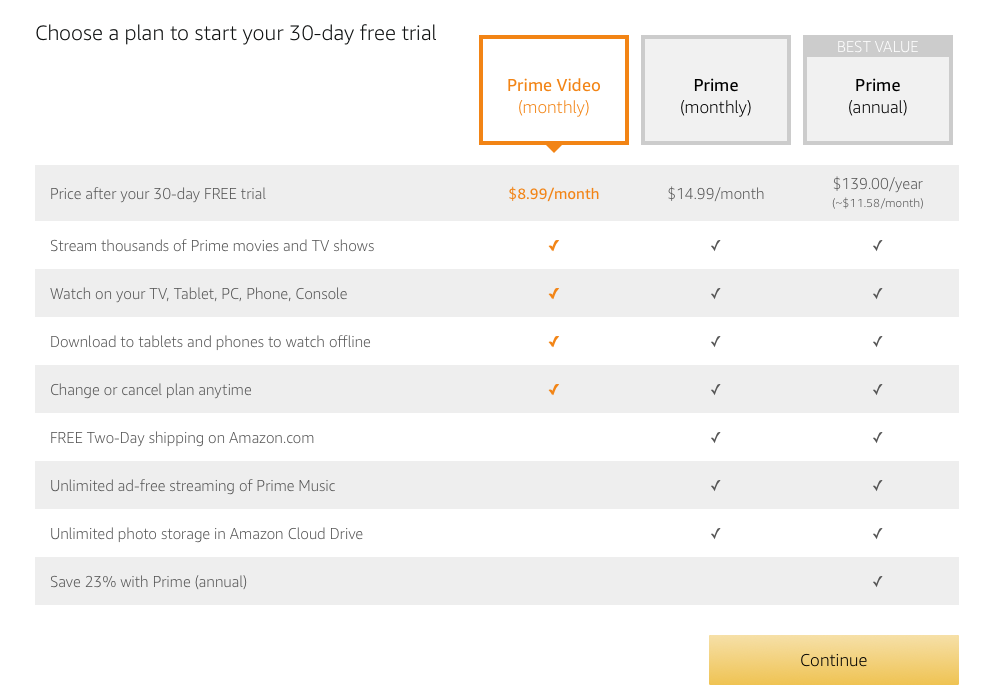
Annual Membership: Historically the most cost-effective option for long-term users, the annual Prime membership is paid as a single lump sum. For example, a typical annual fee might be around $139. This one-time payment offers a discount compared to paying month-to-month over a year. From a personal finance perspective, committing to an annual payment locks in the rate for a full year and simplifies budgeting, as it’s a single, predictable expense. It requires a larger upfront outlay but rewards consistency.
-
Monthly Membership: For those who prefer greater flexibility, or who are uncertain about their long-term commitment, the monthly Prime membership offers a pay-as-you-go model. At a typical rate of $14.99 per month, this option might seem more affordable on a per-payment basis. However, over a full year, the cumulative cost of monthly payments ($14.99 x 12 = $179.88) is notably higher than the annual fee. This difference highlights a key financial trade-off: convenience and flexibility often come at a premium. While monthly payments ease cash flow, they represent a less efficient use of funds if the service is used consistently for more than a few months.
Discounted Programs: Making Prime More Accessible
Amazon also offers specific discounted programs, recognizing that not everyone has the same financial capacity. These programs are a crucial aspect of Prime’s pricing strategy, aimed at broadening its subscriber base while providing tangible financial relief to eligible groups.
-
Prime Student: For students enrolled in two- or four-year colleges, Amazon offers a significantly reduced Prime membership. This typically includes a generous free trial period (often six months) and then a discounted monthly or annual rate (e.g., $7.49/month or $69/year). This program is a substantial financial benefit, understanding that students often operate on tighter budgets while still needing access to resources like expedited shipping for textbooks or streaming for entertainment. Eligibility usually requires a valid .edu email address.
-
Government Assistance Recipients: In a move to make Prime accessible to a broader demographic, Amazon extends a discounted rate to recipients of qualifying government assistance programs, such as EBT or Medicaid. Similar to the student discount, this tier typically offers a reduced monthly fee (e.g., $6.99/month). This initiative addresses financial inclusivity, allowing individuals with limited income to access Prime’s benefits, particularly important for fast delivery of essential goods or access to job-searching tools via its digital content.
The Prime Free Trial: A Financial Foot in the Door
Before committing any funds, new customers are typically offered a free trial period, usually 30 days. This trial is a smart financial strategy from Amazon, allowing users to experience the full suite of benefits without immediate monetary commitment. From the consumer’s perspective, it’s an opportunity to conduct a personal cost-benefit analysis before spending. However, it requires vigilance: unless cancelled before the trial ends, it automatically converts to a paid membership at the standard rate, representing a future financial obligation if not managed correctly.
Beyond the Sticker Price: Unpacking the True Financial Value (and Cost)
While the explicit fees are easy to calculate, the true financial impact of an Amazon Prime membership extends far beyond the annual or monthly charge. It involves an intricate interplay of perceived savings, potential increased spending, and the value derived from its bundled services.
Quantifying the “Free” Benefits: A Personal Finance Audit
Amazon Prime is famous for its suite of “free” benefits. These aren’t truly free, as they’re covered by your subscription fee, but they represent services that would individually incur costs if purchased à la carte. Understanding these benefits from a financial perspective is key to assessing Prime’s value.
-
Free Two-Day Shipping (and faster): This is arguably Prime’s flagship benefit. If you frequently order items from Amazon, the cumulative cost of shipping fees could quickly outweigh the Prime membership fee. Many retailers offer free shipping only above a certain spend threshold. Prime eliminates this barrier, potentially saving dozens, if not hundreds, of dollars in shipping costs annually for frequent shoppers.
-
Prime Video: Access to a vast library of movies and TV shows, including Amazon Originals. Comparing this to standalone streaming services like Netflix or Hulu (which can range from $7 to $20+ per month), Prime Video represents a significant value. If you would otherwise subscribe to a similar service, Prime effectively bundles this entertainment cost.
-
Amazon Music Prime: Ad-free access to a curated catalog of millions of songs. While not as extensive as Amazon Music Unlimited or Spotify Premium, it offers a solid music streaming option. A standalone ad-free music service typically costs around $10-15 per month.
-
Prime Reading: Access to a rotating selection of ebooks, magazines, and comics. For avid readers, this can supplement library borrowing or reduce spending on new titles.
-
Prime Gaming (Twitch Prime): Free games, in-game content, and a free monthly Twitch channel subscription. For gamers, this can represent actual monetary savings on digital purchases.
-
Exclusive Deals & Discounts (e.g., Prime Day): Prime members get early access and exclusive discounts, most notably during Prime Day. While these can lead to savings on specific purchases, they also carry the risk of encouraging impulse buying that might not align with one’s budget.
To truly assess value, a user should tally how much they would have spent on these individual services or shipping fees if they didn’t have Prime. If the sum of those hypothetical savings exceeds the membership fee, then Prime offers clear financial value.
The Psychology of Subscription: The Risk of Increased Spending
One of the more subtle financial impacts of Amazon Prime is its potential to influence spending habits. The existence of “free” two-day shipping can psychologically lower the barrier to purchase.
-
Reduced Friction for Impulse Buys: Knowing that shipping costs are covered can make consumers more likely to order small, inexpensive items that they might otherwise defer or purchase locally. This convenience, while appealing, can lead to a gradual increase in discretionary spending that might not have occurred without Prime.
-
Anchor Pricing and Perceived Value: The lump sum payment for Prime can act as an anchor, making additional purchases seem “cheaper” in comparison. Consumers might rationalize purchases by thinking, “I’ve already paid for Prime, so I might as well get my money’s worth by ordering more.”
-
Hidden Costs and Upsells within the Ecosystem: While many benefits are included, Amazon’s platform is also designed to upsell. Prime Video might entice you with movies for rent or purchase, Amazon Music Prime might prompt an upgrade to Music Unlimited, and Prime members still face costs for services like Whole Foods grocery delivery if minimum order thresholds aren’t met. These add-ons, though optional, can incrementally increase your overall Amazon spending.
From a personal finance standpoint, it’s crucial to be aware of these behavioral influences. A financially savvy individual will view Prime as a tool to save money on necessary purchases, not as an excuse to spend more.

Making the Financial Decision: Is Amazon Prime Worth It For You?
The question of Amazon Prime’s worth is deeply personal, rooted in individual consumption patterns, priorities, and financial circumstances. There’s no universal answer, but a structured financial assessment can guide your decision.
Calculating Your Personal Break-Even Point
To determine if Prime is a financially sound choice, consider a hypothetical scenario:
-
Shipping Costs: Estimate how many orders you place from Amazon annually and what the shipping cost would be for each if you didn’t have Prime (e.g., ~$5-8 per order). If you place 20 orders a year, that’s $100-$160 in potential shipping costs.
-
Streaming Services: Do you subscribe to other streaming services? Could Prime Video replace one or more of them, saving you $10-15 per month?
-
Music/Reading: Would you pay for a music service or buy books/magazines that Prime Music/Reading could replace?
Add up these potential savings. If your estimated annual savings from shipping, video, music, and other Prime benefits exceed the annual membership fee (e.g., $139), then Prime offers a clear financial advantage. If your savings are minimal, or if you rarely use the bundled services, the membership fee becomes a pure expense with little return.
Alternative Cost-Saving Strategies and Competitor Analysis
Before committing to Prime, consider alternatives that might better align with your financial goals:
-
Free Shipping Thresholds: Many online retailers offer free shipping for orders above a certain amount (e.g., $35-$50). Consolidating purchases or planning ahead can often circumvent shipping fees without a subscription.
-
Local Shopping: Buying from local stores or utilizing in-store pickup can eliminate delivery fees entirely and support local economies.
-
Public Libraries: For books, movies, and music, public libraries offer a truly free alternative to Prime Reading and Prime Video, requiring only a library card.
-
Target RedCard: This card often provides 5% off most purchases and free shipping on many items from Target, offering a different value proposition without an annual fee.
-
Walmart+: Walmart’s subscription service offers free shipping without minimums, fuel discounts, and occasionally grocery delivery. It’s a direct competitor to Prime, and its financial benefits might be more tailored to those who primarily shop at Walmart.
-
Individual Subscriptions: If you only care about one or two Prime benefits (e.g., just video streaming), consider if a cheaper, focused subscription (e.g., just Netflix, or just an ad-free music service) would be more cost-effective than the full Prime bundle.
Budgeting for Your Subscription: A Line Item for Prime
For those who decide Prime is a valuable investment, integrate it consciously into your personal budget. Whether you opt for the annual or monthly payment, ensure it’s accounted for alongside other fixed expenses like rent, utilities, and other subscriptions. Avoid viewing it as a “hidden” or “optional” cost; treat it as a planned expenditure. If the cost strains your budget, explore the discounted student or assistance programs, or reconsider whether the comprehensive package aligns with your financial priorities.
Managing Your Prime Membership Financially
Once you’ve subscribed, intelligent financial management of your Prime membership can ensure you’re continuously getting value for your money and avoiding unwanted expenses.
Monitoring and Cancelling: Avoiding Unnecessary Charges
Subscription fatigue is real, and it’s easy to lose track of recurring charges.
-
Set Reminders: If you’re on a free trial, set a calendar reminder a few days before it ends to decide whether to continue or cancel.
-
Review Account Statements: Regularly check your bank or credit card statements for unexpected Amazon Prime charges, especially if you shared an account or signed up for a trial accidentally.
-
Easy Cancellation: Amazon makes it relatively straightforward to cancel Prime membership through your account settings. If you pay annually and cancel mid-year, you might be eligible for a pro-rated refund based on how much you’ve used the service. Understanding this policy is crucial for reclaiming funds if your needs change.
Maximizing Your Investment: Strategies for Optimal Financial Returns
To ensure you’re truly getting your money’s worth, actively engage with the Prime ecosystem:
-
Utilize All Benefits: Make a conscious effort to explore and use Prime Video, Music, Reading, and Gaming if they align with your interests. Don’t just pay for shipping; leverage the full bundle.
-
Consolidate Purchases: Instead of placing multiple small orders, try to consolidate your Amazon purchases to reduce the environmental impact and reinforce the value of your unlimited shipping.
-
Leverage Prime Day & Exclusive Deals: If you have specific items you need to buy, strategically wait for Prime Day or other member-exclusive sales events. However, always compare prices with other retailers to ensure the “deal” is genuinely beneficial and doesn’t lead to overspending.
-
Share Benefits (where applicable): In some regions, Amazon Household allows two adults to share Prime benefits, effectively halving the individual cost for shared access to shipping, Prime Video, and more. This is a significant financial advantage for multi-person households.
The Long-Term Financial Horizon
As Amazon Prime evolves, so too do its costs and benefits. Amazon has periodically increased its membership fees over the years, reflecting rising operational costs and the expansion of its service offerings. From a financial planning perspective, it’s wise to anticipate potential future price adjustments and periodically re-evaluate your membership against your current financial situation and usage patterns. A subscription that was financially prudent five years ago might not be today, or vice-versa.
In conclusion, the question of “how much for Amazon Prime membership” extends far beyond the explicit annual or monthly fee. It encompasses a careful examination of discounted rates, the true value of bundled services, the subtle psychological impacts on spending, and the disciplined management of a recurring expense within a personal budget. For many, Prime remains a robust financial value proposition, offering convenience and savings that justify its cost. For others, particularly those with infrequent Amazon needs or access to viable alternatives, the expense might outweigh the benefits. A thorough personal financial audit remains the most reliable compass for navigating this modern consumer dilemma.
aViewFromTheCave is a participant in the Amazon Services LLC Associates Program, an affiliate advertising program designed to provide a means for sites to earn advertising fees by advertising and linking to Amazon.com. Amazon, the Amazon logo, AmazonSupply, and the AmazonSupply logo are trademarks of Amazon.com, Inc. or its affiliates. As an Amazon Associate we earn affiliate commissions from qualifying purchases.