
In an era dominated by convenience and subscription services, Amazon Prime has cemented its place as a cornerstone of online shopping and digital entertainment. Its ubiquitous presence often leads consumers to ponder not just what they get, but critically, “how much for an Amazon Prime account?” This isn’t merely a question of a flat fee; it’s an inquiry into perceived value, personal financial management, and strategic spending. For many, Prime is an indispensable part of their digital life, while for others, it represents a recurring expense that warrants careful financial scrutiny. Understanding the actual costs, the myriad benefits, and how to financially optimize your membership is crucial for making an informed budgeting decision. This article will delve into the financial facets of Amazon Prime, helping you assess its true cost relative to its potential value in your personal budget.
Understanding Amazon Prime’s Core Costs
At its heart, evaluating an Amazon Prime account begins with a clear understanding of its various pricing structures. Amazon, known for its customer-centric approach, offers several pathways to membership, each designed to cater to different financial situations and usage patterns. Dissecting these options is the first step in determining the actual monetary outlay.
Annual vs. Monthly Membership Fees
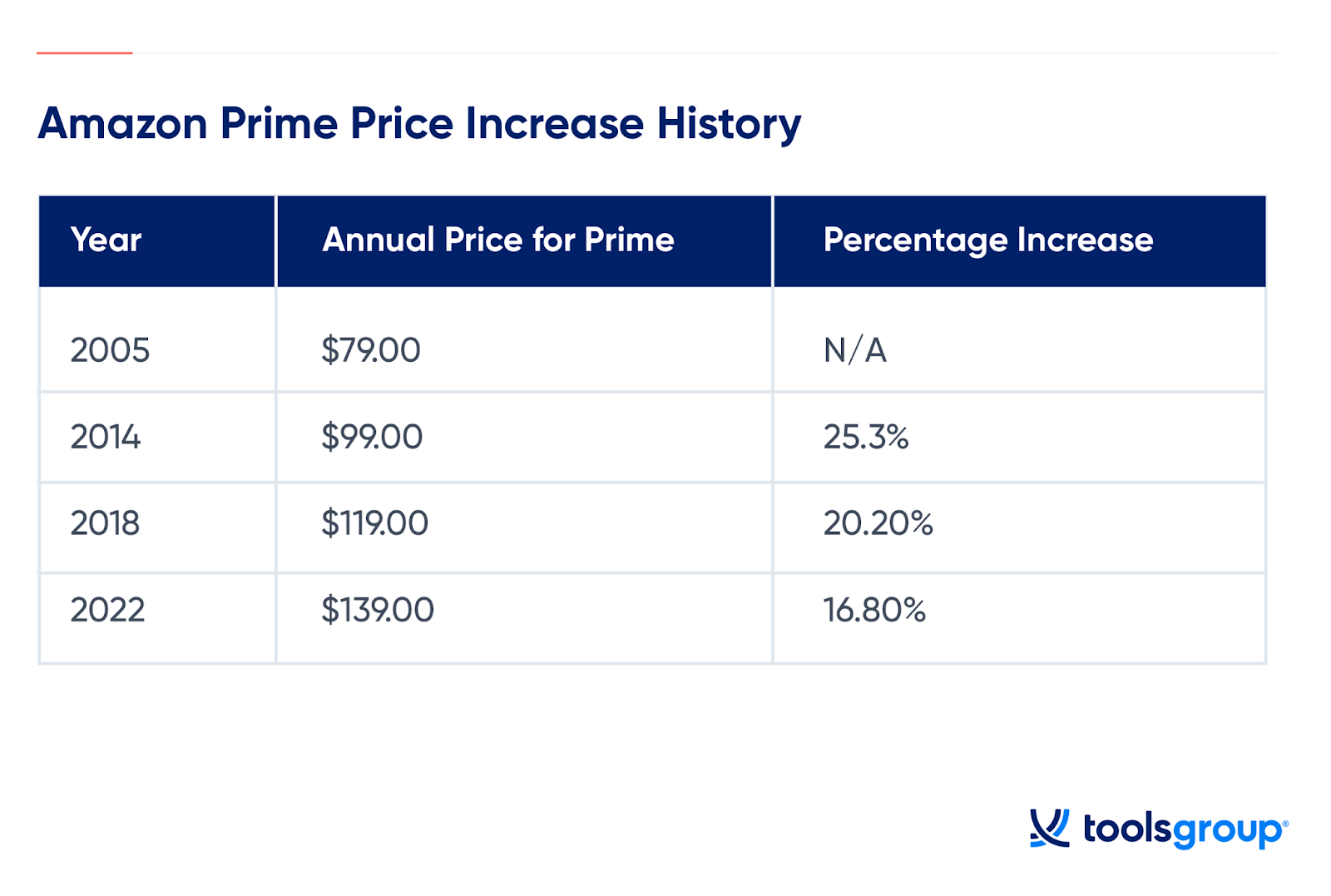
The primary decision for most potential subscribers revolves around committing to an annual payment or opting for a more flexible monthly subscription. Typically, the annual membership presents a significant discount over paying month-to-month for an entire year. For instance, a yearly payment might be around $139 (at the time of writing), while monthly payments could total $14.99 per month, amounting to roughly $179.88 annually. This difference of over $40 highlights Amazon’s incentive for long-term commitment. From a financial planning perspective, if you anticipate using Prime consistently for twelve months or more, the annual payment is almost always the more cost-effective choice, representing immediate savings on your subscription budget. However, the monthly option provides flexibility, allowing users to subscribe for peak shopping seasons (like holidays) and cancel when usage declines, thereby avoiding unnecessary recurring costs during dormant periods.
Student and EBT/Medicaid Discounts
Amazon extends its reach to specific demographics through financially attractive discounts, recognizing varying income levels and budgetary constraints. Students, with valid .edu email addresses, can often secure a Prime membership at a reduced rate, typically around $7.49 per month or $69 per year, after an extended free trial period. This considerable saving acknowledges the often-tight budgets of college students, providing access to essential services like fast shipping for textbooks and streaming entertainment without a full-price burden. Similarly, individuals receiving qualifying government assistance, such as EBT or Medicaid benefits, are eligible for a similar discounted rate. These programs are not just about market penetration; they represent Amazon’s understanding of diverse financial realities, offering accessible entry points to their ecosystem for those who might otherwise find the full price prohibitive. For eligible individuals, these discounts transform Prime from a luxury into an affordable convenience, making a significant difference in their monthly or annual spending on digital services.
The Free Trial: A Financial Assessment
Amazon Prime’s 30-day free trial is more than just an introductory offer; it’s a strategic financial tool for both Amazon and the consumer. For Amazon, it’s a proven method to convert curious users into paying subscribers by showcasing the breadth of benefits. For the consumer, it’s a no-cost opportunity to conduct a personal financial experiment. During the trial, users can assess how frequently they utilize the shipping benefits, how much value they derive from Prime Video or Music, and if the exclusive deals genuinely save them money. This period allows for a real-world calculation of potential return on investment (ROI) before any money changes hands. It’s a chance to compare the convenience of Prime against the cost of alternative services or the occasional shipping fee. Smart financial planning dictates utilizing this trial fully, perhaps coinciding it with a period of anticipated high Amazon usage, to accurately gauge if the ongoing cost justifies the benefits for your specific spending habits.
Deconstructing the Value Proposition: Is Prime Worth the Investment?
Determining whether an Amazon Prime account is “worth it” is fundamentally a personal financial calculation. It involves weighing the explicit cost against the often-implicit monetary and time savings offered by its extensive suite of benefits. Beyond the sticker price, the true value emerges from how deeply and effectively an individual integrates Prime into their shopping, entertainment, and digital life.
The Tangible Savings: Free Shipping and Delivery Perks
For many, the cornerstone of Prime’s value proposition is its expedited, free shipping. The ability to receive countless eligible items with two-day, one-day, or even same-day delivery without additional cost directly translates to tangible financial savings. Consider the alternative: paying $5-$10 per shipment for standard delivery. If you place more than 10-15 orders annually that would typically incur shipping fees, Prime effectively pays for itself in shipping costs alone. Beyond speed, Prime offers perks like Prime Pantry for grocery delivery (often with waived fees over a certain amount) and early access to Amazon Fresh delivery slots. For those who frequently shop online for a variety of goods, these shipping benefits represent a significant reduction in incidental costs, freeing up budget that would otherwise be spent purely on logistics.
Entertainment Value: Prime Video, Music, Reading
The entertainment bundle included with Prime is a substantial value add, often overlooked when solely considering shipping. Prime Video offers a vast library of movies and TV shows, including Amazon Originals, competing directly with other streaming services like Netflix or Hulu. If you’re paying separately for multiple streaming subscriptions, Prime Video could potentially allow you to consolidate or even eliminate one of them, resulting in direct monthly savings. Similarly, Prime Music provides ad-free access to millions of songs, serving as an alternative to Spotify or Apple Music’s basic tiers. Prime Reading grants access to a rotating selection of ebooks, magazines, and comics, while Amazon First Reads offers a free new book each month. For individuals who already allocate a portion of their budget to digital entertainment, leveraging these included Prime services can significantly reduce or offset the need for additional entertainment subscriptions, effectively stretching your entertainment dollar further.
Shopping Benefits: Exclusive Deals and Early Access
Beyond free shipping, Prime membership unlocks a suite of exclusive shopping advantages that can lead to direct financial savings. Prime Day, Amazon’s annual sales event, offers steep discounts exclusively to Prime members, providing opportunities to save hundreds of dollars on electronics, home goods, and more. Throughout the year, Prime members also gain early access to Lightning Deals, giving them a head start on popular limited-time offers before they’re available to the general public or sell out. Furthermore, certain product categories or specific items may have Prime-exclusive discounts. For savvy shoppers who frequently purchase from Amazon, these benefits can translate into considerable savings over time, especially if they strategically plan larger purchases around these events. The key is to avoid impulse buying and instead use these benefits to save on items you genuinely need or planned to buy anyway.
Cloud Storage and Other Digital Conveniences
While less frequently highlighted, Prime includes several other digital conveniences that contribute to its overall financial value. Prime Photos offers unlimited full-resolution photo storage in Amazon Cloud Drive, along with 5 GB for videos and other files. For individuals who pay for separate cloud storage solutions (e.g., Google Drive, iCloud, Dropbox), this benefit could potentially replace an existing expense, offering direct savings. Additionally, Twitch Prime (now Prime Gaming) provides free games, in-game content, and a free channel subscription monthly, which for avid gamers can represent a significant value. These ancillary benefits, while not primary drivers for most subscribers, cumulatively enhance the financial attractiveness of the membership, adding layers of utility that can indirectly save money or provide services that would otherwise incur a separate cost.
Financial Strategies for Maximizing Your Prime Membership
Simply subscribing to Amazon Prime doesn’t automatically guarantee financial efficiency. To truly make Prime an intelligent financial decision, members need to adopt strategic approaches that maximize its utility and ensure a positive return on investment (ROI). This involves conscious decision-making and leveraging the membership’s features to their fullest.
Calculating Your Personal ROI (Return on Investment)
The most critical financial strategy for Prime is to consistently calculate your personal ROI. This means regularly assessing if the monetary value you derive from Prime’s benefits exceeds its annual or monthly cost. Track your eligible purchases and estimate the shipping fees you would have paid. Tally any savings from Prime-exclusive deals or Prime Day. Consider the monetary value of entertainment services you didn’t subscribe to because Prime Video or Music fulfilled those needs. If, after this calculation, the total estimated savings and avoided costs consistently outweigh the membership fee, then Prime is likely a financially sound investment for you. If not, it might be time to reconsider the subscription or adjust your usage habits. This ongoing assessment transforms Prime from a mere expense into a financially justifiable service.

Sharing Prime Benefits: Family Accounts and Household Savings
Amazon allows Prime members to share certain key benefits with another adult in their household through Amazon Household. This feature is a powerful financial tool. By linking two adult accounts, both individuals can access free Prime shipping, Prime Video, and Prime Reading, all under a single paid membership. This effectively halves the per-person cost of these core benefits, making the overall Prime subscription significantly more cost-effective for multi-adult households. Furthermore, teens (13-17) can have their own Amazon login to shop with parent approval, and children can access digital content via the family library. Leveraging Amazon Household can dramatically improve the value proposition of Prime, ensuring that the single membership fee supports multiple users, thus maximizing the financial efficiency of the subscription within a family budget.
Leveraging Prime Day and Other Sales Events
Strategic utilization of Prime-exclusive sales events is crucial for optimizing your financial gain from the membership. Prime Day, in particular, offers some of the year’s deepest discounts across a vast range of products. Savvy shoppers should compile wish lists in advance and monitor prices, making planned purchases during these events rather than impulse buying. By doing so, they can secure items at prices significantly lower than usual, effectively offsetting a portion, if not all, of their annual Prime membership fee. Similarly, early access to Lightning Deals throughout the year allows members to snag popular items before they sell out. The financial benefit isn’t just about discounted items, but about saving on purchases you would have made anyway, thus optimizing your household budget. It requires discipline to stick to planned purchases, but the financial rewards can be substantial.
Avoiding Unnecessary Subscriptions (using Prime’s integrated services)
A common financial trap for consumers is accumulating multiple, overlapping subscription services. Prime’s comprehensive suite of services, from video and music streaming to cloud storage, presents an opportunity for consolidation and savings. By actively using Prime Video, you might be able to cancel a separate movie streaming service. Leveraging Prime Music could negate the need for a basic music subscription elsewhere. Using Prime Photos for cloud storage might eliminate a monthly fee for another provider. Conduct a thorough audit of your current subscriptions and identify where Prime’s included features can replace existing paid services. This deliberate consolidation can lead to significant monthly or annual savings, turning your Prime membership into a hub that centralizes and streamlines your digital spending, rather than just another added cost.
Alternatives and When to Consider Them
While Amazon Prime offers undeniable convenience and value for many, it’s not a one-size-fits-all financial solution. For some consumers, the cost might outweigh the benefits, or alternative strategies might prove more fiscally advantageous. Understanding these alternatives is key to making a truly optimized financial decision.
The Cost of “Just Shipping”: Is It Cheaper to Pay Per Order?
For individuals who shop infrequently on Amazon, or whose purchases rarely meet the “free shipping without Prime” threshold (often around $25 for eligible items), the annual or monthly Prime fee might be a net loss. It’s worth calculating the estimated shipping costs for your typical annual Amazon purchases if you were not a Prime member. If that hypothetical total is consistently less than the Prime membership fee, then simply paying per-order shipping is the more financially prudent choice. This analysis is especially important for those who primarily use Amazon for niche items or who can consolidate orders to meet free shipping thresholds. Don’t pay for unlimited free shipping if you only use it a handful of times a year.
Competing Services: Weighing Other Subscriptions
Amazon Prime doesn’t exist in a vacuum. Other retailers offer their own loyalty programs or shipping benefits, and numerous standalone streaming services compete with Prime Video and Music. For instance, Walmart+ offers free shipping, fuel discounts, and grocery delivery, potentially a more relevant bundle for some households, especially those focused on groceries. Similarly, if your primary interest is original TV shows, a dedicated Netflix or Disney+ subscription might offer more value for that specific need than Prime Video alone. A comprehensive financial review of your spending should involve comparing the full suite of Prime benefits against alternative or specialized services. Sometimes, a combination of a non-Prime Amazon account with a single, dedicated streaming service, or a different retailer’s loyalty program, could offer a better financial fit for your specific consumption patterns.
Cancelling and Rejoining: A Strategic Financial Move
For consumers whose Amazon usage fluctuates significantly throughout the year, a strategic approach involves cancelling Prime during low-usage periods and rejoining when benefits are most needed. For example, if you only rely heavily on Amazon during the holiday shopping season, subscribing for two or three months (at the higher monthly rate) might still be cheaper than paying for an entire year. Similarly, if you primarily use Prime for its video content during winter months, but rarely in summer, this “on-again, off-again” approach can yield financial savings. Amazon typically makes it easy to cancel and rejoin. While you might miss some continuous benefits, this strategy prioritizes financial flexibility and cost control, ensuring you only pay for the service when it actively contributes value to your budget.
The Long-Term Financial Impact of Prime
Beyond immediate costs and benefits, an Amazon Prime membership can have subtle, yet significant, long-term financial implications on a household budget. Understanding these broader impacts is essential for a holistic financial assessment.
Impulse Buying vs. Planned Purchases
The sheer convenience of Prime, particularly one-click ordering and rapid delivery, can inadvertently fuel impulse buying. When an item is just a click away and will arrive tomorrow, the friction to purchase is greatly reduced. This can lead to increased spending on non-essential items, potentially eroding any savings gained from free shipping or discounts. A long-term financial strategy for Prime users involves cultivating discipline: using wish lists, delaying purchases for 24-48 hours, and sticking to planned budgets. The goal is to leverage Prime’s convenience for efficient, planned purchases, rather than allowing it to facilitate unplanned expenditure that negatively impacts your financial goals.
Budgeting for Subscription Services
In today’s subscription economy, Amazon Prime is just one of many recurring charges that can accumulate quickly. From streaming services to software, gym memberships, and meal kits, these monthly or annual fees can quietly drain a significant portion of a household budget. Incorporating Prime into a comprehensive “subscription budget” is critical. This means actively listing all recurring charges, assessing their value, and allocating a specific portion of your income to these services. Prime should be viewed as one component of this budget, competing for funds with other services. This proactive budgeting approach ensures that Prime isn’t just an expense, but a considered allocation of resources within a broader financial plan.
The Convenience Factor: Time as a Financial Asset
While often intangible, the convenience offered by Amazon Prime—saving trips to brick-and-mortar stores, avoiding traffic, and receiving items quickly—can be quantified as a financial asset. Time saved can be time spent on income-generating activities, personal development, or simply reducing stress, which has its own indirect financial benefits. For busy professionals or parents, the ability to order essentials with minimal effort can be invaluable. The financial impact here is not about direct savings, but about optimizing your personal time and reducing the opportunity cost of traditional shopping. When assessing Prime, consider the value of your time and how much its convenience contributes to your overall well-being and productivity.

Conclusion
The question “how much for an Amazon Prime account?” extends far beyond its nominal fee. It necessitates a thorough financial audit, a personal value assessment, and an understanding of how deeply the service integrates with your lifestyle and spending habits. From the varied pricing structures and demographic discounts to the tangible and intangible benefits of free shipping, entertainment, and exclusive deals, Prime presents a multifaceted financial proposition.
To truly make Amazon Prime a financially sound decision, consumers must be proactive: calculate their personal ROI, leverage sharing features, strategically utilize sales events, and consolidate other subscriptions where possible. Furthermore, it’s crucial to acknowledge the broader financial implications, managing the temptation of impulse buying and integrating Prime thoughtfully into a comprehensive subscription budget. For some, the robust suite of services makes Prime an indispensable and financially justifiable investment; for others, the cost may outweigh the perceived value, making alternatives or flexible subscription models more appropriate. Ultimately, the true “cost” of Amazon Prime isn’t a fixed number, but a dynamic equation that each individual must solve based on their unique financial situation and needs.
aViewFromTheCave is a participant in the Amazon Services LLC Associates Program, an affiliate advertising program designed to provide a means for sites to earn advertising fees by advertising and linking to Amazon.com. Amazon, the Amazon logo, AmazonSupply, and the AmazonSupply logo are trademarks of Amazon.com, Inc. or its affiliates. As an Amazon Associate we earn affiliate commissions from qualifying purchases.