
In an increasingly subscription-driven economy, understanding the true cost and value of services like Amazon Prime is paramount for astute personal finance management. Amazon Prime, more than just a delivery service, is a comprehensive ecosystem of benefits designed to integrate seamlessly into a consumer’s daily life. However, for many, the fundamental question remains: “How much does Amazon Prime truly cost?” Beyond the immediate subscription fee, a deeper dive reveals layers of financial implications, from direct savings to indirect value, all of which contribute to its overall worth for your wallet. This article will meticulously break down the various pricing structures, analyze the often-overlooked financial benefits, provide a framework for assessing its value, and explore strategies to optimize your Prime investment, all from a purely financial perspective.
The Core Cost of Amazon Prime: Subscription Tiers and Pricing
At its heart, Amazon Prime is a paid membership service. Understanding its primary subscription models is the first step in evaluating its financial impact. Amazon typically offers a few distinct ways to subscribe, each with its own price point and financial advantage depending on your circumstances.
Annual vs. Monthly: Understanding the Savings
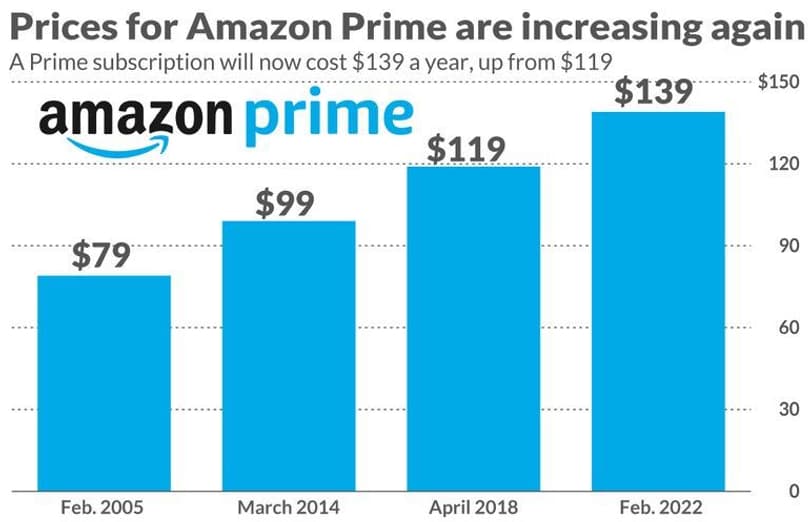
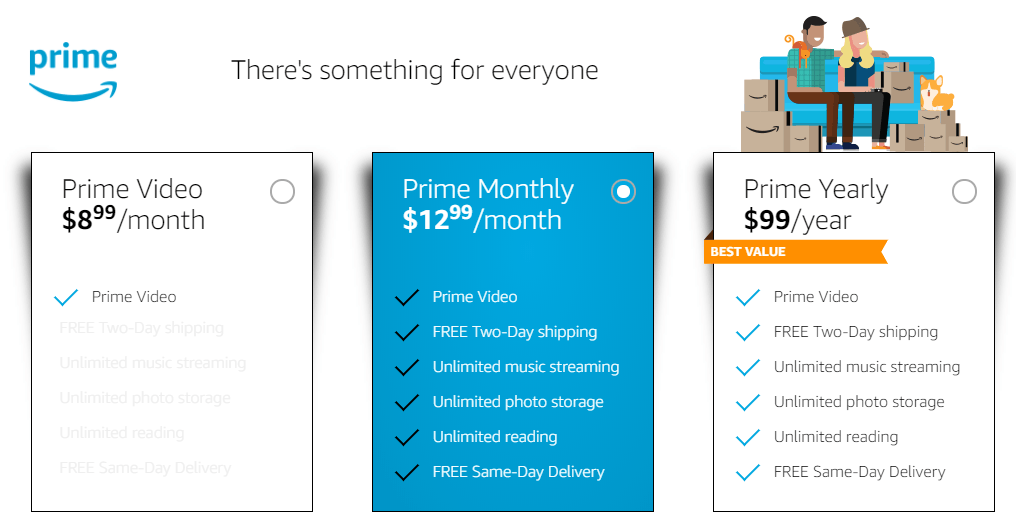
For most standard subscribers, the choice boils down to a monthly or an annual payment plan. As of recent updates, the typical monthly fee for Amazon Prime hovers around $14.99. Opting for this plan offers flexibility, allowing members to cancel anytime without a long-term commitment. This can be financially beneficial for individuals who might only need Prime for specific periods, such as during holiday shopping seasons or for a temporary entertainment boost. However, this flexibility comes at a premium.
The annual subscription, usually priced around $139, represents a significant discount compared to paying month-to-month. If you calculate the monthly equivalent of the annual plan ($139 / 12 months), it comes out to approximately $11.58 per month. This means an annual subscription saves members nearly $3.41 per month, or over $40 annually, compared to the monthly option. From a personal finance standpoint, if you anticipate using Prime consistently throughout the year, the annual plan is the unequivocally more cost-effective choice. It’s a classic example of bulk purchasing savings applied to a service.
Student and Government Assistance Programs: Discounted Access
Amazon recognizes that not all users have the same financial capacity and has tailored specific programs to make Prime more accessible. These discounted tiers are crucial for budget-conscious individuals and represent a significant financial relief for eligible groups.
For college students, Amazon offers Prime Student, a heavily subsidized membership. Typically, Prime Student comes with a free six-month trial period, after which it costs approximately $7.49 per month or $69 per year. This represents a 50% discount off the standard Prime membership. For students often managing tight budgets, this half-price access to shipping benefits, streaming, and exclusive student deals can translate into substantial savings on textbooks, supplies, and entertainment, making it an incredibly valuable financial tool for academic life. Eligibility usually requires a valid .edu email address.
Similarly, Amazon provides a discounted Prime membership for recipients of qualifying government assistance programs, such as EBT or Medicaid. These eligible individuals can typically subscribe to Prime for approximately $6.99 per month. This significantly reduced rate aims to ensure essential services and benefits are accessible to a broader demographic, directly addressing financial inclusivity. For households relying on these programs, this discount can free up crucial funds while still providing access to important shopping and entertainment benefits.
Sales Tax Considerations: The Final Tally
While the advertised prices are straightforward, it’s vital to remember that in most U.S. states and many other regions, sales tax will be added to the Prime membership fee. The exact amount will vary based on your local tax rates. For instance, if your state has a 6% sales tax, a $139 annual membership would cost an additional $8.34, bringing the total to $147.34. While this might seem like a minor detail, ignoring sales tax can lead to slight discrepancies in budgeting, especially when planning annual expenditures. Always factor in the local sales tax to get the precise, final cost you’ll be charged.
Beyond the Sticker Price: Hidden Financial Benefits and Value Proposition
The sticker price of Amazon Prime is just one side of the financial coin. The true financial value often lies in the array of included services and benefits that, when utilized effectively, can translate into substantial monetary savings and improved financial efficiency. Understanding these “hidden” financial benefits is key to a holistic assessment of Prime’s worth.
Free Two-Day Shipping: Calculating Real-World Savings
Perhaps the most iconic Prime benefit is the “free” two-day shipping on millions of eligible items. While not literally free (as it’s bundled into your membership), it eliminates per-order shipping costs. For non-Prime members, standard shipping can range from $5 to $10 per order, depending on the item and speed. If you place just two orders a month that would normally incur a $7 shipping fee each, you’re looking at $14 in monthly shipping costs, or $168 annually. In this scenario, Prime’s shipping benefit alone could easily offset and even exceed the annual membership fee.
Moreover, Prime often provides same-day, one-day, and even two-hour delivery in select areas for no additional charge. This speed not only offers convenience but can also prevent impulse purchases from local stores when an immediate need arises, encouraging more planned online shopping, which can sometimes be more cost-effective. Calculating your average monthly shipping spend if you didn’t have Prime is a crucial step in justifying the membership cost.
Prime Video and Music: Entertainment Budget Optimization
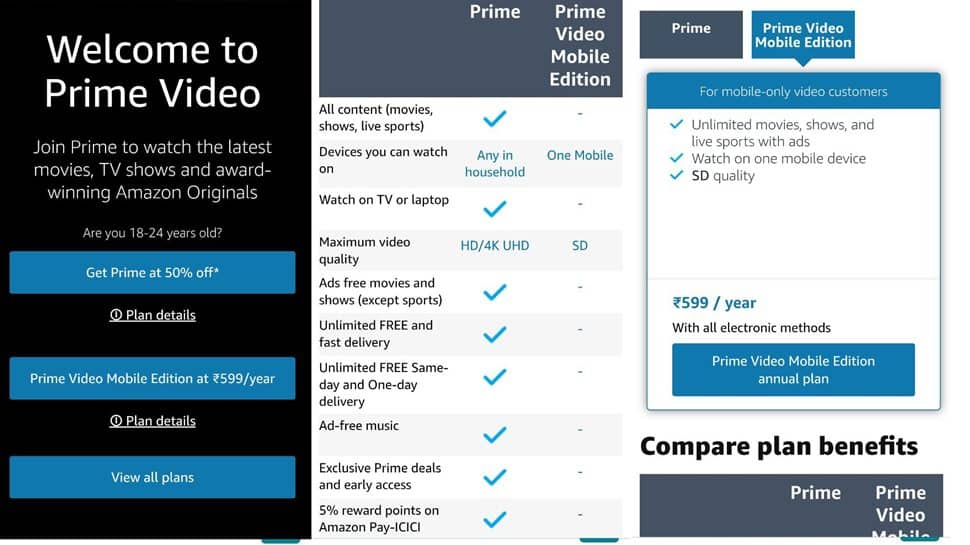
Amazon Prime includes access to Prime Video and Prime Music (a limited library, not the full Amazon Music Unlimited service). From a financial planning perspective, these services can directly impact your household’s entertainment budget. If you currently pay for other streaming services or digital music subscriptions, or if you regularly rent movies or buy digital tracks, Prime Video and Music might offer a viable alternative or supplement.
Consider the cost of a standalone streaming service like Netflix (Basic plan around $9.99/month) or Hulu (Basic around $7.99/month). If Prime Video’s library sufficiently meets a portion of your entertainment needs, you might be able to reduce or eliminate another streaming subscription, leading to direct monthly savings. Similarly, for casual music listeners, Prime Music’s catalog might be enough to forgo a paid music streaming service, saving another $10-15 per month. The financial insight here is to evaluate if Prime’s bundled entertainment offerings can replace or significantly reduce other entertainment expenditures, thereby enhancing its overall financial value.
Exclusive Deals and Discounts: Maximizing Shopping Savings
Prime members gain access to exclusive deals, such as Lightning Deals, early access to certain sales, and most notably, Prime Day. These members-only promotions can lead to significant savings on specific purchases. For example, if you were planning to buy a new smart device, a Prime Day deal might save you $50-$100. If you make just a few such purchases over the year, these savings can quickly add up and further offset the membership cost.
Beyond major sales events, Prime members often receive additional discounts on Subscribe & Save items or at Amazon Fresh/Whole Foods Market (discussed below). For financially savvy shoppers, strategically timing purchases around these Prime-exclusive opportunities can lead to tangible reductions in their overall spending, effectively reducing the net cost of Prime membership.
Amazon Fresh/Whole Foods Market: Grocery Budget Impact
In select cities, Prime members can access Amazon Fresh, Amazon’s grocery delivery service, with free delivery on orders over a certain threshold (e.g., $35). Additionally, Prime members receive exclusive discounts and 5% back on selected items when shopping at Whole Foods Market, alongside free two-hour delivery from Whole Foods in many areas.
For individuals or families who regularly shop at Whole Foods or utilize grocery delivery, these benefits can translate into meaningful savings on an essential budget category: food. A 5% discount on a weekly grocery bill of $150 amounts to $7.50 in savings per week, or $30 per month. Over a year, this could be $360—far exceeding the Prime membership cost. When combined with the convenience of delivery saving time and gas money, the financial benefits in the grocery sector become particularly compelling for urban dwellers or those with limited mobility.
Is Amazon Prime Worth the Investment? A Financial Decision Framework
Deciding whether Amazon Prime is a financially sound investment requires more than just looking at its features. It necessitates a personalized financial assessment, evaluating your consumption habits, comparing alternatives, and considering the opportunity cost.
Assessing Your Usage Patterns: Frequency and Volume
The fundamental question to ask yourself is: “How much would I realistically use these benefits?”
-
Shopping Frequency: Do you order from Amazon frequently (e.g., multiple times a month) or only a few times a year? If you make frequent purchases, the shipping savings alone are likely to justify the cost. If you only order sporadically, the value diminishes significantly.
-
Entertainment Consumption: Do you primarily use Amazon Prime Video/Music for your entertainment, or do you have multiple other subscriptions that already fulfill your needs? If Prime Video becomes your main streaming hub, it offers good value. If it’s just one of many unused subscriptions, it’s a financial drain.
-
Grocery Habits: Do you live near or regularly shop at Whole Foods? Do you utilize grocery delivery services? If not, the associated benefits hold no financial value for you.
A practical exercise is to track your Amazon orders and usage of Prime services for a month or two. Estimate how much you would have spent on shipping, separate streaming services, or foregone discounts. Compare that estimated savings figure against the monthly prorated cost of Prime.
Comparing Alternatives: Evaluating Competitors’ Offerings
No financial decision exists in a vacuum. It’s crucial to compare Amazon Prime’s value proposition against alternative services.
-
Other Retailers: Does Walmart+, Target’s free shipping thresholds, or other retailers’ loyalty programs offer similar benefits that might align better with your existing shopping habits? Walmart+, for instance, offers free shipping, gas discounts, and a video streaming service (Paramount+ with ads) for a similar price.
-
Standalone Streaming: If your primary interest is video, would a dedicated Netflix, Hulu, Disney+, or Max subscription offer more tailored content for a similar or lower price?
-
Delivery Services: For grocery or restaurant delivery, would a subscription to Instacart+, DoorDash DashPass, or Uber One provide better value based on your preferred vendors?
By comparing the comprehensive Prime bundle against various unbundled alternatives, you can determine if the convenience and breadth of Prime genuinely offer superior financial value compared to a curated selection of specialized subscriptions.
The Opportunity Cost: What Else Could You Do with the Money?
Every dollar spent on Amazon Prime is a dollar that cannot be spent or saved elsewhere. This is the concept of opportunity cost. Could that $139 annual fee be better utilized?
-
Savings/Investments: Could that money be contributing to an emergency fund, a retirement account, or a child’s education fund? Over many years, even small, consistent investments can yield significant returns.
-
Debt Reduction: If you have high-interest credit card debt, paying down that debt with $139 could save you more in interest charges than Prime might save you in shipping.
-
Other Experiences: Could the money be used for a small family outing, a personal development course, or a charitable donation that aligns better with your personal values or financial goals?
Thinking about opportunity cost forces a more disciplined approach to budgeting and helps ensure that every expenditure, including subscription services, aligns with your broader financial objectives.
Strategies to Maximize Prime’s Value and Minimize Expenditure
If you’ve determined that Amazon Prime offers sufficient financial value for your needs, the next step is to ensure you’re getting the absolute most out of your membership while minimizing any unnecessary outlay.
Sharing Prime Benefits: Family and Household Accounts
One of the most underutilized financial benefits of Amazon Prime is the ability to share certain perks. Through Amazon Household, two adults and up to four teenagers and four children can share Prime benefits, including free shipping, Prime Video, and exclusive deals. This essentially allows two adults to share the cost of one membership, effectively halving the individual expense while doubling the reach of the benefits.
For a couple or roommates, splitting the $139 annual fee means each person pays only $69.50 per year for access to a wealth of services. This strategy significantly enhances the cost-effectiveness of Prime, making it a far more attractive financial proposition for multi-person households.
Utilizing All Included Services: Don’t Leave Money on the Table
Many Prime members subscribe solely for the shipping benefits and often overlook or underutilize the other included services. From a financial perspective, this is akin to paying for a full meal and only eating half of it.
Actively explore and incorporate services like Prime Reading (a rotating selection of free ebooks and magazines), Amazon Photos (unlimited full-resolution photo storage), and early access to deals. For instance, using Amazon Photos could eliminate the need for a separate cloud storage subscription for photos, saving you another $5-10 per month. If you enjoy reading, Prime Reading could reduce your spending on digital books. By making a conscious effort to leverage every financial benefit bundled into your Prime membership, you ensure that you are extracting maximum value for your investment.
Timing Your Subscription: Free Trials and Renewal Management
Smart financial planning involves optimizing subscription timing. Amazon frequently offers free trials (typically 30 days) for new members. If you anticipate a period of heavy Amazon usage (e.g., moving to a new home, holiday shopping), timing your free trial to coincide with this period can provide temporary access to benefits without immediate financial commitment.
For existing members, always be aware of your renewal date. Amazon will typically notify you before your membership auto-renews. This is an opportune moment to reassess your usage patterns and financial needs. If your usage has declined, or if your budget has tightened, it’s the ideal time to consider canceling or switching to a monthly plan if you only need it for a short period. Setting a calendar reminder a month before your renewal can prompt this crucial financial review, preventing automatic charges for a service you may no longer fully utilize.
The Future of Prime Pricing: What to Expect
The cost of Amazon Prime has not been static since its inception and is likely to continue evolving. Understanding the factors that drive these changes can help consumers anticipate future financial implications.
Inflation and Service Expansion: Drivers of Price Adjustments
Like many subscription services, Amazon Prime has seen price increases over time, typically attributed to general inflation, rising operational costs (fuel, labor, supply chain), and the continuous expansion of its service offerings. Each time Amazon adds new movies, music, or introduces enhanced delivery options, it adds to the value proposition, but also to the underlying costs of providing the service. As these costs escalate and the breadth of benefits grows, it’s reasonable to expect periodic price adjustments to maintain profitability and investment in the platform.
Economic Outlook and Consumer Spending Trends
Global and local economic conditions also play a significant role. During periods of high inflation or economic uncertainty, companies like Amazon might face pressure to either absorb costs or pass them on to consumers. Conversely, in a competitive market or during periods of strong consumer spending, Amazon might find more room to adjust prices. Staying informed about economic trends and how they impact major service providers can provide an early indication of potential changes to your Prime expenditure.
In conclusion, the question “how much does Amazon Prime cost?” transcends a simple dollar figure. It’s an inquiry into a complex financial equation involving direct subscription fees, substantial potential savings, opportunity costs, and strategic utilization. By meticulously analyzing its various financial components and aligning them with your personal consumption habits and budget, you can make an informed decision that truly optimizes your wallet’s health.
aViewFromTheCave is a participant in the Amazon Services LLC Associates Program, an affiliate advertising program designed to provide a means for sites to earn advertising fees by advertising and linking to Amazon.com. Amazon, the Amazon logo, AmazonSupply, and the AmazonSupply logo are trademarks of Amazon.com, Inc. or its affiliates. As an Amazon Associate we earn affiliate commissions from qualifying purchases.