
In the landscape of modern consumerism, Amazon Prime has become an almost ubiquitous fixture, intertwining convenience with a diverse suite of digital and physical benefits. For many, it’s an indispensable part of their online shopping experience, offering everything from expedited shipping to a sprawling library of entertainment. However, for the financially savvy consumer, the primary question often revolves around a single, critical point: “How much does Amazon Prime truly cost per month, and is that investment truly justified?”
Understanding the financial implications of an Amazon Prime membership goes beyond merely noting the sticker price. It involves a deeper dive into its various pricing structures, the tangible and intangible value of its benefits, and how it aligns with individual budgetary priorities. This article aims to provide a comprehensive financial breakdown of Amazon Prime, empowering you to make an informed decision that supports your personal finance goals.
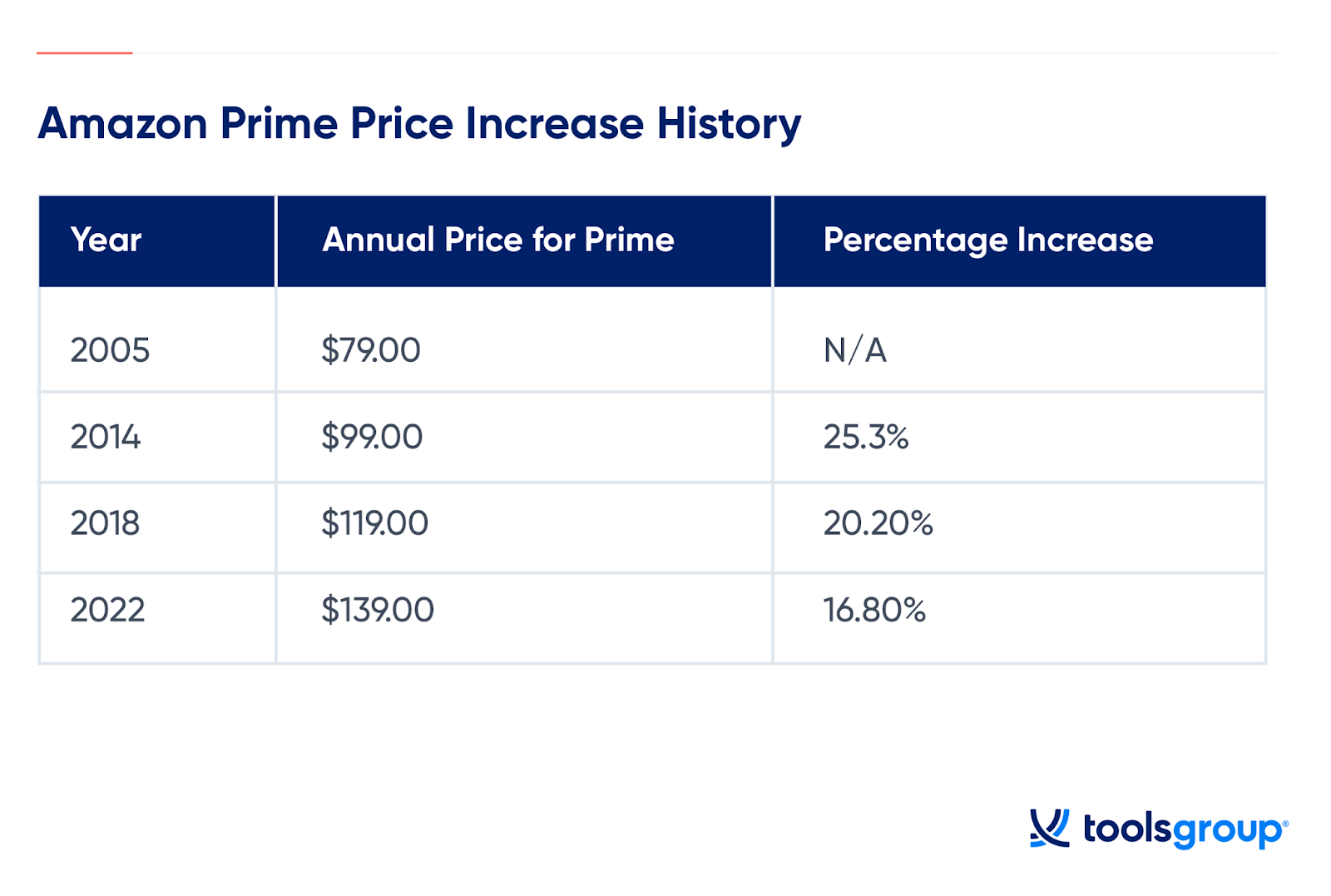
Understanding Amazon Prime’s Core Membership Costs
At its heart, Amazon Prime is a subscription service, and like all subscriptions, it comes with a recurring fee. However, Amazon offers several pathways to membership, each with its own cost structure designed to cater to different consumer segments.
Standard Monthly and Annual Rates
The most common ways to subscribe to Amazon Prime are through a monthly or annual payment plan. As of recent updates (and it’s crucial to note that prices are subject to change over time, making regular checks on Amazon’s official site advisable), the standard rates typically are:
-
Monthly Membership: This option provides flexibility, allowing subscribers to pay month-to-month. While convenient for those who prefer not to commit to a full year or who anticipate only needing Prime for short periods (e.g., during holiday shopping), it is generally the more expensive option over a 12-month period.
-
Annual Membership: This is the most cost-effective standard option. By committing to a full year, members typically receive a significant discount compared to paying twelve individual monthly fees. From a personal finance perspective, choosing the annual plan represents an immediate saving for anyone who anticipates using Prime consistently throughout the year.
The difference between the aggregate monthly cost and the annual cost is substantial enough to warrant careful consideration. For instance, if the monthly fee is $14.99 and the annual fee is $139, paying monthly would total $179.88 over a year – an additional cost of nearly $41 compared to the annual plan. This upfront saving is a key factor in assessing the financial prudence of your choice.
Exploring Discounted Membership Options
Amazon acknowledges that not all consumers have the same financial capacity, and it has introduced several discounted programs to broaden Prime’s accessibility. These options can significantly reduce the financial burden for eligible individuals.
-
Prime Student: For students enrolled in two or four-year colleges, Amazon offers a substantially reduced annual membership fee, often including a free trial period. This program not only makes Prime more affordable but also acknowledges the often-limited budgets of students, providing access to benefits like free shipping for textbooks and streaming entertainment for downtime.
-
EBT/Medicaid Holders: In a significant move towards inclusivity, Amazon offers a discounted monthly Prime membership to qualifying customers who receive government assistance, such as EBT (Electronic Benefits Transfer) or Medicaid. This initiative dramatically lowers the barrier to entry, providing essential services like free shipping and access to Prime Video at a fraction of the standard cost. This is a crucial financial aid for low-income households, ensuring they can access online shopping convenience and digital entertainment without undue financial strain.
These discounted programs are not just gestures of goodwill; they represent significant financial opportunities for eligible individuals. By availing these offers, members can access the full suite of Prime benefits while adhering to a more budget-friendly payment plan.
The Hidden Cost of “Free” Trials
Amazon frequently offers free trial periods for Prime, typically lasting 30 days. While seemingly a no-risk way to experience the service, it’s essential for consumers to manage these trials diligently. The “hidden cost” isn’t a direct fee during the trial, but rather the potential for automatic enrollment into a paid subscription if cancellation isn’t performed before the trial concludes. Forgetting to cancel can lead to unexpected charges, impacting your monthly budget. It’s a common oversight that can turn a “free” benefit into an unwanted financial commitment. Always set a reminder to review or cancel your trial before it expires.
Beyond the Price Tag: Unpacking the Financial Value of Prime Benefits
Calculating the true financial value of an Amazon Prime membership requires looking past the subscription fee and assessing the monetary worth of its extensive suite of benefits. For many, Prime isn’t just about paying for a service; it’s about avoiding other costs.
Shipping Savings: Quantifying the Prime Delivery Advantage
One of Prime’s most advertised and utilized benefits is free, fast shipping. For frequent online shoppers, this translates into direct financial savings. Consider how often you might pay for standard shipping on other platforms, or how many times you might abandon a cart due to high shipping costs. Prime eliminates these expenses for eligible items, often delivering them within one or two days.
To quantify this, calculate your average number of online orders per month and the typical shipping cost you’d incur without Prime. If you place 3-4 orders a month, each with a hypothetical $5 shipping fee, you’re already saving $15-$20 monthly just on shipping. Over a year, this can easily surpass the annual Prime membership fee. For rural residents or those without easy access to brick-and-mortar stores, this benefit’s financial and convenience value is even higher.
Entertainment Bundles: Prime Video and Music’s Impact on Your Budget
Prime membership includes access to Prime Video, a streaming service featuring thousands of movies and TV shows, and Prime Music, offering ad-free access to millions of songs. For individuals or families already subscribed to other streaming services (Netflix, Hulu, Spotify, Apple Music, etc.), Prime’s entertainment offerings can represent a significant opportunity for consolidation and savings.
-
Prime Video: If you find sufficient content within Prime Video to replace or reduce your reliance on another paid streaming service (typically $7-$18/month), the financial benefit is clear. Even if it merely supplements existing services, it adds value without an additional fee.
-
Prime Music: While not as comprehensive as premium music services, Prime Music can often suffice for casual listeners. If it allows you to cancel a separate music subscription (e.g., $9.99/month), that’s another direct saving.
Evaluating these benefits against your existing entertainment budget can reveal whether Prime effectively replaces other paid subscriptions, thus adding substantial financial value.
Everyday Savings: Whole Foods, Prime Reading, and Rx Benefits
Beyond shipping and entertainment, Prime extends its financial benefits into everyday living.
-
Whole Foods Market Discounts: Prime members receive exclusive discounts and 5% back on select products at Whole Foods Market. For regular shoppers at Whole Foods, these savings can accumulate quickly, potentially offsetting a portion of the membership fee.
-
Prime Reading and Amazon First Reads: Access to a rotating library of free eBooks and magazines, plus a free pre-release book each month via Amazon First Reads, saves money on individual book purchases. For avid readers, this can represent significant savings over time.
-
Prime Rx Savings: This benefit offers discounts on prescription medications at participating pharmacies. For individuals with high prescription costs or without robust health insurance, this can lead to considerable financial relief.
These “ancillary” benefits often go unnoticed but contribute significantly to the overall financial proposition of Prime, demonstrating its potential to weave into and optimize various aspects of a household budget.
Prime Day and Exclusive Deals: Strategic Savings or Spending Traps?
Prime Day, Amazon’s annual shopping event, offers exclusive deals to Prime members. While these sales can present genuine opportunities for significant savings on desired items, they also carry the risk of encouraging impulse purchases or spending on non-essential goods.
From a financial perspective, approach Prime Day strategically:
-
Plan Ahead: Identify items you genuinely need and research their typical prices beforehand.
-
Set a Budget: Determine how much you’re willing to spend to avoid overspending.
-
Compare Prices: Always check if the “deal” is truly a deal by comparing prices with other retailers.

Used wisely, Prime Day can offer substantial financial benefits on planned purchases. Used unwisely, it can become a financial pitfall, negating the value of the membership through unnecessary expenditure.
Optimizing Your Prime Membership for Maximum Financial Gain
To ensure your Prime membership is a financially sound decision, proactive optimization is key. This involves choosing the right plan and leveraging its features to their fullest potential.
Annual vs. Monthly: Calculating Your Best Value
As discussed, the annual payment plan almost always offers a better financial deal over the course of a year. If you are confident you will use Prime consistently for 12 months, paying annually is a straightforward way to save money. If your usage is sporadic or you’re unsure about long-term commitment, the monthly plan offers flexibility, but at a premium. Always do the math based on current pricing to confirm which option yields the lowest cost for your anticipated usage duration.
Leveraging Household Sharing for Cost Efficiency
Amazon Prime allows members to share certain benefits with another adult in their household through Amazon Household. This includes Prime shipping, Prime Video, Prime Reading, and more. This feature can effectively halve the cost of Prime for two adults living together, making it an incredibly cost-effective solution for couples or roommates. From a financial perspective, this is a powerful tool to maximize value without doubling the expense.
Maximizing Discount Programs and Special Offers
If you are eligible for Prime Student or the EBT/Medicaid discount, ensure you apply for these programs immediately. The savings are substantial and directly impact your personal budget. Furthermore, keep an eye out for promotional offers from Amazon itself or through third-party credit card companies that might offer temporary discounts or cashback on Prime memberships. Being proactive in seeking out and utilizing these discounts is a hallmark of good financial management.
Periodically Assessing Your Usage and Value
The value of Prime isn’t static; it evolves with your needs and Amazon’s offerings. Periodically (e.g., once a year before renewal), take stock of how often you use Prime’s various benefits.
-
Are you still utilizing the free shipping frequently?
-
Do you watch Prime Video enough to justify its inclusion?
-
Are the Whole Foods discounts making a difference in your grocery budget?
-
Have your prescription needs changed?
If your usage has dwindled, or if you find yourself paying for benefits you no longer need, it might be time to reassess whether the membership continues to be a financially prudent investment.
Is Amazon Prime Worth the Investment? A Personal Finance Perspective
The ultimate question of Amazon Prime’s worth isn’t universal; it’s deeply personal and rooted in individual financial habits, consumption patterns, and priorities.
Conducting a Personal Cost-Benefit Analysis
To determine if Prime is worth it for you, engage in a thorough cost-benefit analysis:
-
Calculate Your Direct Cost: What is your exact annual or monthly Prime fee after any discounts?
-
Estimate Your Savings from Shipping: How much would you spend on shipping fees for your typical online purchases without Prime?
-
Quantify Entertainment Savings: Does Prime Video/Music allow you to cancel other paid streaming services? If so, what’s the monthly saving?
-
Factor in Other Benefits: Estimate savings from Whole Foods, Rx, Prime Reading, and any specific Prime Day purchases you genuinely needed and saved on.
-
Consider Intangible Value: While harder to quantify, the convenience of fast shipping, the time saved, and the broad selection can have a value that contributes to your quality of life.
If the aggregate monetary savings and intangible benefits outweigh the direct cost, then Prime is likely a good financial investment for you.
Alternatives to Prime for Budget-Conscious Shoppers
For those whose cost-benefit analysis doesn’t favor Prime, or for whom the membership is simply too expensive, alternatives exist:
-
Free Shipping Thresholds: Many retailers offer free shipping once your order reaches a certain dollar amount. Consolidate your purchases to meet these thresholds.
-
Click & Collect: Opt for in-store pickup to avoid shipping fees entirely.
-
Budget Streaming Services: Explore free streaming options like Tubi or Pluto TV, or budget-friendly services that focus on specific content niches.
-
Library Resources: Utilize your local library for free books, audiobooks, movies, and music, including digital options.
-
Price Comparison Tools: Use browser extensions or websites to compare prices across multiple retailers, often revealing better deals than exclusive Prime offers.
These alternatives require more effort and planning but can effectively replicate some of Prime’s benefits without the recurring membership fee.
The Opportunity Cost of Subscription Services
Every dollar spent on a subscription service, including Amazon Prime, represents an opportunity cost. That money could be allocated elsewhere: savings, debt repayment, investments, or other discretionary spending. For those on tight budgets, every subscription should be scrutinized. Does Prime offer greater value than putting that money towards an emergency fund, a high-interest debt, or a long-term investment goal? Understanding this opportunity cost is a crucial element of sound personal financial planning.
Managing Your Prime Subscription: Financial Best Practices
Effective management of your Amazon Prime subscription is integral to ensuring it remains a financial asset rather than a liability.
Setting Budgetary Limits for Online Spending
A Prime membership can sometimes inadvertently encourage more frequent online shopping. To counteract this, integrate your Prime membership into your overall budget. Set clear monthly or annual limits for online purchases and stick to them. This ensures that while you’re enjoying the benefits of free shipping, you’re not overspending on the items themselves. Utilize budgeting apps or spreadsheets to track your spending effectively.
The Simplicity of Cancellation and Subscription Management
Amazon makes it relatively straightforward to manage or cancel your Prime membership. If you decide Prime is no longer serving your financial interests, don’t hesitate to cancel. You can typically find these options within your account settings on Amazon’s website. If you’ve paid annually and cancel mid-term, Amazon often provides a pro-rated refund based on your usage, though policies can vary, so always check their terms. This ease of management provides financial flexibility, allowing you to opt-in and opt-out as your needs and budget dictate.
Staying Informed About Price Changes
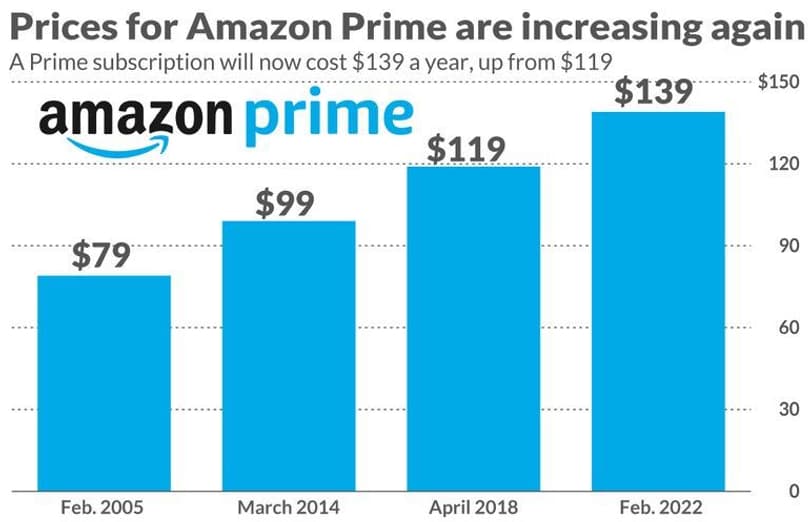
Amazon, like many subscription services, reserves the right to adjust its pricing. As a financially vigilant consumer, it’s prudent to stay informed about any announced price changes. Amazon typically notifies members in advance of increases, either via email or prominent announcements on their website. Being aware of these changes allows you to reassess your cost-benefit analysis and decide whether the new price point still aligns with your financial strategy.
In conclusion, “how much a month is Amazon Prime” is a question with a multi-layered answer. It encompasses direct costs, substantial potential savings, and a complex interplay of personal financial habits. By meticulously analyzing your usage, leveraging discounts, and continually reassessing its value, you can transform Amazon Prime from a simple subscription into a truly optimized financial tool that supports your broader personal finance objectives.
aViewFromTheCave is a participant in the Amazon Services LLC Associates Program, an affiliate advertising program designed to provide a means for sites to earn advertising fees by advertising and linking to Amazon.com. Amazon, the Amazon logo, AmazonSupply, and the AmazonSupply logo are trademarks of Amazon.com, Inc. or its affiliates. As an Amazon Associate we earn affiliate commissions from qualifying purchases.