
In an increasingly digital economy, subscription services have become a staple of modern consumption, offering convenience, entertainment, and access to a myriad of resources. Among the most ubiquitous and influential is Amazon Prime, a comprehensive membership program that has redefined online shopping and digital entertainment. For many, the central question revolves around its cost: “How much is Amazon Prime a month?” However, a truly insightful financial assessment goes far beyond the simple monthly fee. It requires a deep dive into the various pricing tiers, the extensive suite of benefits included, and ultimately, whether these advantages translate into tangible savings and enhanced value for an individual’s personal finance landscape. This article will meticulously dissect the financial aspects of Amazon Prime, helping consumers make informed decisions that align with their budgetary goals and lifestyle needs.
Understanding Amazon Prime’s Subscription Models
Amazon Prime is not a one-size-fits-all service when it comes to pricing. Understanding the different subscription models available is the first step in determining the true cost and selecting the most financially prudent option for your circumstances. Each tier caters to distinct user profiles, offering varying levels of flexibility and cost-efficiency.
The Monthly Membership Option: Flexibility vs. Cost
For those who prioritize flexibility or are uncertain about their long-term commitment, the monthly Prime membership is the default choice. Currently priced at approximately $14.99 per month, this option allows subscribers to cancel at any time without further obligation. This flexibility is particularly appealing for seasonal users, individuals testing the waters, or those with fluctuating income streams who prefer not to commit to a larger annual outlay. While convenient, the monthly plan generally works out to be more expensive over a year compared to its annual counterpart. Over 12 months, the monthly fees would accumulate to nearly $180, highlighting a premium paid for the “pay-as-you-go” convenience. Financial planners often advise evaluating the necessity of this flexibility against the potential savings of an annual commitment, especially if Prime usage is consistent throughout the year.
The Annual Membership: Maximizing Savings
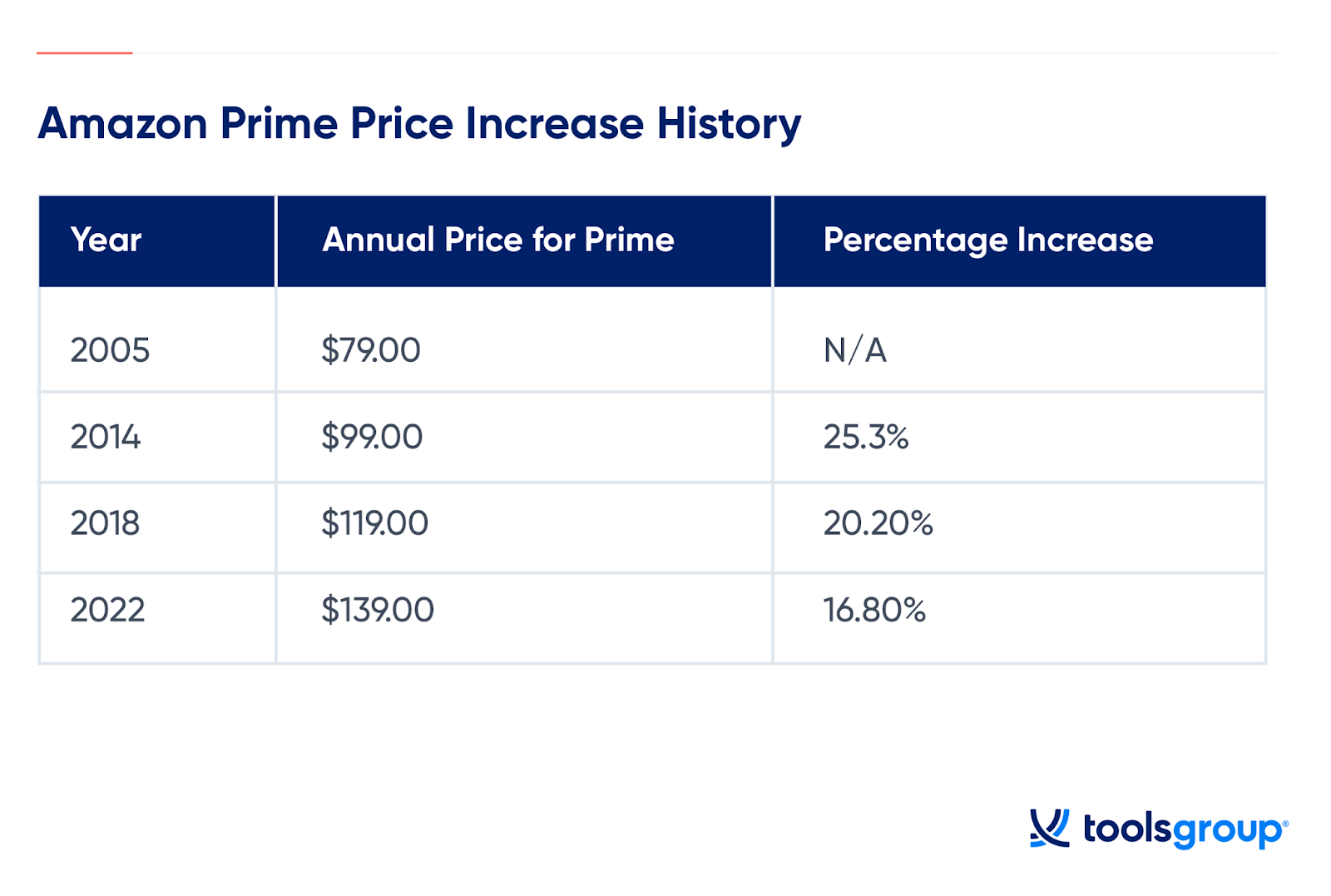
The most cost-effective option for consistent Prime users is the annual membership. Priced at approximately $139 per year, this plan offers a significant discount compared to paying month-to-month. By committing to a full year, members effectively save around $41 annually, which can be a substantial amount over several years. This option is ideal for households and individuals who frequently utilize Prime’s shipping benefits, streaming services, and other perks throughout the year. From a personal finance perspective, committing to the annual plan represents a strategic decision to lock in a lower effective monthly rate, provided the user is confident in their sustained engagement with the service. It’s an upfront investment that pays dividends in savings over the long run, making it the preferred choice for budget-conscious, regular users.
Prime Student: A Discounted Pathway for Learners
Recognizing the unique financial constraints of students, Amazon offers a highly attractive discounted Prime Student membership. Eligible college students can access Prime for an initial six-month trial period absolutely free, often sponsored by a corporate partner. Following the trial, the membership cost is significantly reduced to approximately $7.49 per month or $69 per year – roughly half the price of a standard Prime membership. This substantial discount, coupled with the free trial, makes Prime Student an invaluable financial tool for students, offering access to expedited shipping for textbooks and supplies, academic discounts, and a wide array of entertainment options without breaking the bank. It represents a smart financial move for students looking to leverage Prime’s benefits while managing a tight budget.
EBT/Medicaid Recipients: Affordable Access Options
In an effort to promote inclusivity and provide essential services to a broader demographic, Amazon extends a reduced-price Prime membership to qualifying recipients of government assistance programs, specifically those with a valid EBT or Medicaid card. For these individuals, Prime membership is available for approximately $6.99 per month. This initiative significantly lowers the financial barrier to accessing Prime’s core benefits, particularly free shipping, which can be critical for individuals who might have limited access to physical retail stores or struggle with transportation costs. This targeted discount underscores Amazon’s recognition of economic disparities and offers a tangible financial relief for a vulnerable segment of the population, ensuring they too can partake in the convenience and savings offered by Prime.
Beyond the Price Tag: Core Financial Benefits of Prime
While the monthly or annual fee is the direct cost of Prime, its true financial value lies in the extensive array of benefits that can lead to significant savings and consolidate other expenses. A thorough financial analysis requires evaluating these perks not just as features, but as direct or indirect contributions to one’s personal budget.
Free, Fast Shipping: The Savings on Delivery Fees
The cornerstone of Amazon Prime is arguably its expedited, free shipping. For frequent online shoppers, this benefit alone can justify the subscription cost. Standard shipping fees from various retailers can easily range from $5 to $10 per order. If a Prime member places just a few orders a month that would otherwise incur shipping charges, the savings quickly accumulate. For instance, four orders a month at an average shipping cost of $7 each would total $28 in avoided fees – already exceeding the monthly Prime cost. Beyond direct savings, the speed of delivery (often one or two days) can prevent impulse buys from other retailers with immediate shipping, or avoid urgent, more expensive purchases from local stores when an item is needed quickly. This benefit effectively acts as a shipping insurance policy, eliminating variable costs and offering predictable budgeting for online purchases.
Prime Video & Music: Entertainment Value and Subscription Consolidation
Prime Video offers a vast library of movies, TV shows, and exclusive originals, while Prime Music provides access to millions of ad-free songs and podcasts. From a financial perspective, these services can significantly reduce or even eliminate the need for separate subscriptions to other streaming platforms. A standalone video streaming service can cost anywhere from $7 to $18 per month, and a premium music streaming service typically runs around $10-$12 per month. If Prime Video and Music adequately meet a household’s entertainment needs, they effectively save the cumulative cost of these separate subscriptions. This consolidation of entertainment expenses into a single Prime membership fee represents a substantial financial advantage, optimizing the entertainment budget without compromising on content.
Exclusive Deals & Discounts: Members-Only Shopping Advantages
Prime members gain access to exclusive discounts, Lightning Deals 30 minutes early, and special sale events like Prime Day. These members-only promotions can translate into tangible savings on a wide range of products, from electronics to household goods. For savvy shoppers, leveraging these deals can result in significant price reductions on items they would purchase anyway, effectively recouping a portion of their membership fee. The key is strategic shopping: purchasing needed items during these sales rather than succumbing to impulse buys. For example, if a Prime Day purchase saves $50 on a planned electronics upgrade, that single discount covers a substantial chunk of the annual membership cost.
Prime Reading & Gaming: Hidden Perks and Cost Avoidance
Less publicized but equally valuable are perks like Prime Reading, which offers a rotating selection of free eBooks, magazines, and comics, and Prime Gaming (formerly Twitch Prime), which provides free games, in-game content, and a free monthly Twitch channel subscription. For avid readers and gamers, these benefits can translate into considerable savings. A single eBook can cost $5-$15, and video game content or subscriptions can add up. By utilizing Prime Reading, members can avoid purchasing books they might only read once, and gamers can access premium content without additional expenditure. These “hidden” benefits contribute to the overall financial value proposition, allowing members to enjoy digital content that would otherwise require separate purchases or subscriptions.
Is Amazon Prime Worth the Monthly Cost? A Financial ROI Analysis

Determining whether Amazon Prime is “worth it” is a highly individualized financial decision. It requires a clear-eyed assessment of your personal usage patterns against the explicit costs and implicit savings. This isn’t just about the monthly fee; it’s about the return on investment (ROI) for your specific lifestyle.
Calculating Your Personal Breakeven Point
To ascertain Prime’s financial worth for you, calculate your personal breakeven point. This involves estimating how much you would spend on shipping fees, standalone streaming services, digital content, and other benefits if you didn’t have Prime, and comparing that total to your monthly or annual membership fee. For instance, if your annual Prime fee is $139, and you typically spend $50 on shipping, $120 on a video streaming service, and $30 on an occasional eBook, your total “without Prime” cost would be $200. In this scenario, Prime saves you $61 annually, making it a sound investment. However, if you only occasionally use expedited shipping and rarely stream content, your “without Prime” cost might be $60, meaning you’re overpaying by $79. The exercise forces a realistic evaluation of actual usage versus perceived value.
Identifying Seldom-Used Features: Are You Overpaying?
A critical part of this analysis is honestly assessing which Prime features you actually use. Many subscribers pay for the full suite of benefits but only leverage a fraction of them. Are you paying for Prime Music but primarily using Spotify? Do you have Prime Video but mainly watch Netflix? Are you benefiting from Prime Reading or Gaming, or are those features just added weight to your subscription? If a significant portion of the included benefits goes untouched, you might be overpaying for a service whose full potential isn’t being realized in your financial ecosystem. It’s akin to paying for a gym membership you rarely use – the cost becomes an expenditure rather than an investment in well-being.
Comparing Prime’s Value to Standalone Services (e.g., Netflix, Spotify)
When evaluating Prime’s entertainment offerings, it’s essential to compare their quality and breadth to dedicated standalone services. While Prime Video and Music offer substantial libraries, they might not always be the primary choice for every user. If Netflix offers the exclusive shows you crave, and Spotify has the superior music discovery features for your taste, then relying solely on Prime’s bundled entertainment might feel like a compromise, even if it saves money. The financial benefit is maximized when Prime’s bundled services genuinely replace separate subscriptions without a significant sacrifice in user satisfaction or content availability. A financially astute consumer will weigh the cost savings against any potential reduction in service quality or desired content.
Smart Strategies for Optimizing Your Prime Membership
Once you’ve decided Prime offers value, there are further strategies to ensure you’re getting the most financial mileage out of your membership and avoiding unnecessary expenditure. Smart usage can amplify your savings and refine your budgeting.
Leveraging Household Sharing for Cost-Effectiveness
Amazon Prime allows households to share many of the key benefits, including free shipping, Prime Video, and Prime Reading, with another adult in the same household at no additional cost. This feature is a significant financial boon for couples or families. Instead of two individuals independently subscribing to Prime, a single annual membership can serve two adults, effectively halving the individual cost for each. This drastically improves the ROI for the shared membership, making the annual fee an even more attractive proposition. It’s a simple yet powerful way to maximize the financial efficiency of Prime.
Timing Your Subscription: Annual vs. Monthly Reassessment
Periodically re-evaluating whether an annual or monthly subscription is best for you can save money. If your usage patterns change—perhaps you’re taking a break from online shopping, or moving into a phase where you’ll be using fewer Prime benefits—switching to a monthly plan for a short period, or even cancelling, might be more financially sensible than committing to an entire year. Conversely, if you’ve been on a monthly plan and realize your usage is consistently high, upgrading to an annual subscription will unlock immediate savings. This flexible approach ensures your Prime membership always aligns with your current financial situation and consumption habits.
Exploring Alternatives and Competitors
While Amazon Prime is dominant, it’s not the only game in town. Other retailers offer competitive shipping programs, and numerous standalone streaming services compete with Prime Video and Music. Walmart+, for instance, offers free shipping and other perks that might appeal to those who frequent Walmart. Before committing or recommitting to Prime, a brief market scan of alternatives can provide valuable context and ensure you’re getting the best deal for your specific needs. This competitive analysis is a fundamental principle of smart personal finance, ensuring you are not locked into a single ecosystem if better or more cost-effective options exist elsewhere.
The Long-Term Financial Impact of Prime on Your Budget
Beyond the immediate costs and savings, Amazon Prime can have subtle, long-term effects on your overall financial behavior and budget. Understanding these influences is crucial for maintaining financial discipline.
Impulse Buying vs. Planned Purchases: A Behavioral Finance Perspective
The convenience of one-click ordering and free, fast shipping can inadvertently encourage impulse buying. The psychological barrier to purchasing is lowered when delivery is effortless and “free.” While Prime itself isn’t inherently bad, its seamless nature can lead to more frequent, unplanned purchases that chip away at your budget. A financially disciplined approach involves consciously separating the convenience of Prime from the necessity of a purchase. Utilizing shopping lists, waiting 24 hours before buying non-essential items, and tracking spending can mitigate the risk of Prime-fueled impulse buys. The goal is to leverage Prime for planned savings, not accidental spending.
Budgeting for Recurring Subscriptions
Amazon Prime is one of many recurring subscriptions vying for a slice of your monthly budget. From Netflix to Spotify, gym memberships to software, these services can add up quickly. A fundamental aspect of sound personal finance is to regularly review and budget for all recurring expenses. This means allocating a specific portion of your income to subscriptions and critically evaluating each one. Is Prime, alongside your other subscriptions, consuming a disproportionate amount of your discretionary income? Regularly auditing your subscriptions ensures Prime remains a valuable asset rather than a silent drain on your financial resources.

When to Cancel: A Financial Decision Framework
There comes a point for every subscription service when its value might diminish. For Prime, this could be due to a significant change in shopping habits, reduced reliance on its entertainment offerings, or a shift in personal financial priorities. Establishing a clear financial decision framework for cancellation is important. If your calculated breakeven point is no longer met, if you find yourself rarely using the benefits, or if your budget demands reallocation of funds, it might be time to cancel or pause your membership. Don’t let inertia dictate your financial decisions; actively manage your subscriptions to ensure they continuously provide tangible value.
In conclusion, “how much is Prime Amazon a month” is a question that opens the door to a much broader financial inquiry. While the direct cost is straightforward, the true financial impact of Amazon Prime is multifaceted, encompassing potential savings, the consolidation of services, and the subtle influence on spending habits. By meticulously evaluating the various subscription tiers, understanding the full scope of benefits, performing a personal ROI analysis, and implementing smart optimization strategies, consumers can transform their Prime membership from a mere expense into a strategic financial tool that genuinely enhances their economic well-being. A proactive and analytical approach is key to harnessing Prime’s value without compromising one’s financial health.
aViewFromTheCave is a participant in the Amazon Services LLC Associates Program, an affiliate advertising program designed to provide a means for sites to earn advertising fees by advertising and linking to Amazon.com. Amazon, the Amazon logo, AmazonSupply, and the AmazonSupply logo are trademarks of Amazon.com, Inc. or its affiliates. As an Amazon Associate we earn affiliate commissions from qualifying purchases.