
The question “What’s the price of Boeing stock?” is far more than a simple query about a numerical value; it’s an entry point into the complex world of aerospace finance, global economics, and sophisticated investment strategy. For investors, market analysts, and even curious onlookers, understanding the dynamics behind the ticker symbol BA provides a panoramic view of one of the world’s most significant industrial giants and a bellwether for both the travel industry and defense sectors. This article delves into the multifaceted aspects that determine Boeing’s stock price, offering an insightful perspective for anyone considering an investment or simply seeking to comprehend its market behavior.
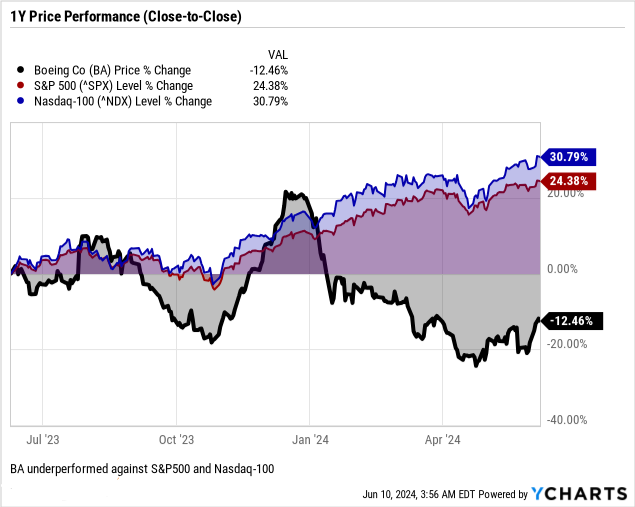
Boeing, officially The Boeing Company, is a global aerospace powerhouse designing, manufacturing, and selling airplanes, rotorcraft, rockets, satellites, telecommunications equipment, and missiles worldwide. As a cornerstone of the Dow Jones Industrial Average and a crucial player in global defense and commercial aviation, its stock performance is scrutinized for insights into the broader economic landscape and the health of the aerospace industry. Unlike a static value, Boeing’s stock price, like that of any publicly traded company, is a living entity, constantly fluctuating in response to a myriad of internal and external forces. Grasping these influences is paramount to making informed financial decisions and truly understanding the “price” beyond just the number.
Understanding Boeing (BA) as an Investment
Investing in Boeing means buying a piece of a company with a rich history, cutting-edge technology, and significant global reach. However, it also means aligning with a business that operates in a highly cyclical, capital-intensive, and politically sensitive environment.
A Legacy in Aerospace and Defense
Founded in 1916, Boeing has evolved from a small seaplane manufacturer into one of the world’s largest aerospace companies. Its core businesses include Commercial Airplanes (e.g., 737, 787 Dreamliner), Defense, Space & Security (e.g., F-15, Apache helicopter, satellites), and Global Services (maintenance, modifications, training). This diversification, while providing multiple revenue streams, also exposes the company to distinct market dynamics within each segment. For instance, commercial aircraft demand is heavily tied to global passenger traffic and airline profitability, while defense contracts are influenced by geopolitical tensions and government budgets. Understanding these segments is crucial for investors, as different market conditions can impact them disparately, leading to varying effects on overall company performance and, consequently, stock price.
The Ticker Symbol and Market Presence
Boeing trades on the New York Stock Exchange (NYSE) under the ticker symbol BA. Its inclusion in major indices like the Dow Jones Industrial Average (DJIA) and the S&P 500 signifies its status as a large-cap, “blue-chip” stock. This inclusion means that many index funds and ETFs automatically hold Boeing stock, providing a baseline level of demand. Furthermore, its weight within these indices means its performance can significantly sway the overall direction of the market, making it a closely watched component for many institutional and retail investors alike. Boeing’s market capitalization—the total value of all its outstanding shares—often places it among the largest companies globally, reflecting its immense scale and economic importance.
Historical Performance at a Glance
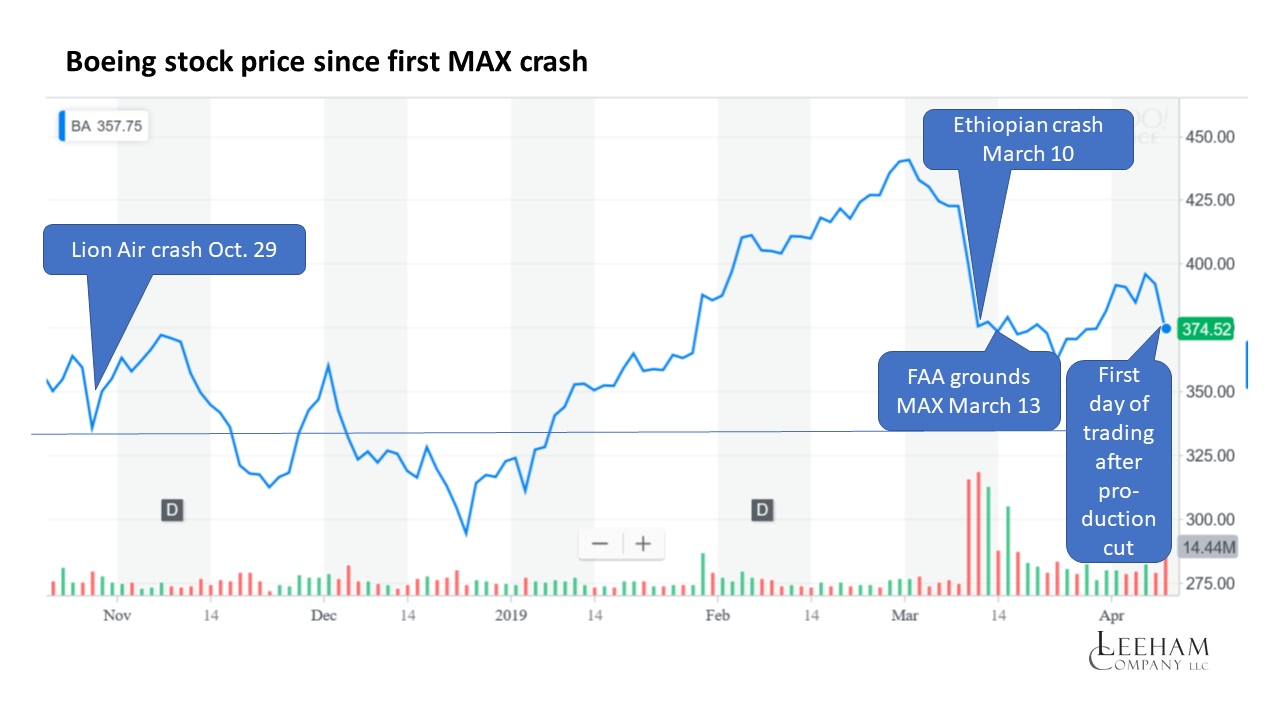
Boeing’s stock history is characterized by periods of robust growth punctuated by significant challenges. Decades of innovation and a dominant market position propelled its shares to impressive highs, particularly during periods of strong global economic growth and increased air travel demand. However, the company has also faced substantial headwinds, including economic recessions, geopolitical trade disputes, and, notably, safety issues such as those associated with the 737 MAX. These events have historically led to sharp drops in stock value, reflecting investor concern over future profitability, regulatory penalties, and brand reputation. Analyzing historical price charts alongside significant company and global events can provide valuable context for understanding the stock’s volatility and its long-term trajectory. It highlights that even industry leaders are not immune to substantial market pressures and company-specific crises.
Key Factors Influencing BA Stock Price
The price of Boeing stock is not determined in a vacuum. It is the culmination of countless interacting forces, ranging from internal operational efficiencies to broad macroeconomic shifts. Investors must monitor these factors diligently to anticipate potential movements.
Global Aviation Market Dynamics
The demand for new commercial aircraft, a primary driver of Boeing’s revenue, is intrinsically linked to the health of the global aviation industry. Factors such as passenger traffic growth, airline profitability, fleet modernization cycles, and global cargo demand directly influence order books. Economic booms generally stimulate air travel and airline expansion, leading to increased demand for new planes. Conversely, economic downturns, like the one triggered by the COVID-19 pandemic, can severely curb demand, leading to order cancellations and production slowdowns. Furthermore, fuel prices play a critical role; lower fuel costs can boost airline profits and their capacity to invest in new, more efficient aircraft, while high fuel costs can pressure their margins and delay new acquisitions.
Company-Specific Performance and Events
Boeing’s operational performance and specific corporate events are perhaps the most immediate determinants of its stock price. A robust order backlog, efficient production rates, and timely aircraft deliveries are positive indicators. Conversely, production delays (e.g., issues with the 777X program), quality control problems, or safety incidents (like those involving the 737 MAX) can lead to significant reputational damage, regulatory fines, and costly grounding orders, all of which directly impact financial performance and investor confidence. Quarterly earnings reports, including revenue, profit margins, and free cash flow, provide crucial insights into the company’s financial health. Announcements of new aircraft programs, large contract wins (especially in defense), leadership changes, or strategic partnerships can also trigger substantial stock movements.
Economic & Geopolitical Landscape
Boeing’s global footprint makes it particularly sensitive to broader economic and geopolitical trends. Global GDP growth directly correlates with demand for air travel and trade, impacting commercial aircraft sales. Interest rates influence borrowing costs for airlines and Boeing itself, affecting investment decisions. Trade relations, particularly between major economies like the US and China, can impact sales, supply chains, and market access. Geopolitical instability can boost defense spending, benefiting Boeing’s defense segment, but it can also disrupt supply chains or deter international travel, hurting the commercial division. Inflationary pressures can increase the cost of raw materials and labor, squeezing profit margins unless offset by price increases or efficiency gains.
Regulatory Oversight and Safety Concerns
As an aircraft manufacturer, Boeing operates under intense regulatory scrutiny, primarily from the Federal Aviation Administration (FAA) in the US and equivalent bodies internationally. Any adverse findings, new certification requirements, or safety directives can have profound financial and operational consequences. The aftermath of the 737 MAX incidents highlighted the immense power of regulators to ground fleets, demand software fixes, and impose stringent oversight, directly impacting production schedules, delivery timelines, and market sentiment. Maintaining a pristine safety record and complying with evolving regulatory standards are paramount for Boeing’s long-term success and stock stability.
Competitive Environment
Boeing operates in a duopoly in the large commercial aircraft market with European rival Airbus. Competition often manifests in pricing strategies, technological innovation, and production efficiency. Airbus’s market share gains or losses, introduction of new competitive models, or production milestones can directly impact Boeing’s competitive standing and future order prospects. While less direct, emerging aerospace companies and advancements in alternative propulsion technologies could also pose long-term competitive threats. Boeing’s ability to innovate, manage its cost base, and differentiate its products is vital in this high-stakes environment.
How Investors Access Boeing Stock Price Information
For potential and current investors, accurate and timely access to Boeing’s stock price and related financial data is essential. Understanding where to find this information and how to interpret it is a fundamental aspect of savvy investing.
Real-Time Quotes vs. Delayed Data
The “price” of Boeing stock that you see will vary depending on its source. Real-time quotes, typically available through brokerage platforms and professional financial terminals, reflect the most up-to-the-second trading prices. These are crucial for active traders. Delayed data, often 15-20 minutes behind actual trades, is commonly found on free financial news websites and public stock trackers. While sufficient for long-term investors tracking general trends, it’s vital to be aware of the lag. Most major financial news outlets (e.g., Bloomberg, Reuters, Wall Street Journal) and financial data providers (e.g., Yahoo Finance, Google Finance) offer Boeing’s ticker (BA) data, often with charting tools and historical data.
Interpreting Key Metrics
Beyond the instantaneous price, several other metrics provide deeper insights into Boeing’s valuation and market activity:
-
Open, High, Low, Close: These values for a given trading day indicate the range and direction of price movement.
-
Volume: The number of shares traded within a period. High volume often accompanies significant price movements, indicating strong conviction among buyers or sellers.
-
Market Capitalization: Current stock price multiplied by the number of outstanding shares. This figure represents the company’s total market value.
-
P/E Ratio (Price-to-Earnings Ratio): The share price divided by its earnings per share. It helps assess whether the stock is overvalued or undervalued relative to its earnings. However, a company with recent losses, like Boeing has experienced during challenging periods, may have a negative or undefined P/E.
-
Dividend Yield: If Boeing pays a dividend, this metric (annual dividend per share / share price) indicates the return on investment from dividends alone. Boeing has historically paid dividends, though they were suspended during the 737 MAX crisis and COVID-19 pandemic to preserve capital.
-
Beta: A measure of a stock’s volatility in relation to the overall market. A beta greater than 1 indicates more volatility than the market, while less than 1 indicates less. Boeing typically has a beta above 1, reflecting its sensitivity to economic cycles.
Technical Analysis Tools
For investors who employ technical analysis, charting tools are indispensable. These platforms allow for the visualization of price movements over various timeframes, identifying trends, support, and resistance levels. Common indicators like Moving Averages (MA), Relative Strength Index (RSI), and MACD (Moving Average Convergence Divergence) can help identify potential entry and exit points, though these are typically more relevant for short-term trading strategies rather than long-term value investing. While technical analysis can offer insights into market sentiment, it should ideally be combined with fundamental analysis to get a complete picture of Boeing’s intrinsic value and prospects.
Investing in Boeing: Considerations for Potential Shareholders
Before committing capital to Boeing stock, potential shareholders should conduct thorough due diligence and align the investment with their overall financial goals and risk tolerance.
Long-Term Growth Potential
Despite recent challenges, Boeing remains a cornerstone of the global aerospace industry, which is projected for long-term growth driven by increasing global air travel, especially in emerging economies, and persistent demand for advanced defense systems. The company’s massive order backlog for commercial aircraft (even with adjustments) provides a degree of revenue visibility for years to come. Its strategic importance in national defense and space exploration also offers a resilient foundation. Investors with a long-term horizon who believe in the enduring necessity of air travel and national security may view Boeing as a compelling growth story, provided it effectively navigates its current operational hurdles.
Risks and Volatility
Investing in Boeing comes with inherent risks and the expectation of volatility. The cyclical nature of the aviation industry means that demand for aircraft can ebb and flow dramatically with economic cycles. Regulatory changes, geopolitical tensions, and the highly publicized challenges with aircraft programs underscore the operational and reputational risks. The immense capital expenditure required for research and development, manufacturing, and supply chain management means the company’s financial health can be sensitive to unforeseen events or delays. Moreover, the stock can be influenced by broader market sentiment, political decisions, and macroeconomic indicators, making it susceptible to significant price swings. Investors must be prepared for these fluctuations and avoid making decisions based on short-term market noise.
Diversification and Portfolio Strategy
No single stock, regardless of its perceived strength, should form the entirety of an investment portfolio. Boeing, despite its blue-chip status, should be considered as one component within a well-diversified portfolio that includes various asset classes (stocks, bonds, real estate), industries, and geographies. Diversification helps mitigate risk by ensuring that a downturn in one particular company or sector does not devastate the entire portfolio. For investors with an interest in the aerospace sector, Boeing could be complemented by investments in airlines, aerospace suppliers, or even competitors like Airbus, if accessible.
Consulting Financial Professionals
For individuals new to investing or those with complex financial situations, consulting a qualified financial advisor is highly recommended. A professional can help assess an individual’s risk tolerance, financial goals, and time horizon, providing personalized advice on whether Boeing stock aligns with their investment strategy. They can also offer guidance on portfolio construction, diversification, and tax implications, ensuring that investment decisions are made within a comprehensive financial plan.
The Future Outlook for Boeing
Boeing stands at a critical juncture, navigating past challenges while striving to meet future demands for air travel and defense. Its trajectory will largely depend on its ability to execute on strategic priorities.
Addressing Current Challenges
Boeing’s immediate future hinges on its ability to consistently deliver high-quality aircraft, resolve outstanding issues with existing programs (like the 737 MAX and 777X), and restore trust with airlines, regulators, and the flying public. This involves stringent quality control, efficient supply chain management, and robust employee training. Successfully ramping up production rates for popular models while maintaining safety standards is crucial for meeting demand and shoring up financial performance. The company’s management has publicly committed to these improvements, and investor confidence will largely mirror their success in implementation.
Innovation and Sustainability
Looking further ahead, Boeing’s long-term competitiveness will depend on its capacity for innovation. This includes developing next-generation aircraft that are more fuel-efficient, quieter, and technologically advanced. Sustainability is also a growing imperative, driving research into sustainable aviation fuels (SAF), hybrid-electric propulsion, and more environmentally friendly manufacturing processes. Boeing’s investments in these areas will not only address climate concerns but also position it to capitalize on future market demands for greener aviation solutions. The ongoing space race and increasing demand for satellite services also provide fertile ground for growth within its defense and space division.
Market Position and Demand
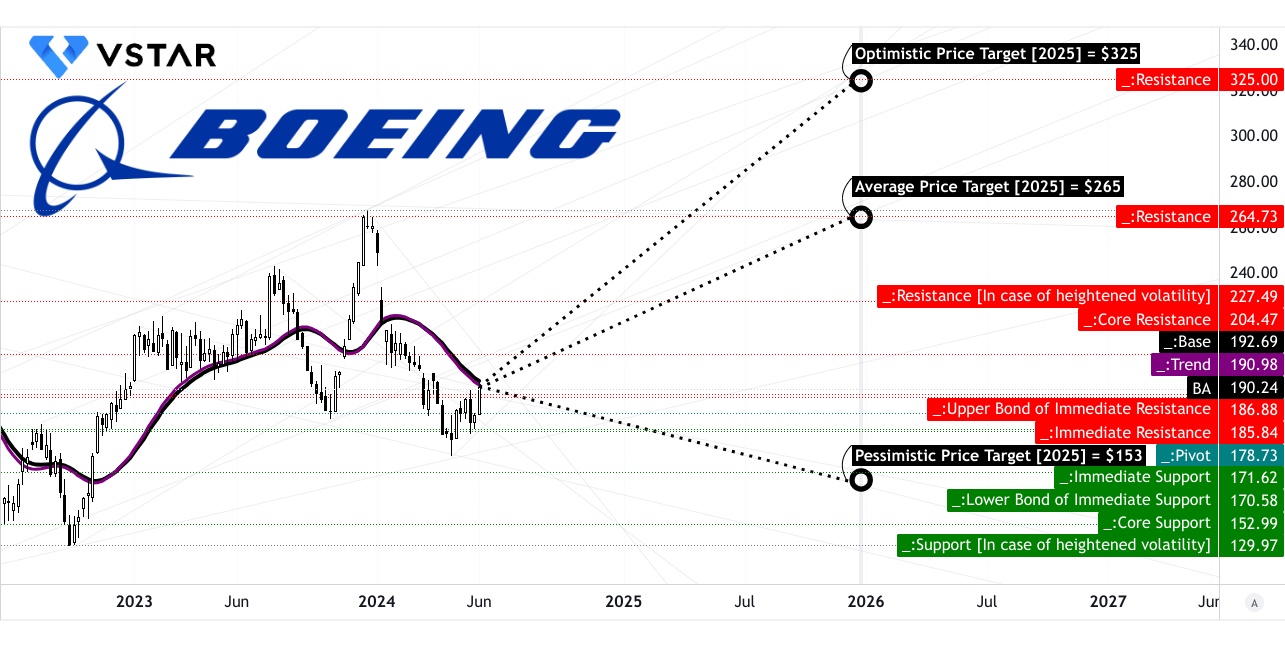
Despite cyclical downturns and intense competition, the underlying global demand for air travel and advanced defense capabilities is expected to remain robust over the coming decades. A growing global middle class, particularly in Asia, will drive demand for air transport, while geopolitical realities will sustain spending on defense and security systems. Boeing, with its established market position, extensive product portfolio, and global service network, is well-placed to capture a significant share of this growth, assuming it can overcome its operational hurdles and maintain its competitive edge against Airbus and potential new entrants. Its recovery and future success will be a testament to its engineering prowess and strategic resilience.
In conclusion, the “price of Boeing stock” is a constantly moving target, a reflection of intricate interplay between company performance, industry trends, economic conditions, and global events. Investing in BA is not just about buying shares in an aerospace company; it’s about making a calculated bet on the future of global connectivity, defense innovation, and industrial resilience. A comprehensive understanding of these underlying factors, combined with meticulous research and a long-term perspective, is essential for any investor looking to navigate the skies of Boeing’s market performance.
aViewFromTheCave is a participant in the Amazon Services LLC Associates Program, an affiliate advertising program designed to provide a means for sites to earn advertising fees by advertising and linking to Amazon.com. Amazon, the Amazon logo, AmazonSupply, and the AmazonSupply logo are trademarks of Amazon.com, Inc. or its affiliates. As an Amazon Associate we earn affiliate commissions from qualifying purchases.