
In the intricate and ever-evolving landscape of global finance, leadership at the helm of a major institution like Bank of America is not merely a title but a pivotal role that shapes economic outcomes, influences market perception, and directs the strategic trajectory of billions in capital. For investors, financial analysts, and the general public alike, understanding who holds the reins of such a powerful entity provides crucial insight into its present stability and future direction. The individual steering this financial giant is responsible for navigating complex regulatory environments, responding to market volatility, fostering innovation, and ultimately, driving value for shareholders while serving millions of customers worldwide. This article delves into the identity of Bank of America’s chief executive, exploring their journey, strategic vision, and the profound impact of their leadership within the broader context of business finance.
Leadership at the Helm of a Financial Giant
Bank of America stands as one of the largest financial institutions in the world, a behemoth whose operations touch nearly every aspect of the global economy. Its leadership position is therefore a subject of constant scrutiny and significant interest within financial circles. The role of CEO at such a firm transcends mere operational management; it embodies strategic foresight, risk management, and the articulation of a vision that can steer a colossal organization through calm and turbulent waters alike.
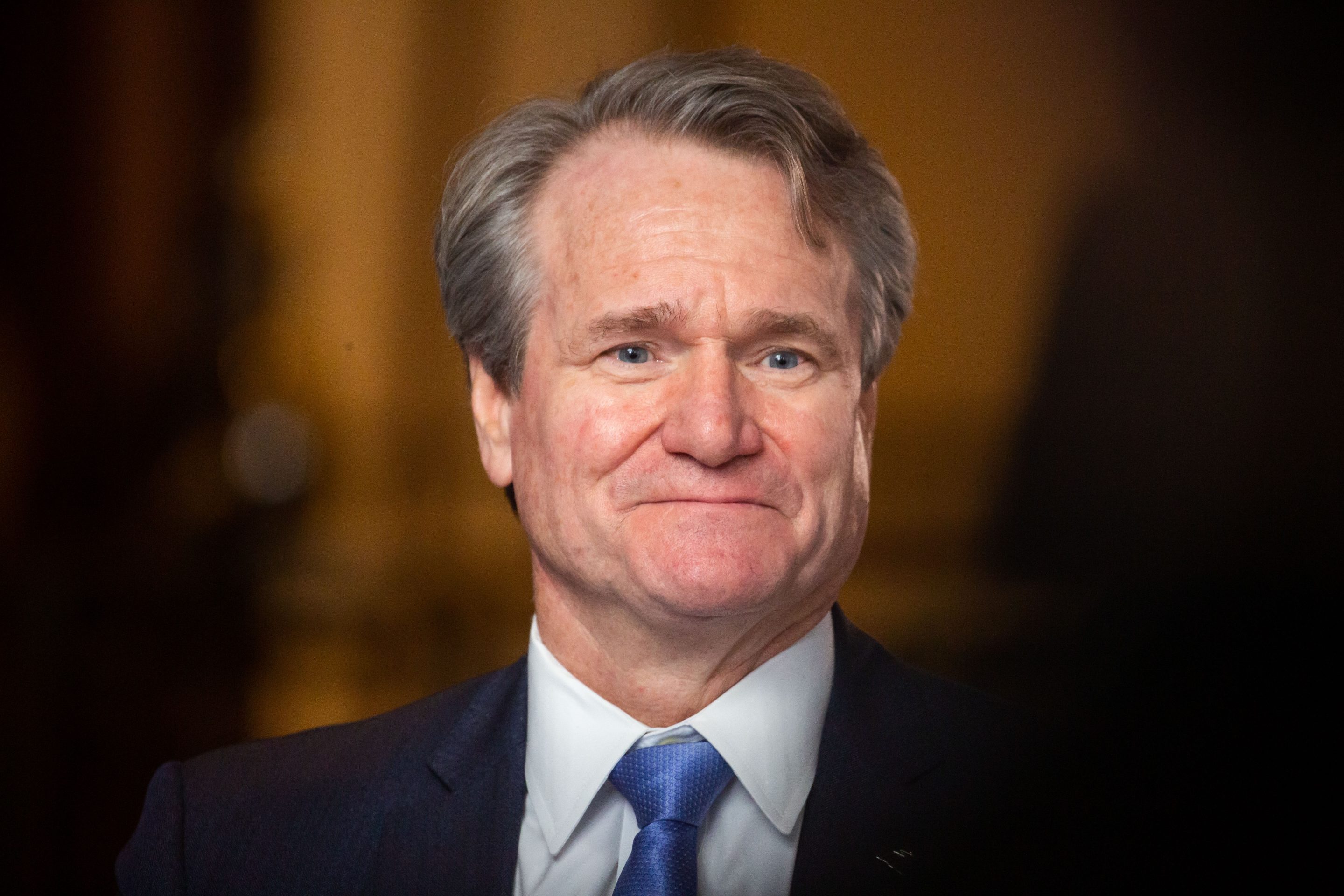
The Current Leader: Brian Moynihan
As of the current date, the Chief Executive Officer (CEO) and Chairman of the Board of Bank of America is Brian Moynihan. He has held this prestigious and demanding position since January 1, 2010. Moynihan’s tenure has been marked by a period of significant transformation for the bank, particularly in the wake of the 2008 financial crisis, which profoundly reshaped the banking industry and its regulatory framework. His leadership has been critical in stabilizing the bank, streamlining its operations, and adapting to a new era of financial prudence and digital innovation.
The Scale and Influence of Bank of America
To fully appreciate the weight of Moynihan’s role, one must grasp the sheer scale of Bank of America. With trillions in assets, a global footprint spanning numerous countries, and a comprehensive suite of financial services including retail banking, wealth management, corporate banking, and investment banking, the institution plays a critical role in facilitating economic activity. Its decisions on lending, investment, and market strategy can ripple through local economies and global markets. The CEO is ultimately accountable for the bank’s financial performance, regulatory compliance, risk posture, and its public image – elements that directly impact shareholder returns and the financial health of countless individuals and businesses.
Brian Moynihan’s Journey to the Top
Brian Moynihan’s rise to the CEO position at Bank of America is a testament to a career defined by consistent performance, strategic acumen, and a deep understanding of complex financial operations. His trajectory through various critical divisions of the bank equipped him with the comprehensive knowledge required to lead such a diverse and expansive enterprise.
Early Career and Education
Moynihan’s professional journey began in law. He earned a Bachelor of Arts degree from Brown University and a Juris Doctor from the University of Notre Dame Law School. After law school, he practiced corporate law at Edwards & Angell LLP in Providence, Rhode Island. This legal background provided him with a rigorous analytical framework and a keen understanding of regulatory and contractual complexities, skills that would prove invaluable in the highly regulated banking industry.
Navigating Key Roles Within Bank of America
Moynihan joined Bank of America in 2004 as part of the acquisition of FleetBoston Financial, where he had served as general counsel. His ascent through the ranks at Bank of America was swift and strategic. He held a series of increasingly senior leadership positions across various lines of business, demonstrating a versatile skill set. These roles included president of global wealth and investment management, head of global corporate and investment banking, and general counsel for the entire corporation. This diverse experience gave him an intimate understanding of the bank’s sprawling operations, from wealth management to institutional banking, preparing him for the ultimate leadership challenge. Each of these positions involved significant financial oversight, strategic planning, and managing large P&Ls, directly contributing to his expertise in business finance.
Taking the Reins During Challenging Times
Moynihan’s appointment as CEO in January 2010 came at a critical juncture for Bank of America. The financial crisis had exposed systemic weaknesses across the banking sector, and Bank of America, like many of its peers, was grappling with substantial mortgage-related losses, complex legacy assets, and intense regulatory scrutiny. His immediate mandate was to stabilize the bank, shed non-core assets, resolve legal issues stemming from the crisis, and rebuild investor confidence. This period demanded exceptional leadership in risk management, capital allocation, and a steadfast commitment to deleveraging and strengthening the balance sheet – core elements of sound business finance.
Strategic Direction and Financial Stewardship Under Moynihan
Under Brian Moynihan’s leadership, Bank of America has undergone a significant transformation, shifting from a period of crisis management to one focused on sustainable growth, operational efficiency, and a robust financial foundation. His strategic decisions have significantly impacted the bank’s financial performance and its standing in the global financial markets.
Post-Crisis Recovery and Regulatory Focus
One of Moynihan’s immediate and most critical priorities was to address the legacy issues from the financial crisis. This involved divesting non-core businesses, simplifying the bank’s structure, and navigating complex legal and regulatory challenges, including numerous lawsuits and fines. His focus on “getting smaller and better” aimed at improving the bank’s capital ratios, reducing its risk profile, and enhancing its liquidity. This period saw a disciplined approach to capital allocation, ensuring the bank met increasingly stringent regulatory requirements while laying the groundwork for future profitability. The emphasis on strengthening the balance sheet and managing regulatory risk was paramount to ensuring the bank’s long-term financial stability.
Driving Shareholder Value and Operational Efficiency
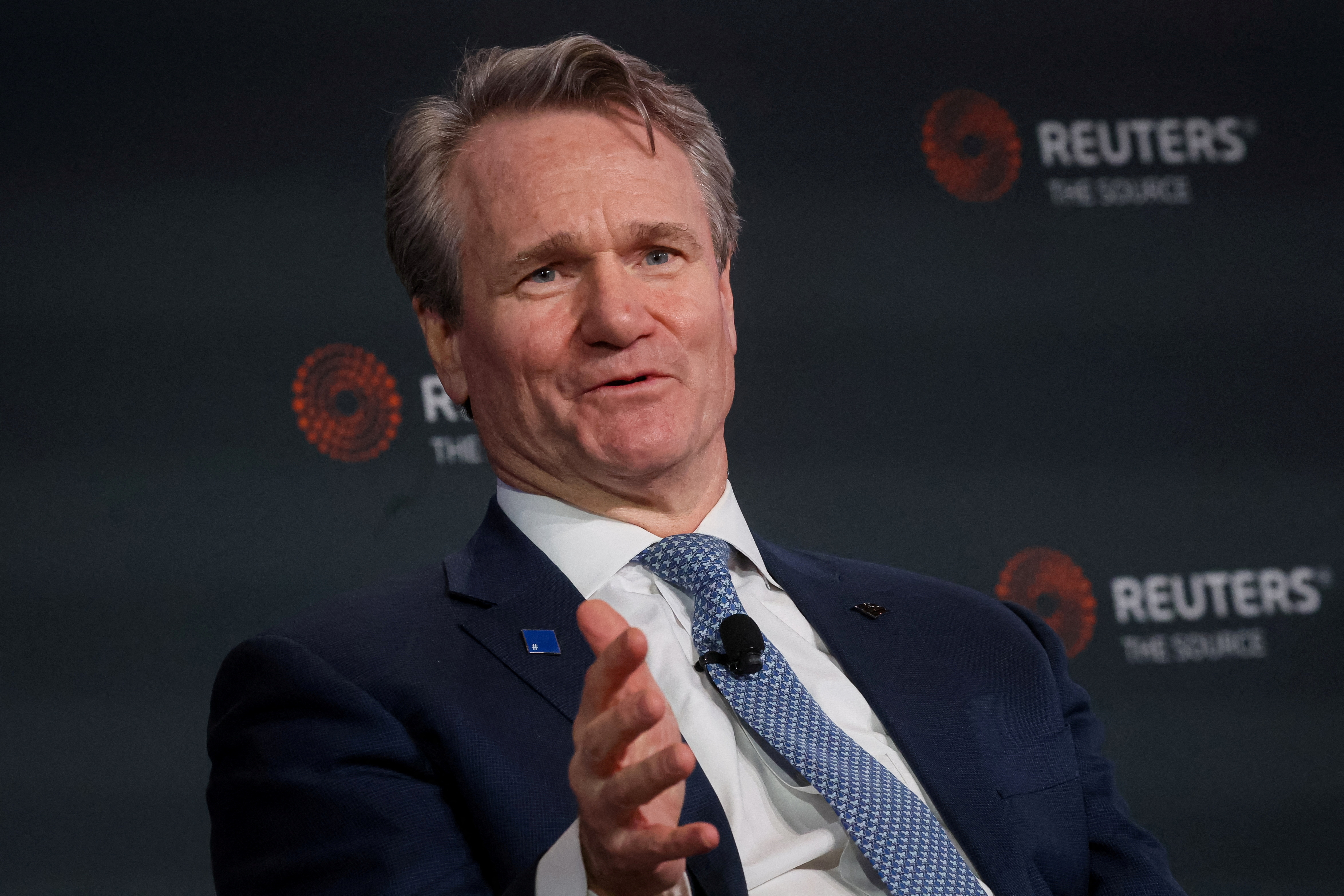
Once the immediate crisis subsided, Moynihan shifted the bank’s focus towards driving operational efficiency and maximizing shareholder value. This involved significant investments in technology to streamline processes, reduce costs, and improve the customer experience. By optimizing its vast branch network, investing in digital banking platforms, and integrating various business lines, the bank aimed to increase profitability and generate consistent returns. Financial metrics such as return on equity (ROE), earnings per share (EPS), and dividend payouts became key indicators of success, demonstrating a clear commitment to rewarding shareholders for their investment. The strategic reduction of non-interest expenses through technological enhancements and process improvements has been a continuous theme under his leadership.
Innovation and Digital Transformation in Banking
Under Moynihan, Bank of America has aggressively pursued digital transformation. Recognizing that the future of banking is increasingly digital, the bank has invested heavily in mobile banking, online platforms, and advanced analytics. This includes developing user-friendly apps, leveraging AI for customer service, and enhancing cybersecurity measures to protect digital assets. While “Tech” might seem a separate category, from a “Money” perspective, these innovations are crucial for reducing operational costs, expanding market reach without needing physical branches, enhancing customer engagement to drive revenue, and maintaining a competitive edge in a rapidly evolving financial services industry. The financial payoff of these technological investments is measured in terms of increased efficiency, customer acquisition, and profitability.
Commitment to ESG and Sustainable Finance
Moynihan has also been a vocal proponent of environmental, social, and governance (ESG) principles, integrating them into Bank of America’s core business strategy. The bank has committed significant capital to sustainable finance initiatives, including lending for renewable energy projects, issuing green bonds, and promoting responsible investment practices. From a business finance perspective, this commitment is not merely philanthropic; it’s a strategic imperative. ESG factors are increasingly important to institutional investors, influencing capital flows and the cost of capital. Furthermore, aligning with ESG principles helps manage reputational risk, attract and retain talent, and identify new market opportunities in the burgeoning green economy, all of which contribute to long-term financial resilience and value creation.
The Broader Impact of CEO Leadership in Financial Institutions
The role of a CEO in a major financial institution like Bank of America extends far beyond the confines of the boardroom. Their decisions and public persona can have profound effects on market sentiment, employee morale, and the bank’s ability to navigate the complex geopolitical and economic landscape.
Influence on Market Perception and Investor Confidence
The CEO is often the public face of the company, and their statements, strategic vision, and perceived competence significantly influence market perception and investor confidence. A strong, consistent leader can provide stability during periods of market uncertainty, reassuring investors about the bank’s future prospects. Conversely, leadership missteps or a lack of clear direction can lead to stock price volatility and a decline in investor trust. Moynihan’s steady hand and transparent communication during challenging times have been instrumental in rebuilding and maintaining Bank of America’s standing with shareholders and the broader financial community.
Shaping Corporate Culture and Employee Engagement
A CEO’s leadership style and values permeate throughout the entire organization, shaping its corporate culture. Moynihan has emphasized a culture of responsible growth, client focus, and employee development. A positive and ethical corporate culture is crucial in financial services for attracting top talent, fostering employee loyalty, and preventing misconduct. Engaged employees are more productive, provide better customer service, and are less likely to contribute to operational risks, all of which have direct financial implications for the bank’s performance and profitability.
Navigating Geopolitical and Economic Headwinds
The CEO of a global bank must possess a keen understanding of global economic trends, geopolitical shifts, and regulatory changes across different jurisdictions. Decisions regarding international expansion, risk exposure in emerging markets, or responses to trade wars and interest rate fluctuations require astute judgment. Moynihan has had to guide Bank of America through periods of low interest rates, global economic slowdowns, and the uncertainties of major geopolitical events, consistently focusing on prudent risk management and strategic positioning to protect and grow the bank’s financial assets.
The Future of Banking and Bank of America’s Position
The financial services industry is in a perpetual state of flux, driven by technological advancements, evolving customer expectations, and a dynamic regulatory environment. Bank of America, under its current leadership, is positioned to adapt and thrive by anticipating these changes and strategically investing in its future.
Adapting to Evolving Customer Needs
Customers today demand seamless, personalized, and accessible banking services. This means moving beyond traditional branch-based interactions to embrace digital-first strategies. Bank of America’s focus on its mobile app, online tools, and integrating various services aims to meet these demands. From a financial perspective, satisfying customer needs translates directly into higher retention rates, increased product adoption (like new loans or investment accounts), and ultimately, greater revenue streams. The bank’s ability to predict and respond to shifts in consumer behavior will be crucial for maintaining its market share and profitability.
Embracing Fintech and Emerging Technologies
While not a “tech review,” the financial sector’s embrace of fintech is a critical business finance strategy. Technologies like blockchain for faster transactions, artificial intelligence for credit scoring and fraud detection, and open banking APIs are transforming how financial services are delivered. Bank of America, under Moynihan, has explored partnerships with fintech companies and invested in internal capabilities to leverage these innovations. This is not just about keeping up; it’s about finding new ways to reduce costs, enhance security, create new financial products, and compete more effectively with nimble startups. The financial return on these technology investments is a key measure of their success.

Maintaining Relevance in a Competitive Landscape
The banking industry is more competitive than ever, with traditional banks facing challenges from fintech startups, large tech companies entering financial services, and even non-bank lenders. To maintain relevance, Bank of America must continually innovate its products, optimize its service delivery, and manage its vast resources strategically. Moynihan’s leadership in refining the bank’s core businesses, investing in future-proof technologies, and maintaining a strong financial position is critical to ensuring Bank of America remains a leading force in the global financial sector. The strategic decisions made today, under his guidance, will determine the bank’s financial strength and market leadership for years to come.
In conclusion, Brian Moynihan’s role as CEO of Bank of America is an exceptionally demanding and influential position within the global financial system. His tenure has been defined by a resolute focus on financial recovery, strategic growth, and adaptation to a rapidly changing banking landscape. For anyone interested in business finance, understanding his leadership, strategic priorities, and the overarching direction he sets for Bank of America offers invaluable insights into the operations and future trajectory of one of the world’s most significant financial institutions.
aViewFromTheCave is a participant in the Amazon Services LLC Associates Program, an affiliate advertising program designed to provide a means for sites to earn advertising fees by advertising and linking to Amazon.com. Amazon, the Amazon logo, AmazonSupply, and the AmazonSupply logo are trademarks of Amazon.com, Inc. or its affiliates. As an Amazon Associate we earn affiliate commissions from qualifying purchases.