
In an era of fluctuating economies and persistent inflation, the question “where to get free food today” transcends a mere search for sustenance; it becomes a critical inquiry for personal financial management. For many, food represents one of the largest and most inflexible line items in a household budget, often consuming a significant portion of disposable income. Understanding how to strategically access free food resources is not merely about surviving hard times; it’s a proactive and intelligent way to optimize personal finances, reduce expenditures, and reallocate precious funds toward other vital financial goals, from debt reduction to building an emergency fund. This article delves into the financial implications of food costs and outlines a comprehensive, strategic approach to leveraging community and charitable resources to bolster your financial health.

The Hidden Drain: Understanding Food’s Impact on Your Budget
The cost of food has an undeniable, often underestimated, impact on an individual’s financial well-being. It’s a recurring expense that, unlike rent or mortgage, can fluctuate significantly based on consumption habits, market prices, and unforeseen circumstances. Recognizing this impact is the first step toward harnessing free food as a powerful financial tool.
The Rising Cost of Living and Food Inflation
Globally, households are grappling with an escalating cost of living, with food prices often leading the charge. Inflation erodes purchasing power, making staple items more expensive and squeezing budgets tighter. For families and individuals on fixed incomes or those facing economic precarity, this increase can transform a manageable budget into an unsustainable one. The financial stress associated with ensuring adequate nutrition can be immense, leading to difficult choices between food and other necessities like housing, utilities, or healthcare. Recognizing the systemic pressure of food inflation contextualizes the immediate and long-term financial relief that free food resources can provide.
Identifying Your Household’s Food Expenditure
Before seeking external assistance, a crucial financial exercise is to understand your current food expenditure. Many underestimate how much they truly spend on groceries, dining out, and impulse food purchases. Tracking your monthly food costs—whether through budgeting apps, spreadsheets, or simply reviewing bank statements—can reveal surprising figures. Once identified, this baseline allows you to see the tangible financial benefits of reducing this outlay through free food sources. Every dollar saved on food is a dollar that can be redirected to high-interest debt, a savings account, or other investments in your financial future.
Free Food as a Budget Optimization Tool
Viewing free food not as charity but as a budget optimization tool reframes its importance. It’s a resource to be strategically integrated into your financial plan. By significantly reducing or eliminating a portion of your grocery bill, you create immediate financial breathing room. This freed-up capital can be instrumental in achieving various personal finance milestones: accelerating debt repayment, building an emergency fund, saving for a down payment, or investing for retirement. The objective isn’t just to eat for free, but to leverage that opportunity to strengthen your overall financial position and resilience.
Navigating the Landscape of Free Food Resources
Accessing free food requires awareness of the diverse resources available within communities. These are not homogenous services but a network of interconnected support systems designed to address food insecurity and reduce waste, simultaneously offering significant financial relief to users.
Community-Based Programs: Food Banks and Pantries
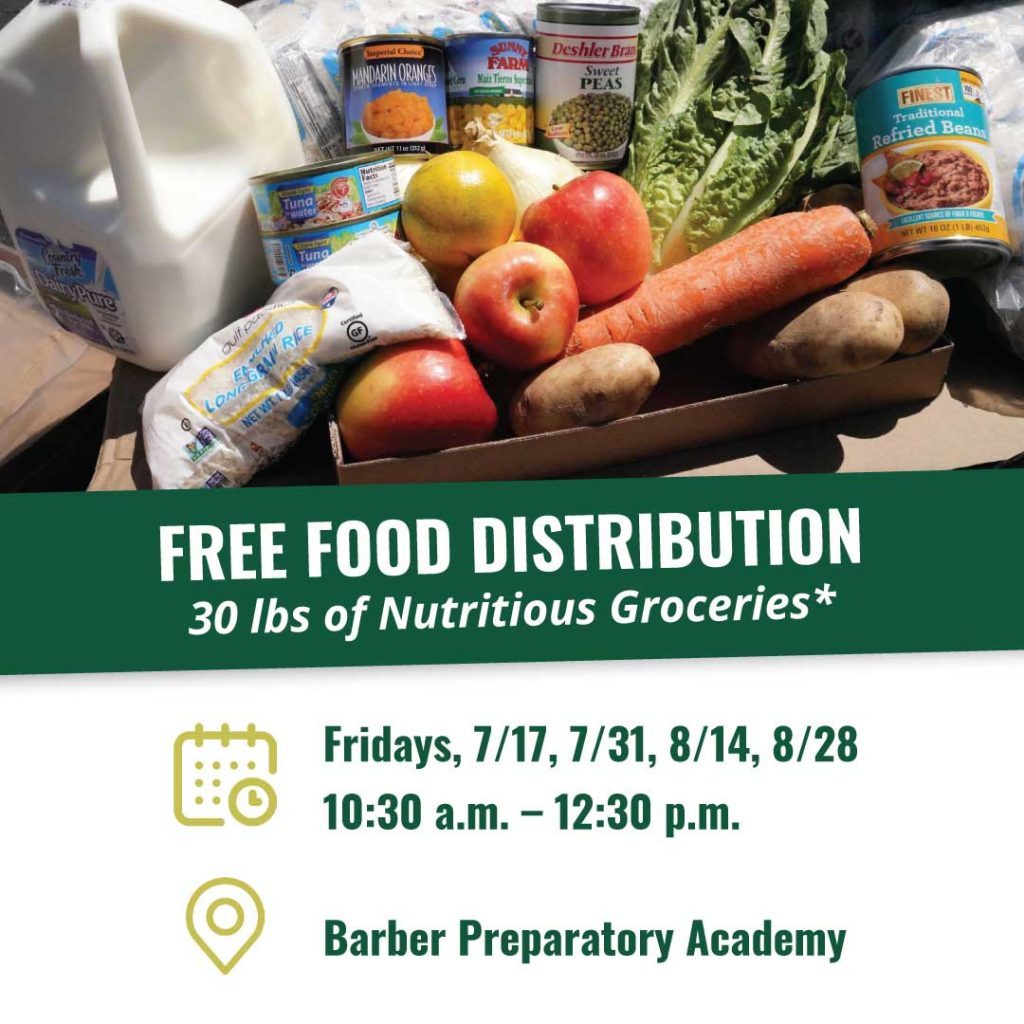
Food banks and pantries are perhaps the most widely recognized and accessible free food resources. Food banks act as central warehouses, collecting donated food from retailers, manufacturers, and individuals, which they then distribute to a network of smaller food pantries. Food pantries, in turn, directly serve individuals and families in specific neighborhoods or regions. These organizations typically provide shelf-stable groceries, and often fresh produce, dairy, and meat, allowing recipients to prepare meals at home. Most require basic identification and a brief registration process, but eligibility criteria are generally designed to be inclusive, focusing on need rather than strict income cut-offs. Utilizing these services allows households to dramatically cut their monthly grocery expenses, directly contributing to personal savings.
Meal Programs and Soup Kitchens: Immediate Relief
For immediate food needs, particularly hot meals, soup kitchens and community meal programs offer vital support. These establishments typically serve prepared meals on-site, often without any eligibility requirements or extensive registration. They are invaluable for individuals experiencing homelessness, those facing immediate financial crises, or anyone needing a nutritious meal without the means to prepare it themselves. From a financial perspective, these programs prevent individuals from spending money on expensive ready-made meals or sacrificing other essential purchases to cover food costs for that day, offering critical short-term budget relief.
Leveraging Local Initiatives: Gleaning and Community Fridges
Beyond traditional institutions, many communities have grassroots initiatives designed to distribute surplus food. Gleaning programs involve volunteers collecting leftover crops from farms after the commercial harvest, which are then distributed to food banks and pantries. Community fridges are publicly accessible refrigerators stocked with surplus food donations from individuals, businesses, and restaurants, available for anyone to take what they need. Both gleaning and community fridges represent innovative, localized efforts to combat food waste and provide free sustenance, offering an additional, often overlooked, avenue for individuals to supplement their food supply and reduce their grocery bills.
Government-Sponsored Food Assistance Programs
While not strictly “free” in the sense of being provided without cost or qualification, government programs such as the Supplemental Nutrition Assistance Program (SNAP) in the U.S. (or equivalent programs in other countries) play a crucial role in enhancing food access and reducing personal food expenditure. SNAP provides eligible low-income individuals and families with benefits to purchase food. Although it’s a subsidy, the financial impact is comparable to receiving free food, as it significantly reduces out-of-pocket spending on groceries, freeing up cash for other necessities or savings. Understanding eligibility and applying for these programs is a vital financial strategy for sustained food security.
Integrating Free Food into a Long-Term Financial Strategy
Accessing free food should not be viewed as a standalone activity but as an integrated component of a broader, sustainable financial plan. Its power lies in its ability to create margin within a tight budget, allowing for strategic re-allocation of funds.
Supplementing, Not Replacing, Your Food Budget

The most effective use of free food resources is often as a supplement rather than a complete replacement for your entire food budget. By obtaining staples like rice, pasta, canned goods, or fresh produce from a food pantry, you can significantly reduce your grocery list and the associated cost. This allows you to prioritize spending on specific dietary needs, specialty items, or preferences that may not be available through free sources, creating a balanced and financially optimized approach to your food supply.
Reallocating Savings to Other Financial Goals
The primary financial benefit of utilizing free food is the monetary savings generated. This savings should be intentionally redirected. Instead of simply letting the money “disappear” or be spent impulsively, commit to allocating it towards specific financial goals. This could mean accelerating payments on high-interest credit card debt, contributing to an emergency fund, increasing contributions to a retirement account, or saving for a down payment. This disciplined reallocation transforms a short-term benefit into long-term financial stability and progress.
Meal Planning and Preparation with Free Resources
Strategic meal planning becomes even more impactful when incorporating free food. By knowing what items you can consistently obtain from food banks or community fridges, you can build your weekly meal plans around these ingredients. This approach minimizes grocery list items, reduces food waste, and maximizes the value derived from free resources. Learning to cook versatile meals using pantry staples and seasonal produce can further stretch your budget and enhance your culinary skills, adding another layer of financial benefit.
Understanding Eligibility and Responsible Utilization
To ensure the long-term viability of free food resources, it’s crucial to understand eligibility requirements and utilize services responsibly. Most programs are designed to assist those facing financial hardship. Being honest about your circumstances and respecting the guidelines ensures that resources are distributed fairly and remain available for all who need them. This also includes being mindful of taking only what you truly need, allowing others to benefit, and being aware of the frequency with which you can access certain services.
Beyond Monetary Savings: Intangible Financial Benefits
While the direct monetary savings are palpable, utilizing free food resources offers a host of intangible benefits that indirectly contribute to improved financial health and overall well-being.
Reducing Financial Stress and Mental Load
The constant worry about affording the next meal or making ends meet is a significant source of financial stress. Accessing free food can dramatically alleviate this mental burden, freeing up cognitive energy that can then be directed towards problem-solving, skill development, or income-generating activities. Reduced stress can also lead to better decision-making, fewer health issues related to anxiety, and a greater capacity to focus on long-term financial planning.
Fostering Financial Resilience and Preparedness
Knowing where and how to access free food provides a valuable safety net. This knowledge contributes to financial resilience, making individuals and families better prepared for unexpected income loss, medical emergencies, or other financial shocks. It reduces dependence on fragile income streams and builds confidence in one’s ability to navigate financial adversity, which is a crucial component of robust personal finance.
Building Community Connections and Social Capital
Engaging with free food programs often means connecting with community organizations and fellow residents. These interactions can foster a sense of belonging, create support networks, and even open doors to other resources or opportunities. While not directly monetary, social capital can lead to job leads, shared resources, advice, and emotional support, all of which indirectly contribute to financial stability and personal growth.
Ethical Considerations and Sustainable Practices
As with any shared resource, accessing free food comes with a responsibility to contribute to the sustainability and ethical functioning of these vital community systems.
Respecting Resources and Community Support Systems
Free food programs are powered by donations, volunteers, and the generosity of the community. Approaching these resources with respect and gratitude is paramount. This includes adhering to rules, treating staff and volunteers kindly, and recognizing that these services exist to support those in need. Over-utilization or abuse can strain resources and reduce their capacity to help others.
Giving Back: Volunteering and Donations (If Financially Able)
For those whose financial situation improves, contributing back to these systems can create a positive feedback loop. Volunteering time, if possible, or making financial donations when able, helps sustain the very services that provided crucial support. This act of “paying it forward” strengthens the community safety net for future generations and reinforces the principle of mutual aid.
Advocacy for Food Security and Waste Reduction
Beyond individual actions, advocating for policies that promote food security, reduce food waste, and support community food programs can have a broad, lasting impact. Engaging in local discussions, supporting relevant legislation, or raising awareness helps to address the root causes of food insecurity, ultimately enhancing the financial well-being of the entire community.
In conclusion, “where to get free food today” is a question with profound financial implications. By strategically engaging with the robust network of food banks, meal programs, and community initiatives, individuals can significantly reduce their food expenditure, free up capital for crucial financial goals, and build greater personal financial resilience. It’s an approach that combines practicality, prudence, and community engagement, transforming a basic human need into a powerful lever for personal financial empowerment.
aViewFromTheCave is a participant in the Amazon Services LLC Associates Program, an affiliate advertising program designed to provide a means for sites to earn advertising fees by advertising and linking to Amazon.com. Amazon, the Amazon logo, AmazonSupply, and the AmazonSupply logo are trademarks of Amazon.com, Inc. or its affiliates. As an Amazon Associate we earn affiliate commissions from qualifying purchases.