
Engaging in charitable acts, such as donating canned food, is a cornerstone of community support and personal civic responsibility. While the immediate impulse might be simply to find the nearest drop-off point, a more strategic approach, rooted in principles of personal finance and economic stewardship, can significantly amplify your impact. Understanding the financial ecosystem of food assistance, how donations are managed, and the broader economic benefits of addressing food insecurity transforms a simple act of giving into a powerful act of financial philanthropy. This guide explores how to identify optimal donation avenues, ensuring your generosity translates into maximum benefit for your community, all while considering the financial implications of your charitable choices.
The Economic Imperative of Addressing Food Insecurity
Food insecurity is not merely a social issue; it carries profound economic consequences for individuals, families, and entire communities. Understanding these underlying financial dynamics is crucial for any financially astute donor.
Understanding the Financial Burden of Hunger
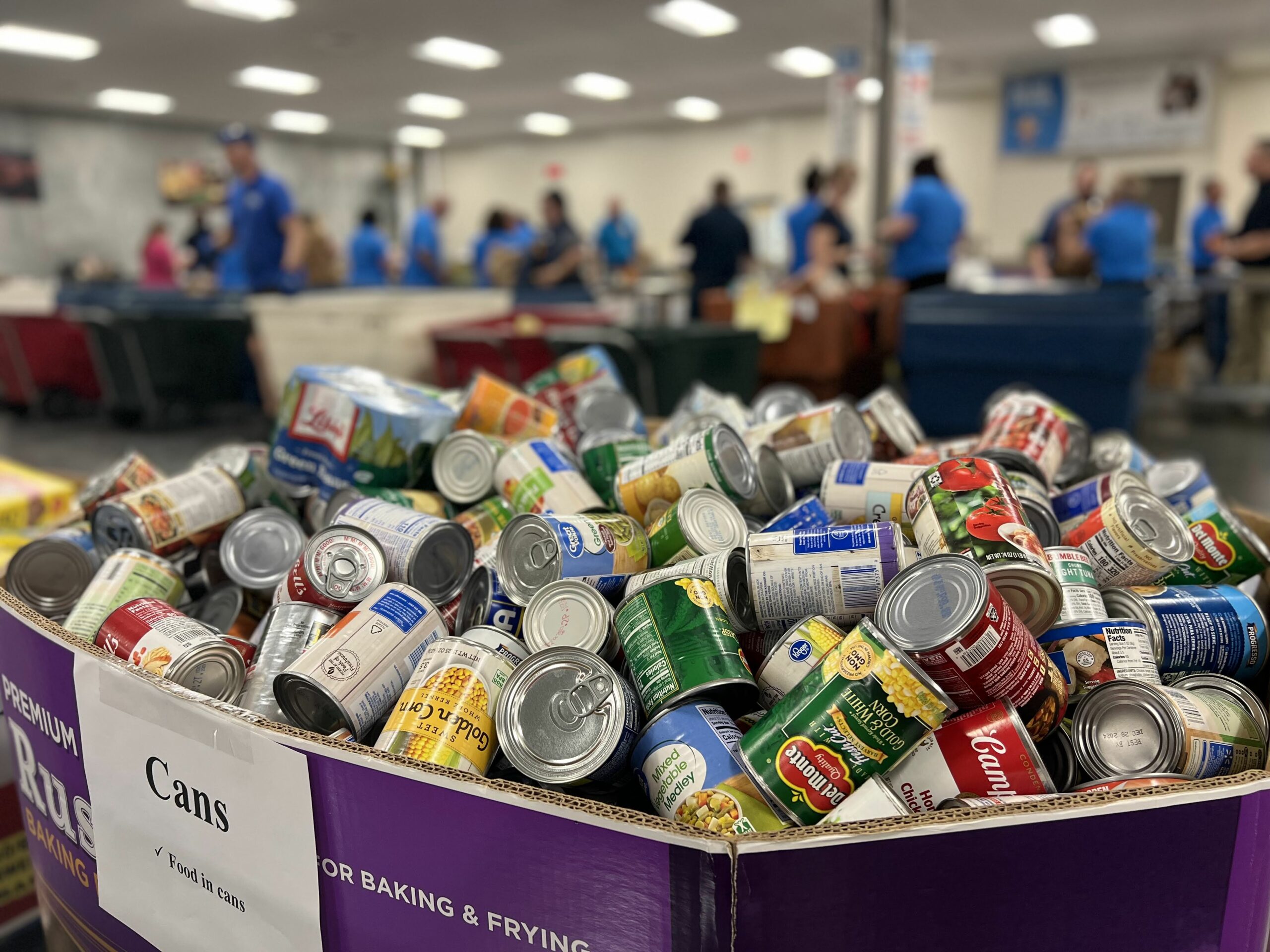
Food insecurity refers to the lack of consistent access to enough food for an active, healthy life. For individuals and families, this often translates into difficult financial trade-offs. Households facing food insecurity may divert funds from other essential needs like housing, utilities, healthcare, or education to purchase food, creating a cycle of economic instability. For children, poor nutrition can lead to impaired development and reduced educational attainment, impacting their future earning potential and perpetuating intergenerational poverty. Economically, a community with high rates of food insecurity experiences reduced productivity, increased healthcare costs, and a weaker labor force, all of which strain public resources and hinder local economic growth. When you donate canned food, you are directly alleviating a direct financial burden on a household, freeing up their limited resources for other critical needs and subtly contributing to the broader economic health of your community.
How Food Banks Operate as Financial Efficiency Hubs
Food banks and pantries are highly efficient engines of resource allocation in the fight against hunger. They leverage economies of scale and sophisticated logistics to distribute food much more effectively than individual efforts could achieve. From a financial perspective, food banks are experts in sourcing large volumes of food, often at significantly reduced costs or through corporate donations that would otherwise go to waste. They operate warehouses, manage inventory, and coordinate distribution networks, often utilizing volunteer labor to minimize operational expenses. This efficiency means that every donated can of food or dollar contributed goes further, reaching more people than if an individual were to purchase and distribute the same items directly. Donating through established food banks ensures that your contribution is integrated into a larger, well-oiled system designed to maximize financial impact and reach. They act as a critical buffer against food waste, transforming surplus into sustenance, and thereby providing a substantial financial return on investment for donors and the community.
Strategic Giving: Maximizing Your Charitable Impact
Effective philanthropy is not just about the act of giving; it’s about giving smartly. By integrating principles of personal finance into your charitable decisions, you can ensure your donations achieve their fullest potential.
Budgeting for Donations: Integrating Philanthropy into Personal Finance
Just as you budget for savings, investments, and daily expenses, incorporating charitable giving into your personal financial plan is a powerful strategy. Designating a specific portion of your income or setting aside a regular amount for donations, whether monetary or in-kind (like canned food), ensures consistency and intentionality. This approach prevents impulsive, less impactful giving and allows you to research and support organizations that align with your financial values and impact goals. For canned food donations, this could mean budgeting for specific bulk purchases during sales or dedicating a small portion of your regular grocery budget to purchase extra items specifically for donation. A well-planned giving budget fosters sustainable philanthropy, making charity a consistent part of your financial life rather than a sporadic afterthought.
Tax Implications of Non-Cash Contributions
While this is not tax advice, it is important for financially savvy donors to understand the general principles surrounding charitable tax deductions. In many jurisdictions, donations to qualified charitable organizations can be tax-deductible. Non-cash contributions, such as canned food, typically require careful documentation. The fair market value of donated goods can often be deducted, subject to specific limits and conditions set by tax authorities. For larger donations or ongoing contributions, maintaining meticulous records of items donated, their estimated value, and receipts from the receiving organization is crucial. Consult with a tax professional to understand how your specific non-cash donations might impact your tax situation, as regulations vary and personal circumstances differ. Understanding these implications can influence the frequency and volume of your donations, turning charitable giving into a component of your broader financial planning.
Beyond the Can: Financial Support vs. Food Drives
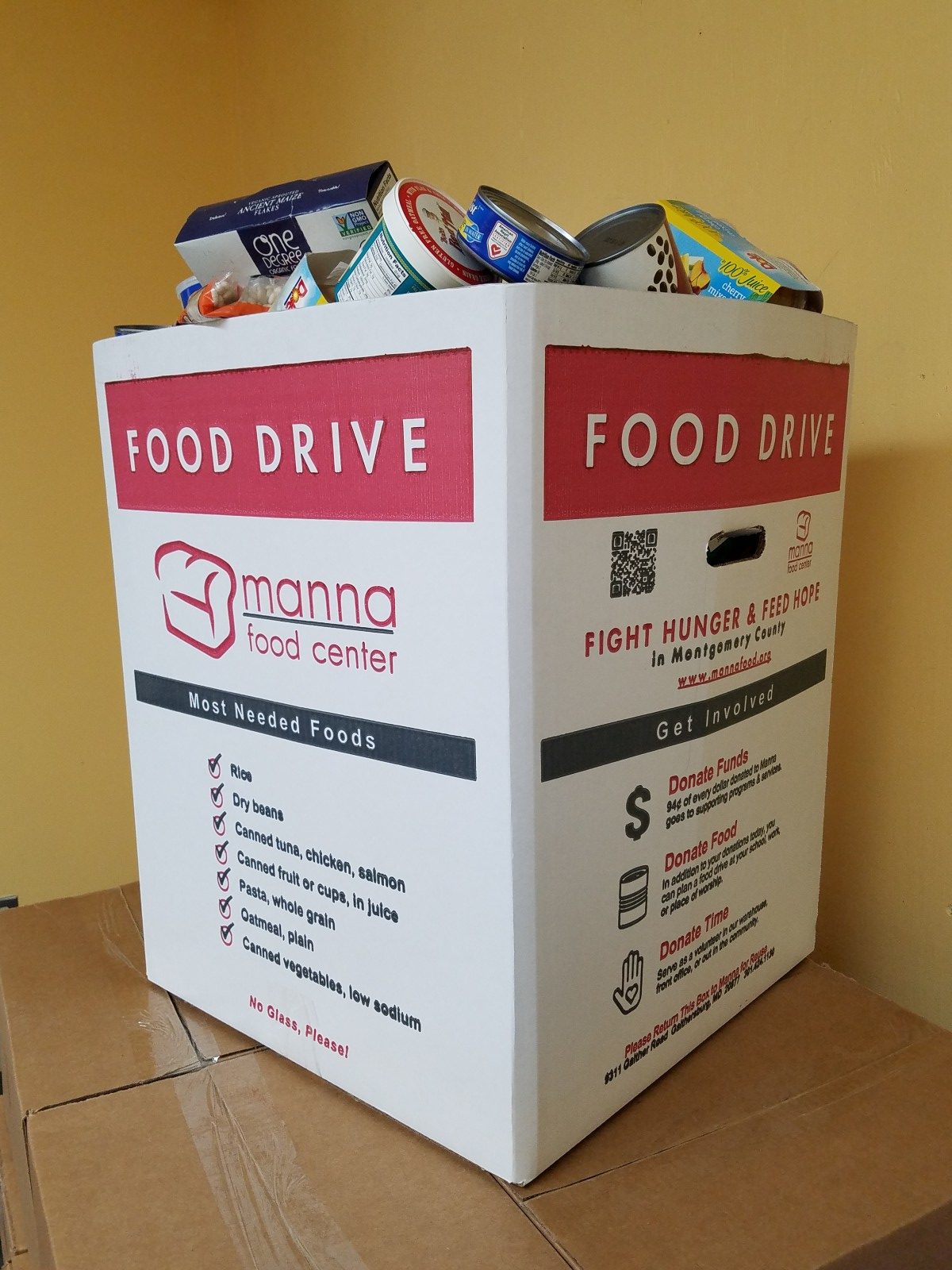
While donating canned food is incredibly valuable, it’s also worth considering the financial efficiency of cash donations versus in-kind donations. Food banks, due to their purchasing power and access to bulk discounts, can often acquire food at a much lower cost per meal than an individual consumer. For example, a food bank might be able to purchase $50 worth of food for every $10 donated, whereas that $10 might only buy you a few items at a retail store. From a purely financial efficiency perspective, a monetary donation often allows the food bank to buy exactly what is needed, when it is needed, at the best possible price, and covers operational costs like transportation and storage which are vital for food distribution. This isn’t to discourage food drives, which are excellent for community engagement and provide vital supplies; rather, it’s an invitation to consider how a portion of your charitable budget might be deployed most effectively through financial contributions, complementing your physical food donations.
Locating Local Food Donation Opportunities: A Resource-Conscious Approach
Finding where to donate canned food near you is not just about proximity; it’s about aligning your donation with organizations that can utilize your contribution most effectively, ensuring minimal waste and maximum impact.
Leveraging Technology for Efficient Giving
In today’s digital age, technology offers powerful tools to connect donors with local food assistance programs. Websites and apps dedicated to charitable giving or community resources often have searchable databases of food banks, pantries, shelters, and other organizations accepting food donations. Platforms like Feeding America (in the U.S.) or local food bank networks provide “find a food bank” tools that allow you to enter your zip code and locate nearby affiliates. Many local municipality websites or non-profit directories also list food donation points. Before making a trip, a quick online search or phone call can confirm their current needs, operating hours, and specific donation guidelines, preventing wasted time and resources. This proactive approach ensures your donation reaches an organization that genuinely needs it, at a time they can best process it.
Connecting with Local Charities and Community Programs
Beyond large food bank networks, numerous smaller, community-based charities, churches, schools, and local shelters operate food pantries or run periodic food drives. These organizations are often deeply embedded in the local community and can provide direct support to neighbors in need. Look for local non-profit directories, community bulletin boards, or local social media groups for information on these smaller initiatives. Engaging with these local efforts can sometimes offer a more direct connection to the impact of your donation and foster a stronger sense of community. Always verify their legitimacy and current needs before donating to ensure your contribution is handled responsibly.
Understanding Donation Guidelines to Prevent Waste
A financially astute donor understands that an unusable donation is a wasted resource. Before dropping off your canned goods, always check the specific donation guidelines of the receiving organization. Most food banks have strict policies regarding acceptable items, often preferring non-perishable, unexpired, and unopened goods. Items like glass jars (which can break), homemade food, or expired products are typically rejected for safety reasons, creating additional work for volunteers who must sort and dispose of them. By adhering to guidelines – focusing on nutritious items like canned meats, vegetables, fruits, and whole grains, and checking expiration dates – you ensure your donation is immediately useful, preventing the charity from incurring costs associated with waste disposal and allowing them to efficiently direct resources where they are most needed.
The Broader Financial Benefits of Community Support
Donating canned food extends beyond immediate hunger relief; it contributes to the overall financial well-being and stability of a community. This ripple effect offers a significant return on your philanthropic investment.
Strengthening Local Economies Through Reduced Poverty
When individuals and families have consistent access to nutritious food, they are better positioned to participate actively in the economy. Children perform better in school, leading to higher educational attainment and a more skilled future workforce. Adults can focus on work or job training without the constant stress of food insecurity, leading to increased productivity and reduced absenteeism. By alleviating food poverty, food donations indirectly reduce the strain on public assistance programs, freeing up taxpayer dollars for other critical infrastructure and services. A healthier, well-nourished population is a more engaged and economically vibrant population, creating a positive feedback loop that strengthens the local economic fabric for everyone.

The Long-Term Return on Investment in Community Health
The link between nutrition and health is undeniable. Chronic food insecurity often leads to higher rates of preventable diseases, increased hospital visits, and greater reliance on emergency healthcare services. These health issues impose substantial direct and indirect financial costs on individuals, families, and the healthcare system. By ensuring access to healthy food, donations contribute to better public health outcomes in the long run. A healthier community experiences lower healthcare expenditures, fewer lost workdays due to illness, and a higher quality of life. From a societal financial perspective, investing in food security is an investment in public health, yielding long-term dividends in reduced healthcare costs and increased human capital, making it a profoundly financially astute form of philanthropy.
aViewFromTheCave is a participant in the Amazon Services LLC Associates Program, an affiliate advertising program designed to provide a means for sites to earn advertising fees by advertising and linking to Amazon.com. Amazon, the Amazon logo, AmazonSupply, and the AmazonSupply logo are trademarks of Amazon.com, Inc. or its affiliates. As an Amazon Associate we earn affiliate commissions from qualifying purchases.