
Wells Fargo, an institution whose name once evoked stability and tradition in American banking, has spent the better part of the last decade grappling with a profound crisis of identity and trust. The question “where is Wells Fargo” today is not merely geographical but rather an inquiry into its standing, its brand perception, and its strategic direction within a rapidly evolving financial services landscape. For a brand that traces its roots back to the California Gold Rush, its journey through recent scandals has been a stark reminder that even the most venerable corporate identities are fragile and require constant, deliberate stewardship.
A Brand in Flux: Navigating Post-Scandal Realities
The period beginning in 2016 marked a pivotal downturn for Wells Fargo’s brand equity, triggered by revelations of widespread misconduct, including the creation of millions of “phantom” customer accounts, fraudulent auto loan charges, and other customer abuses. These events didn’t just incur massive fines and regulatory scrutiny; they shattered the core tenets of trust and integrity upon which any financial institution’s brand is built.
The Erosion of Trust and Its Aftermath
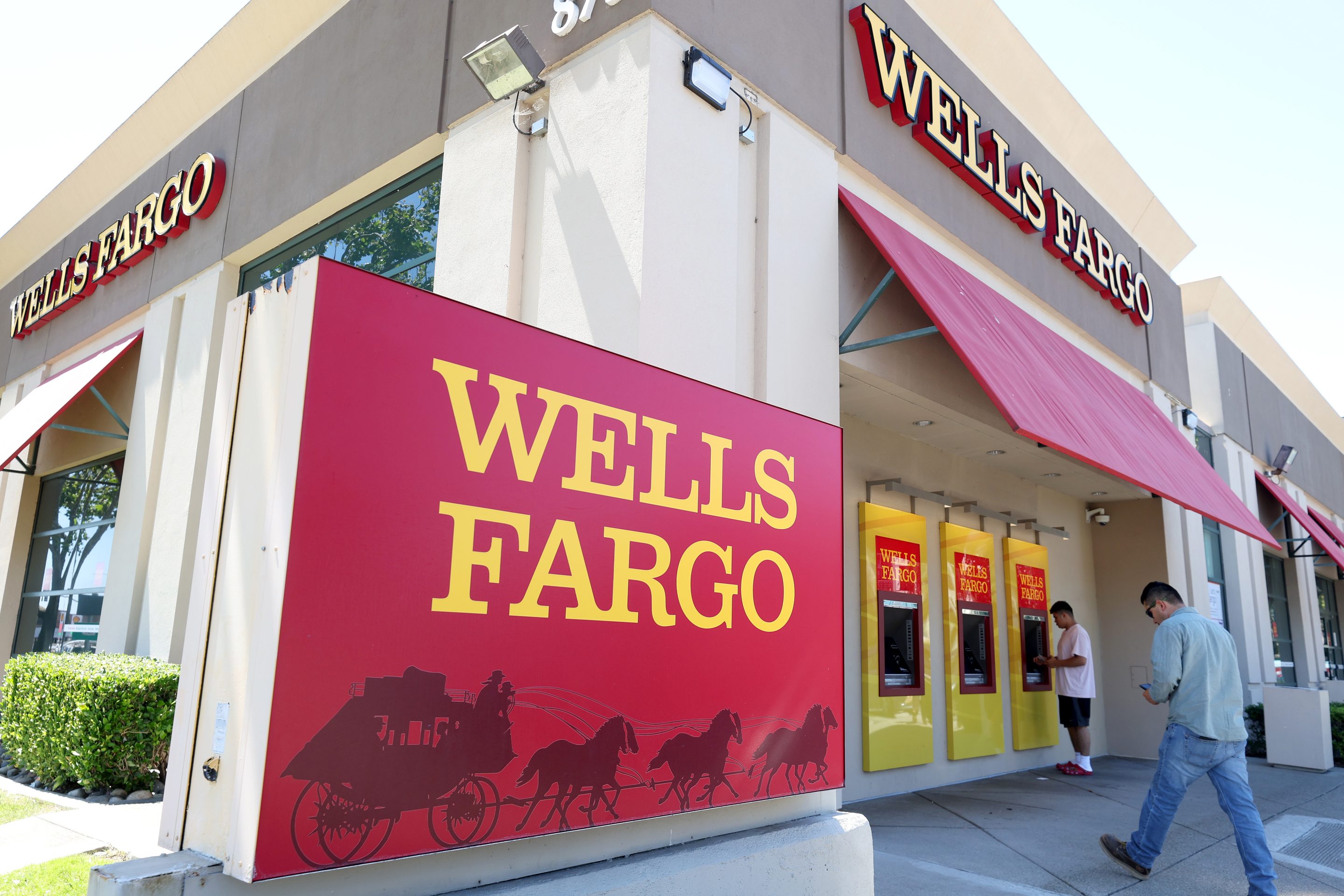
For decades, Wells Fargo cultivated an image of a community bank, a reliable partner, and a pillar of the financial system, often symbolized by its stagecoach logo representing resilience and pioneering spirit. The scandals systematically dismantled this carefully constructed identity. Customers felt betrayed, regulators imposed unprecedented sanctions, and the public conversation shifted from admiration to skepticism and outrage. The brand’s promise of being “in your corner” rang hollow against evidence of systemic wrongdoing driven by aggressive sales quotas and a culture that prioritized profit over ethical conduct.
The immediate aftermath saw a precipitous drop in customer satisfaction, a decline in new account openings, and significant reputational damage that impacted not just retail banking but also its investment and corporate divisions. Competitors seized the opportunity, and Wells Fargo found itself defensively responding to headlines rather than proactively shaping its brand narrative. Rebuilding required more than just new marketing campaigns; it demanded a fundamental shift in corporate culture and a transparent commitment to accountability and ethical practices. This journey is ongoing, with the brand still working to fully shed the shadow of its past.
Rebuilding Corporate Identity and Public Perception
The task of rebuilding Wells Fargo’s corporate identity has been monumental. It began with leadership changes, a restructuring of internal processes, and an overhaul of its incentive structures to eliminate the drivers of the previous misconduct. From a brand perspective, this translated into new messaging focused on humility, accountability, and a renewed commitment to customer-centricity. Campaigns emerged that acknowledged past failings and articulated a path forward based on integrity.
However, brand perception is not merely about what a company says, but what it does. Wells Fargo has faced the challenge of demonstrating sustained behavioral change, both internally and externally. This includes investing heavily in risk management, enhancing compliance frameworks, and making reparations to affected customers. The visual identity, while retaining the iconic stagecoach, has been subtly updated, and messaging has emphasized a “new Wells Fargo” – one that learns from its mistakes and strives to be a better financial partner. The slow, arduous process of winning back public trust is a testament to the long-term impact of brand missteps and the necessity of genuine commitment to values.
The Evolving Competitive Landscape
“Where is Wells Fargo” is also a question about its position within a financial services landscape that has undergone dramatic transformation. The banking sector today is far more diverse and competitive than it was even a decade ago, with new players and technologies constantly redefining customer expectations.
Traditional Banks and Fintech Disruptors
Wells Fargo operates in an arena populated by formidable traditional competitors like JPMorgan Chase, Bank of America, and Citibank, all of whom have robust brand presences and extensive customer bases. These rivals often benefited from Wells Fargo’s missteps, attracting disaffected customers and capturing market share. The competitive pressure from these established giants remains intense, particularly in areas like corporate banking, wealth management, and digital innovation.
Simultaneously, the rise of financial technology (Fintech) companies has introduced an entirely new class of competitors. Brands like Chime, SoFi, Robinhood, and countless others offer specialized, often digitally native, services that appeal to specific segments, particularly younger demographics. These fintechs frequently boast superior user experiences, lower fees, and innovative features, challenging traditional banks to adapt or risk obsolescence. Their agility and focus on specific customer pain points force incumbents like Wells Fargo to constantly re-evaluate their service offerings and digital strategies. The “branch-heavy” model, once a strength, now faces scrutiny in an increasingly digital-first world.
Differentiating Through Service and Values
In this crowded market, differentiation is paramount. For Wells Fargo, the path to reclaiming its brand stature lies not just in operational efficiency but in deeply embedding service excellence and ethical values into every customer interaction. The focus has shifted from aggressive sales targets to building long-term, trust-based relationships. This involves ensuring consistent, high-quality customer service across all channels – digital, branch, and phone – and making it easy for customers to manage their finances.

Furthermore, communicating a genuine commitment to social responsibility and community engagement has become crucial. Brands are increasingly judged not just on their products but on their broader impact. Wells Fargo has sought to highlight its philanthropic efforts, its support for small businesses, and its initiatives in sustainable finance as ways to demonstrate its positive contribution to society, thereby rebuilding a brand narrative centered on purpose and positive societal impact.
Strategic Rebranding and Marketing Initiatives
To answer “where is Wells Fargo” in terms of its forward trajectory, one must look at its concerted efforts to strategically rebrand and engage its audience through modern marketing. This isn’t just about new advertisements; it’s about a holistic approach to brand communication and experience.
Messaging, Campaigns, and Community Engagement
Wells Fargo’s recent marketing campaigns reflect a deliberate pivot. Gone are the days of solely emphasizing convenience or size. Current messaging often focuses on themes of listening, learning, and putting customers first. Advertisements frequently feature diverse individuals and small businesses, portraying Wells Fargo as a supportive partner in their financial journeys. The tone is often reflective, acknowledging challenges but emphasizing resilience and commitment to improvement.
Beyond mass media, community engagement remains a critical component of Wells Fargo’s brand strategy. Local branches, despite the shift to digital banking, still serve as touchpoints for community involvement, financial literacy programs, and support for local charities. These grassroots efforts are vital for rebuilding trust at a hyper-local level, allowing the brand to demonstrate its renewed commitment to the communities it serves, one interaction at a time. The aim is to move beyond mere transactions to foster genuine relationships, underscoring that the brand’s presence is not just corporate but also civic.
Digital Presence and Customer Experience as Brand Pillars
In the 21st century, a brand’s digital presence is often its primary interface with customers. For Wells Fargo, investing heavily in its digital platforms – mobile banking apps, online portals, and virtual assistance – is not just about convenience; it’s a foundational element of its brand promise. A clunky app or a frustrating online experience can instantly erode trust, regardless of offline efforts. The brand is actively enhancing its digital tools, aiming for intuitive design, robust security, and personalized experiences that rival fintech competitors.
The overall customer experience, across all channels, has been elevated to a core brand pillar. This includes streamlining processes, improving complaint resolution, and ensuring that every customer interaction reflects the brand’s stated values of integrity and service. From the ease of opening an account to the responsiveness of customer support, every touchpoint is an opportunity to reinforce the “new” Wells Fargo and demonstrate that the lessons of the past have been learned and integrated into the very fabric of the organization’s operation.
Charting the Future: Wells Fargo’s Brand Vision
So, where is Wells Fargo headed? The brand’s future hinges on its ability to move beyond recovery and establish a new, sustainable vision that resonates with contemporary values and market demands.
Innovation and Sustainability as Key Drivers
Innovation is no longer an optional add-on for a financial institution; it’s a necessity for survival and growth. Wells Fargo is investing in emerging technologies like AI for personalized financial advice, advanced analytics for better risk management, and blockchain for more efficient transactions. The goal is to innovate responsibly, offering cutting-edge solutions that enhance customer value while adhering to the highest ethical standards. This also includes adopting new financial products and services that cater to evolving consumer behaviors, such as embedded finance and instant payment solutions.
Alongside innovation, sustainability has become an increasingly important aspect of corporate branding. Wells Fargo is actively positioning itself as a leader in sustainable finance, supporting green energy projects, offering ESG-focused investment options, and committing to reducing its own environmental footprint. This aligns with a growing global consciousness and appeals to a demographic that prioritizes corporate responsibility. By integrating sustainability into its core business strategy and brand narrative, Wells Fargo aims to demonstrate foresight and a commitment to a better future, appealing to a generation of customers who expect their financial partners to be ethical and forward-thinking.
Reclaiming Leadership and Trust in a Dynamic Market
Ultimately, Wells Fargo’s journey is about reclaiming its place not just as a large bank, but as a trusted leader in the financial sector. This means consistently delivering on its promises, maintaining transparency, and proactively addressing societal needs. The “where is Wells Fargo” question will continue to be answered by its actions – by its unwavering commitment to ethical conduct, its capacity for meaningful innovation, and its ability to forge genuine, enduring relationships with its customers and communities.
The brand’s future success will not be measured solely by financial performance but by its ability to rebuild and sustain an unblemished reputation, demonstrating that the lessons of its past have truly paved the way for a more reliable, responsible, and respected institution. In a world where brand trust is increasingly scarce, Wells Fargo’s long-term viability hinges on its continuous efforts to prove its worth and truly become “in your corner” once more.
aViewFromTheCave is a participant in the Amazon Services LLC Associates Program, an affiliate advertising program designed to provide a means for sites to earn advertising fees by advertising and linking to Amazon.com. Amazon, the Amazon logo, AmazonSupply, and the AmazonSupply logo are trademarks of Amazon.com, Inc. or its affiliates. As an Amazon Associate we earn affiliate commissions from qualifying purchases.