
The simple, profound question “where is a food bank near me” resonates with an immediate human need. Historically, this query might have been answered through word-of-mouth, community directories, or local outreach efforts. In the 21st century, however, the landscape for both asking and answering this question has been irrevocably transformed by technology. Far from being a mere logistical challenge, identifying and accessing food aid has become a sophisticated interplay of digital tools, data analytics, and interconnected platforms. This evolution transcends the physical location of a food bank, delving into the very digital infrastructure that underpins modern charitable giving, distribution, and community support.
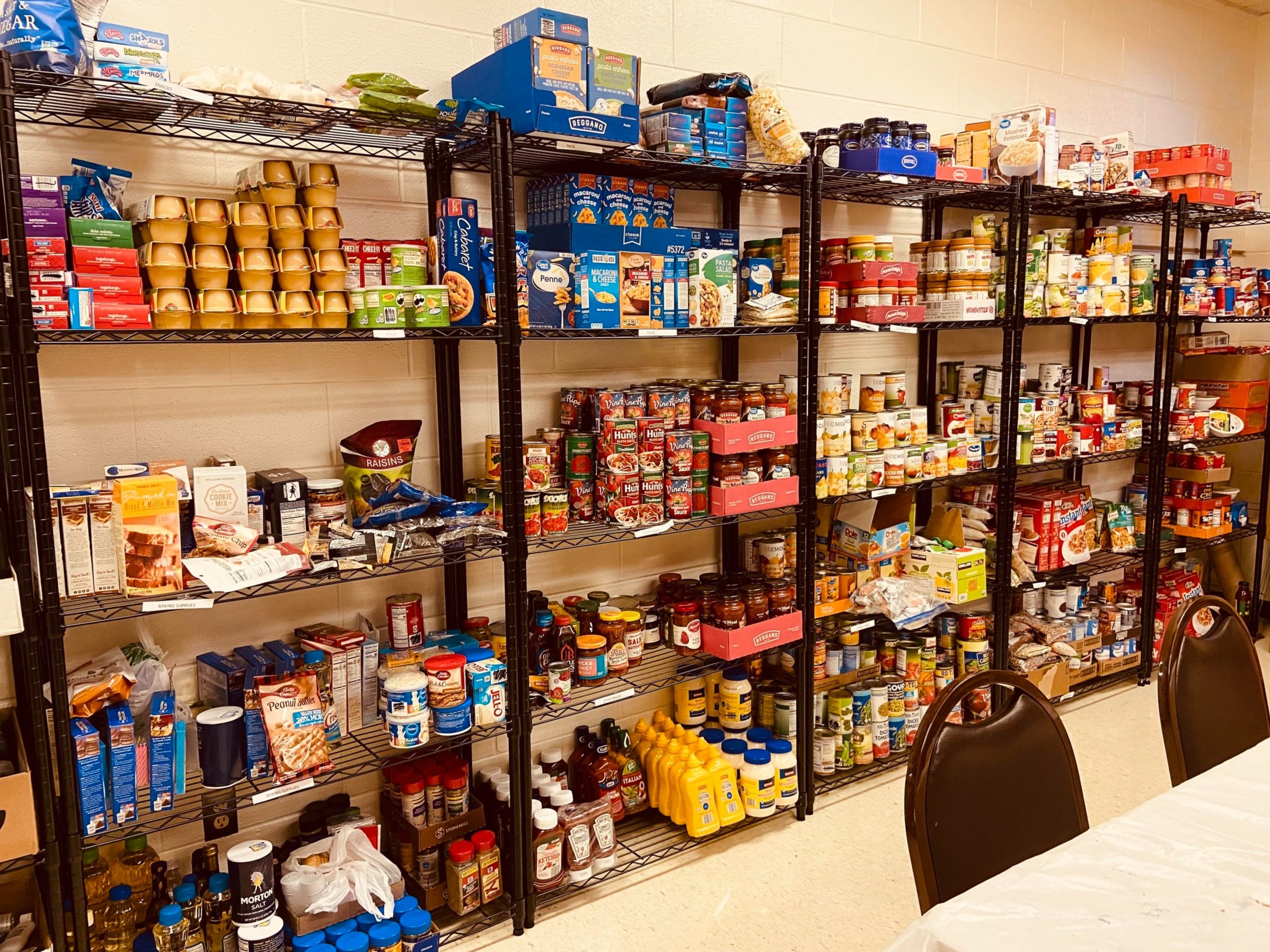
Today, the quest for food assistance, or the desire to contribute to it, is increasingly mediated by innovation. Technology doesn’t just point to a location on a map; it optimizes the supply chain, personalizes support, enhances transparency, and empowers both those seeking help and those offering it. By examining the technological layers that facilitate this crucial social service, we gain an insightful perspective into how the digital age is reshaping the fundamental human act of providing and receiving sustenance.
The Digital Compass: Leveraging Location-Based Services for Access
The most intuitive application of technology to the “where is a food bank near me” query lies in location-based services. These tools have democratized access to information, making it easier than ever for individuals to pinpoint nearby resources and for organizations to make their presence known.
Mapping Hunger: Geo-location and Mobile Apps
Modern smartphone applications and web platforms are indispensable in connecting individuals with local food banks. Tools like Google Maps, Apple Maps, and specialized charity locators leverage geo-location technology to display nearby food assistance providers in real-time. Users can quickly identify operating hours, contact information, eligibility requirements, and even real-time updates on inventory or services. Dedicated apps developed by large food aid networks, such as Feeding America or Trussel Trust in the UK, further streamline this process, often integrating additional features like eligibility screeners, volunteer sign-ups, and donation portals.
These digital tools significantly reduce the barriers to accessing help. No longer does someone need to make numerous phone calls or navigate complex government websites. A few taps on a screen can provide immediate, actionable information, fostering a sense of agency and reducing the potential for frustration or despair during a vulnerable time. Furthermore, the ability to filter results by specific needs—such as culturally appropriate foods, dietary restrictions, or services for families with children—enhances the utility and personalization of these digital compasses.
User Experience and Accessibility in Digital Search
While the mere presence of location-based services is a step forward, their true impact hinges on robust user experience (UX) design and accessibility. For those in urgent need, an intuitive, easy-to-navigate interface is paramount. This includes clear calls to action, simplified language, and visual cues that guide users seamlessly through the search process. Many platforms now offer multi-language support, recognizing the diverse linguistic landscape of communities seeking assistance.
Moreover, accessibility considerations extend beyond language. Designing for users with limited digital literacy, those with disabilities, or individuals relying on older, less powerful devices is crucial. This means optimizing websites for low-bandwidth connections, offering text-to-speech options, and ensuring compatibility with accessibility features built into operating systems. Bridging the digital divide is not just about providing technology, but ensuring it is truly usable by all who need it, regardless of their technological proficiency or socio-economic background.
Beyond the Search Bar: AI and Data Analytics in Food Distribution
The question “where is a food bank near me” is not just about finding a physical location, but about ensuring that location is adequately stocked and positioned to meet demand. This deeper challenge is increasingly addressed by sophisticated artificial intelligence (AI) and data analytics, transforming the operational backbone of food assistance.
Optimizing Logistics and Inventory Management
AI algorithms are revolutionizing the logistics and supply chain management for food banks. Predictive analytics can forecast demand patterns based on historical data, socio-economic indicators, seasonal fluctuations, and even real-time events like natural disasters or economic downturns. This allows food banks to proactively manage inventory, reducing waste by ensuring the right amount of food is available at the right time. AI-driven route optimization systems can significantly cut down on transportation costs and fuel consumption for food pickups and deliveries, making the distribution process more efficient and environmentally sustainable.
Furthermore, digital inventory management systems, often powered by AI, track every item from donation to distribution. This provides granular insight into what food is available, its expiration dates, and how it is being distributed. By minimizing spoilage and ensuring equitable allocation, these technologies maximize the impact of every donated item, answering the “where is a food bank near me” query with a promise of available resources.
Identifying and Reaching Underserved Communities
Data analytics extends beyond internal logistics to identify broader community needs. By analyzing demographic data, poverty rates, health indicators, and geographic information, organizations can map areas of high food insecurity that might not be adequately served by existing food bank locations. This data-driven approach allows for strategic planning of new distribution points, mobile pantry routes, or targeted outreach campaigns.
AI tools can also help personalize outreach. Instead of a one-size-fits-all approach, data can inform communication strategies, identifying preferred channels (SMS, email, community portals) and tailoring messages to resonate with specific demographics. This proactive identification and personalized engagement ensure that the message “a food bank is near you” reaches those who need it most, even if they aren’t actively searching.
Connecting Communities: Platform Economy and Online Donation Ecosystems
The spirit of “where is a food bank near me” also implies a desire to contribute, to be part of the solution. The digital age has fostered a robust platform economy around charitable giving and volunteerism, making it easier than ever for communities to connect and support food banks.
The Rise of Digital Philanthropy Platforms

Online donation platforms have become the lifeblood for many food banks, offering convenient and secure ways for individuals and corporations to contribute financially. Websites and apps dedicated to charity, often featuring seamless integration with payment gateways, allow for one-time donations, recurring contributions, and targeted campaigns (e.g., “fund a holiday meal”). These platforms amplify fundraising efforts, reaching a global audience far beyond a local community’s immediate reach.
Beyond monetary donations, digital platforms facilitate in-kind giving. Apps and websites connect restaurants, grocery stores, and caterers with surplus food to local food banks, preventing waste and increasing the supply of fresh items. This “sharing economy” model for surplus food is a testament to how technology can bridge gaps and create efficient networks for resource reallocation.
Streamlining Volunteer and Resource Management
Food banks are heavily reliant on volunteer power. Technology provides the infrastructure to manage this crucial workforce efficiently. Online volunteer portals allow individuals to sign up for shifts, specify their skills (e.g., driving, sorting, administrative tasks), and receive automated reminders. This centralized system reduces administrative overhead for food bank staff, allowing them to focus more on core services.
Furthermore, technology facilitates resource sharing and collaboration among different food banks and partner organizations. Digital networks allow for the coordination of large-scale food drives, sharing of best practices, and even collective purchasing power for essentials. This interconnected ecosystem strengthens the entire food assistance network, ensuring that the answer to “where is a food bank near me” is always accompanied by a robust support system.
Securing the Supply Chain: Digital Security and Transparency in Charitable Tech
As food banks increasingly rely on digital tools, the integrity and security of their operations become paramount. The question “where is a food bank near me” implies trust—trust that donations are used effectively, and trust that personal data is protected. Technology plays a critical role in building and maintaining this trust.
Protecting Sensitive Data and Ensuring Trust
Food banks collect a variety of sensitive data, from donor financial information to beneficiary demographics and dietary needs. Robust cybersecurity measures are essential to protect this information from breaches, fraud, and misuse. This includes encrypted donation portals, secure cloud storage for client data, and strict adherence to data protection regulations like GDPR and HIPAA (where applicable for health-related data).
Maintaining donor trust is crucial for sustained funding. Transparency in how funds are used, the impact of donations, and the overall operational efficiency of the food bank can be digitally communicated through annual reports, impact dashboards, and real-time updates accessible on secure websites. This digital accountability fosters confidence and encourages continued support, ensuring that the infrastructure enabling “where is a food bank near me” remains financially viable.
Blockchain for Accountability and Traceability
Emerging technologies like blockchain offer revolutionary potential for enhancing transparency and traceability within the charitable sector. Blockchain’s immutable ledger can track every donation, from its origin (e.g., a donor’s bank account, a specific farm’s produce) to its final recipient. This level of granular traceability can provide unprecedented accountability, showing exactly how funds are utilized and where food items end up.
For food products, blockchain can verify the authenticity and safety of donations, tracking them through the entire supply chain. This not only builds trust but also enhances food safety protocols, ensuring that individuals receive safe, high-quality assistance. While still in nascent stages for many charities, the application of blockchain technology promises a future where the question “where is my donation going?” can be answered with absolute clarity.
The Future of Food Aid: Emerging Technologies and Sustainable Solutions
The digital transformation of food aid is an ongoing journey. The question “where is a food bank near me” will continue to evolve, and with it, the technological solutions designed to address it. Emerging technologies promise even more innovative and sustainable approaches to combating food insecurity.
IoT and Smart Warehousing
The Internet of Things (IoT) is poised to further optimize food bank operations. IoT sensors can monitor warehouse conditions, tracking temperature, humidity, and even the fill levels of bins in real-time. This data can prevent spoilage, optimize storage space, and automate reorder processes, creating “smart warehouses” that operate with minimal human intervention and maximum efficiency. Connected inventory systems can provide real-time updates on what specific items are available, making distribution decisions more informed and timely.
Such smart systems move beyond simply knowing “where” a food bank is, to knowing precisely “what” it has and “how much,” ensuring resources are maximized.
Innovative Delivery Mechanisms and Personalized Support
Looking ahead, the response to “where is a food bank near me” might involve increasingly innovative delivery mechanisms. Drone technology could be deployed to deliver food parcels to remote or disaster-stricken areas, overcoming geographical barriers that traditional logistics struggle with. Autonomous vehicles could handle local deliveries, reducing labor costs and increasing efficiency for last-mile distribution.
Furthermore, AI-driven personalized support systems could offer a more tailored experience for beneficiaries. Beyond basic food provisions, these systems could suggest culturally appropriate recipes, provide nutritional education, or connect individuals with other vital social services based on their specific needs and preferences. This holistic approach ensures that food aid is not just about sustenance, but about empowerment and long-term well-being.
In conclusion, the simple question “where is a food bank near me” has catalyzed an extraordinary wave of technological innovation across the charitable sector. From the immediate utility of location-based services to the sophisticated analytics driving logistics, the interconnected platforms fostering community engagement, and the cutting-edge solutions ensuring security and sustainability, technology is relentlessly reshaping how we understand, address, and ultimately overcome food insecurity. As these digital advancements continue to evolve, they underscore a future where access to essential services is more equitable, efficient, and ultimately, more human-centered.
aViewFromTheCave is a participant in the Amazon Services LLC Associates Program, an affiliate advertising program designed to provide a means for sites to earn advertising fees by advertising and linking to Amazon.com. Amazon, the Amazon logo, AmazonSupply, and the AmazonSupply logo are trademarks of Amazon.com, Inc. or its affiliates. As an Amazon Associate we earn affiliate commissions from qualifying purchases.