
In an increasingly interconnected world, the desire to contribute positively to society often begins with a simple, heartfelt question: “Where can I donate canned food?” While the act of giving has remained constant, the methods of facilitating it have undergone a profound transformation, thanks to advancements in technology. What once required extensive local research or word-of-mouth now benefits from sophisticated digital tools, mobile applications, and data-driven platforms that connect donors with those in need more efficiently and transparently than ever before.
This article delves into the technological landscape that empowers individuals and communities to make impactful canned food donations. We’ll explore how modern tech solutions streamline the process of identifying legitimate donation points, understanding specific needs, and ensuring your generosity reaches its intended recipients, fostering a more connected and compassionate society through the power of digital innovation.
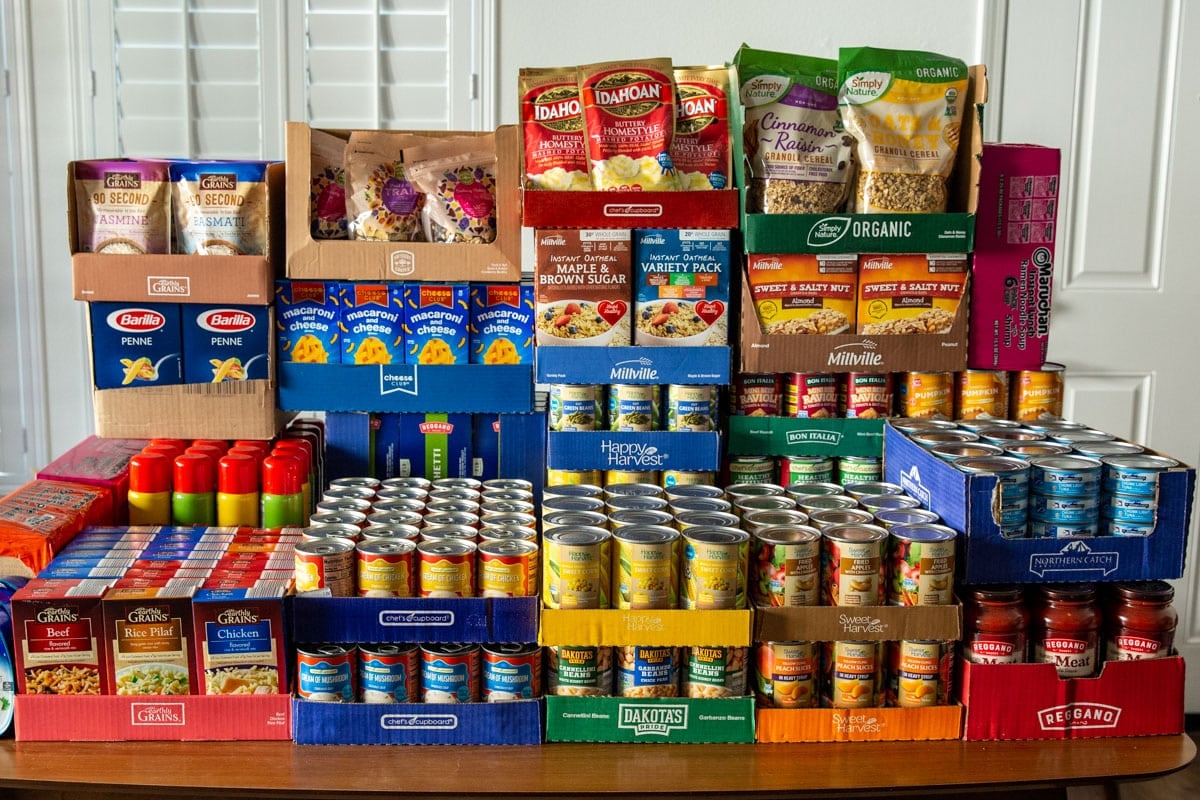
The Digital Landscape of Food Donation: Finding Your Local Lifeline
The initial step in any charitable endeavor is often finding the “where” and “how.” In the context of canned food donations, technology has revolutionized this search, transforming what used to be a scavenger hunt into a streamlined, accessible process. From powerful search engines to dedicated online directories, a wealth of digital resources now stands ready to guide your charitable efforts.
Harnessing Online Search Engines and Mapping Services
The most fundamental technological tools for finding donation points are readily available to anyone with internet access: online search engines and mapping services.
-
Google Search Strategies: A simple, well-crafted search query can yield a surprising amount of information. Phrases like “food bank near me,” “canned food donation points [your city/state],” or “charities accepting food donations [your zip code]” are excellent starting points. Modern search algorithms are adept at prioritizing local results, often presenting direct links to local food banks, pantries, and community centers. Beyond initial results, delve into the “News” or “Events” tabs, which might highlight upcoming food drives or seasonal collection points organized by local schools, churches, or community groups.
-
Google Maps and Other Mapping Tools: Once you have a potential list of organizations, mapping services like Google Maps, Apple Maps, or Waze become invaluable. Entering the name of a food bank or charity will not only provide its precise location but also essential operational details. You can instantly view opening hours, contact phone numbers, website links, and even user reviews or photos, which can offer insights into the facility and its accessibility. Crucially, these services also provide real-time directions, traffic updates, and estimated travel times, allowing you to plan your donation trip efficiently, saving both time and fuel. Many also allow for filtering by categories, making it easier to pinpoint specific types of charitable organizations.
-
Filtering Options for Specific Donation Types: Advanced search capabilities within mapping applications and search engines allow users to refine their queries. For instance, some platforms might enable filters for “food pantry,” “homeless shelter,” or “community kitchen,” helping you target organizations that specifically manage food distribution. This precision ensures that your canned goods align with the operational model of the receiving charity.
Dedicated Charity and Food Bank Websites
Beyond general search tools, specialized online platforms and the websites of individual organizations provide a more focused and detailed approach to food donation. These digital hubs are often the most reliable source of up-to-date information.
-
National Directories and Networks: Organizations like Feeding America (US), The Trussell Trust (UK), or Food Banks Canada operate extensive online networks. Their websites feature interactive tools where you can input your zip code or postal code to find the nearest affiliated food bank or pantry. These national bodies often provide standardized guidelines and best practices, ensuring a consistent and reliable donation experience across their network. Their digital presence acts as a critical intermediary, connecting individual donors with a vast ecosystem of local needs.
-
Local Food Bank Websites for Specific Needs and Guidelines: Once you’ve identified a local food bank, visiting its direct website is imperative. These sites are dynamic digital platforms that frequently update their “wish lists” or “most needed items.” This real-time information is crucial, as specific canned goods might be in higher demand at certain times (e.g., canned meats or vegetables during holiday seasons, or specific baby formulas). Websites also detail preferred drop-off times, specific entrance instructions for donations, and crucial guidelines regarding item condition (e.g., no expired goods, no opened packages, specific labeling requirements), all of which can be quickly accessed digitally before you even leave your home.
-
Online Forms for Organizing Larger Donations or Pickups: For businesses, community groups, or individuals with substantial donations, many food banks offer online forms or dedicated sections on their websites to facilitate larger contributions. These digital portals often allow you to schedule a pickup, describe the volume and type of goods, and coordinate logistics with the food bank’s operations team. This tech-enabled coordination vastly simplifies the process for bulk donors, ensuring smooth collection and efficient integration into the food bank’s inventory.
Mobile Applications: Your Pocket Guide to Giving
In an era dominated by smartphones, it’s no surprise that mobile applications have emerged as powerful tools for charitable giving, making the act of donating canned food more accessible and immediate than ever before. These apps leverage the ubiquity of mobile technology to connect donors directly with needs, often with real-time updates and localized precision.
Specialized Donation Apps
A growing number of mobile applications are specifically designed to facilitate various forms of charitable donations, including food. These apps often go beyond simple location services, offering a richer, more interactive experience.
-
Exploring Apps Designed to Connect Donors with Charities: Apps like Food Rescue US, Olio, or Karma (though some are more focused on prepared food rescue from businesses, the underlying tech can apply to canned goods) exemplify this trend. They allow users to list items they wish to donate or browse through local charities’ current needs. Some platforms provide “matchmaking” services, connecting you with the nearest organization that specifically requires your type of donation. Features often include GPS-enabled location services to find the closest drop-off points, wish lists updated in real-time by charities, and even options to schedule a pickup if the donation is substantial or perishable.
-
Features: Real-time Needs, Wish Lists, Nearest Drop-off Points, Scheduling: The strength of these apps lies in their dynamic data. Instead of static information, you might find daily or hourly updates on what food banks desperately need, helping you tailor your donation for maximum impact. Push notifications can alert you to urgent local appeals. The integration of mapping and scheduling functions within a single interface significantly reduces friction in the donation process, empowering users to act quickly and efficiently. Some apps even offer gamification features, allowing users to track their donations over time or see their collective impact, fostering continued engagement.
Community and Social Media Platforms
While not always dedicated donation apps, widely used community and social media platforms have become de facto digital town squares for coordinating local charitable efforts.
-
Facebook Groups, Nextdoor, Local Community Forums: These platforms are goldmines for discovering localized donation opportunities. Many neighborhoods have dedicated Facebook groups or active Nextdoor communities where residents and local organizations post about upcoming food drives, specific requests from struggling families, or collection points for larger community initiatives. These platforms facilitate peer-to-peer communication, often leading to quicker and more targeted donations within a smaller geographical area. Searching for “[your town] food drive” or “[your neighborhood] giving” can often yield immediate results.
-
Utilizing Social Media for Direct Appeals from Local Groups: Local schools, religious institutions, non-profits, and grassroots organizations frequently use their social media pages (Facebook, Instagram, Twitter) to announce food drives, share their most pressing needs, and provide clear instructions for donation. Following these local entities allows you to stay informed about ongoing opportunities without actively searching, providing a passive yet effective way to discover where your canned goods can make a difference.
-
Event-Based Apps for Finding Local Food Drives: Platforms like Eventbrite or local community calendars often list charity events, including food drives. These digital calendars allow you to filter by location, date, and event type, helping you discover structured donation opportunities that might align with your schedule. Many events even offer digital sign-ups or RSVPs, providing event organizers with an estimate of participation and potential donations.
Smart Donation Solutions and Future Trends

The intersection of technology and philanthropy is constantly evolving, with innovations pushing the boundaries of how we connect donors with needs. Beyond current applications, the future of canned food donation promises even greater efficiency and impact through smart solutions and data-driven approaches.
Tech-Enabled Donation Points
While still nascent for public canned food donations, the concept of smart donation points holds significant potential for transforming collection and inventory management.
-
Exploring Concepts like Smart Bins: Imagine public donation bins equipped with sensors that can detect volume, categorize items, or even communicate inventory levels to a central system. While common for clothing or recycling, applying this to canned goods could allow food banks to monitor incoming donations in real-time, anticipate shortages, and optimize collection routes. RFID (Radio-Frequency Identification) tags on donated items, for instance, could provide granular data on stock levels and expiry dates.
-
Digital Kiosks in Supermarkets or Public Spaces: Envision interactive digital kiosks placed in high-traffic areas like grocery stores. These kiosks could display a food bank’s real-time “most needed” list, allow donors to scan items they wish to donate, and perhaps even offer digital receipts for tax purposes. Such kiosks could streamline the drop-off process and make giving an integrated part of the shopping experience, driven by up-to-the-minute data on local needs.
-
The Role of IoT in Supply Chain Management for Food Banks: The Internet of Things (IoT) can significantly enhance the operational efficiency of food banks. From smart warehousing solutions that track inventory and manage cold chains (for perishable goods, but the principle applies) to GPS-enabled delivery vehicles that optimize distribution routes, IoT technologies can minimize waste, reduce logistical costs, and ensure that donated food reaches beneficiaries swiftly and efficiently.
Data-Driven Approaches to Matching Needs with Donations
The true power of future tech-enabled donation lies in sophisticated data analytics and artificial intelligence, transforming how needs are identified and met.
-
How Food Banks Use Data Analytics to Identify High-Demand Items: Food banks are increasingly leveraging data analytics to understand consumption patterns, demographic needs, and seasonal fluctuations in demand. By analyzing past distribution records, poverty data, and community demographics, they can create precise “wish lists” of items most needed, rather than relying on generic requests. This data is then communicated digitally through websites and apps, guiding donors to provide the most impactful items.
-
The Potential for AI to Optimize Donation Logistics and Distribution: Artificial intelligence algorithms can take data analysis a step further, predicting future needs based on various socio-economic indicators and historical trends. AI can also optimize logistical challenges, such as determining the most efficient routes for food pickups and deliveries, managing volunteer schedules, and allocating resources based on real-time inventory and demand. This predictive and prescriptive power of AI can drastically improve the responsiveness and effectiveness of food aid.
Verifying Legitimacy Through Digital Tools
In an age of digital information, ensuring that your charitable contributions reach reputable organizations is paramount. Technology provides the means to conduct due diligence quickly and effectively.
-
Using Charity Watchdog Websites for Due Diligence: Before donating, especially to lesser-known organizations, leverage digital platforms like Charity Navigator, GuideStar, or CharityWatch. These websites provide comprehensive reports on charities, including their financial health, transparency, accountability, and programmatic efficiency. They use publicly available data to rate charities, giving donors peace of mind that their contributions are going to well-managed and legitimate causes.
-
Checking Charity Registrations Online: Most governmental bodies maintain online registries of licensed charities and non-profits. In the US, the IRS maintains a searchable database of tax-exempt organizations (Form 990 filings). By cross-referencing an organization’s name with these official digital databases, you can confirm its legitimate non-profit status and eligibility for tax-deductible donations.
Best Practices for Tech-Savvy Donors
Leveraging technology effectively means more than just finding a location; it involves a strategic approach to ensure your donation is as impactful and seamless as possible. Being a tech-savvy donor means utilizing digital tools for preparation, engagement, and verification throughout the giving process.
Before You Go: Digital Prep
The convenience of digital information means you can gather all necessary details before you even leave your home, avoiding wasted trips or unsuitable donations.
-
Confirming Hours and Specific Item Needs via Websites or Apps: Always make a quick digital check of a food bank’s website or app right before your intended visit. Operating hours can change due to holidays, staff shortages, or special events. More importantly, verify their current “most wanted” list. Donating items they don’t currently need, or items they cannot accept (e.g., expired goods), can create additional work for volunteers, diverting resources. Digital wish lists, often updated daily, are your best guide.
-
Checking for Specific Guidelines (No Expired Food, Specific Packaging): Food banks have strict guidelines for health and safety. Their websites invariably detail these requirements: non-expired items are universal, but some may also specify packaging types (e.g., no glass jars due to breakage risk) or refuse homemade goods. Adhering to these digitally communicated guidelines ensures your donation is immediately usable and safe for recipients.
-
Using Contact Forms or Direct Messaging for Questions: If you have unique donation circumstances (e.g., a very large quantity, specific dietary items, or items not typically accepted), don’t hesitate to use the digital contact forms on websites or direct messaging features on social media. This allows you to get specific answers without tying up phone lines, and ensures you’re making an appropriate donation.
Post-Donation Engagement
Your interaction with the charity doesn’t have to end at the drop-off point. Technology facilitates ongoing engagement, fostering a deeper connection with the cause.
-
Signing Up for Newsletters (Digital Updates) to Stay Informed about Ongoing Needs: Many food banks offer digital newsletters. Signing up for these provides you with regular updates on their impact, current challenges, success stories, and, crucially, their evolving needs. This keeps you engaged and informed, allowing you to tailor future donations based on real-time information rather than assumptions.
-
Sharing Your Experience on Social Media to Encourage Others: After a positive donation experience, consider sharing it on your social media channels. A brief post detailing where you donated, what they needed, and the ease of the process can inspire friends and family to also contribute. Tagging the organization can amplify their message and reach, leveraging your digital network for greater good.
-
Utilizing Donor Portals for Tracking and Receipts (if Available): For larger or regular donors, some charities offer secure online donor portals. These digital dashboards allow you to track your donation history, access tax receipts (which are essential for financial planning), and sometimes even see how your contributions are being utilized. This level of digital transparency builds trust and fosters long-term donor relationships.

Conclusion
The question “Where can I donate canned food?” is no longer a logistical puzzle but an invitation to engage with a sophisticated digital ecosystem of charitable giving. Technology has transformed the landscape of philanthropy, providing accessible tools, real-time information, and streamlined processes that empower individuals to make a tangible difference.
From the ubiquitous search engines and mapping services that pinpoint local food banks, to specialized mobile apps that connect donors with urgent needs, and the burgeoning potential of smart donation points and AI-driven logistics, the digital realm has become an indispensable ally in the fight against food insecurity. By embracing these technological advancements, donors can ensure their generosity is not only well-placed but also highly impactful, contributing to a more efficient, transparent, and ultimately, more compassionate world. As you prepare your next canned food donation, remember the power of your digital device in making that act of kindness easier and more effective than ever before.
aViewFromTheCave is a participant in the Amazon Services LLC Associates Program, an affiliate advertising program designed to provide a means for sites to earn advertising fees by advertising and linking to Amazon.com. Amazon, the Amazon logo, AmazonSupply, and the AmazonSupply logo are trademarks of Amazon.com, Inc. or its affiliates. As an Amazon Associate we earn affiliate commissions from qualifying purchases.