
The official corporate headquarters of U.S. Bank is located at 800 Nicollet Mall, Minneapolis, Minnesota 55402. This address represents the central nervous system for one of the largest and most influential financial institutions in the United States, serving as the primary hub for its executive leadership, strategic decision-making, and critical corporate functions that underpin its extensive financial operations.
The Corporate Nexus: U.S. Bank’s Minneapolis Home
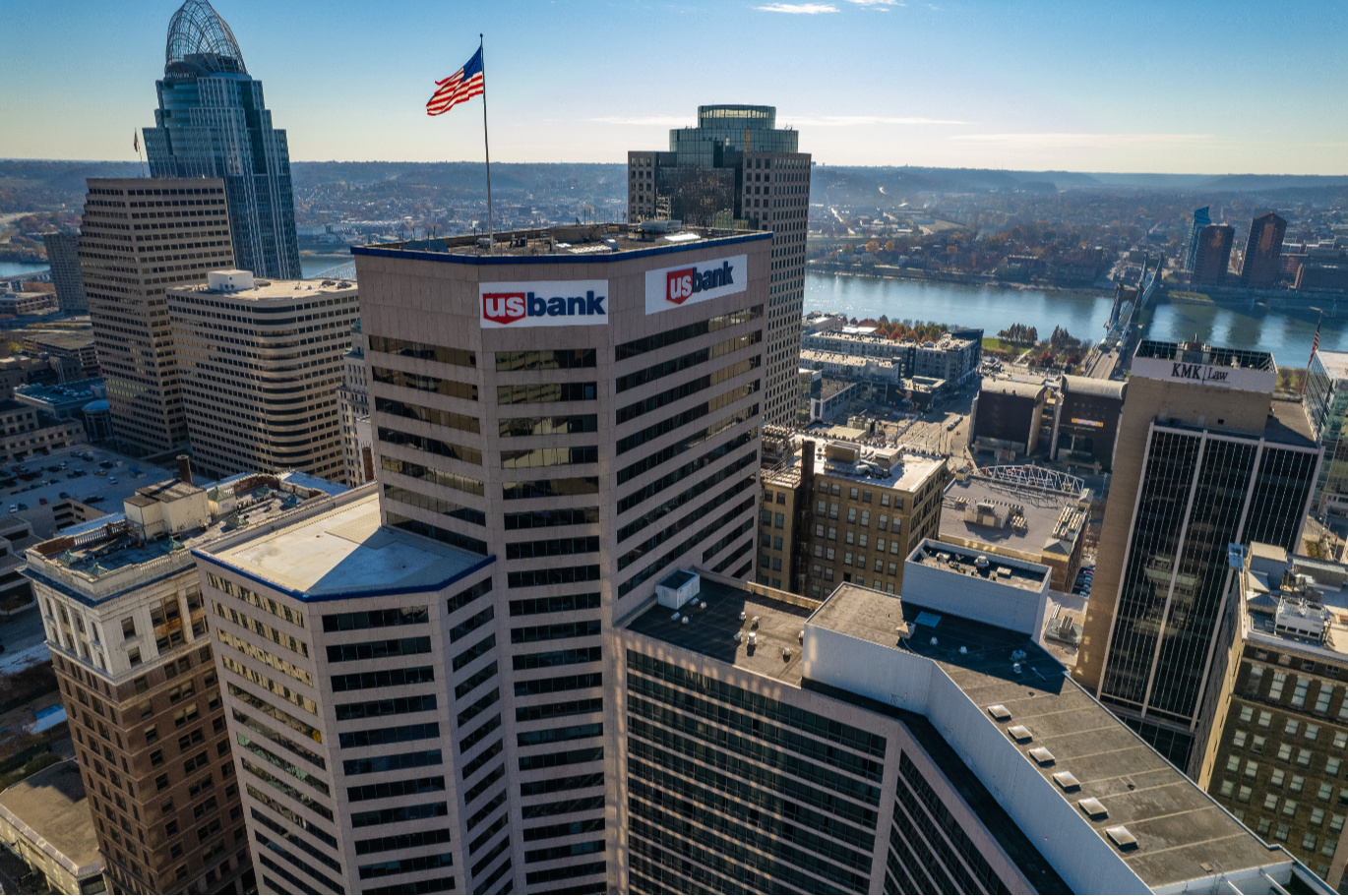
Minneapolis, Minnesota, has long been a significant center for financial services, and U.S. Bank’s headquarters at Nicollet Mall stands as a testament to this legacy. The choice of location for a financial institution’s headquarters is far from arbitrary; it reflects historical ties, access to talent, regulatory environments, and a strategic positioning within the broader economic landscape. For U.S. Bank, the Minneapolis location is deeply rooted in its corporate history and evolution, providing a stable and robust environment for its vast network of banking services.
Minneapolis: A Hub for Financial Services
The city of Minneapolis has cultivated a strong ecosystem for financial services, attracting and retaining a skilled workforce, fostering innovation, and providing a stable regulatory and business climate. This environment is crucial for a bank of U.S. Bank’s scale, which requires consistent access to top-tier financial professionals, legal expertise, and technological infrastructure to manage its multi-faceted operations. The presence of U.S. Bank’s headquarters significantly contributes to the economic vitality of Minneapolis, creating thousands of jobs and serving as an anchor for the city’s commercial and financial districts. Beyond direct employment, the bank’s operations generate substantial tax revenue and stimulate local businesses, reinforcing the cyclical relationship between a major corporation and its home city.
The Significance of a Physical Headquarters
While much of modern finance operates digitally, the physical headquarters of a major bank like U.S. Bank retains profound significance, particularly in the realm of business finance and corporate governance. It is here that the executive management team convenes to chart the company’s financial strategy, allocate capital, assess risks, and make high-level decisions that reverberate across its national and international operations. From a business finance perspective, the headquarters is the registered legal address for corporate filings, regulatory compliance, and investor relations. It is the official point of contact for shareholders, government agencies, and major business partners, ensuring transparency and accountability in its financial dealings. For institutional investors and financial analysts, understanding the location and operational framework of a bank’s headquarters is part of comprehensive due diligence, offering insights into its corporate stability and strategic direction.
U.S. Bank: A Pillar in the Financial Landscape
U.S. Bank, legally known as U.S. Bancorp, holds a prominent position within the American financial services industry. It consistently ranks among the largest commercial banks in the United States by assets, serving millions of customers, from individuals and small businesses to large corporations and government entities. Its headquarters in Minneapolis oversees an expansive network that provides a diverse array of financial products and services, making it a critical player in both personal and business finance.
A Brief History and Evolution
The roots of U.S. Bank stretch back to 1863 with the founding of the First National Bank of Minneapolis. Through a series of mergers and acquisitions over more than a century, U.S. Bancorp has grown into the financial behemoth it is today, culminating in its present structure. This history of strategic growth and consolidation, managed from its central headquarters, highlights a core aspect of business finance: the careful acquisition and integration of assets to expand market share and diversify revenue streams. Each merger required meticulous financial planning, valuation, and regulatory navigation, all coordinated and approved at the highest corporate levels residing within the headquarters. The evolution of U.S. Bank reflects the dynamic nature of the financial industry, where strategic foresight and adaptability are paramount for sustained growth and profitability.
Core Services and Market Presence
U.S. Bank’s market presence is broad and diversified, offering a comprehensive suite of financial services. These include retail banking (checking, savings, loans, mortgages), wealth management, trust and investment services, corporate and commercial banking, payment services, and treasury management. Each of these service lines represents a distinct facet of the “Money” category. For individuals, U.S. Bank provides the financial tools necessary for personal finance management, from budgeting and saving to investing and homeownership. For businesses, it offers critical financing solutions, cash flow management tools, and advisory services that are vital for operational efficiency and growth. The strategic direction and oversight for all these diverse offerings emanate from the Minneapolis headquarters, ensuring consistency in service delivery, adherence to financial regulations, and alignment with the bank’s overall corporate objectives and risk appetite.
Strategic Finance and Operational Command
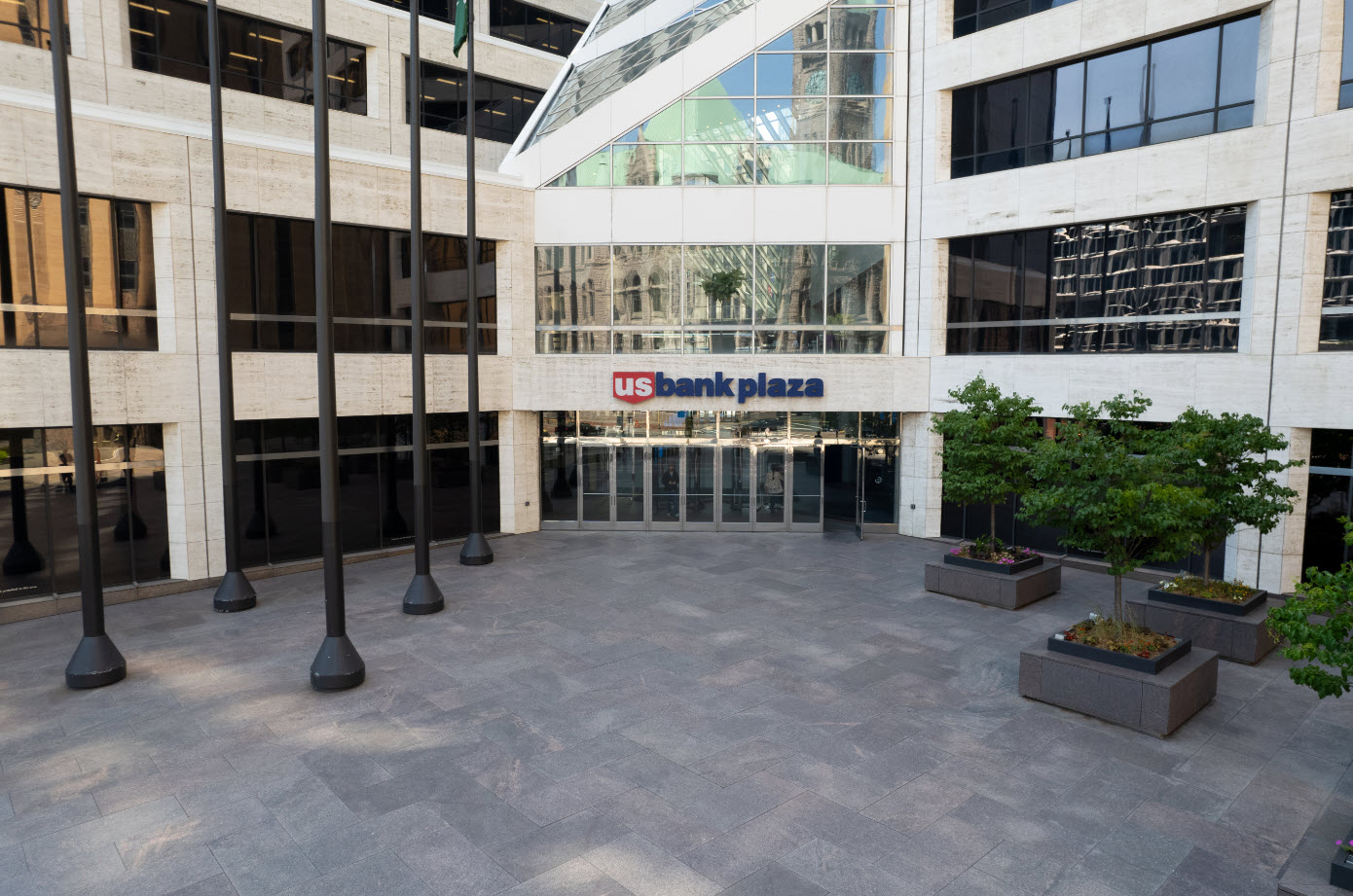
The headquarters at 800 Nicollet Mall is not merely an administrative office; it is the strategic control center for U.S. Bank’s vast financial empire. Decisions made here regarding capital allocation, risk management frameworks, technological investments, and market expansion directly impact the bank’s financial performance and its ability to serve its clientele effectively.
Corporate Operations and Strategic Decision-Making
At the heart of the headquarters’ function is the orchestration of corporate operations and the formulation of strategic financial decisions. This includes setting the bank’s overall budget, managing its substantial balance sheet, and overseeing its investment portfolios. Crucially, the headquarters is responsible for developing and implementing sophisticated risk management strategies—a cornerstone of sound business finance—to safeguard the bank and its customers against financial volatility, cyber threats, and credit defaults. It is also the hub for directing technological innovations and digital transformation initiatives that aim to enhance the bank’s financial tools and services, making them more accessible and efficient for customers. While the execution of these initiatives might occur across various departments and branches, the strategic planning, funding, and oversight all originate from the central corporate command.
Investor Relations and Corporate Governance
For a publicly traded company like U.S. Bancorp, the headquarters plays a vital role in investor relations and maintaining robust corporate governance. It is the designated location for maintaining official corporate records, facilitating shareholder meetings, and coordinating the preparation of financial reports and filings with regulatory bodies such as the Securities and Exchange Commission (SEC). The transparency and accuracy of these financial disclosures are critical for investor confidence and market stability. From an investment perspective, the stability and strategic clarity originating from the headquarters are key factors for analysts and investors evaluating U.S. Bancorp’s stock and long-term viability. The headquarters symbolizes the corporate identity and financial integrity of the institution, providing a physical focal point for all governance-related activities.
Economic Footprint and Stakeholder Value
U.S. Bank’s headquarters in Minneapolis represents more than just a corporate address; it signifies a substantial economic footprint and a commitment to creating stakeholder value beyond mere financial transactions. The strategic direction originating from this location drives not only the bank’s profitability but also its broader societal impact.
Economic Contributions and Community Engagement
As a major employer and corporate citizen, U.S. Bank’s headquarters directly influences the economic health of its home region and, by extension, the national economy. The bank’s operations generate substantial economic activity, supporting numerous ancillary businesses and contributing to the local tax base. Furthermore, from its headquarters, U.S. Bank directs extensive community engagement and corporate social responsibility (CSR) initiatives. These programs often focus on financial literacy, affordable housing, small business development, and environmental sustainability—all directly impacting the financial well-being of the communities it serves. These initiatives, while not directly profit-generating, build long-term brand equity, foster trust, and contribute to a stable economic environment, which in turn supports the bank’s own sustained financial growth. They represent an investment in social capital that ultimately underpins broader financial stability.
Maximizing Shareholder Value through Strategic Planning
Ultimately, the activities coordinated from U.S. Bank’s headquarters are geared towards maximizing long-term shareholder value. This is achieved through careful financial planning, strategic investments, efficient risk management, and responsible corporate governance. The executive team, based at the headquarters, continually assesses market conditions, identifies growth opportunities, and optimizes the bank’s capital structure to deliver consistent returns to investors. Understanding where these critical decisions are made provides a crucial piece of insight for anyone interested in the financial performance and strategic direction of U.S. Bank as an investment vehicle or a major player in the financial markets. The headquarters is the physical manifestation of the strategic intelligence that guides billions of dollars in assets and thousands of employees, making its address central to understanding the very core of this financial giant.
Engaging with U.S. Bank: Practical Financial Considerations
While the headquarters is the nexus of U.S. Bank’s corporate operations, for most customers and even many business partners, direct interaction with 800 Nicollet Mall is rare. However, understanding its role is crucial for grasping the bank’s overall structure and its impact on the financial services ecosystem.
Customer Support and Branch Network
For day-to-day banking needs, customers typically interact with U.S. Bank through its extensive network of retail branches, its robust online banking platform, or its mobile application. These customer-facing channels are where individuals and businesses access financial tools like checking accounts, savings products, loan applications, and wealth management advice. While the strategies for these services are formulated at the headquarters, the local branches and digital platforms are the primary points of engagement. It’s important for financial users to distinguish between the corporate headquarters, which handles high-level corporate and strategic functions, and the operational points of contact for service delivery.

Official Communications and Legal Matters
The headquarters address becomes particularly relevant for official corporate communications, legal correspondence, and specific investor inquiries. Shareholders seeking to communicate formally with the board of directors, businesses engaged in high-level partnerships, or legal entities serving official documents would utilize the 800 Nicollet Mall address. For those involved in business finance, understanding this official corporate address is fundamental for due diligence, compliance, and establishing formal relationships with the institution. It underscores the importance of a clear, central corporate identity for a financial entity of U.S. Bank’s magnitude, serving as the official face and legal anchor of its vast financial enterprise.
aViewFromTheCave is a participant in the Amazon Services LLC Associates Program, an affiliate advertising program designed to provide a means for sites to earn advertising fees by advertising and linking to Amazon.com. Amazon, the Amazon logo, AmazonSupply, and the AmazonSupply logo are trademarks of Amazon.com, Inc. or its affiliates. As an Amazon Associate we earn affiliate commissions from qualifying purchases.