
In the intricate world of personal finance and banking, a routing number serves as a critical identifier, ensuring that money moves accurately and securely between financial institutions. For customers of Bank of America, understanding what a routing number is, where to find it, and why it’s essential is fundamental to managing their financial lives effectively. This unique nine-digit code is the backbone of countless financial transactions, from direct deposits to bill payments, making it a cornerstone financial tool.
Understanding Routing Numbers: The Backbone of Financial Transactions
A routing number, also known as an ABA (American Bankers Association) routing transit number, is a nine-digit code that identifies the specific financial institution where a payment originates or is destined. Established in 1910 by the ABA, these numbers were initially designed to facilitate the sorting and delivery of paper checks. Today, they are indispensable for electronic funds transfers (EFTs), including automated clearing house (ACH) transactions and wire transfers, operating as digital postal codes for the banking system.
Every bank, credit union, and financial institution operating within the United States has at least one routing number. Larger banks like Bank of America, with their extensive geographical presence and diverse service offerings, often utilize multiple routing numbers. This multiplicity is not arbitrary; it typically corresponds to different regions of the country, types of transactions, or specific bank divisions. The primary purpose remains consistent: to ensure that when you send money or receive it, the funds are routed to the correct bank, preventing errors and delays in critical financial operations. Without a correct routing number, transactions cannot be processed, highlighting its absolute necessity in modern banking. It acts as the initial filter, directing funds to the right financial institution before the account number specifies the exact destination within that institution.
Finding Your Bank of America Routing Number: Multiple Avenues
Identifying the correct Bank of America routing number is crucial for various financial activities. Fortunately, there are several reliable methods to locate this information, each suited to different circumstances. It’s important to remember that due to Bank of America’s structure, the number you need might vary depending on your location and the type of transaction.
On Your Checks
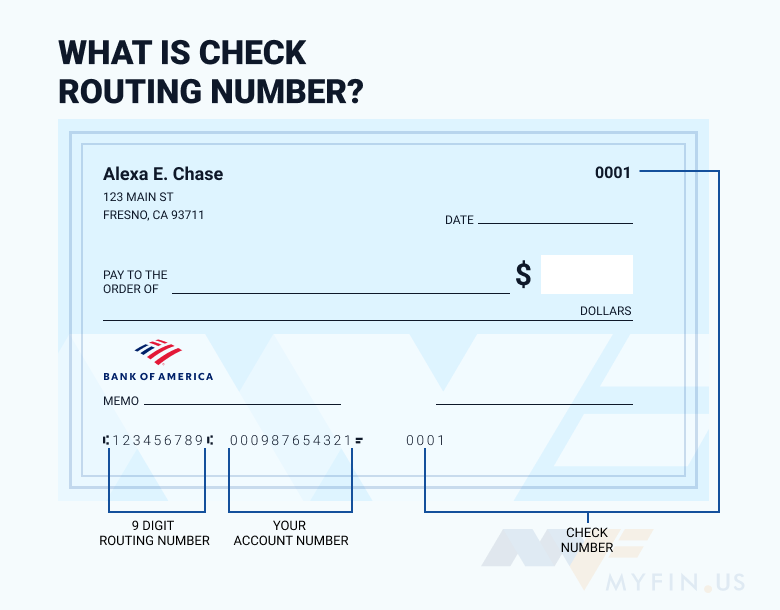
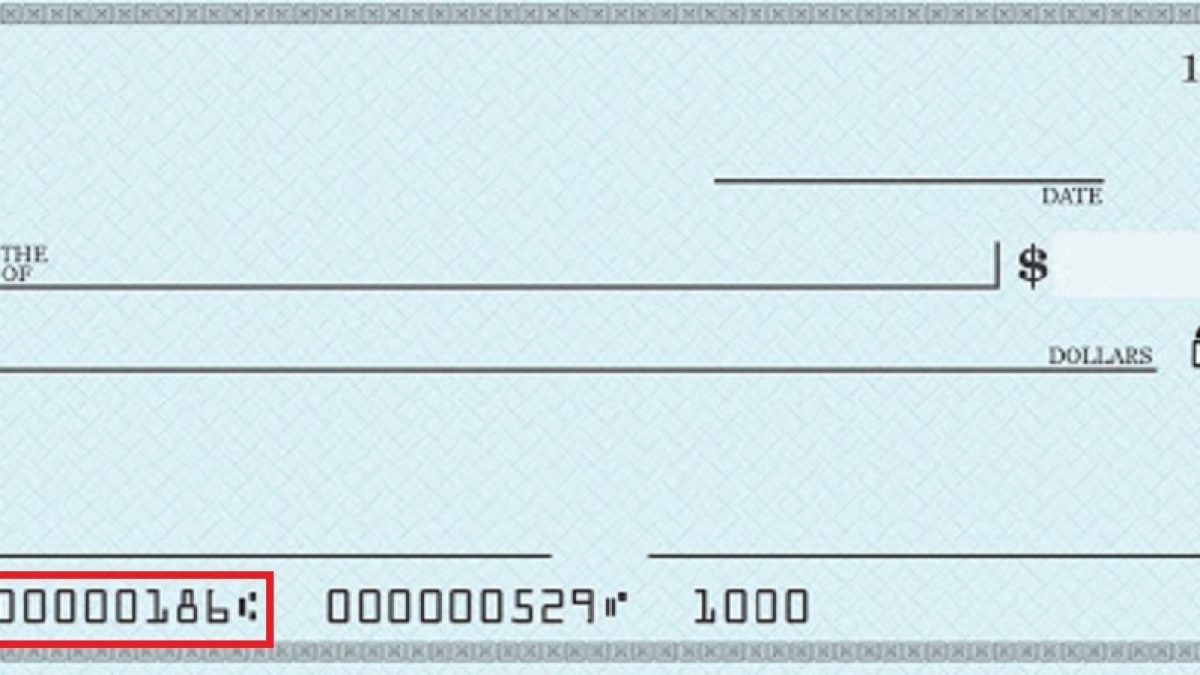
For most personal checking accounts, the easiest place to find your routing number is directly on a physical check. Look at the bottom left-hand corner of your check. You will typically see three sets of numbers. The first set of nine digits, usually preceding your account number and check number, is your routing number. This is generally the routing number for ACH transactions and direct deposits linked to that specific checking account and geographic region. Always double-check to ensure you’re reading the correct sequence, as misidentification can lead to failed transactions or funds being sent to the wrong place.
Through Bank of America Online Banking or Mobile App
In today’s digital age, your routing number is readily accessible through Bank of America’s online banking platform or their mobile application.
-
Online Banking: Log in to your Bank of America online banking account. Navigate to your account details or summary page for the specific checking or savings account you wish to find the routing number for. Often, there will be a link labeled “Account Details,” “Routing Numbers,” or similar. Clicking this will display your account’s routing number, along with your account number.
-
Mobile App: Open the Bank of America mobile app on your smartphone or tablet. After logging in, select the specific account (e.g., checking or savings). Look for an option like “Account Info,” “Details,” or a small icon that expands to show more information. Your routing number should be listed there. The convenience of mobile banking makes this a preferred method for many, ensuring you have access to critical information on the go.
Bank of America’s Official Website or Customer Service
If you don’t have access to checks or online banking, or if you need to confirm the routing number for a specific type of transaction (like a wire transfer), Bank of America’s official website is an excellent resource. The site often features a dedicated page for routing numbers, organized by state or transaction type. You can usually find this information by using the search function on their site for “routing number.”
Alternatively, contacting Bank of America customer service directly is always an option. A representative can help you identify the correct routing number for your account and specific transaction needs. Be prepared to verify your identity for security purposes. This method is particularly useful for complex scenarios, such as international wire transfers or if you are unsure about the regional specificity of your account.
Bank of America Routing Numbers: Regional and Transaction Specificity
Bank of America, as one of the largest financial institutions in the United States, operates across a vast geographic landscape. This extensive reach necessitates a sophisticated system of routing numbers to manage the immense volume and diversity of financial transactions. Unlike smaller, localized banks that might use a single routing number nationwide, Bank of America employs multiple routing numbers, primarily segmented by geographical region and, in some cases, by the type of transaction.
Why Multiple Routing Numbers?
The primary reason for Bank of America’s multiple routing numbers is to streamline and accurately process transactions within different operational hubs across the country. Each routing number identifies a specific processing center or branch network, ensuring that funds are directed to the correct regional division before being credited to an individual account. This regional breakdown enhances efficiency, reduces processing times, and minimizes the risk of errors associated with a centralized, single-number system for a bank of this scale.
For instance, a customer opening an account in California might have a different routing number than a customer opening an account in New York, even if both are for a standard checking account. These regional differences are designed to align with the bank’s internal operational structure and the Federal Reserve Bank districts.
ACH vs. Wire Transfers: Different Routing Numbers
Beyond regional variations, it’s critical to understand that the routing number required can also differ based on the type of transaction you are performing.
-
ACH (Automated Clearing House) Transfers: These are common electronic payments such as direct deposits (paychecks, government benefits), automatic bill payments, and person-to-person transfers through services like Zelle. For ACH transactions, you typically use the routing number found on your checks or through online banking, which is specific to your account’s regional processing center.
-
Wire Transfers: Wire transfers are generally used for larger, more urgent, or international transactions. They involve a direct transfer of funds between banks, often incurring higher fees but offering faster processing. Bank of America often uses a specific routing number for incoming domestic wire transfers, which may be different from the ACH routing number. It is paramount to verify the correct wire transfer routing number directly with Bank of America (via their website or customer service) before initiating or receiving a wire transfer, as using the incorrect number can lead to significant delays, return fees, or even loss of funds.
For international wire transfers, an entirely different identification system is used: the SWIFT/BIC (Society for Worldwide Interbank Financial Telecommunication / Bank Identifier Code). While a SWIFT code serves a similar purpose in identifying a financial institution internationally, it is distinct from a domestic routing number. Bank of America has specific SWIFT codes for its various international branches or divisions, and these must be used in conjunction with your account number for international transactions.
Common Uses and Importance of Your Bank of America Routing Number
The routing number is far more than just a sequence of digits; it is a vital component for a wide array of financial activities that individuals and businesses engage in daily. Understanding its common uses highlights its indispensable role in modern personal and business finance.
Direct Deposit Setup
Perhaps the most common use of a routing number is for setting up direct deposit. Whether it’s your paycheck, government benefits like Social Security, or tax refunds, your employer or the issuing agency requires both your Bank of America routing number and your account number. This ensures that your funds are electronically transferred from their bank to your specific account at Bank of America, providing a secure and efficient way to receive funds without the need for paper checks.
Automated Bill Payments and Electronic Funds Transfers (EFTs)
Many individuals and businesses utilize automated bill payments to manage recurring expenses, such as utility bills, mortgage payments, or loan installments. When you set up these payments directly from your Bank of America account, you’ll often need to provide your routing number along with your account number to the service provider. This facilitates ACH debits, allowing the service provider to pull funds directly from your account on scheduled dates. Similarly, for other EFTs, like transferring money between your accounts at different banks or making online purchases through bank transfers, the routing number is essential for directing the funds correctly.
Wire Transfers
As discussed, wire transfers, both domestic and international, rely heavily on the correct routing number (or SWIFT code for international). For domestic wires, providing the specific Bank of America wire transfer routing number ensures that large sums of money are moved quickly and securely from one bank to another. For international transactions, the Bank of America SWIFT code works in conjunction with your account number to ensure funds reach you from abroad or are sent correctly to an international recipient. The precision required for wire transfers underscores the critical importance of verifying the exact routing or SWIFT code for these high-value transactions.
Linking External Accounts and Financial Tools
In an increasingly interconnected financial ecosystem, people frequently link their primary bank accounts to various external financial services and apps. This includes peer-to-peer payment platforms like Venmo or PayPal, budgeting apps, investment platforms, or even other banking institutions for transferring funds. When you connect your Bank of America account to these external services, you will be prompted to provide your routing number and account number to establish a secure link, enabling seamless transfers and financial management across different platforms.
Safeguarding Your Financial Information: Best Practices
While a routing number is less sensitive than a full account number or social security number, it is still a piece of your financial identity. Practicing good financial security habits is crucial, even with information that might seem publicly available.
When It’s Safe to Share
It is generally safe to share your routing number in situations where you are actively initiating or receiving a legitimate financial transaction. This includes:
-
Providing it to your employer for direct deposit.
-
Giving it to trusted billers for automated payments.
-
Using it on secure financial websites to link accounts you own.
-
Sharing it with a trusted individual or entity when you expect to receive a direct transfer.
In these contexts, the routing number, combined with your account number, is necessary for the transaction to occur. Always ensure that the platform or person requesting the information is legitimate and secure.
When to Exercise Caution
Be cautious and question requests for your routing number in unsolicited communications or from unverified sources. Phishing scams often attempt to gather banking information by posing as legitimate entities. While a routing number alone cannot completely compromise your account (it needs to be combined with your account number and other personal details), it is a stepping stone for fraudsters. Never share your routing number, account number, or any other sensitive financial details in response to suspicious emails, texts, or phone calls, even if they appear to be from Bank of America. Always independently verify the request through official channels if you have any doubts.

The Difference in Security: Routing vs. Account Number
It’s important to differentiate the security implications of a routing number versus an account number. A routing number identifies the bank; an account number identifies your specific account within that bank. While a routing number is necessary for transactions, it is widely known for a given bank (or region of a large bank). Your account number, however, is highly confidential and should be guarded more stringently. Together, they enable transactions. Separately, their risk profiles differ. Always prioritize the security of your account number, but maintain vigilance over your routing number as part of your overall financial security strategy. Regularly review your bank statements and transaction history for any unauthorized activity, and report anything suspicious to Bank of America immediately.
aViewFromTheCave is a participant in the Amazon Services LLC Associates Program, an affiliate advertising program designed to provide a means for sites to earn advertising fees by advertising and linking to Amazon.com. Amazon, the Amazon logo, AmazonSupply, and the AmazonSupply logo are trademarks of Amazon.com, Inc. or its affiliates. As an Amazon Associate we earn affiliate commissions from qualifying purchases.