
In the complex landscape of personal and business finance, a bank letter often serves as a pivotal document, acting as an official testament to your financial standing, relationships, or transactions with a banking institution. Far from being a mere formality, these letters carry significant weight, providing critical validation for a myriad of purposes ranging from visa applications and mortgage approvals to business dealings and legal requirements. Understanding how to navigate the process of acquiring one is an essential financial literacy skill, ensuring you can secure the necessary documentation efficiently and accurately when the need arises.
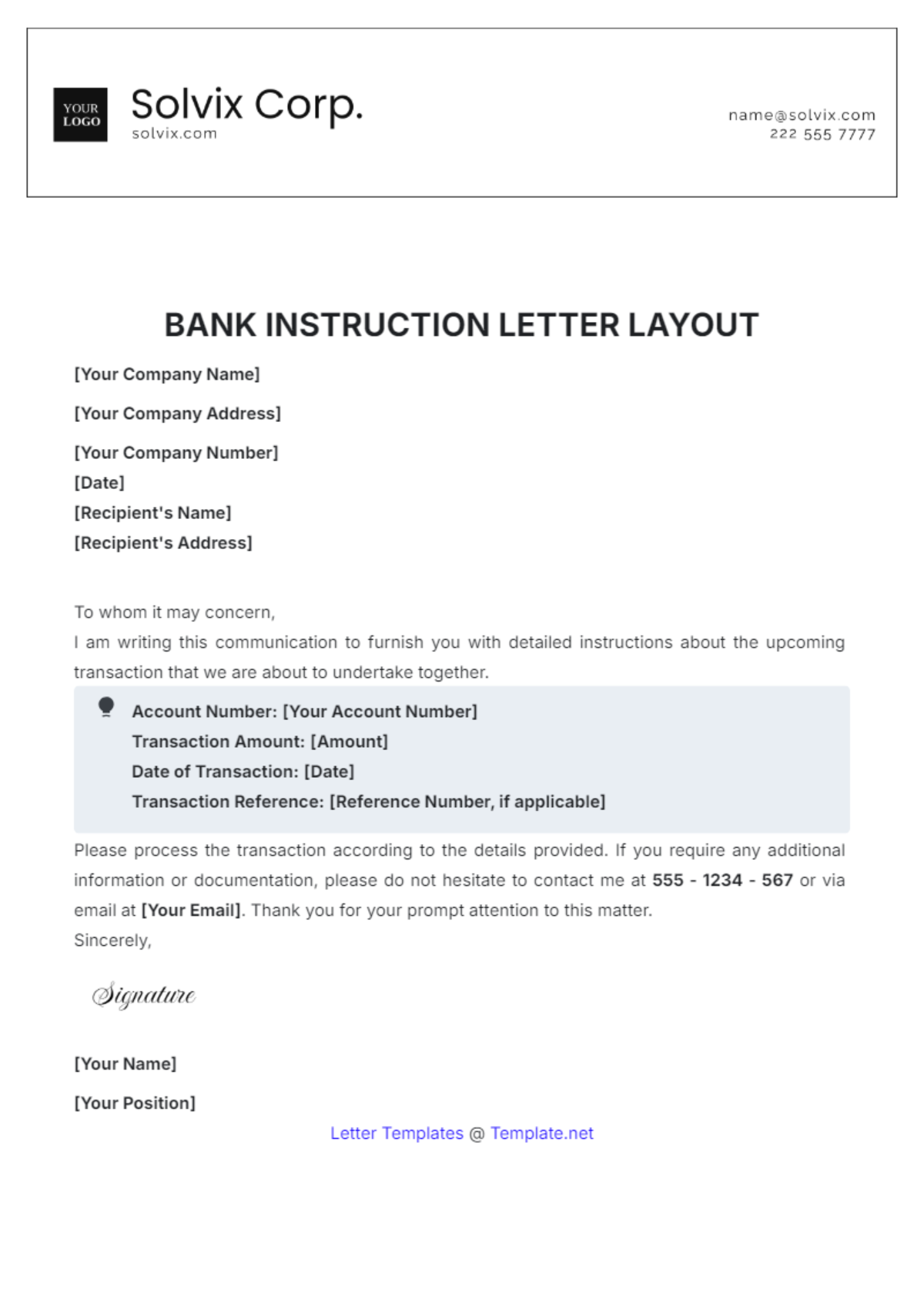
This guide delves into the nuances of bank letters, equipping you with the knowledge to identify the type of letter you need, prepare for your request, execute the process effectively, and ultimately leverage this crucial financial instrument to your advantage.
Understanding the Purpose and Types of Bank Letters
Before you even consider requesting a bank letter, it’s vital to understand what it is, why you might need one, and the various forms it can take. This foundational knowledge will streamline your request and ensure you receive the correct document the first time.
What is a Bank Letter?
At its core, a bank letter is an official document issued by your financial institution that confirms specific details about your account, financial standing, or relationship with the bank. It is typically printed on official bank letterhead, often signed by a bank representative, and may include official seals or stamps, lending it credibility and authority. Unlike an account statement, which is a detailed record of transactions, a bank letter usually focuses on a specific piece of information or provides a summary tailored to a particular request.
Common Reasons for Needing a Bank Letter
The utility of a bank letter spans a wide array of personal and professional scenarios. Here are some of the most frequent reasons individuals and businesses require them:
-
Visa and Immigration Applications: Many countries require proof of funds or a bank reference letter to demonstrate an applicant’s financial capability to support themselves during their stay.
-
Mortgage and Loan Applications: Lenders often request account verification letters or pre-approval letters to assess your financial health and creditworthiness.
-
Rental Applications: Landlords might ask for a bank letter to confirm you have sufficient funds for security deposits and rent payments, especially if you lack a strong credit history in the area.
-
Business Transactions: For significant transactions, such as purchasing a business or entering into a large contract, a bank letter can confirm available funds or lines of credit.
-
Legal and Court Matters: In cases of divorce, inheritance, or litigation, a bank letter might be required to confirm asset ownership or financial history.
-
Educational Admissions: Some academic institutions, particularly for international students, require proof of funds to ensure the student can cover tuition and living expenses.
-
Establishing Credit Abroad: When moving to a new country, a bank reference letter from your home bank can help establish a relationship with a new financial institution.
Key Types of Bank Letters
The specific information a bank letter contains dictates its type and purpose. Knowing the common categories will help you articulate your needs precisely.
-
Proof of Funds Letter (POF): This is perhaps the most common type, confirming that an individual or entity holds a specified amount of money in an account at a given time. It’s crucial for visa applications, real estate purchases, and large investments.
-
Account Verification Letter: This letter simply confirms the existence of an account, its holder’s name, and often the account number and opening date. It’s useful for verifying identity or setting up direct deposits.
-
Bank Reference Letter: Often requested by other financial institutions or landlords, this letter provides a general assessment of your banking relationship, including your financial standing, reliability, and how long you’ve been a customer.
-
Loan Pre-Approval/Commitment Letter: Issued by a lender, this document states that you’ve been conditionally approved for a loan up to a certain amount, subject to final verification. This is common in real estate.
-
Balance Confirmation Letter: Similar to a Proof of Funds, but typically provides a balance as of a specific date, often used for audit purposes or confirming assets for financial planning.
-
No-Objection Certificate (NOC): While less common in general finance, an NOC might be issued by a bank to state they have no objection to a customer undertaking a specific financial action, especially concerning secured loans or assets.
-
Letter of Credit (LC): Predominantly used in international trade, an LC is a guarantee from a bank that a buyer’s payment to a seller will be received on time and for the correct amount. This is more of a financial instrument than a simple informational letter.
Essential Preparations Before Requesting a Bank Letter
A well-prepared request is half the battle won. Proactive steps can significantly reduce delays and ensure you get the right document the first time, saving you valuable time and potential frustration.
Identifying Your Specific Needs
The single most crucial step is to precisely understand what information the requesting party (e.g., embassy, landlord, lender) requires. Do they need:
-
Your current balance or an average balance over time?
-
Account numbers for all your accounts or just one?
-
Confirmation of a specific type of account (e.g., checking, savings, investment)?
-
The account opening date?
-
A specific currency?
-
The letter addressed to a particular entity or individual?
-
Any specific language or notarization requirements?
Obtain a sample or a detailed list of requirements from the requesting party if possible. This clarity will be invaluable when communicating with your bank.
Gathering Necessary Documentation
Banks have strict protocols for issuing official documents to prevent fraud and ensure data accuracy. Be prepared to provide:
-
Valid Photo Identification: Government-issued ID like a driver’s license or passport.
-
Account Numbers: For all accounts you want included in the letter.
-
Proof of Purpose (Optional but helpful): While not always required, having the official request from the third party (e.g., visa application form, landlord’s email) can help the bank understand the context and tailor the letter appropriately.
-
Specific Details for the Letter: The full name and address of the recipient, specific phrases or information that need to be included.
Knowing Your Bank’s Policies
Each financial institution has its own set of procedures, turnaround times, and fee structures for issuing bank letters.
-
Processing Times: Some letters can be generated on the spot, while others may take several business days or even weeks. Inquire about the expected waiting period.
-
Fees: Be aware that some banks charge a fee for generating certain types of official letters, especially if they require specific wording, multiple copies, or expedited service.
-
Required Forms: Your bank might have a specific request form that needs to be filled out, either online or in person.
Understanding Different Bank Channels
Modern banking offers multiple avenues to interact with your institution. Familiarize yourself with the options available for requesting a letter.
-
Online Banking Portal/Mobile App: Many banks now allow you to request standard letters (like basic account verification or proof of funds) directly through their digital platforms.
-
In-Person Branch Visit: For more complex requests, tailored letters, or when you need to speak directly with a representative, visiting a branch is often the best approach.
-
Phone Customer Service: Some banks can process requests over the phone, especially for simpler letters, and then mail or email them to you.
-
Mail/Email: Less common for initial requests due to security and verification needs, but sometimes used for follow-up or specific circumstances.
Step-by-Step Process for Requesting Your Bank Letter
Once you’re prepared, initiating the request is relatively straightforward. The method you choose will often depend on the complexity of your request and your bank’s available services.
Online Banking Portal/App Request
This is often the quickest and most convenient method for standard letters.
-
Log In: Access your secure online banking portal or mobile app.
-
Navigate to Services: Look for sections like “Customer Service,” “Account Services,” “Statements & Documents,” or “Letters & Forms.”
-
Select Letter Type: Choose the specific type of letter you need (e.g., “Proof of Funds,” “Account Verification”).
-
Fill in Details: Provide the required information, such as the account numbers to be included, the amount (for POF), and the recipient’s details if requested.
-
Submit Request: Confirm the details and submit. You’ll often receive a confirmation number and an estimated delivery time.
-
Delivery: The letter may be available for immediate download, sent via secure message, or mailed to your address.

In-Person Branch Visit
For personalized service, complex requests, or immediate needs, a branch visit is often the most reliable.
-
Gather Documents: Bring all necessary identification and any supporting documentation.
-
Speak to a Teller or Bank Representative: Clearly explain the type of letter you need and its purpose. Provide the specific requirements from the third party.
-
Fill Out Forms: You may be asked to complete a request form.
-
Review and Confirm: Ask the representative to review the details with you before processing. Confirm the expected turnaround time and any applicable fees.
-
Collection/Delivery: You might be able to pick up the letter immediately or return later. Alternatively, it could be mailed to you or directly to the recipient.
Phone Request to Customer Service
This option offers a balance between convenience and direct communication, especially for those unable to visit a branch.
-
Call Customer Service: Dial your bank’s official customer service number.
-
Verify Identity: Be prepared to answer security questions to verify your identity.
-
State Your Need: Clearly articulate the type of letter and the specific information it must contain.
-
Confirm Details: The representative will likely repeat the details of your request. Confirm all information, including recipient details, accounts, and amounts.
-
Delivery Method: Discuss how the letter will be delivered (mail, email, secure portal) and the expected timeframe.
-
Note Reference Number: Always ask for a reference number for your request for easy follow-up.
Submitting a Written Request
While less common for individual account holders, businesses or those with specific legal needs might submit a formal written request, particularly for complex or unusual letters.
-
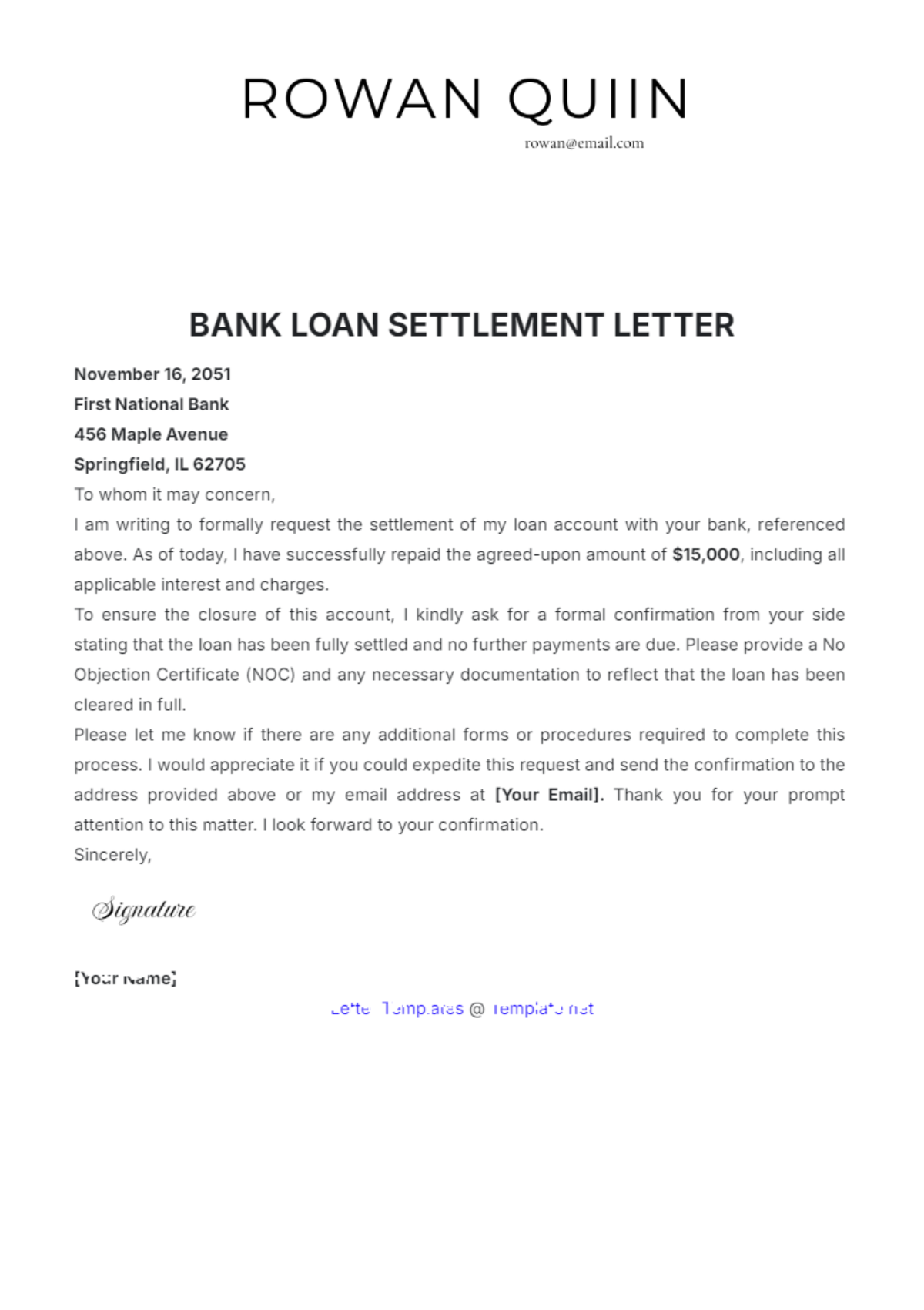
Draft a Formal Letter: Clearly state the type of letter required, the account details, the specific information to be included, the recipient’s details, and the purpose of the letter.
-
Include Identification: Attach copies of your valid ID and any other supporting documents.
-
Mail or Fax: Send the request to the appropriate department within your bank, usually identified on their website or by calling customer service.
-
Follow Up: Call customer service after a few days to confirm receipt and inquire about processing.
Verifying and Utilizing Your Bank Letter Effectively
Once you receive your bank letter, the process isn’t quite over. A few final steps ensure its accuracy, validity, and proper use.
Reviewing the Letter for Accuracy and Completeness
This is a critical step. Before submitting the letter to any third party, meticulously check:
-
Your Name and Account Information: Ensure your full legal name, account numbers, and account types are correct.
-
Recipient Details: If the letter is addressed to a specific entity, verify their name and address are accurate.
-
Dates: Check the date the letter was issued and any “as of” dates for balances.
-
Specific Information: Confirm that all the required details (e.g., exact balance, account opening date, specific phrasing) are present and correct.
-
Signatures and Seals: Ensure the letter is properly signed by an authorized bank representative and bears any necessary official stamps or seals.
If you find any discrepancies, contact your bank immediately to request a correction. It’s much easier to fix an error before the letter is submitted.
Understanding Validity and Expiry
Many bank letters, especially those confirming balances, have an implied or explicit limited lifespan. For instance, a proof of funds letter from three months ago might not be accepted by a visa office.
-
Check for Expiry Dates: Some letters may explicitly state an expiry date.
-
Consider Purpose: The requesting party often dictates the acceptable age of the document. For visa applications, proof of funds is usually required to be very recent (e.g., within 30 days).
-
Re-request if Needed: If your original letter is nearing its expiry or is no longer considered current, don’t hesitate to request an updated one.
Secure Storage and Sharing
Bank letters contain sensitive financial information. Treat them with the same care you would your bank statements.
-
Digital vs. Physical: Keep both physical and digital copies (scanned PDFs) in a secure location. Encrypt digital files if possible.
-
Sharing Responsibly: Only share the letter with legitimate parties who require it. Avoid sending it via insecure email if possible; use secure portals or encrypted methods.
-
Redaction: In some cases, if the recipient only needs specific information (e.g., proof of account existence but not the exact balance), you might consider redacting sensitive data, though always confirm this is acceptable with the requesting party first.
What to Do If There Are Issues
Even with careful preparation, issues can arise.
-
Discrepancies: If the letter contains errors, contact your bank’s customer service or return to the branch where you made the request. Clearly explain the error and provide documentation to support your claim.
-
Delays: If the letter is taking longer than promised, follow up using your reference number. Be polite but persistent.
-
Rejection by Recipient: If the letter is rejected by the third party, ask them for the exact reason. This feedback is crucial for you to relay to your bank to obtain a revised letter that meets all requirements.
Common Challenges and Expert Tips
While obtaining a bank letter is generally straightforward, certain situations can present challenges. Being aware of these and having strategies to address them can smooth the process.
Dealing with Urgency: Expedited Requests
Sometimes, you need a bank letter yesterday. If you’re facing a tight deadline:
-
Communicate Urgency Clearly: When making your request, emphasize the urgent nature and the deadline.
-
Ask About Expedited Options: Inquire if the bank offers expedited processing, even if it comes with an additional fee.
-
In-Person May Be Best: An in-person visit to a branch, especially during off-peak hours, can sometimes result in immediate generation of standard letters.
-
Follow Up Promptly: Don’t hesitate to follow up if the deadline is approaching and you haven’t received the letter.
International Considerations: Currency and Language
For international purposes, additional factors come into play:
-
Currency: Ensure the letter specifies the currency in which your funds are held. If the requesting party needs the amount in a different currency, ask if the bank can provide an equivalent value or if you need to provide a separate currency conversion document.
-
Language: If the recipient requires the letter in a language other than English, ask if your bank provides multi-language letters. Otherwise, you may need to obtain an official translation and potentially have it notarized. Always confirm if the requesting party accepts translated documents.
-
International Branches: If you have an account with a global bank, check if a branch in the destination country can issue a local letter, which might be more readily accepted.
Potential Fees and Charges
While many basic account verification letters are free, specific types of bank letters, especially those requiring detailed research, specific formatting, or expedited service, may incur a charge.
-
Ask Upfront: Always inquire about any potential fees before your request is processed.
-
Understand What You’re Paying For: If there’s a fee, understand if it’s for the letter itself, expedited service, or something else.
-
Budget Accordingly: Factor these potential costs into your financial planning, particularly if you anticipate needing multiple letters.
Building a Strong Relationship with Your Bank
A positive and long-standing relationship with your bank can significantly impact the ease and quality of service you receive, including when requesting official documents.
-
Maintain Good Standing: Keep your accounts active and in good order.
-
Centralize Your Banking: Consolidating your accounts (checking, savings, investments, loans) with one institution can give you more leverage and familiarity.
-
Know Your Banker: If you frequently visit a branch or have a dedicated relationship manager, building rapport can make a difference in navigating complex requests. They might be more willing to go the extra mile or offer personalized advice.
Obtaining a bank letter, though seemingly a minor task, is a vital component of sound financial management in numerous personal and professional contexts. By understanding the various types of letters, preparing diligently, following the correct procedures, and verifying the output, you can navigate this process with confidence and ensure you have the necessary financial documentation when it matters most.
aViewFromTheCave is a participant in the Amazon Services LLC Associates Program, an affiliate advertising program designed to provide a means for sites to earn advertising fees by advertising and linking to Amazon.com. Amazon, the Amazon logo, AmazonSupply, and the AmazonSupply logo are trademarks of Amazon.com, Inc. or its affiliates. As an Amazon Associate we earn affiliate commissions from qualifying purchases.