
Depositing money into a bank account is a foundational aspect of personal finance, crucial for managing income, saving for the future, and facilitating everyday transactions. While the core concept remains simple – moving funds from your possession into a secure financial institution – the methods for doing so have evolved considerably. From traditional teller interactions to cutting-edge digital transfers, understanding the various avenues available can help individuals choose the most convenient, secure, and cost-effective way to manage their money. This comprehensive guide delves into the mechanisms, considerations, and best practices for depositing funds, ensuring your financial assets are efficiently integrated into your banking system.

Understanding Your Banking Landscape and Account Types
Before exploring deposit methods, it’s essential to understand the type of bank you’re dealing with and the nature of your account. Traditional banks offer a full suite of services with physical branches, while online-only banks often provide higher interest rates and lower fees due to reduced overhead. Credit unions, member-owned non-profits, typically offer competitive rates and personalized service. Each institution may have slightly different procedures or capabilities regarding deposits.
Most people deposit into two primary account types: checking and savings accounts.
-
Checking Accounts: Designed for frequent transactions, these accounts are ideal for depositing paychecks, paying bills, and accessing funds via debit cards or checks.
-
Savings Accounts: Intended for accumulating funds, these accounts often offer interest on balances and may have restrictions on the number of withdrawals or transfers per month.
Some individuals also use money market accounts, which combine features of checking and savings accounts, or certificates of deposit (CDs), which require funds to be held for a fixed term. The choice of account affects how quickly funds are accessible and how they grow over time.
Traditional Deposit Methods: In-Person and Mail
For many, the most familiar ways to deposit money involve direct interaction with the bank or traditional mail services. These methods have stood the test of time, offering reliability and, in some cases, a personal touch.
In-Person at a Branch
Depositing money directly at a bank branch remains one of the most common and secure methods, especially for cash.
-
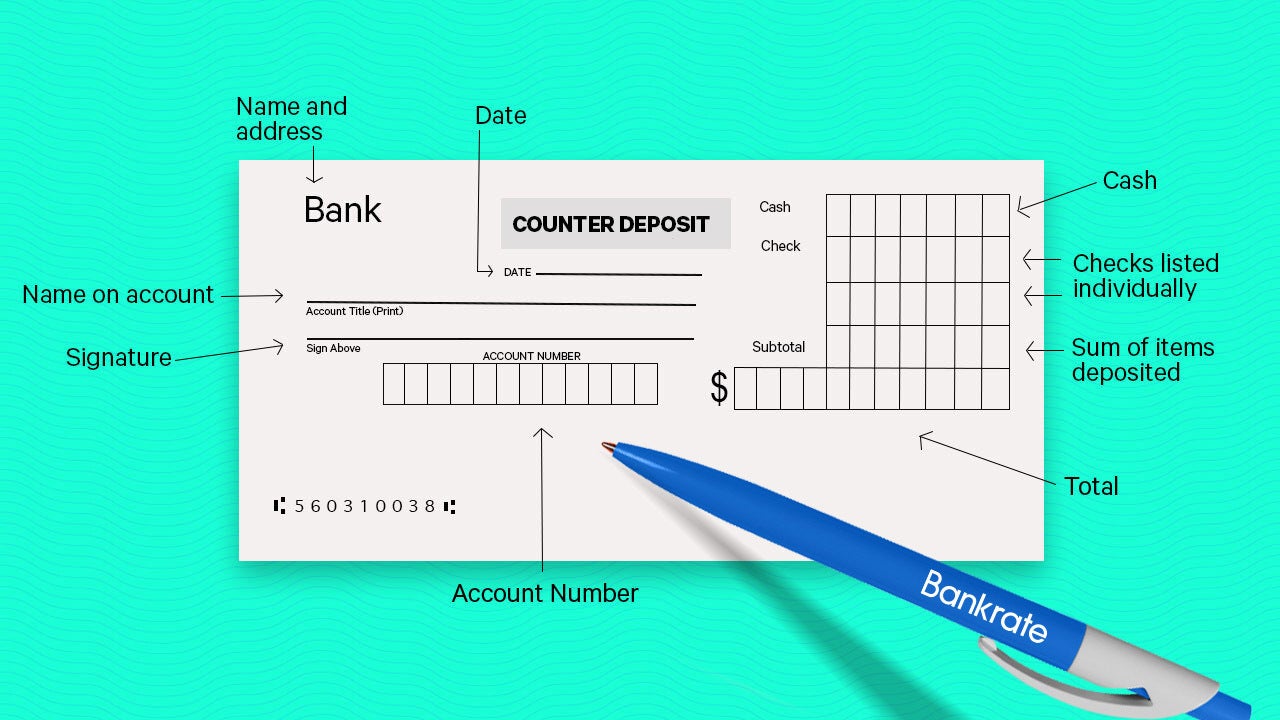
Process: You present your cash or check(s) along with a completed deposit slip (or provide your account number/debit card) to a teller. The teller verifies the amount, processes the transaction, and provides you with a receipt.
-
Advantages: This method is ideal for large cash deposits, resolving any immediate issues with a check (e.g., endorsing it correctly), and receiving instant confirmation. You can also get immediate cash back from a check deposit, if available.
-
Disadvantages: Requires travel to a physical branch during banking hours, which can be inconvenient.
Using an ATM
Automated Teller Machines (ATMs) offer a convenient alternative to branch visits, providing 24/7 access for deposits and withdrawals.
-
Process: Insert your debit card and PIN, select the “deposit” option, and follow the on-screen instructions. You’ll typically insert cash directly into a slot or place checks into an envelope provided by the machine. Many modern ATMs can scan checks directly without an envelope.
-
Advantages: Available outside of banking hours, widespread accessibility.
-
Disadvantages: Limits on cash deposits may apply. Funds from ATM check deposits might have a longer hold period compared to teller deposits. Potential for errors if not careful with cash counts or envelope contents.
Direct Deposit (Payroll)
Direct deposit is arguably the most efficient and secure way to deposit regular income, such as paychecks, government benefits, or pension payments.
-
Process: You provide your employer or payer with your bank’s routing number and your account number. They then electronically transfer funds directly into your account on scheduled payment dates.
-
Advantages: Funds are available immediately on payday, eliminating the need to visit a bank or ATM. It’s highly secure, reduces the risk of lost or stolen checks, and is environmentally friendly.
-
Disadvantages: Requires setup with your employer/payer. Not applicable for irregular income sources or cash.
Mail-In Deposits
While less common now, especially with the rise of digital options, depositing checks via mail is still a viable option for some.
-
Process: Endorse your check(s) with “For Deposit Only” and your account number, complete a deposit slip, and mail them to your bank.
-
Advantages: Convenient for those without easy access to branches or ATMs, or for checks received while traveling.
-
Disadvantages: Funds take longer to clear due to transit time. Risk of loss or theft in transit. Not suitable for cash deposits.
Modern & Digital Deposit Methods: Convenience at Your Fingertips
The digital revolution has transformed banking, offering numerous ways to deposit money from the comfort of your home or on the go. These methods prioritize speed and convenience, leveraging technology to streamline financial transactions.
Mobile Check Deposit
Mobile check deposit has become a popular feature for smartphone users, allowing checks to be deposited without visiting a physical location.
-
Process: Open your bank’s mobile app, select the “deposit check” option, and take clear photos of the front and back of your endorsed check using your phone’s camera. Most banks require you to write “For Mobile Deposit Only” and your signature on the endorsement line.
-
Advantages: Utmost convenience, available 24/7, eliminates travel.
-
Disadvantages: Daily/monthly deposit limits often apply. Funds may not be immediately available and are subject to bank review. Requires a good camera and internet connection. Not suitable for cash.

Electronic Transfers (ACH and Wire Transfers)
Electronic transfers facilitate moving money between bank accounts, whether your own or someone else’s.
-
ACH (Automated Clearing House) Transfers: These are electronic networks for processing transactions.
-
External Transfers (Bank-to-Bank): You can link accounts from different banks (e.g., transferring from an investment account to your checking account) through your bank’s online portal.
-
Push/Pull Transfers: You can “push” money from one bank to another or “pull” money from an external account into your primary bank.
-
Advantages: Low cost (often free), secure, convenient for recurring transfers.
-
Disadvantages: Can take 1-3 business days to clear.
-
-
Wire Transfers: Used for sending money quickly, often for large amounts or international transfers.
-
Process: Initiated at a bank branch or through online banking. Requires the recipient’s bank name, routing number, account number, and sometimes the SWIFT/BIC code for international wires.
-
Advantages: Funds are typically available within hours for domestic transfers.
-
Disadvantages: Higher fees compared to ACH transfers. Irreversible once sent.
-
Third-Party Payment Services
Platforms like PayPal, Venmo, Zelle, and Cash App allow users to send and receive money, which can then be transferred to a linked bank account.
-
Process: After receiving funds into your account with one of these services, you can initiate a transfer to your linked bank account. Some offer instant transfers for a small fee, while standard transfers are usually free but take 1-3 business days.
-
Advantages: Excellent for receiving payments from individuals or clients without sharing bank details directly. Quick and convenient for peer-to-peer transactions.
-
Disadvantages: Fees for instant transfers. Security depends on the platform’s measures. Funds are initially held by the third-party service, not directly in your bank.
Cash Deposits at Retailers
Some banks and financial services allow you to deposit cash into your bank account at participating retail locations, such as grocery stores or convenience stores.
-
Process: Services like Green Dot, Visa ReadyLink, or specific bank partnerships enable you to hand cash to a cashier, who then digitally credits it to your bank account or a linked reloadable debit card.
-
Advantages: Convenient for cash deposits if no bank branch or ATM is nearby. Often available during extended retail hours.
-
Disadvantages: Fees typically apply per transaction. Limits on deposit amounts. Not all banks offer this feature, and not all retailers participate.
Important Considerations for Depositing Funds
Regardless of the method chosen, several factors can influence the success and efficiency of your deposit. Understanding these can prevent common frustrations and ensure your money is handled correctly.
Deposit Holds and Availability
When you deposit a check, banks often place a “hold” on the funds. This means the money might appear in your account balance but won’t be available for withdrawal or use until the check fully clears the issuing bank.
-
Factors influencing holds: The amount of the check, the type of check, the relationship you have with the bank, and whether it’s a new account can all affect the hold period.
-
Regulation CC: Federal law (Regulation CC) mandates that banks generally make the first $225 of a check deposit available on the next business day, but larger amounts can be held longer.
-
Mitigation: Ask about your bank’s specific hold policies, especially for large deposits. Direct deposits and electronic transfers typically have no holds.
Deposit Limits
Banks may impose daily, weekly, or monthly limits on deposits, particularly for mobile and ATM deposits. These limits are in place for security reasons and to mitigate fraud.
-
Cash Limits: While rare for in-person branch deposits, ATMs and retail cash deposit services often have explicit limits.
-
Check Limits: Mobile check deposits frequently have lower limits than in-person or ATM check deposits.
-
Action: If you anticipate a very large deposit, especially by check or cash, confirm any limits with your bank beforehand.
Security Measures
Protecting your financial information and funds during a deposit is paramount.
-
Online Banking: Use strong, unique passwords and enable two-factor authentication. Always ensure you are on your bank’s official website or app.
-
Check Endorsement: Always endorse checks with “For Deposit Only” and your account number to prevent unauthorized cashing.
-
Public Wi-Fi: Avoid conducting banking transactions, including mobile deposits, over unsecured public Wi-Fi networks.
-
Receipts: Always keep deposit receipts until the funds have fully cleared and are available in your account.
Record Keeping
Maintaining accurate records of your deposits is crucial for budgeting, tax purposes, and resolving any discrepancies.
-
Receipts: Keep physical receipts from tellers and ATMs.
-
Digital Records: Screenshot confirmation screens from online or mobile deposits.
-
Bank Statements: Regularly review your bank statements to ensure all deposits are accurately reflected.
Fees Associated with Certain Methods
While many deposit methods are free, some can incur charges.
-
Wire Transfers: Both domestic and international wire transfers typically come with fees, which can vary widely by bank.
-
Retail Cash Deposits: Services like Green Dot often charge a small fee for cash loading.
-
Instant Transfers (Third-Party Apps): Expedited transfers from services like PayPal or Venmo to your bank account usually carry a percentage-based fee.
-
Check Cashing Services: Avoid using non-bank check cashing services, as they charge high fees.
Choosing the Right Deposit Method for You
The optimal method for depositing money into your bank account largely depends on the type of funds, urgency, convenience factors, and your personal comfort with technology.
-
For Cash: In-person at a branch or an ATM are generally the best options. Retailer cash deposits offer an alternative for smaller amounts and convenience.
-
For Checks: Direct deposit is superior for regular income. Mobile check deposit offers unparalleled convenience for occasional checks, while ATMs and in-person deposits remain reliable.
-
For Electronic Transfers: ACH transfers are cost-effective for moving money between your own accounts or receiving funds from others. Wire transfers are for urgent, often large, sums. Third-party apps are excellent for peer-to-peer payments.
By understanding the diverse range of options and their associated nuances, you can confidently navigate the process of depositing money, ensuring your finances are managed efficiently and securely within the modern banking ecosystem.
aViewFromTheCave is a participant in the Amazon Services LLC Associates Program, an affiliate advertising program designed to provide a means for sites to earn advertising fees by advertising and linking to Amazon.com. Amazon, the Amazon logo, AmazonSupply, and the AmazonSupply logo are trademarks of Amazon.com, Inc. or its affiliates. As an Amazon Associate we earn affiliate commissions from qualifying purchases.