
Closing a savings account might seem like a straightforward task, but it often involves a series of deliberate steps to ensure a smooth, error-free transition. Whether you’re consolidating your finances, seeking better interest rates elsewhere, or simply no longer need a particular account, understanding the proper procedure, especially with a major institution like Bank of America (BoA), is crucial. This comprehensive guide will walk you through everything you need to know to successfully close your Bank of America savings account, ensuring you avoid any unexpected fees or complications along the way. We’ll explore the reasons you might choose to close an account, the essential preparations, the various methods for initiating closure, and what to expect after your request has been submitted. By following these professional and insightful steps, you can navigate the process with confidence and clarity, empowering you to maintain control over your financial landscape.

Why You Might Consider Closing Your Bank of America Savings Account
Deciding to close a savings account is a personal financial decision, often driven by a variety of factors. Understanding these motivations can help you assess whether closure is the right move for your current financial strategy.
Avoiding Unnecessary Fees
Many savings accounts come with maintenance fees, especially if they fall below a certain minimum balance or if you don’t meet specific activity requirements. While BoA offers ways to waive these fees (e.g., maintaining a certain balance, linking to a checking account, or being under 18/25), if you find yourself consistently incurring charges, closing the account can be a prudent step to stop the financial bleed. These small fees can add up over time, eroding your savings rather than growing them.
Consolidating Accounts for Simplicity
Managing multiple bank accounts can become cumbersome. You might have opened several accounts over the years for different purposes – a travel fund, an emergency fund, a specific savings goal – but now find that consolidating them into fewer, more manageable accounts simplifies your financial overview. Fewer accounts mean less to track, potentially fewer fees, and a clearer picture of your overall financial health, streamlining your budgeting and record-keeping efforts.
Seeking Better Interest Rates or Features
In today’s competitive banking landscape, different financial institutions offer varying interest rates and account features. If your current Bank of America savings account isn’t offering a competitive annual percentage yield (APY) or lacks features that are important to you (like robust mobile banking tools, budgeting features, or specific savings programs), exploring alternatives is a smart financial move. Transferring your funds to an account with higher returns can significantly accelerate your savings growth over time.
Dissatisfaction with Service or Policies
Customer service experience plays a significant role in banking relationships. If you’ve had recurring issues with Bank of America’s customer support, disagree with recent policy changes, or simply feel their services no longer align with your expectations, closing your account and moving to an institution that better suits your needs is a valid decision. Your financial institution should be a partner in your financial journey, and if that partnership isn’t working, it’s time to reassess.
Life Changes (Moving, Estate Planning)
Major life events often necessitate financial adjustments. Moving to a new state or country might make maintaining an account with a specific branch network less convenient. Similarly, in the context of estate planning or managing the finances of a loved one who has passed away, closing accounts may be a necessary step to settle an estate. These circumstances often require a more organized approach to account closures.
Essential Steps Before Initiating Closure
Before you even think about contacting Bank of America, there are critical preparatory steps you must take. Rushing the closure process without proper due diligence can lead to headaches, lost funds, or unexpected charges.
Confirming Your Account Balance is Zero
This is arguably the most crucial step. You cannot close a savings account with a positive or negative balance.
-
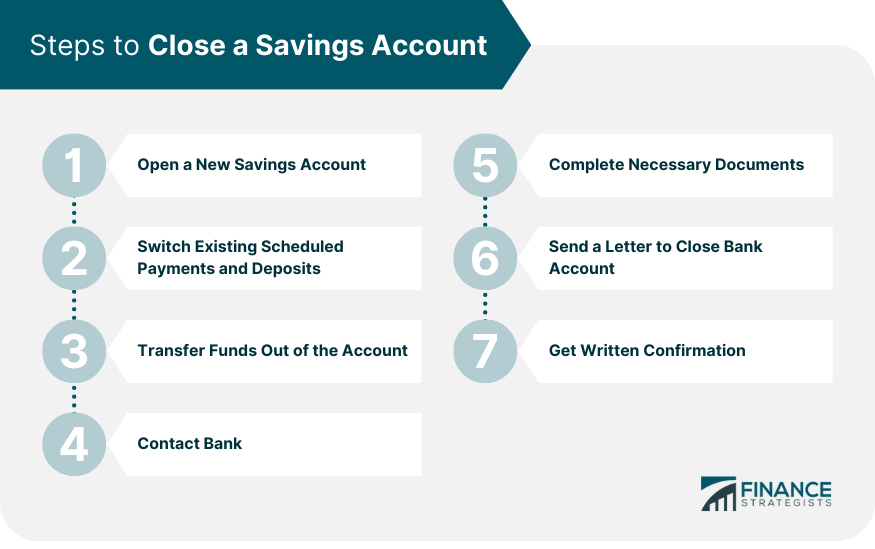
Transferring Funds Out: Ensure all funds are moved out of the account. You can typically do this via online transfers to another BoA account, an external bank account, or by requesting a cashier’s check or wire transfer for larger sums. Be mindful of daily transfer limits and potential fees for certain transfer methods.
-
Handling Pending Transactions: Verify that no pending deposits or withdrawals are slated for the account. These could inadvertently put the account in a positive or negative balance, delaying closure. Wait until all transactions have cleared and settled.
Reviewing Linked Accounts and Automatic Payments
Your savings account might be intertwined with other financial services.
-
Direct Deposits: If your employer or any other entity (like government benefits) makes direct deposits into this savings account, you must update that information with the sender well in advance. New direct deposit information should be provided to ensure uninterrupted income flow.
-
Automatic Withdrawals/Bill Pay: Any recurring automatic bill payments, subscriptions, or transfers that draw from this savings account need to be rerouted. This includes utilities, loan payments, investment contributions, and online subscriptions. Update these with the respective service providers to prevent missed payments and potential late fees.
-
External Transfers: If you have recurring transfers set up from other bank accounts into this BoA savings account, or from this BoA savings account to another bank, cancel or modify these transfers.
Downloading or Requesting Account Statements
Once an account is closed, accessing past statements can become difficult, if not impossible. It’s wise to download or request physical copies of at least the last 12-24 months of statements for your records. These can be important for tax purposes, budgeting reviews, or simply maintaining a complete financial history. Bank of America usually allows you to download statements through online banking.
Checking for Account-Specific Closure Requirements
Some specialized savings accounts (e.g., certain custodial accounts, trust accounts, or accounts linked to specific loans) might have unique closure requirements. Review your account’s original terms and conditions or contact Bank of America’s customer service to confirm if any special procedures apply to your specific savings product. For instance, joint accounts may require all account holders to consent or sign.
Navigating Bank of America’s Closure Process
Once you’ve completed your preparatory steps, you’re ready to formally request the closure of your Bank of America savings account. Bank of America offers several avenues for this, each with its own benefits and considerations.

Online Banking Method (If Available/Applicable)
For some basic savings accounts with a zero balance, Bank of America might allow you to initiate a closure request directly through your online banking portal. This is often the quickest and most convenient method, requiring just a few clicks.
-
How to Check: Log in to your Bank of America online banking account. Navigate to your account details or settings. Look for an option related to “Close Account” or “Account Services.” If it’s available and your account meets the criteria (e.g., zero balance, no pending transactions), you can follow the prompts.
-
Pros: Fast, convenient, can be done from anywhere.
-
Cons: Not always available for all account types or under all circumstances, especially if there are complexities.
Closing Your Account by Phone
Calling Bank of America’s customer service is a common and effective way to close an account, offering direct interaction with a representative.
-
Contact Numbers and Operating Hours: Locate the most current customer service number for Bank of America, typically found on their official website or the back of your debit card. Be mindful of their operating hours to avoid unnecessary wait times.
-
Information You’ll Need: When you call, be prepared to provide personal identification details (e.g., account number, Social Security Number, date of birth, mother’s maiden name, or answers to security questions) to verify your identity. Having your current address and possibly a reason for closure ready can also speed up the process.
-
What to Expect: The representative will guide you through the closure steps, confirm the zero balance, and process your request. They might ask about your reasons for closing and offer alternatives. Remain firm in your decision if you’re set on closing.
-
Pros: Direct communication, can resolve minor issues on the spot, can get immediate confirmation.
-
Cons: Can involve wait times, may be subjected to retention efforts.
In-Person Branch Visit
Visiting a Bank of America branch provides the most direct and secure method, especially if you prefer face-to-face interaction or if your account has specific complexities.
-
Benefits of a Branch Visit: A branch visit allows you to speak directly with a banking specialist who can answer questions, verify your identity visually, and process the closure with immediate confirmation. It’s particularly useful if you have any lingering funds that need to be withdrawn as cash or converted to a cashier’s check, or if you require assistance with complex situations.
-
Required Identification and Documentation: Always bring valid, government-issued photo identification (e.g., driver’s license, passport). If it’s a joint account, all account holders might need to be present and provide ID, or provide a notarized letter of consent. Have your account number handy.
-
Pros: Most secure method, immediate confirmation, ability to withdraw remaining funds instantly, personal assistance.
-
Cons: Requires travel and time, potentially long wait times at busy branches.
Closure by Mail (Less Common, but an Option)
While less common for individual savings accounts, closing by mail can be an option if other methods are inaccessible or inconvenient. This method requires careful attention to detail and should only be used if necessary.
-
Crafting a Formal Request Letter: Your letter should be clear, concise, and include:
-
Your full name and current address.
-
The account number(s) you wish to close.
-
A clear statement requesting the closure of the account.
-
Your signature.
-
Instructions for handling any remaining funds (e.g., transfer to another account, request a cashier’s check to a specified address).
-
A phone number or email for contact.
-
-
Certified Mail Recommendation: Send the letter via certified mail with a return receipt requested. This provides proof that your letter was sent and received by Bank of America, which can be invaluable if any disputes arise later.
-
Pros: Documentation of your request, can be done remotely.
-
Cons: Slowest method, no immediate confirmation, risk of lost mail, requires meticulous attention to detail.
What to Expect After Submitting Your Closure Request
The process doesn’t end the moment you submit your request. There are a few final steps and expectations to manage to ensure the closure is complete and irreversible.
Confirmation of Closure
Always ask for written confirmation of the account closure. If you called or visited a branch, request a confirmation number or a printed letter. For online closures, look for an email confirmation or a message within your online banking portal. This document serves as your official record that the account has been closed.
Potential Waiting Periods
While some closures can be immediate, others might involve a short waiting period (a few business days) for final processing, especially if funds were recently moved or pending transactions needed to clear. Be patient but vigilant during this time.
Receiving Final Statements
Even after closure, you might receive one last statement from Bank of America, often marked “Final Statement,” showing a zero balance and confirmation of closure. Keep this for your records, along with any previous statements you downloaded.
Verification of Account Status (Checking Periodically)
It’s a good practice to periodically check your online banking (if still accessible) or contact customer service a week or two after the requested closure date to confirm the account’s status. Ensure it no longer appears active and has a zero balance. This small step can prevent future headaches caused by unforeseen errors.
Best Practices and Pro Tips for a Smooth Closure
To make your Bank of America savings account closure as seamless as possible, consider these additional tips and best practices.
Maintain Meticulous Records
From the initial decision to transfer funds to the final confirmation of closure, document every step. Keep copies of transfer confirmations, correspondence (emails, letters), confirmation numbers, and names of representatives you spoke with, along with dates and times. This paper trail is your best defense against potential issues.
Communicate Clearly and Follow Up
When interacting with Bank of America, be clear and explicit about your intention to close the account. Avoid ambiguity. If you don’t receive confirmation within the expected timeframe, don’t hesitate to follow up. A proactive approach ensures your request isn’t overlooked.
Be Aware of Potential Pitfalls
-
Negative Balances: Ensure your account never falls into a negative balance during the closure process. Even a small overdraft fee can halt the closure and incur additional charges.
-
Unclosed Linked Accounts: Sometimes a savings account is linked to a checking account in a way that closing one might affect the other’s fee structure or benefits. Confirm with BoA if closing your savings account will have any ramifications for other active accounts you wish to keep.
-
Joint Account Requirements: For joint savings accounts, typically all account holders must authorize the closure, usually by signing a closure form or being present during a branch visit. Confirm these requirements upfront.
Consider Your Future Banking Needs
Before closing an account, reflect on your long-term financial goals. Do you have another savings account ready to receive your funds? Have you thoroughly researched alternative institutions if you’re switching banks? Planning your next financial move before severing ties with your current account can prevent a lapse in your savings strategy.
Closing a Bank of America savings account is a manageable process when approached systematically. By preparing thoroughly, understanding your options for initiating closure, and diligent follow-up, you can ensure a hassle-free experience, allowing you to optimize your personal finances effectively.
aViewFromTheCave is a participant in the Amazon Services LLC Associates Program, an affiliate advertising program designed to provide a means for sites to earn advertising fees by advertising and linking to Amazon.com. Amazon, the Amazon logo, AmazonSupply, and the AmazonSupply logo are trademarks of Amazon.com, Inc. or its affiliates. As an Amazon Associate we earn affiliate commissions from qualifying purchases.