
Relocating can be an exciting, albeit busy, time filled with endless to-do lists. Amidst the flurry of packing, unpacking, and settling into a new routine, one crucial financial task often gets overlooked or postponed: updating your bank address. While it might seem like a minor detail, ensuring your financial institutions have your most current residential information is paramount for both security and the smooth management of your personal finances. An outdated address can lead to a cascade of problems, from missed communications and security vulnerabilities to potential disruptions in related financial services.
This comprehensive guide will walk you through the essential steps, considerations, and methods for effectively changing your bank address, emphasizing why this seemingly simple update is a cornerstone of responsible personal financial management. We’ll delve into the various avenues available for making this change, the critical documents you’ll need, and what proactive steps to take once the update is complete.
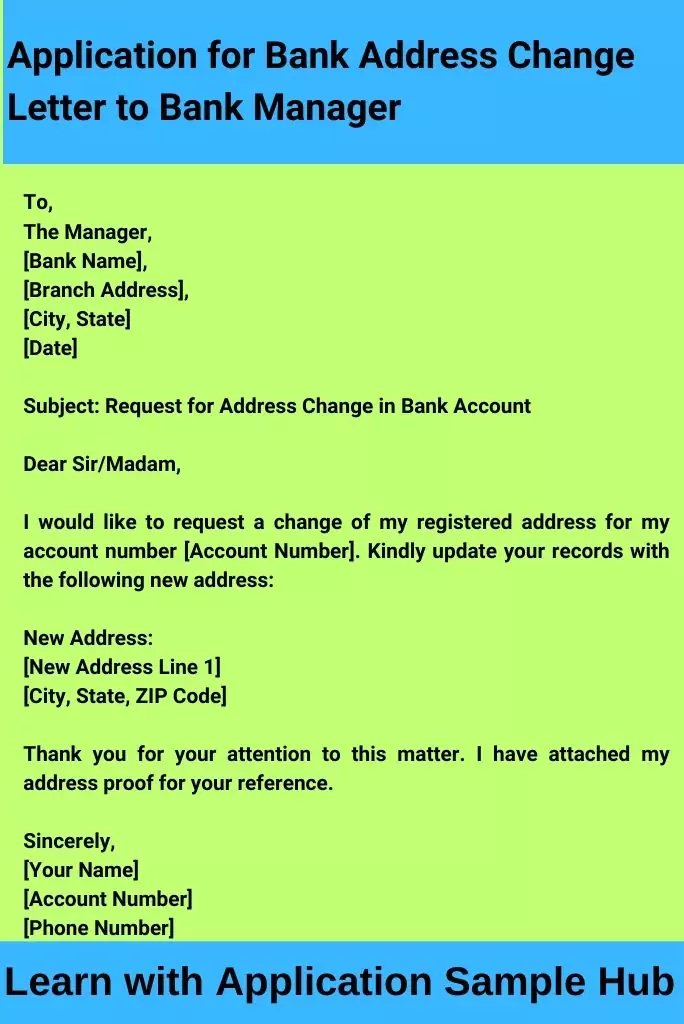
Why Updating Your Bank Address Is Crucial for Financial Well-being
Maintaining accurate personal information with your bank isn’t just about compliance; it’s a critical component of your financial security and administrative efficiency. An outdated address can open doors to various complications that could significantly impact your financial health.
Ensuring Correspondence and Statements Reach You
In an increasingly digital world, physical mail still plays a vital role in banking. Important documents such as annual statements, new card notifications, policy updates, and critical security alerts are often dispatched via post. If your bank has an old address on file, these crucial communications could be delayed, lost, or, worse, fall into the wrong hands. Missing a statement might mean overlooking fraudulent activity on your account, while a delayed new card could leave you without access to funds when you need them most. Ensuring timely receipt of these documents is fundamental to staying informed about your account activity and making informed financial decisions.
Security Against Fraud and Identity Theft
Perhaps the most significant risk associated with an outdated bank address is the increased vulnerability to fraud and identity theft. An individual with malicious intent who gains access to your old address could potentially intercept sensitive mail, including new credit cards, checks, or statements containing personal information. This information can then be used to impersonate you, open new accounts in your name, or gain unauthorized access to existing ones. Banks rely on the address as a primary identifier for security checks and verification processes. If an impostor can successfully pose as you using an outdated address, the consequences could be severe, leading to significant financial loss and long-term credit damage.
Compliance and Regulatory Requirements
Financial institutions operate under stringent regulatory frameworks, including Know Your Customer (KYC) and Anti-Money Laundering (AML) laws. These regulations require banks to maintain up-to-date and accurate information about their customers, including their residential address. An outdated address can flag your account for review, potentially leading to temporary restrictions or even freezing of funds until the information is verified. Proactively updating your address ensures compliance, avoids unnecessary scrutiny, and maintains uninterrupted access to your banking services.
Impact on Related Financial Products
Your primary bank account address often serves as the cornerstone for other financial products and services you might hold with the same institution or even across different providers. This includes credit cards, loans, mortgages, investment accounts, and insurance policies. If your bank has an outdated address, it might not automatically update related products, leading to a fragmented and inconsistent financial profile. This inconsistency can complicate applications for new loans, affect your credit score if payments are sent to the wrong address, or even invalidate insurance claims if your residency information is incorrect. A comprehensive address update ensures all your financial relationships are accurately recorded and seamlessly managed.
Common Methods for Updating Your Address
Banks have evolved their services to offer multiple convenient avenues for customers to update their personal information. The method you choose might depend on your preference for digital convenience, in-person assistance, or traditional mail.
Online Banking Portal
For many, the most straightforward and fastest way to change a bank address is through the bank’s secure online banking portal or mobile app. This method offers unparalleled convenience, allowing you to make the update from anywhere, at any time.
-
Process: Log in to your online banking account. Navigate to the “Profile,” “Personal Information,” or “Account Settings” section. Look for an option to “Edit Address” or “Change Contact Information.” You will typically need to input your new address details and might be required to verify your identity through a two-factor authentication process (e.g., a code sent to your registered phone number or email).
-
Advantages: Speed, convenience, immediate confirmation.
-
Considerations: Ensure you are on the official bank website or app. Be wary of phishing scams that mimic bank portals. Have any necessary verification information readily available.
Visiting a Local Branch
For those who prefer a more personal touch or need assistance with the process, visiting a local branch is an excellent option. This method can be particularly useful if you have complex account structures or require immediate clarification on any part of the process.
-
Process: Locate your nearest branch. Bring all necessary identification documents (e.g., driver’s license, passport) and proof of your new address (e.g., utility bill, lease agreement). Inform a teller or customer service representative of your intention to change your address. They will guide you through filling out any required forms and verify your identity on the spot.
-
Advantages: Direct human assistance, immediate verification of documents, peace of mind.
-
Considerations: Branch hours, potential wait times, requires physical travel. Some banks might recommend making an appointment beforehand, especially for more complex transactions.
Via Mail/Post
While less common in the digital age, updating your address via mail is still an option offered by many financial institutions, particularly for those who do not use online banking or live far from a branch.
-
Process: Most banks provide downloadable forms on their website or can mail you a physical form upon request. Fill out the form completely, including your old and new address details. You will typically need to include photocopies of your identification and proof of new address. Some banks may require these documents to be notarized for added security. Send the completed form and documents to the bank’s designated mailing address for customer service or address changes.
-
Advantages: Accessibility for those without internet access or nearby branches.
-
Considerations: Slower processing time, risk of documents being lost in transit, potential need for notarization, security of sending sensitive documents via mail. Always use registered mail or a tracked service for peace of mind.
Phone Banking
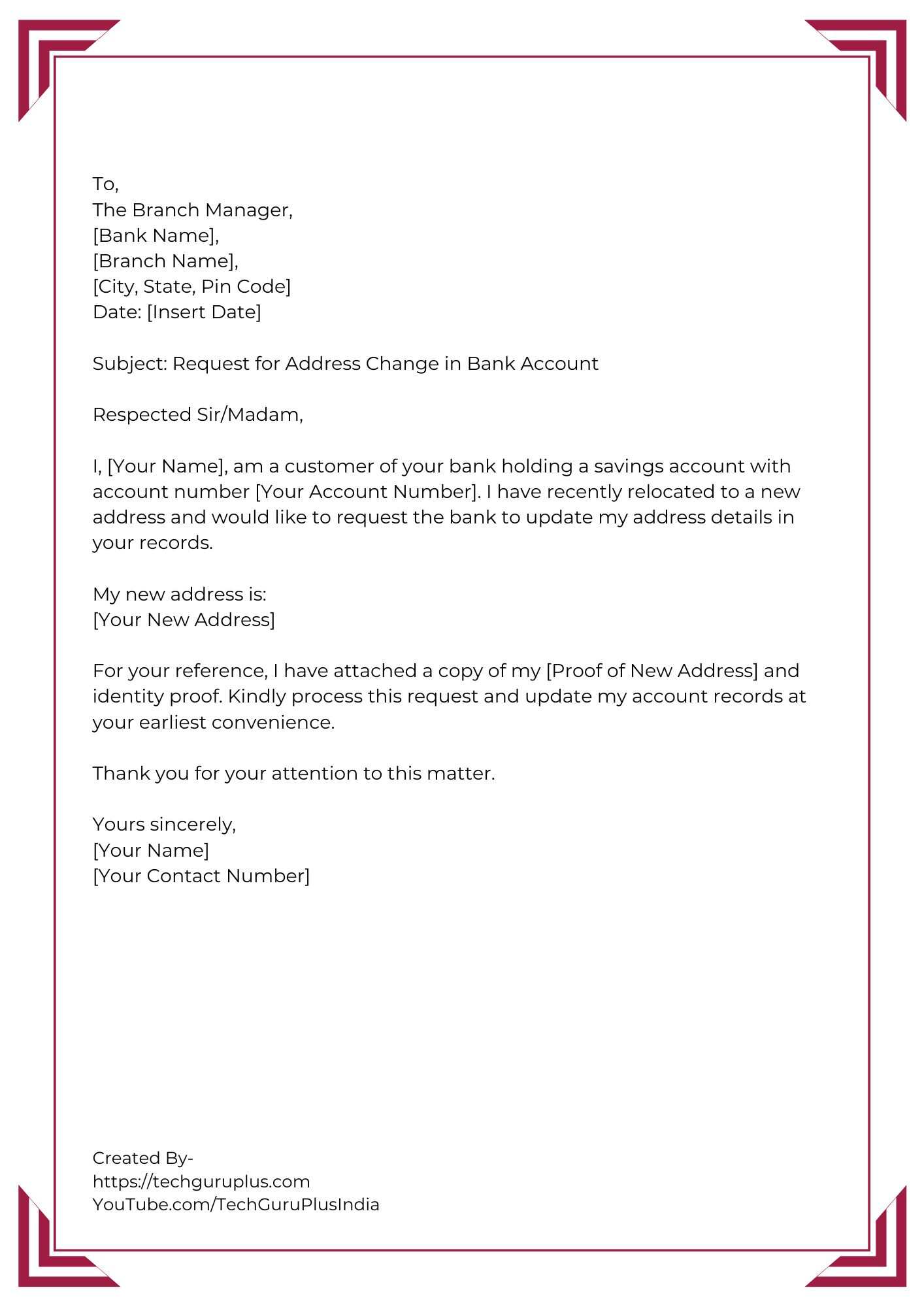
Many banks offer a dedicated phone banking service where you can speak to a customer service representative to update your address.
-
Process: Call your bank’s customer service number. After going through the automated menu, you will be connected to a representative. They will ask you a series of security questions to verify your identity before processing the address change. Be prepared to provide your old and new address details.
-
Advantages: Convenience from home, direct interaction with a representative.
-
Considerations: Potentially long wait times, reliance on strong phone reception, security questions must be answered accurately for verification.
Documents and Information You’ll Need
Regardless of the method you choose, having the correct documentation ready will streamline the address change process. Banks require these documents for identity verification and to comply with regulatory requirements.
Proof of Identity
This is fundamental to confirm that you are the legitimate account holder. Acceptable forms of ID typically include:
-
A valid, government-issued photo ID such as a driver’s license or state ID card.
-
A passport.
-
A national ID card (if applicable in your region).
Proof of New Address
To verify your new residency, banks usually require documentation that explicitly shows your name and new address. This helps prevent fraudulent address changes. Examples include:
-
A recent utility bill (electricity, gas, water, internet) issued within the last 3 months.
-
A current lease agreement or mortgage statement.
-
A government-issued document (e.g., tax assessment, vehicle registration) showing your new address.
-
Bank statement from another institution showing your new address.
Account Details
While not strictly a document, having your account number(s), sort code (or routing number in the US), and any other relevant account identifiers readily available will expedite the process, especially when using online or phone banking.
Old Address Information
You may be asked to confirm your previous address as part of the identity verification process. Ensure you remember the address currently on file with the bank.
What to Do After Changing Your Bank Address
Updating your bank address is a critical first step, but the process doesn’t end there. Proactive follow-up and comprehensive updates across all your financial and administrative touchpoints are essential for complete peace of mind.
Verify the Update
Within a few days to a week after making the change, log into your online banking portal or check your next statement to confirm that your new address has been correctly updated. If you don’t see the change reflected, contact your bank immediately to investigate.
Inform Other Financial Institutions
Your bank account is likely just one piece of your broader financial landscape. Remember to update your address with:
-
Credit Card Companies: Crucial for receiving statements and new cards securely.
-
Investment Firms: For brokerage accounts, mutual funds, or retirement accounts (e.g., 401k, IRA).
-
Loan Providers: For student loans, auto loans, or personal loans.
-
Insurance Companies: For home, auto, health, or life insurance policies.
Each institution will have its own process, so check their websites or contact their customer service for specific instructions.
Update Other Essential Services
Beyond financial institutions, a host of other services and government agencies need your new address to ensure continuity and compliance:
-
Post Office: Set up mail forwarding to ensure any mail sent to your old address reaches you.
-
Government Agencies: Update your address with the tax authority (e.g., IRS, HMRC), driver’s license bureau, and social security administration.
-
Utility Companies: For electricity, gas, water, internet, and cable at your new residence.
-
Employers: For payroll and tax documents.
-
Subscription Services: For magazines, streaming services, or delivery services.
Secure Old Mail and Data
Once you’ve moved and updated your address, ensure your old mail is handled securely. Set up a mail forwarding service with the postal service for at least six months to a year. Regularly collect mail from your old address if possible, or have a trusted person do so, to catch any lingering correspondence. Shred any sensitive documents arriving at your old address that contain personal or financial information to prevent identity theft.
Conclusion
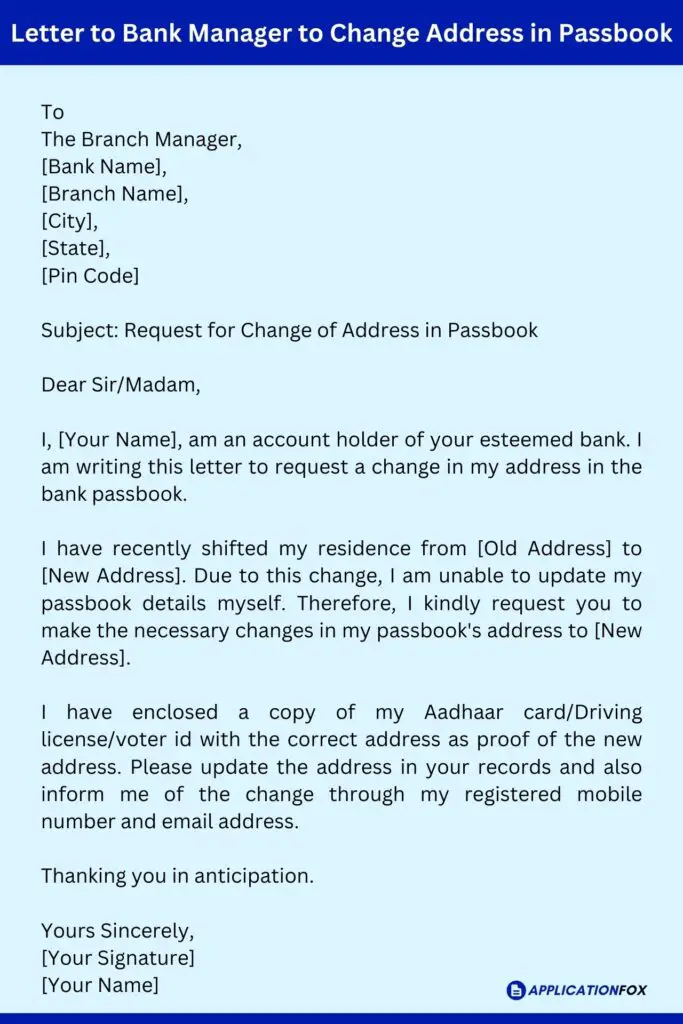
Changing your bank address is more than a simple administrative task; it’s a fundamental aspect of maintaining sound personal finances and safeguarding your identity. By proactively updating your information across all your financial and administrative touchpoints, you ensure the secure delivery of critical documents, protect yourself against potential fraud, and maintain seamless access to all your services. While the process may seem daunting amidst the chaos of moving, dedicating the necessary time and attention to this detail will ultimately save you from future headaches and contribute significantly to your long-term financial peace of mind. Make it a priority, follow the steps outlined, and secure your financial future in your new home.
aViewFromTheCave is a participant in the Amazon Services LLC Associates Program, an affiliate advertising program designed to provide a means for sites to earn advertising fees by advertising and linking to Amazon.com. Amazon, the Amazon logo, AmazonSupply, and the AmazonSupply logo are trademarks of Amazon.com, Inc. or its affiliates. As an Amazon Associate we earn affiliate commissions from qualifying purchases.