
In an era of rising living costs, the notion of “free groceries” resonates deeply with many households striving to stretch every dollar. While truly “free” might seem like a mythical aspiration, the reality is that a combination of strategic planning, savvy shopping, leveraging community resources, and adopting a financially astute mindset can significantly reduce your grocery bill—often to the point where essential food items are acquired without direct out-of-pocket expense. This article delves into the practical, actionable financial strategies and tools that can empower you to drastically cut down, or even eliminate, your grocery expenditures, transforming an often-daunting budget line item into an area of significant savings.

Leveraging Community and Government Assistance Programs
One of the most direct pathways to “free” groceries involves tapping into established support systems designed to combat food insecurity. These programs are vital financial safety nets that can provide essential nutrition when personal finances are strained. Understanding eligibility and application processes is the first step towards accessing these invaluable resources.
Understanding Food Banks and Pantries
Food banks and local food pantries are at the forefront of community-based food assistance. These organizations collect donated food from retailers, manufacturers, and individuals, then distribute it to those in need, often requiring minimal documentation beyond proof of residency or income. They are not merely emergency solutions but can be a consistent supplement to a tight budget, offering a variety of perishable and non-perishable items. Researching local food banks, understanding their distribution schedules, and familiarizing yourself with any specific requirements can unlock a regular source of free food, directly impacting your financial outlay for groceries. Many operate on a client-choice model, allowing individuals to select items that best fit their dietary needs, further enhancing their value.
Navigating SNAP and Other Federal Nutrition Programs
The Supplemental Nutrition Assistance Program (SNAP), commonly known as food stamps, is a federal initiative providing financial assistance to low-income individuals and families for purchasing groceries. While not “free” in the sense of direct physical food, SNAP benefits are deposited onto an Electronic Benefit Transfer (EBT) card, functioning like a debit card specifically for eligible food items, effectively making those groceries “free” at the point of sale for the recipient. Beyond SNAP, other federal programs like the Special Supplemental Nutrition Program for Women, Infants, and Children (WIC) offer specific nutritious foods, nutrition education, and healthcare referrals to low-income pregnant women, new mothers, and young children. Understanding the income thresholds and application procedures for these programs is crucial for accessing significant financial relief on your grocery bill.
Local and State-Specific Food Aid Initiatives
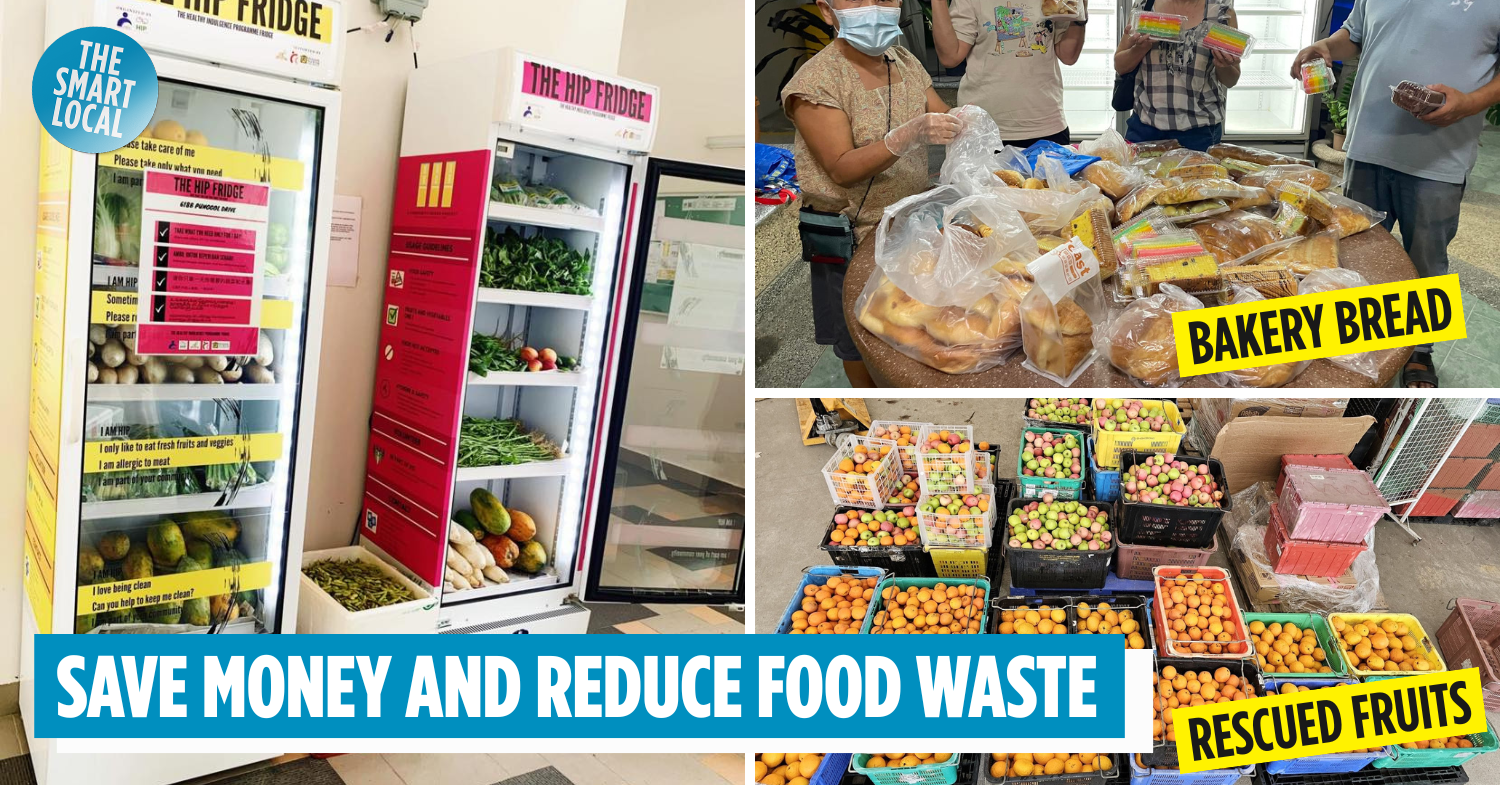
Beyond federal programs, many states and local municipalities offer their own unique food assistance programs, often working in conjunction with federal efforts or addressing specific community needs. These can include initiatives for seniors, disabled individuals, or families facing temporary hardships. Some local health departments or non-profits run initiatives like community fridges, where surplus food is shared freely, or voucher programs for farmers’ markets, allowing recipients to access fresh produce without cost. Investigating what specific aid is available in your immediate vicinity through local government websites, community centers, or social services agencies can uncover additional avenues for obtaining groceries at no cost.
School and Summer Meal Programs for Children
For families with children, school-based meal programs can provide substantial financial relief. The National School Lunch Program and School Breakfast Program offer free or reduced-price meals to eligible students during the school year. Critically, during summer months or school breaks, many districts continue to offer free meals through summer food service programs, often at community centers, parks, or libraries. These programs ensure children have access to nutritious food when school is not in session, significantly reducing the financial burden on parents for feeding their children breakfast and lunch throughout the week. Leveraging these programs means fewer meals you need to prepare and pay for at home.
Smart Shopping Habits and Strategic Planning
Beyond direct assistance, a significant portion of “getting free groceries” comes from mastering your personal finance strategies at the supermarket. By adopting disciplined shopping habits and planning meticulously, you can dramatically reduce your out-of-pocket expenses, making your budget stretch further and effectively getting more for less, or even for nothing, through maximized savings.
Mastering Meal Planning and Budgeting
The cornerstone of any effective grocery savings strategy is robust meal planning and budgeting. Before you even set foot in a store, a well-thought-out meal plan for the week or month can prevent impulse purchases, reduce food waste, and ensure you only buy what you genuinely need. Aligning your meal plan with your grocery budget—allocating a specific amount of money for food and sticking to it—is paramount. This financial discipline helps you prioritize purchases, encourages ingredient reuse across multiple meals, and ensures you’re not overspending. A detailed grocery list derived from your meal plan is your financial compass in the aisles.
The Power of Sales, Coupons, and Loyalty Programs
Never pay full price if you don’t have to. Actively seeking out sales, clipping digital and physical coupons, and enrolling in supermarket loyalty programs are non-negotiable for serious grocery savers. Loyalty programs often provide exclusive discounts, personalized offers based on your purchasing history, and points that can be redeemed for future purchases, effectively reducing your cash outlay. Stacking coupons with sales promotions can lead to items being acquired for pennies, or even entirely free in some extreme “couponing” scenarios. This requires a small investment of time but yields substantial financial dividends.
Bulk Buying and Strategic Stockpiling
For non-perishable goods or items with a long shelf life, buying in bulk when prices are at their lowest can lead to significant long-term savings. Large warehouse clubs offer competitive pricing on larger quantities, but even regular supermarkets have sales that make bulk purchases viable. Strategic stockpiling involves buying multiple units of frequently used items when they are on deep discount, ensuring you have a steady supply without needing to pay full price later. This is a financial hedging strategy against future price increases and immediate needs, effectively pre-paying for future groceries at a lower rate. However, it requires careful management of storage space and avoiding over-purchasing perishable items that might spoil.
Embracing Generic Brands and Store Brands
Private label or store brands have dramatically improved in quality over the years and often offer an identical product to their national brand counterparts at a fraction of the cost. The financial decision to choose a generic brand can instantly reduce your grocery bill by 10-30% on many items without compromising taste or quality. This simple switch is one of the most immediate and impactful financial adjustments you can make to save money on groceries. Prioritize value over brand name recognition to unlock significant savings.
Price Matching and Shopping Around
Some retailers offer price matching policies, where they will honor a competitor’s advertised price for an identical item. This strategy saves you money and the fuel costs associated with visiting multiple stores. Even without formal price matching, comparing prices across different supermarkets, discount stores, and even ethnic markets can reveal substantial differences for the same products. Understanding which stores offer the best deals for specific categories (e.g., produce at one, pantry staples at another) and planning your shopping trips accordingly can yield considerable financial benefits.
Maximizing Digital Tools for Grocery Savings
The digital age has ushered in a plethora of financial tools and applications specifically designed to help consumers save money on groceries. These platforms leverage technology to bring coupons, cashback, and price comparisons directly to your fingertips, transforming your smartphone into a powerful grocery budgeting assistant.
Grocery Savings Apps and Coupon Aggregators
A host of mobile applications are dedicated to helping you find the best deals. Apps like Ibotta, Fetch Rewards, or Checkout 51 offer cashback on specific purchases, often simply by scanning your receipt. Others, like Flipp or Basket, aggregate digital flyers and coupon codes from multiple stores, allowing you to easily compare prices and plan your shopping list based on current sales. These apps represent a modern form of coupon clipping, turning the act of buying groceries into an opportunity to earn money back, effectively reducing the net cost of your purchases. Integrating these into your shopping routine is a smart financial move.
Cashback Platforms and Reward Programs
Beyond dedicated grocery apps, general cashback credit cards and broader loyalty programs can also contribute significantly to reducing your grocery expenses. Using a credit card that offers 2-5% cashback on grocery purchases, if paid off in full each month to avoid interest, can translate into hundreds of dollars in savings annually. Many popular retailers also have their own reward systems that convert points into cash or discounts on future purchases. While not directly “free groceries,” the cashback and rewards effectively offset your spending, making subsequent purchases cheaper or, over time, free when enough rewards accumulate.
Digital Meal Planning and Inventory Management Tools
Several apps and online platforms go beyond just finding deals, helping you manage your grocery budget more holistically. Apps like Mealime or Yummly can generate meal plans based on ingredients you already have, thus reducing waste and preventing unnecessary purchases. Inventory management features, sometimes integrated into smart refrigerators or standalone apps, track what’s in your pantry and fridge, preventing duplicate buys and prompting you to use items before they expire. By optimizing your consumption and minimizing waste, these digital tools directly contribute to financial savings, as every item used is one you don’t need to replace.
Creative Approaches to Acquiring Food
Sometimes, thinking outside the traditional supermarket box can unlock entirely new avenues for acquiring food with minimal or no financial outlay. These creative strategies often involve community engagement, resourcefulness, and a willingness to embrace alternative food sources.
Foraging and Community Gardens
For the adventurous and informed, urban foraging or participating in community gardens can provide fresh produce and herbs at no financial cost. Many public spaces, with proper permission and knowledge, contain edible wild plants, berries, and nuts. Community gardens offer plots where individuals can grow their own food, investing time and effort rather than money. These methods not only provide fresh, healthy food but also foster a deeper connection to nature and self-sufficiency, reducing your reliance on the commercial food system and its associated costs.
Food Waste Reduction Apps and Programs
Apps like Too Good To Go or Flashfood connect consumers with restaurants and grocery stores that have surplus food nearing its expiration date, offering it at heavily discounted prices—sometimes 50% off or more. While not entirely “free,” these platforms provide high-quality food at a fraction of its original cost, making it incredibly budget-friendly. Similarly, some bakeries or coffee shops donate their unsold items at the end of the day to local charities or directly to individuals. Actively seeking out these programs contributes to reducing food waste and offers a financially smart way to access fresh meals and produce.
Bartering and Skill-Share Networks
In some communities, bartering for food or services can be a viable option. If you have excess produce from a home garden, baking skills, or can offer a service like pet-sitting or tech support, you might be able to exchange it for groceries with neighbors or within local skill-share networks. This circular economy model bypasses monetary transactions entirely, leveraging mutual needs and resources to acquire food without financial cost. It requires community engagement and an understanding of what skills or goods you possess that others might value.
Earning Free Groceries Through Gigs and Surveys
While not direct food acquisition, participating in online surveys, micro-task platforms, or even mystery shopping gigs can earn you gift cards to grocery stores or general cash that can be specifically allocated for groceries. Websites like Swagbucks, Survey Junkie, or Opinion Outpost offer points or cash rewards for completing various tasks. While the hourly rate might not be high, the flexibility allows you to earn grocery money in your spare time, effectively making those groceries “free” because they are paid for by your time and effort rather than your primary income.
Cultivating a Frugal Grocery Mindset for Long-Term Savings
Ultimately, “getting free groceries” is less about magic and more about a sustained financial philosophy towards food consumption. It involves making conscious choices, prioritizing value, and consistently seeking opportunities to optimize your food budget. This mindset shift is the most powerful tool for long-term grocery savings.
Shifting Spending Habits
A fundamental shift in how you view and approach grocery shopping is crucial. This means moving away from impulse buys, prioritizing needs over wants, and being open to trying new, more affordable ingredients. It involves understanding that convenience often comes at a premium and that preparing meals from scratch can save significant amounts of money. Your spending habits are a direct reflection of your financial priorities; by consciously directing your grocery spending towards value and efficiency, you fundamentally alter your relationship with your food budget.
Cooking at Home and Reducing Waste
One of the most impactful financial habits is consistently cooking meals at home. Restaurant meals, takeout, and pre-prepared foods carry significant markups. By cooking from scratch, you control ingredient costs, portion sizes, and reduce waste. Furthermore, actively managing leftovers, repurposing ingredients, and understanding food storage techniques can drastically reduce the amount of food that ends up in the bin. Every piece of food saved from waste is money saved and effectively makes your existing groceries go further, akin to getting more for your initial outlay.
Understanding the True Cost of Convenience
Convenience items—pre-chopped vegetables, single-serving snacks, ready-to-eat meals—often carry a hidden premium. While they save time, they cost significantly more than their raw counterparts. A frugal grocery mindset understands and challenges this premium, opting for the financially smarter choice of investing a little more time in preparation to save substantial amounts of money. By consciously choosing to peel your own carrots or brew your own coffee, you are making a financially sound decision that accumulates into significant savings over time, contributing to an overall reduction in your grocery expenses.
Conclusion
The quest for “free groceries” is a journey that intertwines financial literacy, resourcefulness, and a proactive approach to managing household expenses. While truly acquiring every food item without any exchange might be an extreme ideal, the strategies outlined above demonstrate that it is entirely possible to drastically reduce, and in many cases eliminate, the direct cash outlay for your groceries. By leveraging community and government assistance, adopting smart shopping habits, utilizing digital tools, exploring creative acquisition methods, and cultivating a frugal mindset, you can transform your grocery budget from a source of stress into an area of significant financial empowerment. Begin by implementing one or two of these strategies, gradually building a comprehensive approach that puts you in control of your food costs and allows you to enjoy the profound financial benefits of getting your groceries for less, or for free.
aViewFromTheCave is a participant in the Amazon Services LLC Associates Program, an affiliate advertising program designed to provide a means for sites to earn advertising fees by advertising and linking to Amazon.com. Amazon, the Amazon logo, AmazonSupply, and the AmazonSupply logo are trademarks of Amazon.com, Inc. or its affiliates. As an Amazon Associate we earn affiliate commissions from qualifying purchases.