
When audiences flock to a production of the hit Broadway musical Newsies, they are often swept away by the high-energy choreography, the soaring Alan Menken score, and the charismatic performances. However, beneath the theatrical veneer lies a sophisticated narrative regarding labor economics, predatory pricing, and the power of collective bargaining. To understand what the Newsies musical is truly about from a financial and business perspective, one must look past the tap dancing and analyze it as a case study in market disruption and the struggle for fair margins within a high-volume, low-margin distribution model.
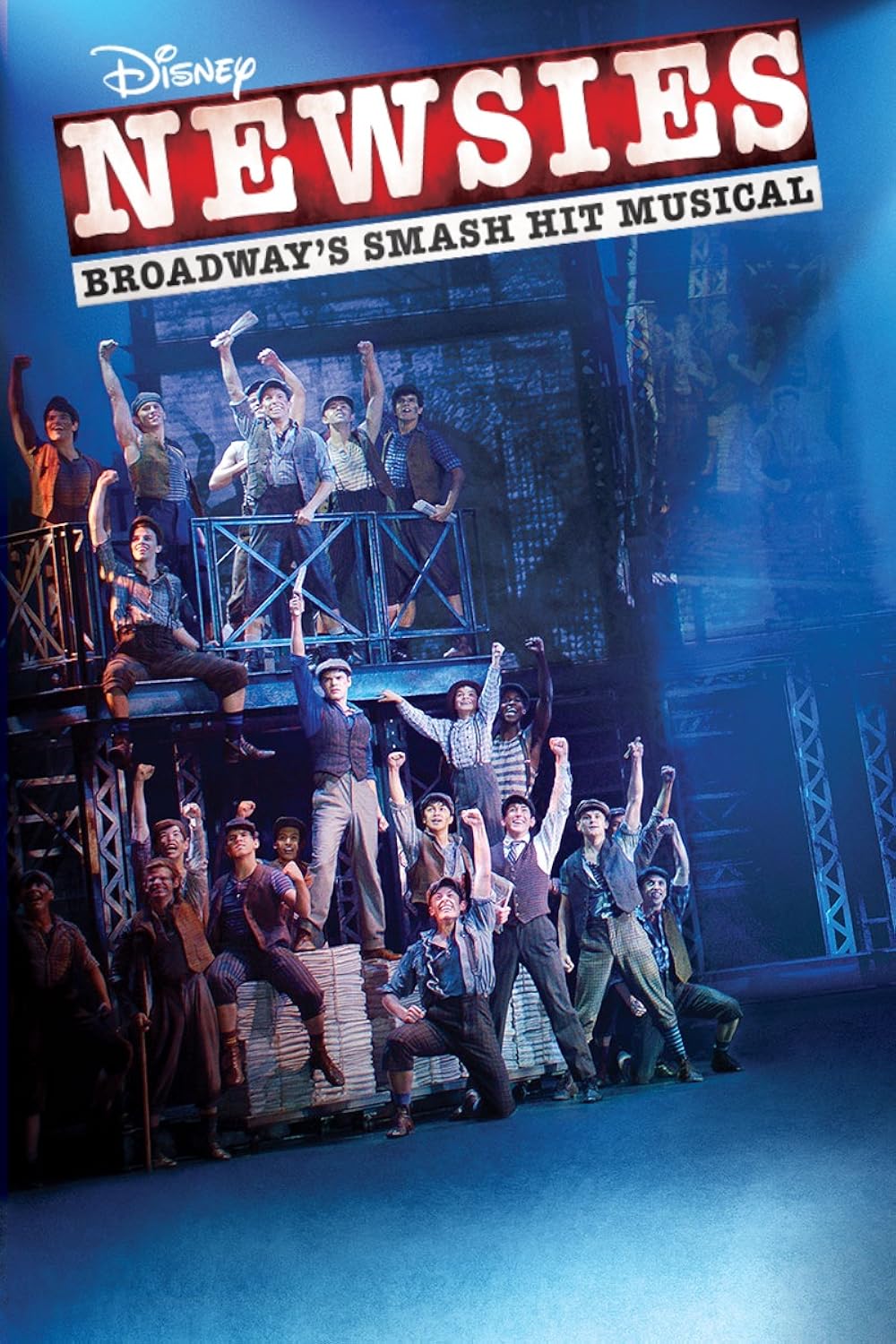
The story is a fictionalized account of the actual Newsboys’ Strike of 1899 in New York City. At its core, the conflict is not merely a social drama but a classic dispute over wholesale pricing and the financial viability of independent contractors in a monopolistic landscape.
The Economics of the Penny Press: Analyzing the Unit Margin
To grasp the stakes of the musical, one must first understand the business model of the late 19th-century newspaper industry. The “Newsies”—the children and teenagers who sold papers on the street—were not employees of the publishing giants like Joseph Pulitzer’s New York World or William Randolph Hearst’s New York Journal. Instead, they operated as independent distributors. They purchased their inventory upfront at wholesale prices and assumed all the risk of unsold stock.
The Wholesale Price Hike
The inciting incident of the musical’s plot is a tactical business decision made by Joseph Pulitzer to offset declining circulation revenues following the Spanish-American War. Pulitzer and his colleagues decided to raise the wholesale cost of newspapers for the newsboys from 50 cents to 60 cents per hundred papers. In the world of high-frequency retail, a 10-cent increase might seem negligible to a layman, but from a business finance perspective, it represented a 20% increase in the cost of goods sold (COGS).
The Impact on Individual Profitability
Before the price hike, a newsboy’s profit margin was thin. Selling a hundred papers at one cent each yielded a gross revenue of one dollar. With a wholesale cost of 50 cents, the distributor retained a 50% gross margin. When the cost rose to 60 cents, the gross margin plummeted to 40%. For a demographic living on the edge of poverty, this 10% shift in total margin was the difference between financial stability and insolvency.
Furthermore, the publishers refused to “buy back” unsold papers. This meant the newsboys bore the total burden of inventory risk. If a boy bought 100 papers but only sold 60, he broke even under the old pricing but faced a net loss under the new pricing. The musical highlights this financial desperation, framing the strike as a necessary reaction to a squeeze on the “little guy’s” bottom line.
Collective Bargaining as a Lever for Market Power
In any free market, when a supplier (the publisher) holds a monopoly or operates within a cartel, the individual distributor has zero leverage. The Newsies musical illustrates the transition from a fragmented group of competing independent contractors to a unified labor front. This is a fundamental lesson in labor economics: the shift from individual weakness to collective market power.
Forming a Union in a Gig Economy
The protagonists of the story, led by the fictional Jack Kelly, recognize that as individuals, they are replaceable. In modern parlance, they were part of the “gig economy.” Their lack of a formal contract meant they had no job security. However, they also realized they were the primary “last-mile” delivery mechanism for the publishers.
By organizing the Newsboys’ Strike, they effectively shut down the distribution channel. This was a classic “bottleneck” strategy. If the product cannot reach the consumer, the manufacturer’s revenue drops to zero, regardless of how much they spend on production or marketing. The musical portrays the formation of the “Newsboys Union” as a strategic move to force a negotiation where one previously did not exist.
The Tactics of Disruption
The strike was not just about refusing to work; it was about preventing “scabs” (replacement labor) from filling the void. In a business context, this is an attempt to protect market share and ensure the strike’s effectiveness. By disrupting the supply chain and physically preventing the distribution of the World and the Journal, the newsboys created a financial crisis for the publishers. Advertising revenue, which was the lifeblood of the newspapers, was tied to circulation numbers. When the newsboys stopped selling, circulation plummeted, and advertisers began to pull their contracts. This forced the publishers to the bargaining table—not out of a sense of morality, but out of financial necessity.
Corporate Strategy and Branding in the 1890s

While the newsboys are the protagonists, the musical also offers a fascinating look at the corporate strategy of figures like Joseph Pulitzer. To Pulitzer, the newsboys were merely a line item on a balance sheet. His goal was to maximize shareholder value (or in his case, personal wealth and the paper’s dominance) by squeezing the distribution chain.
The Power of the Press and Public Relations
The musical explores how the media can be used as a tool for corporate branding. Pulitzer used his own paper to control the narrative, painting the strikers as hoodlums or ignoring the strike altogether to prevent it from gaining public sympathy. This is a recurring theme in corporate identity: the management of public perception during a PR crisis.
The Counter-Brand: The “Newsie” Identity
Conversely, the newsboys had to build their own brand to gain public support. Through the character of Katherine Plumber, a journalist, the strikers found a way to utilize the “power of the press” against the publishers themselves. They understood that to win, they needed the public to see them not as street urchins, but as essential workers fighting for a “square deal.” This is a masterclass in grassroots marketing and personal branding. By the end of the musical, the “Newsie” identity becomes a symbol of the underdog’s resilience, a brand so powerful that it eventually forces the hand of the establishment.
Modern Parallels: Side Hustles, Gig Work, and Financial Resilience
Though the musical is set in 1899, its themes are incredibly relevant to modern personal finance and the evolving nature of income. The newsboys were the original “side hustlers.” Many of them worked multiple jobs, held no formal employment, and relied entirely on their own salesmanship to survive.
The Vulnerability of Independent Contractors
Today, millions of workers participate in the gig economy via apps for ride-sharing, food delivery, and freelance services. Like the newsboys, these modern workers often face sudden changes in algorithm-driven pricing or commission structures that can drastically affect their take-home pay. Newsies serves as a historical mirror to the modern debate over worker classification and the rights of independent contractors.
Diversification and Financial Literacy
In the musical, we see characters like Davey, who brings a level of organizational structure and financial literacy to the movement. He understands the math behind the strike. He realizes that for the movement to be sustainable, they need to diversify their reach and include newsboys from all boroughs. This is a lesson in scaling a business or a movement: localized success is a start, but true market influence requires regional or national scale.
The Settlement: A Lesson in Negotiation and Compromise
The resolution of the Newsies musical (and the actual historical strike) provides a vital lesson in business negotiation. The publishers did not ultimately lower the wholesale price back to 50 cents. Instead, they reached a compromise that addressed the newsboys’ primary financial risk: the cost of unsold inventory.
The publishers agreed to buy back all unsold papers at the end of the day. This shifted the inventory risk back from the distributor to the manufacturer. For the newsboys, this was a massive financial win. Even with a 60-cent wholesale price, the ability to return unsold goods meant they would never lose money on a day’s work. Their downside was capped, while their upside remained tied to their sales performance.
In business finance, this is known as a “risk mitigation strategy.” It highlights that in many negotiations, the price is not the only variable. Terms regarding returns, payment schedules, and liability are often just as important to the long-term health of a business as the headline cost.
Conclusion: The Bottom Line of the Broadway Hit
What is the Newsies musical about? On the surface, it is a heartwarming tale of youth overcoming adversity. But through the lens of money and business, it is an intricate study of the frictions between labor and capital. It illustrates the fundamental principles of unit economics, the strategic importance of distribution channels, and the power of collective action to correct market imbalances.
For the modern professional or entrepreneur, Newsies is a reminder that margins matter, risk must be managed, and that in the face of predatory corporate strategies, the most valuable asset one can have is the leverage provided by a unified front and a compelling brand. The “King of New York” isn’t just the one with the biggest office; it’s the one who controls the flow of value in the marketplace.
aViewFromTheCave is a participant in the Amazon Services LLC Associates Program, an affiliate advertising program designed to provide a means for sites to earn advertising fees by advertising and linking to Amazon.com. Amazon, the Amazon logo, AmazonSupply, and the AmazonSupply logo are trademarks of Amazon.com, Inc. or its affiliates. As an Amazon Associate we earn affiliate commissions from qualifying purchases.