
In the high-stakes environment of modern healthcare, clarity is the cornerstone of patient safety. For decades, the medical community relied on a standardized set of Latin abbreviations to communicate dosage instructions. Among the most common was “QD,” derived from the Latin quaque die, meaning “once a day.” However, as the healthcare landscape transitions from paper charts to sophisticated digital ecosystems, the way we communicate “once a day” has undergone a technological revolution. Today, understanding the medical abbreviation for once a day is not just about memorizing Latin; it is about understanding how HealthTech, Electronic Health Records (EHRs), and AI-driven platforms are redefining clinical communication to eliminate human error.
From Latin Shorthand to Digital Precision
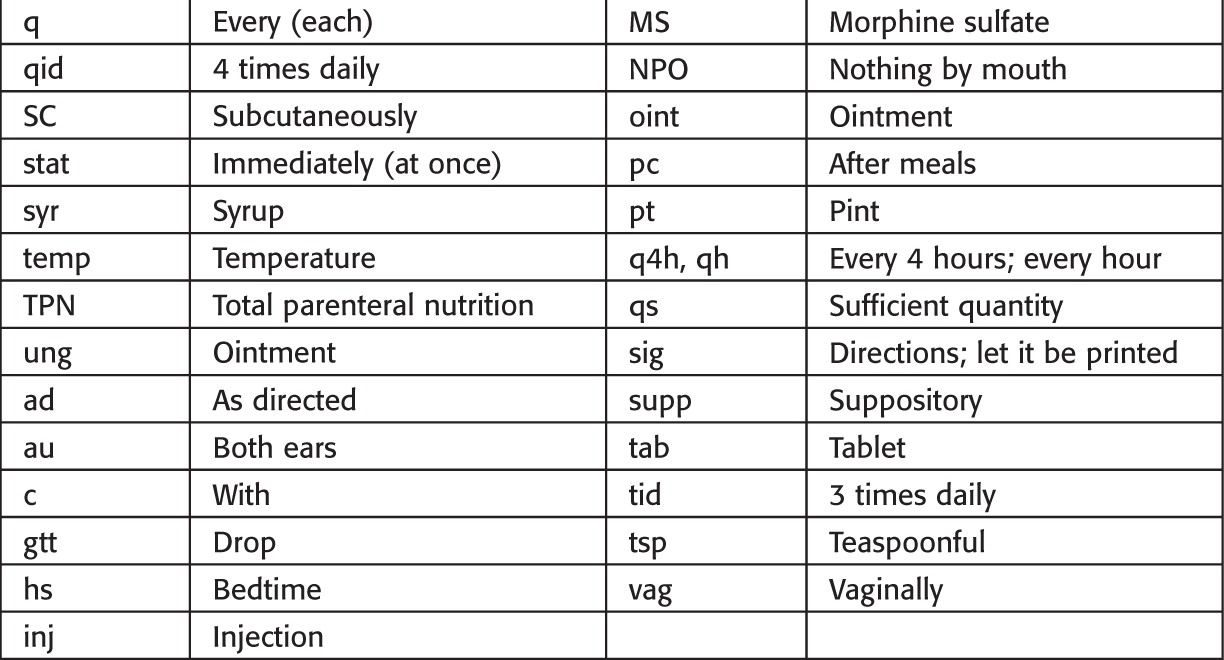
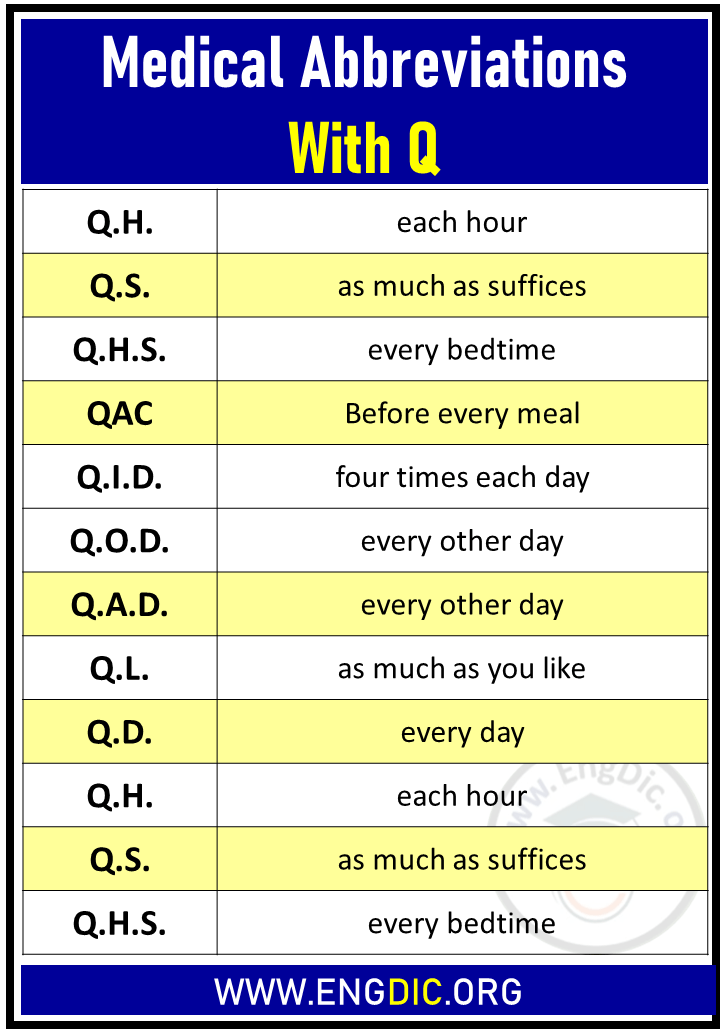
The history of medical abbreviations is rooted in a need for brevity. In the era of handwritten prescriptions, physicians used shorthand like QD (once a day), BID (twice a day), and TID (three times a day) to save time. However, this efficiency came with significant risks. Poor handwriting often led to “QD” being misread as “QID” (four times a day), a mistake that could lead to a fourfold overdose for a patient.
The Shift Toward Standardized Terminology
The Institute for Safe Medication Practices (ISMP) and The Joint Commission eventually placed “QD” on their “Do Not Use” list. In the modern medical framework, the abbreviation has been largely replaced by the explicit instruction “daily” or “once daily.” This shift was not merely a change in policy but a catalyst for the development of new healthcare software standards.
Today’s HealthTech platforms are built with “hard stops” and “soft alerts” regarding these legacy abbreviations. When a practitioner types “QD” into a modern EHR system like Epic or Cerner, the software often automatically flags the term, requiring the user to select the standardized “daily” or “once daily” from a dropdown menu. This is a prime example of how software design can proactively mitigate clinical risks.
The Role of UI/UX in Clinical Safety
The transition from abbreviations to full text is a victory for user interface (UI) and user experience (UX) design in the medical field. Designers of clinical software prioritize cognitive load reduction. By replacing ambiguous abbreviations with clear, standardized language, software reduces the mental energy required for a pharmacist or nurse to interpret an order. This digital evolution ensures that the instruction for “once a day” is interpreted correctly 100% of the time, regardless of the user’s fatigue level or the complexity of the patient’s care plan.
How HealthTech Optimizes “Once a Day” Adherence
Medication adherence is one of the most significant challenges in modern medicine, with billions of dollars lost annually due to non-compliance. For medications prescribed “once a day,” the simplicity of the schedule should theoretically lead to higher adherence. However, the “once a day” instruction often lacks the necessary context—should it be taken in the morning? With food? Before bed? This is where mobile health (mHealth) technology steps in.
Smart Medication Management Apps
Consumer-facing apps like Medisafe and Mango Health have transformed the “once a day” instruction into interactive digital experiences. These apps do not simply list an abbreviation; they utilize push notifications, gamification, and biometric triggers to ensure the dose is taken.
- Contextual Alerts: Using GPS and time-tracking, these apps can suggest the best time for a “once a day” dose based on the user’s routine.
- Visual Verification: Many apps include databases of pill images, helping users confirm they are taking the correct medication.
- Family Syncing: Cloud-based Tech allows caregivers to receive alerts if a “once a day” dose is missed, creating a digital safety net for elderly or high-risk patients.
IoT and Smart Dispensers
The Internet of Things (IoT) has introduced hardware solutions that automate the “once a day” frequency. Smart pill dispensers, connected to home Wi-Fi networks, can be programmed by pharmacists or doctors remotely. These devices physically lock the medication until the scheduled time, dispensing exactly one dose per day. This technology eliminates the need for the patient to even understand the abbreviation; the hardware handles the logic of the prescription frequency, providing a fail-safe against double-dosing or forgetting.
Artificial Intelligence and Natural Language Processing
One of the most exciting frontiers in HealthTech is the use of Artificial Intelligence (AI) and Natural Language Processing (NLP) to bridge the gap between legacy medical notes and modern data standards.
Translating Shorthand with NLP
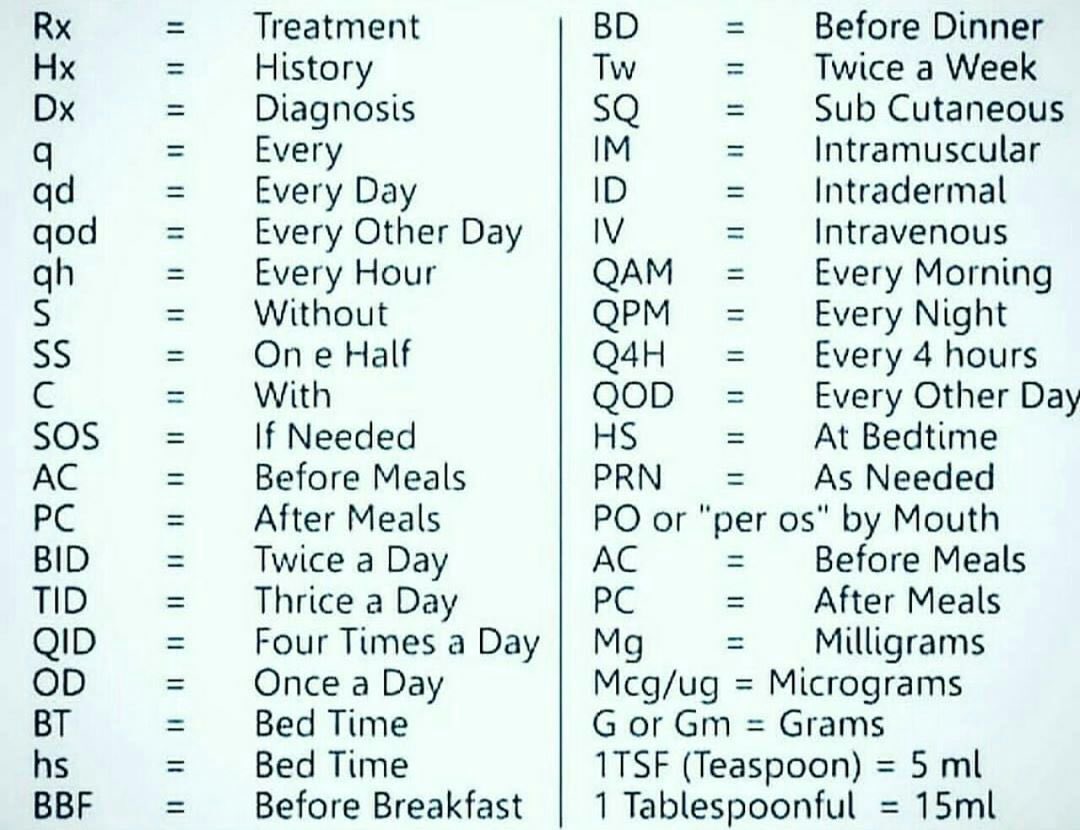
There are millions of historical medical records that still contain abbreviations like QD, BID, and QID. For healthcare systems attempting to migrate this data into structured databases, AI is essential. NLP algorithms are trained to scan handwritten or typed historical notes, identify the context of the abbreviation, and “translate” it into standardized, machine-readable code.
For instance, an AI tool can look at a legacy note that says “Lisinopril 10mg QD” and automatically convert it to a structured data field: Medication: Lisinopril; Dosage: 10mg; Frequency: Once Daily. This allows for better longitudinal data analysis and ensures that AI-driven clinical decision support systems can accurately assess a patient’s medication history.
Predictive Analytics for Adherence
AI is also being used to predict which patients are likely to struggle with “once a day” regimens. By analyzing data points such as pharmacy refill history, socioeconomic factors, and past digital engagement, predictive models can flag patients who may need more intensive Tech-based interventions, such as automated phone calls or specialized smart packaging.
The Business of Clear Communication: Why Tech Integration Matters
The move away from “QD” and toward structured digital input is not just a clinical necessity; it is a business imperative for healthcare organizations. In the era of Value-Based Care (VBC), hospitals and clinics are often reimbursed based on patient outcomes rather than the volume of services provided.
Reducing Liability and Costs
Medication errors are a primary source of malpractice litigation. By investing in robust EHR systems that forbid the use of dangerous abbreviations, healthcare organizations significantly reduce their liability. From a financial perspective, the ROI on implementing advanced prescribing Tech is realized through fewer adverse drug events (ADEs), which are incredibly costly to treat.
Interoperability and Global Standards
The medical abbreviation for once a day is also a factor in global health interoperability. As patients move between different healthcare systems or even different countries, their digital health records must be universally understood. Organizations like HL7 (Health Level Seven International) develop standards such as FHIR (Fast Healthcare Interoperability Resources) that define how medication data should be structured.
In these global standards, abbreviations like “QD” are replaced by standardized code systems like RxNorm or SNOMED CT. These codes act as a universal language for “once a day,” allowing a software system in Japan to perfectly understand a prescription generated in New York. This level of technical synchronization is the backbone of the modern, connected medical world.
The Future of Prescription Communication
As we look toward the future, the very concept of a “medical abbreviation” may become obsolete, replaced by seamless data transfers between practitioners, pharmacists, and patients.
Voice-Activated Clinical Documentation
Ambient sensing and voice-to-text technology are currently being integrated into exam rooms. As a doctor tells a patient, “Take this pill once a day,” AI assistants like Nuance’s DAX or Amazon’s HealthScribe capture that natural language, interpret the intent, and automatically populate the electronic prescription with the correct “once daily” frequency. This eliminates the need for the physician to ever type an abbreviation, returning the focus to the patient-provider relationship.
Blockchain for Prescription Integrity
Blockchain technology is being explored as a way to secure the “once a day” instruction. By creating an immutable ledger of a prescription’s journey—from the doctor’s order to the pharmacy’s dispense to the patient’s ingestion—blockchain ensures that the instruction cannot be altered or misinterpreted. This creates a transparent audit trail that is invaluable for specialty medications and controlled substances.
Personalized Medicine and Dynamic Dosing
Finally, the rise of pharmacogenomics and wearable health tech may soon change the meaning of “once a day.” Instead of a static 24-hour cycle, wearable devices that monitor real-time metabolic rates or drug levels in the blood could prompt a user to take their medication at the precise moment it is most effective. In this scenario, the “once a day” instruction is replaced by a “smart dose” notification, triggered by biological data rather than a clock.
In conclusion, while “QD” was once the standard answer to “what is the medical abbreviation for once a day,” the Tech industry has moved the needle toward greater clarity and safety. Through the integration of EHR guardrails, AI-driven translation, and IoT-enabled adherence tools, the healthcare world is ensuring that “once a day” is no longer a shorthand prone to error, but a precisely executed digital command that saves lives.
aViewFromTheCave is a participant in the Amazon Services LLC Associates Program, an affiliate advertising program designed to provide a means for sites to earn advertising fees by advertising and linking to Amazon.com. Amazon, the Amazon logo, AmazonSupply, and the AmazonSupply logo are trademarks of Amazon.com, Inc. or its affiliates. As an Amazon Associate we earn affiliate commissions from qualifying purchases.