
Understanding the Kurdish religious landscape requires looking beyond theology and into the robust economic ecosystems that sustain these diverse communities. For the modern investor, financial analyst, or entrepreneur, the “Kurdish religion” is not a monolith but a complex network of Sunni Islam, Yezidism, Yarsanism (Ahl-e Haqq), and small but significant Christian and Jewish historical legacies. Each of these groups maintains unique financial structures, charitable foundations, and capital allocation strategies that influence the broader markets of the Middle East. From the management of vast endowment lands (Waqf) to the burgeoning sector of religious tourism, the financial dimension of Kurdish spiritual life offers a sophisticated case study in cultural capital and regional economic resilience.
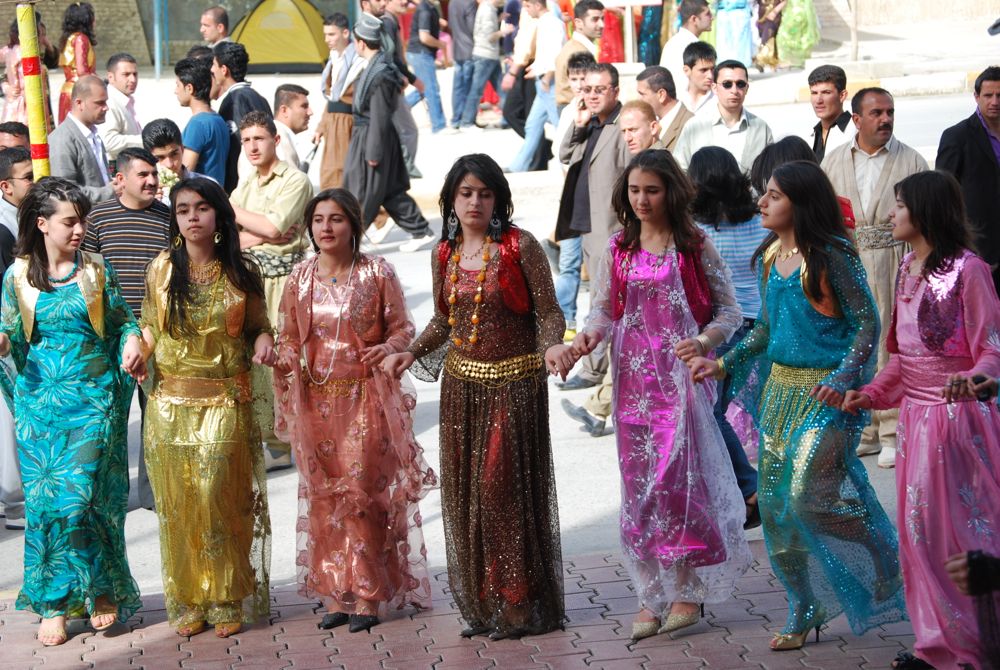
The Socio-Economic Mosaic: Faith as a Financial Catalyst
The predominant religious identity among Kurds is Sunni Islam, following the Shafi’i school. From a business perspective, this creates a specific demand for Islamic finance tools, Sharia-compliant investment vehicles, and halal-certified supply chains. However, the unique “Kurdish” flavor of these institutions often involves a high degree of integration with local tribal social safety nets, which act as informal credit unions and insurance providers.
The Role of the Waqf in Real Estate and Urban Development
One of the most significant financial pillars of the Kurdish religious landscape is the Waqf system. These are religious endowments—typically land, buildings, or commercial assets—dedicated to the upkeep of mosques, schools, and charitable works. In major Kurdish hubs like Erbil, Sulaymaniyah, and Duhok, the Waqf departments manage prime real estate. For developers, understanding the legalities of Waqf land is essential for urban expansion. These assets are often underutilized, representing a massive reservoir of untapped capital that, if modernized through public-private partnerships, could revitalize historic city centers and generate sustainable rental income for community welfare.
Yezidism and the Economy of Pilgrimage
The Yezidi faith, indigenous to the Kurdish regions, centers its spiritual and economic activity around the holy site of Lalish. Unlike the broader Islamic financial models, Yezidi communities often rely on highly localized, communal wealth-pooling. Following the displacement crises of the last decade, there has been a significant shift toward “Diaspora Finance.” Yezidi communities in Europe and North America now represent a major source of foreign direct investment (FDI) for the reconstruction of religious infrastructure. This flow of capital is not merely philanthropic; it is driving a niche market in construction, solar energy deployment for remote shrines, and digital preservation services.
The Multi-Billion Dollar Potential of Religious Tourism
As the Kurdistan Region of Iraq (KRI) seeks to diversify its economy away from oil, religious and cultural tourism has emerged as a high-growth sector. The “Kurdish religion” experience is increasingly being packaged as a premium travel product, attracting both pilgrims and cultural historians. This shift represents a significant opportunity for the hospitality industry, transport logistics, and digital fintech solutions tailored to international travelers.
Infrastructure Investment and Hospitality
The geography of Kurdish religious sites—often located in picturesque, mountainous terrain—makes them ideal for “Spiritual Eco-Tourism.” Investors are increasingly looking at boutique hotel developments near sites like the Akre Great Mosque or the shrines of the Yarsan in Hawraman. The financial feasibility of these projects relies on the development of “Pilgrimage Corridors.” By investing in high-quality road networks and sustainable hospitality hubs, the region can capture a larger share of the global religious travel market, which is valued at over $18 billion globally.
Fintech and the Modernization of Tithing
Traditional religious practices such as Zakat (obligatory almsgiving) and Khums are being revolutionized by digital financial tools. In Kurdish urban centers, there is a growing trend of using mobile payment gateways and blockchain-based platforms to track and distribute charitable funds. This transparency increases donor confidence, leading to higher rates of capital mobilization. Startups that provide “Faith-Tech” solutions—apps that facilitate religious taxes, crowdfunding for shrine restoration, or digital marketplaces for local religious artifacts—are seeing increased interest from regional venture capitalists.
Ethical Investing and the Business of Preservation
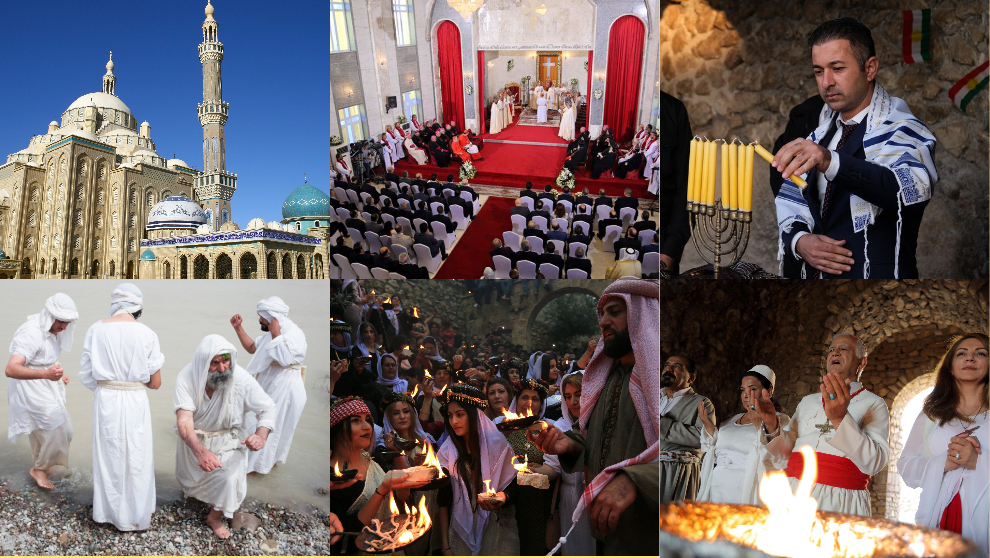
The preservation of Kurdish religious heritage is no longer seen solely as a cultural endeavor; it is an ESG (Environmental, Social, and Governance) investment. International organizations and private equity firms are recognizing that stabilizing cultural identity through religious preservation is a prerequisite for long-term regional economic stability.
The Rise of Cultural Social Responsibility (CSR)
Major corporations operating in the Kurdistan region, particularly in the energy and telecommunications sectors, are allocating significant portions of their CSR budgets to the restoration of religious sites. This is a strategic move to build “social license to operate.” For a brand, being associated with the restoration of a 12th-century minaret or a Yezidi temple provides a level of community trust that traditional marketing cannot buy. This has created a secondary market for specialized architectural firms, heritage consultants, and high-tech surveying companies using LiDAR and 3D modeling.
Impact Investing in Minority Economies
There is a growing movement of impact investing aimed specifically at religious minority enclaves within the Kurdish territories. These investments focus on small and medium-sized enterprises (SMEs) that produce religious goods, traditional textiles used in ceremonies, and artisanal crafts. By providing micro-finance and market access to these niche producers, investors can generate moderate returns while fostering the economic independence of marginalized religious groups. This “Inclusive Finance” model is gaining traction as a tool for peacebuilding and economic diversification.
Navigating Local Financial Systems: Tithing, Trusts, and Community Wealth
The financial machinery of Kurdish religious life often operates in parallel with the formal banking sector. To understand the “money” of Kurdish religion, one must analyze the informal and semi-formal systems that move capital across borders and generations.
Hawala and Religious Remittances
The Hawala system—an informal method of transferring money without any physical movement of cash—remains a dominant force in the Kurdish religious economy. It is frequently used by the diaspora to send funds for religious feasts (Eids), temple maintenance, or supporting local clerics. While international regulators have sought to formalize these channels, the trust-based nature of Hawala makes it incredibly efficient for the religious sector. Financial institutions that can bridge the gap between Hawala’s speed and formal banking’s compliance stand to capture a significant volume of transactional revenue.
The Business of Religious Education
Kurdish religious schools (Madrasas) and private spiritual institutes are increasingly adopting corporate-style management. In cities like Sulaymaniyah, these institutions are moving toward a tuition-based model supplemented by private endowments. This has created a demand for professional educational management, digital learning platforms, and curriculum development services. The “Education-as-a-Service” (EaaS) model within the religious sector represents a stable, recession-proof investment opportunity, as demand for spiritual and moral education remains constant regardless of oil price fluctuations.
Future Outlook: The Economic Resilience of Kurdish Pluralism
The financial future of the Kurdish religious landscape is tied to its ability to modernize while maintaining its unique cultural identity. The transition from an economy of “survival” to an economy of “growth” is well underway.
Digital Assets and Cultural Heritage
As the world moves toward the tokenization of assets, Kurdish religious heritage presents a unique frontier. There is potential for the creation of “Cultural Heritage NFTs” or blockchain-based registries for historical religious manuscripts. These digital assets can serve as collateral for loans or as a means of raising global capital for physical preservation. This intersection of ancient faith and cutting-edge fintech is where the next generation of Kurdish entrepreneurs is likely to find success.
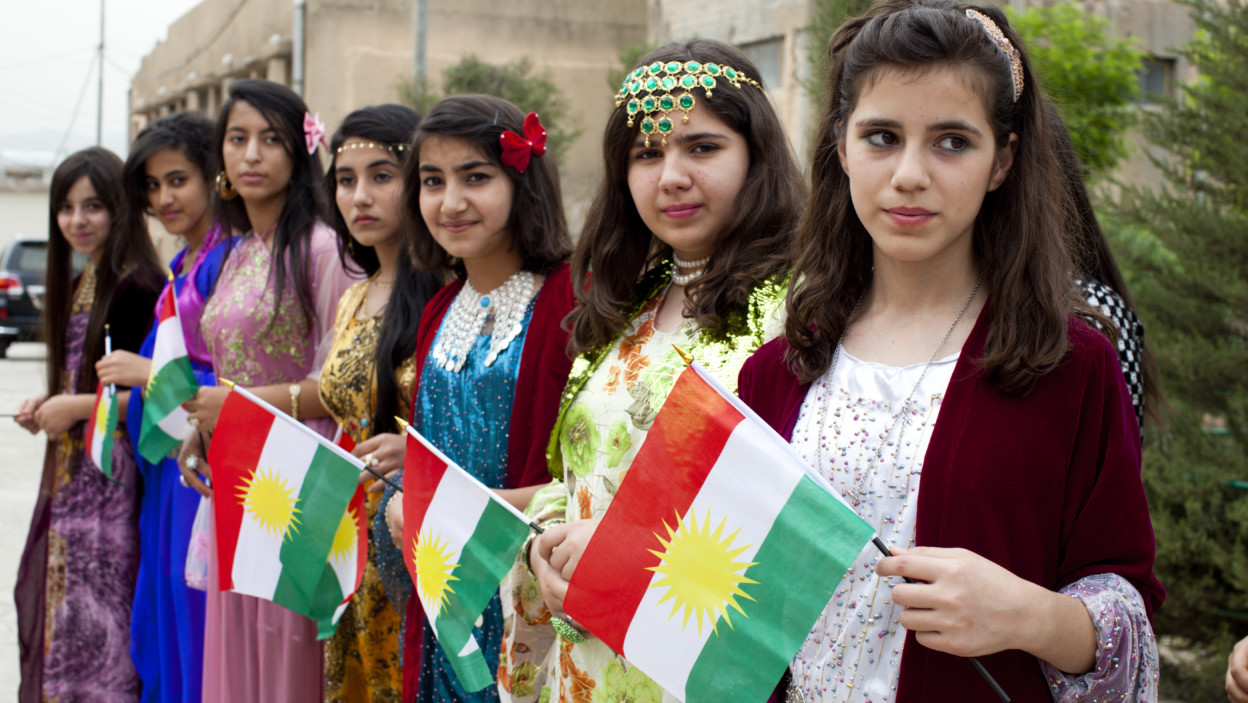
Strategic Asset Allocation for the 21st Century
For the institutional investor, the Kurdish religious sector offers a lesson in diversification. By understanding the cycles of religious festivals, the demographics of pilgrimage, and the legal nuances of endowment land, one can identify undervalued assets in the real estate, hospitality, and service sectors. The “Kurdish religion” is not just a matter of belief; it is a complex, multi-layered financial system that continues to evolve, providing stability and capital growth in one of the world’s most dynamic regions.
In conclusion, the intersection of Kurdish religious identity and personal finance creates a unique marketplace characterized by high communal trust and significant untapped potential. Whether through the modernization of Waqf assets, the expansion of religious tourism, or the integration of fintech into traditional tithing, the economic footprint of Kurdish faith is expanding. For those looking to invest in the region, understanding these spiritual-economic drivers is not just an academic exercise—it is a financial necessity.
aViewFromTheCave is a participant in the Amazon Services LLC Associates Program, an affiliate advertising program designed to provide a means for sites to earn advertising fees by advertising and linking to Amazon.com. Amazon, the Amazon logo, AmazonSupply, and the AmazonSupply logo are trademarks of Amazon.com, Inc. or its affiliates. As an Amazon Associate we earn affiliate commissions from qualifying purchases.