
The transition of wedding planning from physical binders to sophisticated digital ecosystems represents a significant shift in the events industry. Today, a wedding website is no longer a simple digital flyer; it is a complex Software-as-a-Service (SaaS) tool that functions as a central database for guest management, a point-of-sale system for registries, and a customized Content Management System (CMS) for event communication. Choosing the “best” platform requires an understanding of technical infrastructure, user experience (UX) design, and cross-platform compatibility.
When evaluating wedding website builders through a tech-centric lens, we must prioritize feature parity, data synchronization, mobile responsiveness, and the robustness of the backend logic. Whether you are looking for an all-in-one ecosystem or a highly customizable design platform, the following analysis breaks down the leading contenders in the current market.
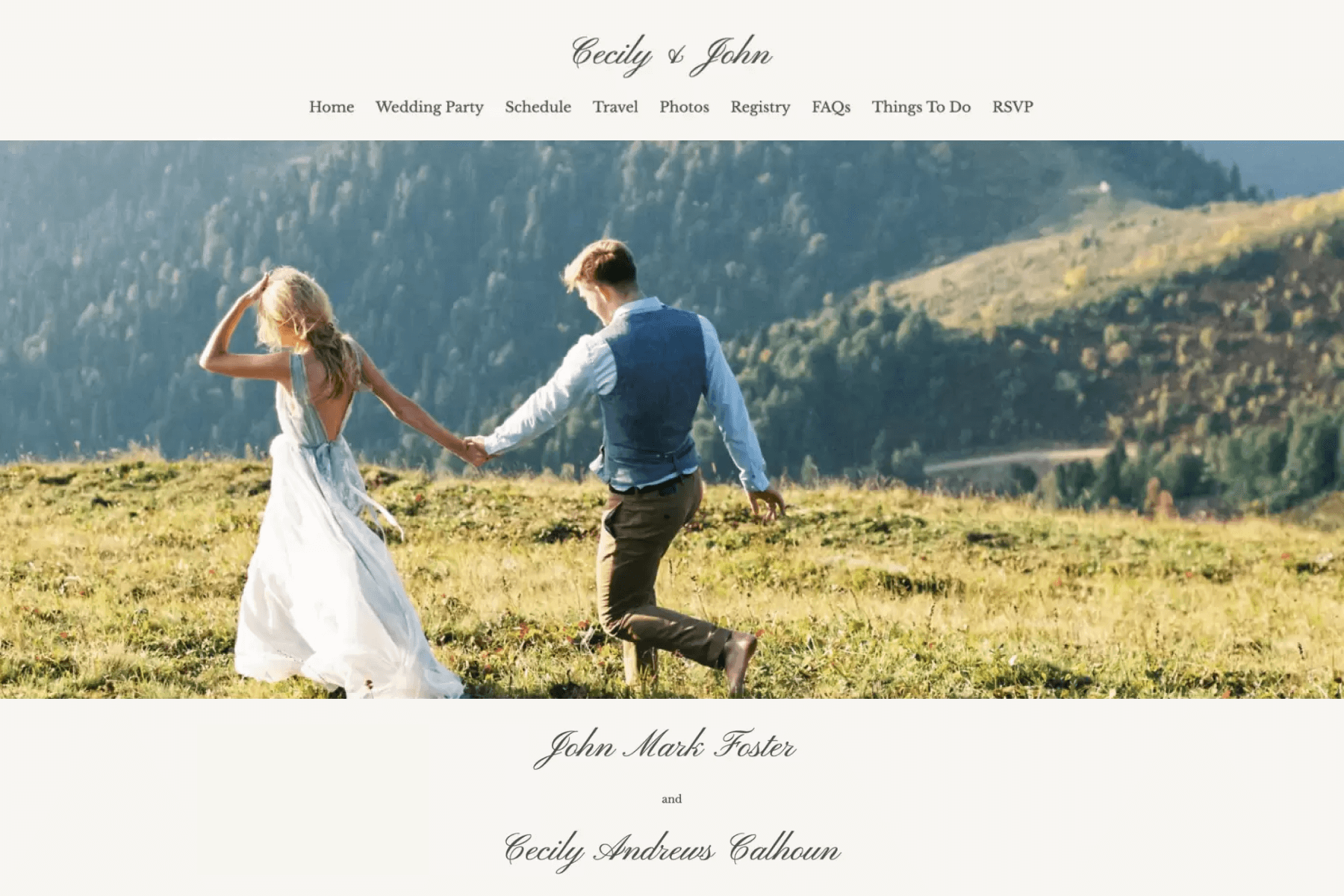
The Architecture of Modern Wedding Platforms
Before diving into specific brand comparisons, it is essential to understand the underlying technology that powers these sites. Most modern wedding platforms are built as specialized CMS environments. Unlike a general-purpose website builder like WordPress, these platforms are pre-configured with specific database schemas designed to handle RSVPs, meal preferences, and registry item tracking.
SaaS vs. General CMS Solutions
Dedicated wedding builders (like Joy or Zola) operate on a multi-tenant SaaS architecture. This means the provider manages the hosting, security updates, and core software, while the user manages the content. The advantage here is stability and ease of use. On the other hand, using a general CMS like Squarespace or Wix offers more control over the Document Object Model (DOM) and CSS, allowing for unique front-end designs that dedicated builders cannot replicate. However, this often requires manual integration of third-party widgets for registry or RSVP functionality.
Database Integration and Logic
A high-quality wedding website must handle complex conditional logic. For example, if a guest selects “Vegetarian” as their meal option, the database should be able to trigger specific sub-fields or update a master spreadsheet in real-time. The best platforms offer seamless API integrations with external tools like Google Sheets, Mailchimp, or specialized seating chart software, ensuring that the data flows bi-directionally without manual exports.
Comparative Analysis of Leading Tech Platforms
The market is currently dominated by four or five major players, each catering to a different technical priority. The “best” one depends on whether you value aesthetic customization, data management, or e-commerce integration.
Joy: The Leader in UX and Feature Depth
Joy has frequently been cited as the most technologically advanced dedicated wedding platform. It stands out due to its superior mobile app integration and sophisticated RSVP logic. From a technical perspective, Joy functions more like a project management tool than a simple website.
- Logic-Based RSVPs: Joy allows for highly granular guest list management. You can create “guest groups,” ensuring that certain questions (like rehearsal dinner attendance) are only visible to specific segments of your database.
- App Ecosystem: Unlike many competitors whose mobile presence is a scaled-down version of the desktop site, Joy offers a native mobile experience that utilizes push notifications for guest reminders, which significantly increases response rates compared to traditional email.
Zola: The E-commerce and Registry Powerhouse
If the primary goal of the wedding website is to serve as a seamless gateway to a registry, Zola is the industry standard. Its backend is built around a robust e-commerce engine.
- Integrated Inventory Management: Zola’s registry system is directly tied to its website builder. When a guest purchases an item, the website’s database updates instantly, preventing duplicate purchases through a real-time inventory sync.
- Ease of Deployment: Zola uses a “block-based” editor that simplifies the deployment process. While this limits deep design customization (you cannot easily inject custom JavaScript or heavy CSS), it ensures that the site remains lightweight and fast-loading across all browsers.
Squarespace: The Designer’s Choice for Technical Flexibility
For those who find the templates of dedicated wedding sites too restrictive, Squarespace offers a professional-grade web design environment. While it is not a “wedding” site by default, its “Wedding” category templates provide a framework that rivals high-end portfolio sites.
- Customization and SEO: Squarespace provides full control over the site’s metadata, URL structure, and image compression. This is the best option for couples who want a site that feels like a professional brand.
- The Technical Trade-off: The primary drawback of Squarespace is the lack of a native, specialized wedding database. To get the same functionality as Joy or Zola, users must often use “Code Blocks” to embed third-party RSVP forms or registry widgets, which can sometimes lead to issues with mobile responsiveness if not handled correctly.
The Knot and WeddingWire: The Legacy Ecosystems
As the oldest players in the space, The Knot and WeddingWire offer massive ecosystems. Their technical strength lies in their vendor marketplaces. These platforms act as a bridge between the couple’s website and a vast network of service providers. However, their tech stack can sometimes feel “bloated” compared to the streamlined, modern interfaces of newer competitors like Joy.
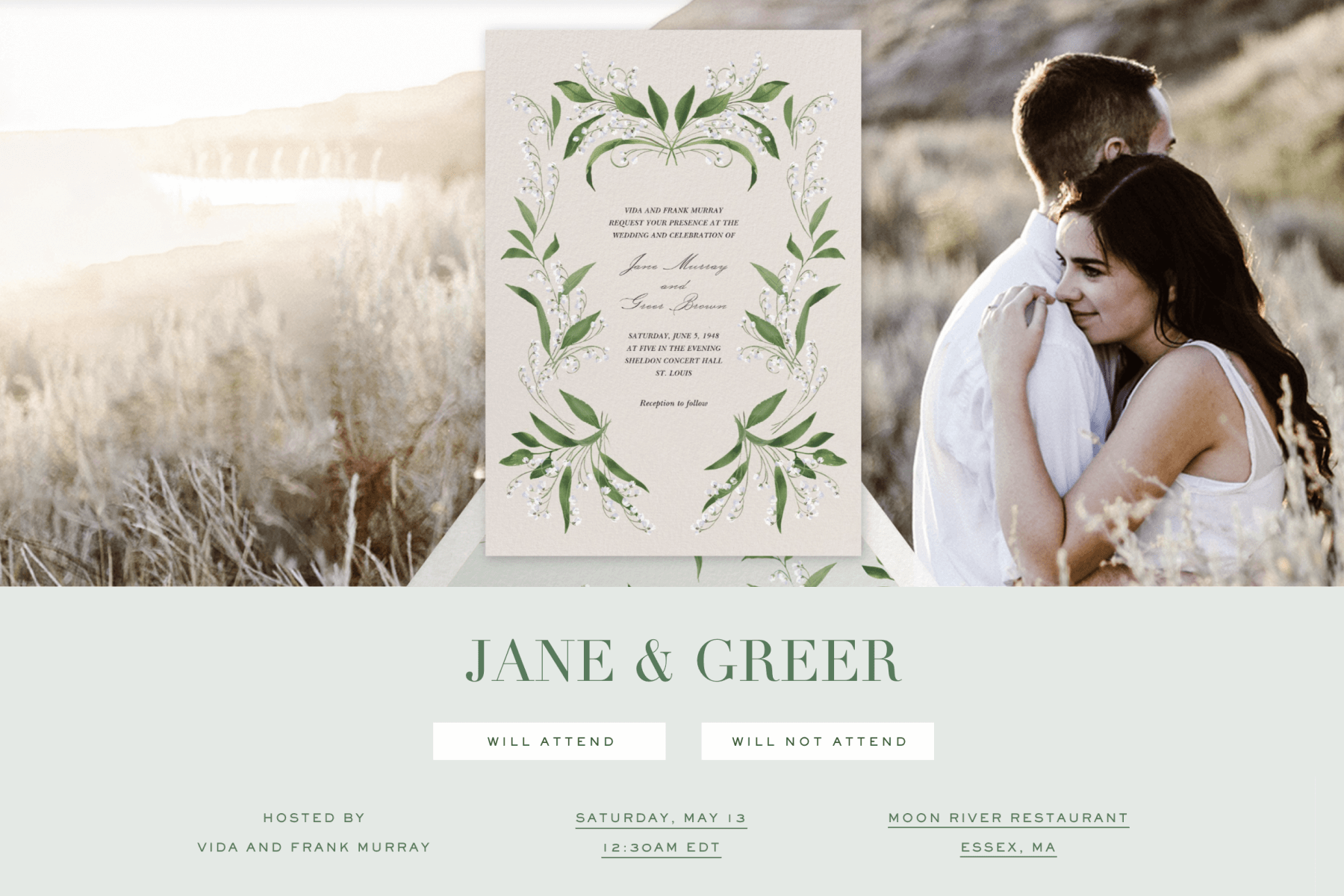
Essential Tech Features: RSVPs, Registries, and API Syncing
When selecting a platform, one should look specifically at how the site handles the heavy lifting of data management. The most critical features are those that automate the administrative burden of event planning.
Conditional Logic in Digital RSVPs
A “dumb” form simply collects text. A “smart” RSVP system uses conditional logic to guide the user through a specific flow. For instance, if a guest brings a plus-one, the system should dynamically generate a second set of meal and allergy questions. If the guest is part of the wedding party, the system might display an invitation to an exclusive Friday night event. Platforms that offer this level of backend logic save hours of manual sorting.
Cross-Platform Synchronization
The best wedding websites act as a “Single Source of Truth.” If you change a guest’s email address on the website, it should ideally update your guest list app and your seating chart tool. Look for platforms that support Google Contact imports or provide .CSV exports that are pre-formatted for common wedding planning software.
Payment Gateway Security
For sites that include “Cash Funds” or honeymoon registries, the underlying security of the payment gateway is paramount. Leading platforms typically integrate with Stripe or PayPal, ensuring that sensitive financial data is never stored directly on the wedding website’s servers. This PCI-DSS compliance is a non-negotiable feature for any site handling guest transactions.
Performance Optimization: Speed and Mobile Responsiveness
In the modern web environment, mobile-first design is a necessity. A significant portion of guests will access the wedding website via their smartphones, often while traveling or on the day of the event.
Mobile Responsiveness and UI/UX
A platform might look beautiful on a 27-inch iMac, but if the RSVP button is too small to tap on an iPhone 13, the technology has failed. The best platforms utilize responsive design frameworks (like Bootstrap or Foundation) to ensure that elements stack correctly on smaller screens. This includes optimizing images so they don’t consume excessive data for guests who may be using limited roaming connections during a destination wedding.
Load Speeds and CDN Usage
High-resolution engagement photos can easily bloat a website’s size. Top-tier builders use Content Delivery Networks (CDNs) to serve images from servers physically closest to the user, reducing latency. They also employ “lazy loading” techniques, where images are only loaded as the user scrolls down the page, significantly improving initial page load times.
Security, Privacy, and Data Protection
With the rise of digital footprints, privacy has become a major concern for event planning. Wedding websites often contain sensitive information, such as home addresses, phone numbers, and travel itineraries.
Password Protection and Obfuscation
The best wedding websites allow for global or page-specific password protection. Furthermore, they should offer “No-Index” options. A “No-Index” tag tells search engines like Google not to crawl the site, ensuring that your wedding details don’t appear in public search results. This is a critical feature for users who value digital privacy.
Data Privacy and GDPR Compliance
For international weddings involving guests from the EU, the platform’s adherence to GDPR (General Data Protection Regulation) is relevant. This includes the right for guests to have their data deleted and a clear explanation of how their data is being used. While this might seem like overkill for a personal event, using a platform that prioritizes these standards ensures a higher level of general data integrity and protection against leaks.

Final Verdict: Choosing Your Technical Stack
The “best” wedding website is ultimately the one that aligns with your technical proficiency and the specific needs of your event.
- For Maximum Functionality: Joy is the clear winner. Its combination of native app support, sophisticated guest logic, and free price point makes it the most powerful tool for data-heavy planning.
- For Seamless E-commerce: Zola is the gold standard. The integration between the registry and the website creates a friction-less experience for both the hosts and the guests.
- For High-End Design: Squarespace remains the top choice for those who want a bespoke digital presence and are comfortable managing a slightly more complex setup.
In conclusion, the modern wedding website has evolved into a vital piece of event technology. By focusing on database logic, mobile performance, and data security, couples can ensure that their digital headquarters simplifies the planning process rather than adding to the complexity. As software continues to evolve, we can expect even deeper integrations with AI for guest communications and augmented reality for venue tours, further cementing the wedding website’s role as the central nervous system of the marriage celebration.
aViewFromTheCave is a participant in the Amazon Services LLC Associates Program, an affiliate advertising program designed to provide a means for sites to earn advertising fees by advertising and linking to Amazon.com. Amazon, the Amazon logo, AmazonSupply, and the AmazonSupply logo are trademarks of Amazon.com, Inc. or its affiliates. As an Amazon Associate we earn affiliate commissions from qualifying purchases.