
In the hyper-competitive landscape of the global beauty industry, the question of “what is the best eyebrow gel” is rarely about chemistry alone. While polymers, pigments, and spoolie designs are the technical components, the true answer lies in the intersection of brand strategy, consumer psychology, and market positioning. For a brand to claim the title of “the best,” it must move beyond functional utility and inhabit a specific lifestyle identity that resonates with its target demographic.
The eyebrow category, once a niche segment of the cosmetics market, has transformed into a billion-dollar pillar of the industry. This evolution was driven by a fundamental shift in grooming standards and the rise of high-definition digital media. To understand which eyebrow gel is the best from a brand perspective, we must analyze the strategic maneuvers of the industry’s most successful players and how they have leveraged brand equity to dominate the “brow-scape.”
The Psychology of the “Hero Product”: Why Eyebrow Gel Defines Modern Beauty Brands
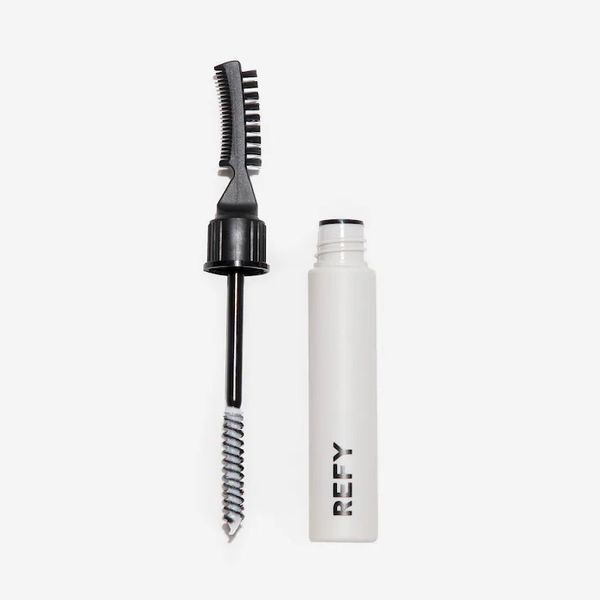
In brand architecture, a “hero product” is a single offering that serves as an entry point for consumers and embodies the brand’s entire philosophy. For many modern beauty empires, the eyebrow gel has become that cornerstone. It is a low-barrier-to-entry product that promises immediate results, making it the perfect vehicle for building brand loyalty.
Case Study: Glossier’s Boy Brow and the Minimalist Aesthetic
When analyzing the best eyebrow gels through a branding lens, Glossier’s “Boy Brow” is the definitive case study. Glossier did not simply launch a grooming pomade; they launched a movement. By positioning the product as an essential tool for the “no-makeup makeup” look, they tapped into a burgeoning consumer desire for authenticity and effortlessness.
The branding of Boy Brow was intentional in its restraint. The clinical, white-and-pink packaging and the emphasis on “fluffy, groomed brows” rather than “sculpted perfection” allowed Glossier to own the minimalist category. This strategy successfully alienated the “heavy-glam” competitors of the mid-2010s and built a community-driven brand that felt more like a lifestyle club than a retail corporation.
Anastasia Beverly Hills and the Authority of Professional Expertise
In contrast to Glossier’s minimalism, Anastasia Beverly Hills (ABH) built its dominance through the lens of professional expertise and precision. By establishing the “Golden Ratio” method for brow shaping, the brand positioned its eyebrow gels not just as cosmetics, but as tools for architectural facial enhancement.
The “best” gel in the ABH ecosystem is framed by the brand’s heritage as a salon-born authority. Their Clear Brow Gel, for instance, is marketed as a high-performance, industrial-strength hold for those who view grooming as a disciplined art form. This authority-based branding allows ABH to maintain a premium price point and a reputation for technical superiority that caters to a more sophisticated, results-oriented consumer.
Brand Differentiation: Formula, Packaging, and the Battle for Shelf Space
To be perceived as the best, a brand must differentiate its product in a saturated market. This differentiation occurs at three critical touchpoints: the physical formula, the tactile experience of the packaging, and the strategic placement within the retail ecosystem.
Luxury vs. Masstige: How Price Points Shape Brand Identity
The perception of “the best” is often intrinsically linked to price. Luxury brands like Tom Ford or Chanel market their eyebrow gels as status symbols. For these brands, the formula is almost secondary to the weight of the component and the prestige of the logo. The branding strategy here is exclusivity; the product is “the best” because it is an aspirational purchase.
On the other hand, “masstige” brands—those that occupy the middle ground between mass-market and prestige—utilize a strategy of democratization. Brands like Benefit Cosmetics have mastered this. By using whimsical, approachable packaging and high-impact marketing campaigns, Benefit has turned eyebrow maintenance into an accessible, fun experience. Their “Brow Bar” services act as a physical extension of their brand, reinforcing their status as the global leader in the category through a multi-sensory brand experience.
Innovative Packaging as a Brand Signature
In the cosmetics world, the applicator is often more iconic than the gel itself. Brands that innovate in industrial design can claim the “best” title by solving a specific consumer pain point. For example, brands that introduced micro-spoolies or dual-ended applicators created a unique selling proposition (USP) that rivals could not immediately replicate.
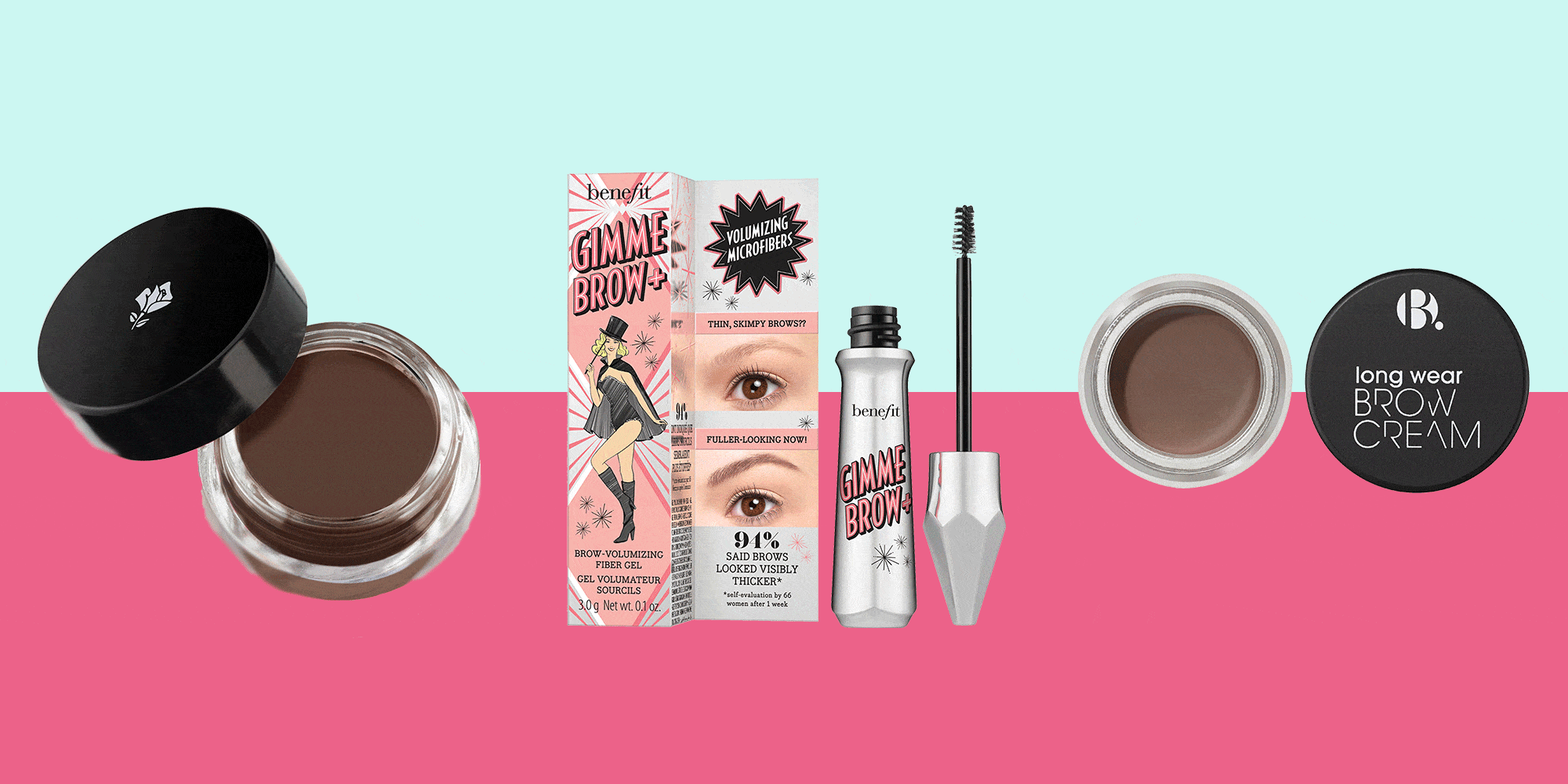
The packaging serves as a silent salesman. A sleek, metallic tube signals modernity and tech-forwardness, while a matte, soft-touch finish might signal organic or “clean” beauty values. The “best” eyebrow gel is often the one that most successfully aligns its physical form with the consumer’s self-image.
The Influence of Celebrity Brands and Personal Branding in the Beauty Sector
The rise of celebrity-founded beauty brands has fundamentally altered how “the best” products are identified. Influence has shifted from editorial reviews in magazines to direct-to-consumer communication via social media.
Rare Beauty and the Mission-Driven Brand Strategy
Selena Gomez’s Rare Beauty has redefined the eyebrow gel category by tethering product performance to a social mission. Their brow products are marketed with a focus on mental health and self-acceptance. In this context, the “best” eyebrow gel is the one that makes the consumer feel good about themselves, rather than the one that achieves a specific aesthetic standard. Rare Beauty’s strategy of “vulnerability as a brand value” has created a level of consumer trust and emotional attachment that traditional legacy brands struggle to emulate.
Fenty Beauty and the Standard of Inclusivity
Rihanna’s Fenty Beauty entered the market with a “Beauty for All” mandate. While their initial impact was in foundation shades, they applied the same inclusive branding to their eyebrow gels. By offering a wider range of undertones—specifically for those with red, grey, or very deep hair—they filled a market gap that others had ignored. From a branding perspective, being “the best” in this instance means being the most inclusive. Fenty’s success demonstrates that brand loyalty is built when consumers feel seen and represented by a product’s range.
Digital Strategy and the Role of Social Proof in Establishing “The Best”
In the digital age, a brand’s reputation is managed in real-time by the collective voice of the internet. The “best” eyebrow gel is often the one that manages to go viral, but sustaining that success requires a sophisticated digital strategy.
Leveraging TikTok and the Viral Product Lifecycle
The “TikTok effect” can turn an obscure brand into a market leader overnight. However, the best brands know that virality is a double-edged sword. To move from a “viral moment” to a “staple product,” brands must transition from influencer-led hype to long-term community engagement.
Successful brands use social listening to adapt their messaging. If users on TikTok discover a “hack” for using a clear brow gel to slick down flyaway hairs, savvy brands will immediately pivot their content strategy to highlight this multi-use functionality. This agility allows a brand to remain relevant and reinforces the product’s value proposition.
The Power of User-Generated Content (UGC) in Building Trust
Modern consumers are increasingly skeptical of traditional advertising. They look to their peers to determine what is truly “the best.” Brands that successfully curate and promote user-generated content (UGC) build a layer of social proof that is more effective than any celebrity endorsement. By showcasing “real people” with diverse brow shapes and skill levels, a brand lowers the barrier to purchase and positions its eyebrow gel as a reliable, high-performance tool for the everyday consumer.
Future-Proofing the Brand: Sustainability and Technological Integration
As consumer values evolve, the criteria for “the best” eyebrow gel are shifting toward ethical production and technological sophistication.
Clean Beauty and Ethical Sourcing as Core Brand Values
The “Clean Beauty” movement has forced brands to re-evaluate their formulations. To be considered the best in the current market, a brand must often prove that its eyebrow gel is vegan, cruelty-free, and formulated without specific synthetic ingredients. Brands like Kosas or Merit have built their entire identity around this “clean” ethos. Their branding strategy focuses on “high-performance naturals,” appealing to the conscious consumer who refuses to sacrifice efficacy for ethics.
The Intersection of Biotech and Cosmetic Performance
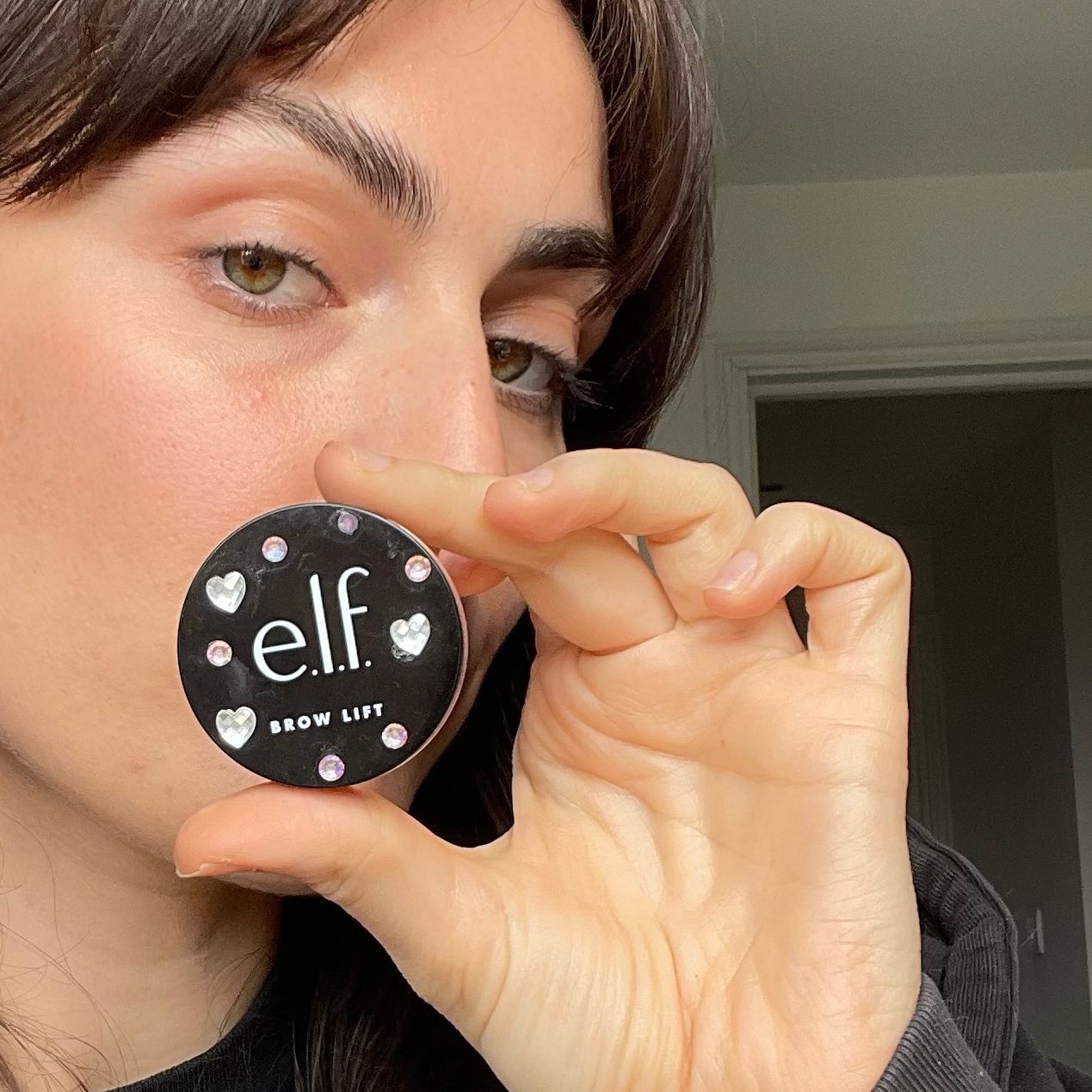
We are entering an era where biotechnology is the new frontier of brand differentiation. The next generation of “best” eyebrow gels will likely incorporate growth serums, peptides, and advanced film-formers derived from sustainable lab processes. Brands that invest in proprietary technology can protect their market position through patents and clinical data. In this landscape, the brand strategy shifts from “lifestyle” to “science-backed results,” positioning the product as a hybrid of skincare and makeup.
Ultimately, identifying the best eyebrow gel is an exercise in identifying which brand story most effectively fills a void in the consumer’s life. Whether through the lens of minimalist “cool-girl” aesthetics, professional-grade precision, inclusive representation, or sustainable innovation, the leaders in this category understand that they are selling more than just a gel—they are selling a version of the consumer’s best self.
aViewFromTheCave is a participant in the Amazon Services LLC Associates Program, an affiliate advertising program designed to provide a means for sites to earn advertising fees by advertising and linking to Amazon.com. Amazon, the Amazon logo, AmazonSupply, and the AmazonSupply logo are trademarks of Amazon.com, Inc. or its affiliates. As an Amazon Associate we earn affiliate commissions from qualifying purchases.