
The question “Who is the founder of Tesla?” is one of the most debated topics in modern corporate history. While a quick search might yield a single, famous name, the reality is a complex narrative of brand evolution, legal settlements, and strategic identity shifts. In the world of high-stakes branding, the story of Tesla serves as the ultimate case study in how a company’s origin story is crafted, contested, and eventually cemented into a global powerhouse identity.
To understand Tesla is to understand the tension between engineering roots and visionary marketing. It is a brand that transitioned from a niche Silicon Valley startup to a global symbol of the future, driven by a philosophy that prioritizes narrative as much as it does hardware.
The Genesis of a Disruptor: Beyond the “Founder” Label
The history of Tesla’s brand identity begins not with a single spark, but with a series of strategic pivots. While today the brand is synonymous with Elon Musk, the corporate identity was originally registered by two engineers, Martin Eberhard and Marc Tarpenning, in July 2003. Their goal was to prove that electric vehicles (EVs) could be better, quicker, and more fun to drive than gasoline cars.
Eberhard and Tarpenning: The Engineering Blueprint
In its infancy, the Tesla brand was defined by feasibility and engineering precision. Eberhard and Tarpenning were the architects of the “Roadster” concept. From a branding perspective, their contribution was the “Logic of the EV”—positioning electricity not as a sacrifice for the environment, but as a superior performance metric. However, the brand lacked the gargantuan scale and cultural resonance it possesses today. Their Tesla was a high-end boutique firm, a “hacker’s car company” that appealed to early adopters in tech circles.
Elon Musk’s Entry: From Investor to the Face of the Brand
Elon Musk joined Tesla in 2004 as the lead investor during the Series A funding round. His arrival marked a seismic shift in the company’s brand strategy. Musk didn’t just bring capital; he brought a “Master Plan.” This plan, famously published on the Tesla blog, outlined a top-down brand strategy: build a sports car, use that money to build an affordable car, use that money to build an even more affordable car, all while providing zero-emission electric power generation options. Musk shifted the brand from a product-centric focus to a mission-centric focus.
The 2009 Settlement: Defining “Founder” in the Corporate Context
The debate over “who founded Tesla” reached a legal fever pitch in 2009. Following a lawsuit filed by Eberhard, a legal settlement was reached that allowed five individuals to call themselves co-founders: Elon Musk, Martin Eberhard, Marc Tarpenning, J.B. Straubel, and Ian Wright.
From a brand strategy perspective, this was a critical moment. By expanding the definition of “founder,” the company successfully integrated the technical heritage of its creators with the visionary leadership of Musk. It allowed the brand to claim both the legitimacy of its original engineering and the disruptive energy of its most public face. This move ensured that the Tesla “story” remained cohesive even as the leadership changed.
The Cult of Personality: Elon Musk as the Ultimate Personal Brand
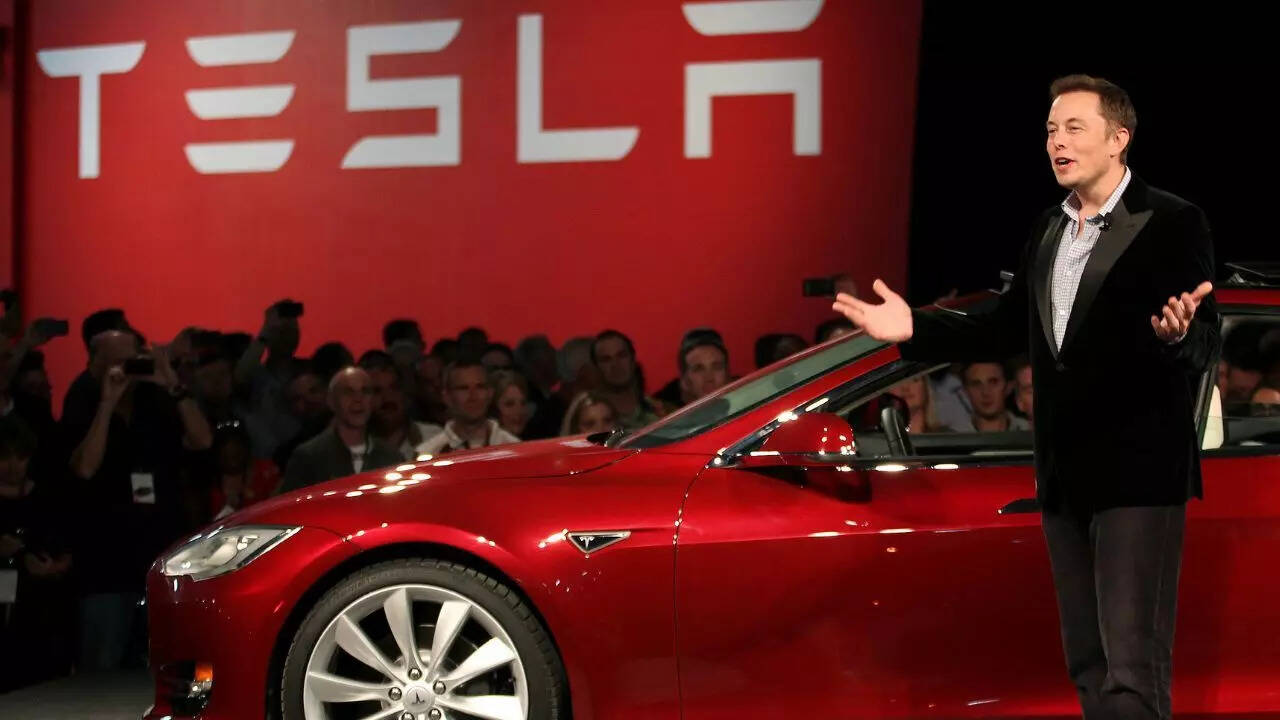
In the modern era, Tesla’s brand is inseparable from the personal brand of Elon Musk. This is a deliberate strategic choice that has revolutionized how corporate identity functions in the 21st century. Tesla does not have a traditional marketing department, nor does it buy television or print advertisements. Instead, it relies on the gravity of a single personal brand to pull the entire company forward.
Leveraging Social Media for Zero-Dollar Marketing
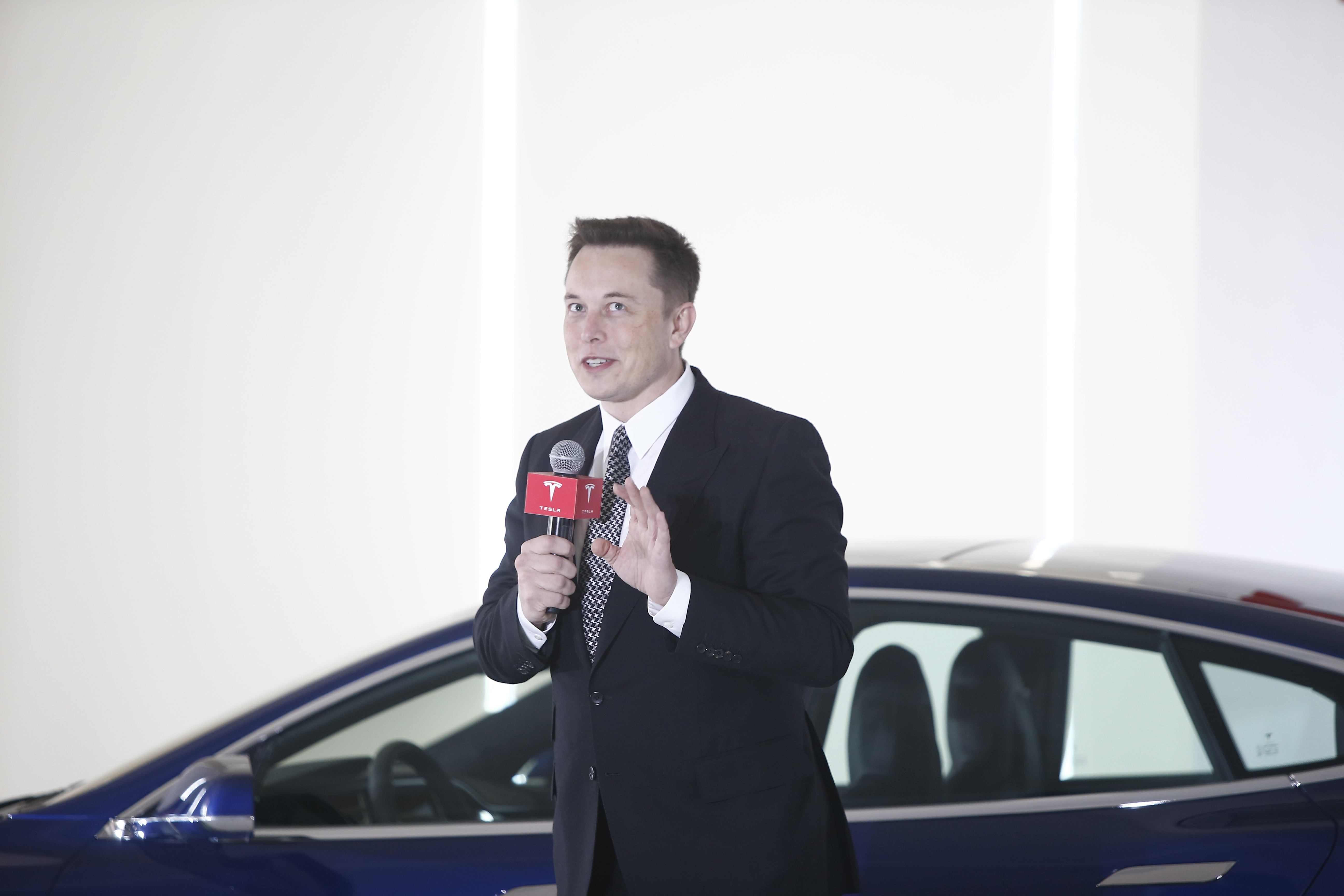
The Tesla brand strategy utilizes “earned media” to an extent never before seen in the automotive industry. Musk’s personal social media presence serves as the company’s primary communication channel. By bypassing traditional PR, Tesla creates an aura of authenticity and transparency. When Musk tweets about a software update or a new feature, it generates more engagement and news coverage than a multi-million dollar Super Bowl ad. This direct-to-consumer communication fosters a sense of community and loyalty that traditional brands struggle to replicate.
The Risks of a Single-Point-of-Failure Identity
While the Musk-Tesla brand synergy is a marketing superpower, it introduces a unique risk into the corporate identity: the “Key Person” risk. When the personal brand of a founder becomes the primary driver of the company’s brand equity, any controversy surrounding the individual impacts the corporation. Tesla’s brand perception fluctuates in real-time based on Musk’s public statements. This creates a volatile brand environment where the company’s identity is perpetually tied to the whims of its most prominent co-founder. For Tesla, the personal brand is both its greatest asset and its most unpredictable liability.
Corporate Identity: Shifting from “Car Company” to “Technology Ecosystem”
Tesla’s brand strategy is not merely about selling cars; it is about selling a lifestyle and a future-proof ecosystem. The company has meticulously crafted a corporate identity that positions it closer to Apple or Google than to Ford or General Motors. This distinction is vital to its brand equity and market positioning.
The Minimalist Design Philosophy
One of the most recognizable aspects of the Tesla brand is its minimalist aesthetic. From the sleek, button-free interiors of the Model 3 to the futuristic, brutalist lines of the Cybertruck, the design language communicates “the future.” This minimalism extends to the logo—a stylized “T” that represents a cross-section of an electric motor. By maintaining a consistent, clean, and futuristic design language across all touchpoints, Tesla has created a brand identity that is instantly recognizable and aspirational.
Redefining the Customer Journey: Direct-to-Consumer Sales
A significant part of Tesla’s brand strategy involves controlling the entire customer experience. Unlike traditional automakers that rely on third-party dealerships, Tesla sells directly to consumers through its own showrooms and website. This allows the brand to maintain total control over its image and the “story” told to the customer.
The Apple-like showrooms, located in high-end shopping malls rather than industrial car lots, reinforce the brand’s identity as a luxury technology product. This direct-to-consumer model ensures that every interaction a customer has with the brand—from the first click to the final delivery—is curated to reflect Tesla’s core values of innovation and simplicity.
Case Study: How Tesla’s Brand Equity Outpaces the Competition
Tesla’s success is a masterclass in brand strategy. While other companies may produce EVs with similar ranges or price points, they lack the emotional resonance and “cool factor” that Tesla has cultivated. This brand equity allows Tesla to command a premium price and maintain a waitlist of eager customers even in a competitive market.
Emotional Connection and Mission-Driven Branding
Tesla’s brand is built on a foundation of “Mission-Driven Branding.” The company’s stated mission—to accelerate the world’s transition to sustainable energy—gives consumers a reason to buy that transcends product features. When a customer buys a Tesla, they aren’t just buying a vehicle; they are joining a movement. They are identifying as “early adopters,” “environmentally conscious,” and “tech-savvy.” This emotional connection creates a “moat” around the brand, protecting it from competitors who may have more manufacturing experience but less cultural relevance.
The “Master Plan” as a Strategic Narrative
The Tesla brand is also built on the concept of a “Master Plan.” By transparency sharing its long-term goals (the Secret Master Plans Part 1, 2, and 3), the company invites its audience to participate in its journey. This narrative creates a sense of inevitability. It makes the brand feel like it is not just participating in the market, but actively shaping the history of humanity. This level of strategic storytelling is rare in the corporate world and is a primary reason why Tesla’s brand remains dominant despite the arrival of “Tesla killers” from legacy automakers.
In conclusion, the question of who founded Tesla is more than a historical trivia point; it is the cornerstone of a complex brand identity. By blending the technical foundations of Eberhard and Tarpenning with the expansive, mission-driven vision of Elon Musk, Tesla has built a brand that redefined an entire industry. It is a brand built on disruption, personal identity, and a relentless commitment to a future-oriented narrative. Whether through minimalist design, direct-to-consumer sales, or a $0 advertising budget, Tesla has proven that in the modern economy, the most powerful engine a company can have is its brand.
aViewFromTheCave is a participant in the Amazon Services LLC Associates Program, an affiliate advertising program designed to provide a means for sites to earn advertising fees by advertising and linking to Amazon.com. Amazon, the Amazon logo, AmazonSupply, and the AmazonSupply logo are trademarks of Amazon.com, Inc. or its affiliates. As an Amazon Associate we earn affiliate commissions from qualifying purchases.