
In the rapidly evolving landscape of health and wellness, few products have seen a meteoric rise quite like the beet supplement. Once a humble root vegetable relegated to side dishes, the beet has been rebranded into a high-performance “superfood” powerhouse. For consumers and market analysts alike, determining the “best” beet supplement is not merely a question of nutritional content; it is a study in brand positioning, consumer psychology, and market authority. When we ask what the best beet supplement is, we are essentially asking which brand has most effectively bridged the gap between scientific efficacy and consumer trust.
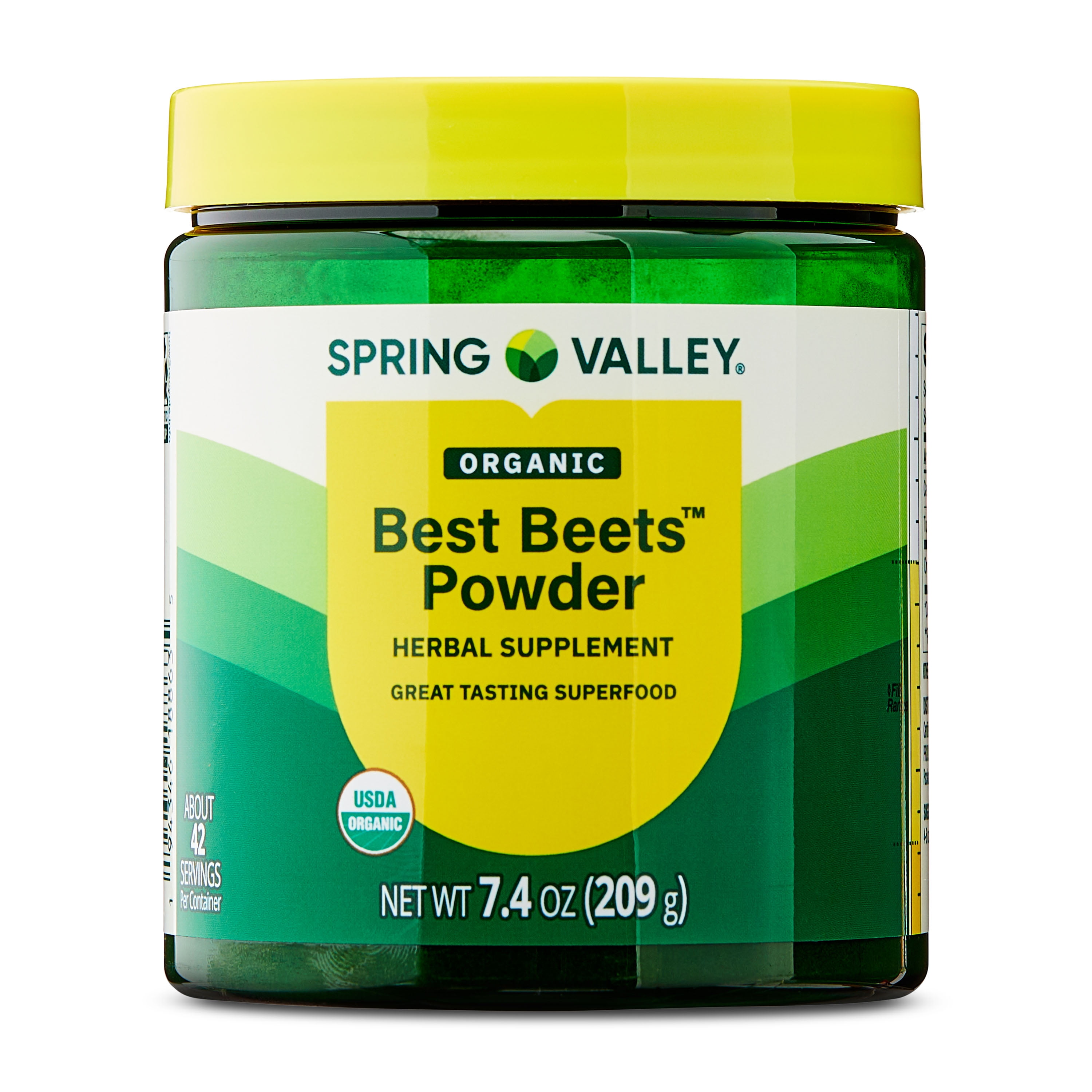
The dietary supplement industry is crowded, often making it difficult for individual products to stand out. However, the beet category has carved out a unique niche by targeting two distinct but overlapping demographics: the high-performance athlete and the health-conscious aging professional. To understand which brand wins this race, we must look beyond the ingredients and into the strategic frameworks that these companies use to dominate the market.
The Evolution of the Beet Category: From Root Vegetable to Premium Brand
The transformation of beets into a multi-million dollar supplement category is a masterclass in brand evolution. Ten years ago, the average consumer associated beets with a specific earthy taste and a niche culinary appeal. Today, the “beet” brand is synonymous with nitric oxide production, cardiovascular health, and athletic endurance.
Defining the Brand Archetype
Successful beet supplement brands generally fall into one of three archetypes: the Scientific Pioneer, the Organic Purist, or the Value Provider. The “best” brand is often the one that most convincingly occupies the Scientific Pioneer space. This archetype relies heavily on clinical data, patent-protected formulas, and endorsements from medical professionals. By positioning the product as “clinically studied,” brands transform a commodity vegetable into a proprietary technology. This shift allows for premium pricing and creates a significant barrier to entry for smaller competitors who lack the capital to invest in bespoke research.
The Psychology of Nitrate-Rich Marketing
The primary selling point of beet supplements is their high nitrate content, which the body converts into nitric oxide. From a branding perspective, “Nitric Oxide” acts as a powerful buzzword. It sounds technical, medical, and high-performance. The brands that lead the market are those that have successfully educated their audience on this specific physiological process. By owning the educational narrative around nitric oxide, these brands position themselves as the “best” because they are perceived as the most knowledgeable.
Comparative Brand Positioning: Performance, Purity, and Price
To identify the best beet supplement from a brand strategy perspective, we must examine how the market leaders position themselves against one another. Differentiation is the key to survival in the supplement aisle, and the top players have each claimed a specific “moat.”
HumanN and the Scientific Authority Model
HumanN, the makers of SuperBeets, arguably holds the strongest brand equity in the space. Their strategy is built on a foundation of scientific authority. By partnering with the University of Texas Health Science Center and utilizing a patented process for drying beets that preserves nitrate integrity, they have created a “trust bridge” with the consumer.
Their branding is clean, professional, and clinical. They don’t just sell beet powder; they sell a “Nitric Oxide Activation” system. This positioning allows them to command a higher price point than generic competitors. For many consumers, the “best” supplement is the one that feels the most like a pharmaceutical-grade product, even if it is technically a food-based supplement.
Garden of Life and the “Whole Food” Identity
In contrast to the clinical approach of HumanN, brands like Garden of Life lean into the “Organic Purist” archetype. Their brand strategy revolves around “Traceability” and “Purity.” For the Garden of Life consumer, the “best” beet supplement is the one that is Certified USDA Organic, Non-GMO Project Verified, and derived from real, recognizable food sources.
Their marketing materials emphasize the farm-to-supplement journey. This appeals to a demographic that is skeptical of lab-created formulas and prefers the perceived safety of nature. By focusing on “Clean” branding, they capture a massive segment of the market that prioritizes environmental ethics and ingredient transparency over raw performance metrics.
Bulk Supplements and the Value-Based Brand
The “Value Provider” archetype, exemplified by brands like Bulk Supplements, targets the pragmatic consumer. Their brand identity is centered on utility and minimalism. The packaging is often simple foil pouches with white labels, devoid of the glossy lifestyle photography used by competitors.
This is a strategic choice. By stripping away the “lifestyle” branding, they signal to the consumer that they are paying only for the raw material. For the budget-conscious athlete or the DIY biohacker, the “best” beet supplement is the one with the lowest cost-per-serving and no “marketing fluff.” This positioning builds a different kind of trust—one based on transparency regarding cost and volume.

Building Consumer Trust through Transparency and Certifications
In the supplement industry, trust is the most valuable currency. Because the FDA does not regulate supplements with the same rigor as pharmaceuticals, brands must self-regulate to prove their worth. The “best” brands are those that treat third-party certifications not as a legal requirement, but as a core component of their brand identity.
Third-Party Seals as Brand Assets
Certifications from organizations like the NSF (National Sanitation Foundation) or Informed Sport are more than just badges; they are powerful marketing tools. For a professional athlete, the “best” beet supplement is the one that is guaranteed to be free of banned substances. Brands that invest in these certifications are effectively purchasing “insurance” for their brand reputation. When a logo like “NSF Certified for Sport” appears on a label, it instantly elevates the brand above the sea of uncertified competitors, justifying a premium price and fostering deep consumer loyalty.
Sourcing and Supply Chain Storytelling
Modern branding requires more than just a list of ingredients; it requires a story. Leading beet brands have recognized that consumers want to know where their beets come from. Is it a family farm in the Midwest? Is it an organic collective in Europe?
Storytelling around the supply chain serves two purposes: it justifies the price and it humanizes the brand. When a company can point to a specific sourcing method that minimizes soil depletion or ensures peak nitrate levels at harvest, they are no longer just selling a commodity; they are selling a philosophy of quality. This level of transparency is often the deciding factor for consumers choosing between two similar products.
The Role of Direct-to-Consumer (DTC) Strategy in Brand Loyalty
The shift toward Direct-to-Consumer (DTC) models has revolutionized how beet supplements are sold and perceived. The most successful brands in this space have moved away from relying solely on third-party retailers like Amazon or GNC, instead building robust internal ecosystems.
Subscription Models and Customer Lifetime Value
The “best” brand is often the one that integrates most seamlessly into the consumer’s lifestyle. Subscription models (e.g., “Subscribe and Save”) are a cornerstone of modern supplement branding. These models do more than just ensure recurring revenue; they build a psychological habit. Once a consumer is on a monthly subscription for a specific beet powder, the “best” supplement becomes the one that is already in their kitchen. By reducing friction in the purchasing process, brands create a “locked-in” effect that is difficult for competitors to break.
Social Proof and Influencer Branding
In the digital age, brand authority is frequently delegated to influencers. Whether it is a professional marathoner on Instagram or a longevity expert on a podcast, these third-party endorsements are critical. A beet supplement brand that is mentioned in the same breath as elite performance is perceived as the market leader.
The strategy here is “Borrowed Authority.” By aligning their brand with individuals who already possess the trust of the target audience, supplement companies can bypass years of traditional brand-building. For the follower of a specific fitness influencer, the “best” beet supplement is simply the one their mentor uses.

Final Verdict: Determining the “Best” Through Brand Equity
In the final analysis, determining what the best beet supplement is depends entirely on the lens through which you view the market.
If the “best” is defined by Market Dominance and Scientific Authority, then HumanN (SuperBeets) remains the heavyweight champion. Their commitment to patented processes and medical-leaning marketing has created a brand that feels authoritative and “proven.”
If the “best” is defined by Purity and Ethical Standards, then Garden of Life holds the crown. Their mastery of organic certifications and whole-food branding resonates with the wellness-focused consumer who fears synthetic additives.
If the “best” is defined by Utility and ROI, then high-volume, low-margin brands like Bulk Supplements win. They appeal to the logic of the “informed consumer” who understands that the chemical composition of the nitrate is the same regardless of the packaging.
Ultimately, the best beet supplement is a triumph of brand strategy. It is the product that successfully identifies a consumer’s specific pain point—whether that is a fear of aging, a desire for a faster 5K time, or a need for cost-effective health—and presents itself as the only logical solution. As the category continues to mature, we can expect to see even more specialized branding, targeting everything from cognitive function to gut health, all through the powerful, vibrant lens of the beet.
aViewFromTheCave is a participant in the Amazon Services LLC Associates Program, an affiliate advertising program designed to provide a means for sites to earn advertising fees by advertising and linking to Amazon.com. Amazon, the Amazon logo, AmazonSupply, and the AmazonSupply logo are trademarks of Amazon.com, Inc. or its affiliates. As an Amazon Associate we earn affiliate commissions from qualifying purchases.